
Taiwan air force and navy scramble as nine PLA aircraft and six warships operate around the island
Five aircraft crossed the median line in the day to 6 a.m. on 17 October as Taipei answered with CAP fighters, navy ships and coastal missile systems.
TAIPEI —
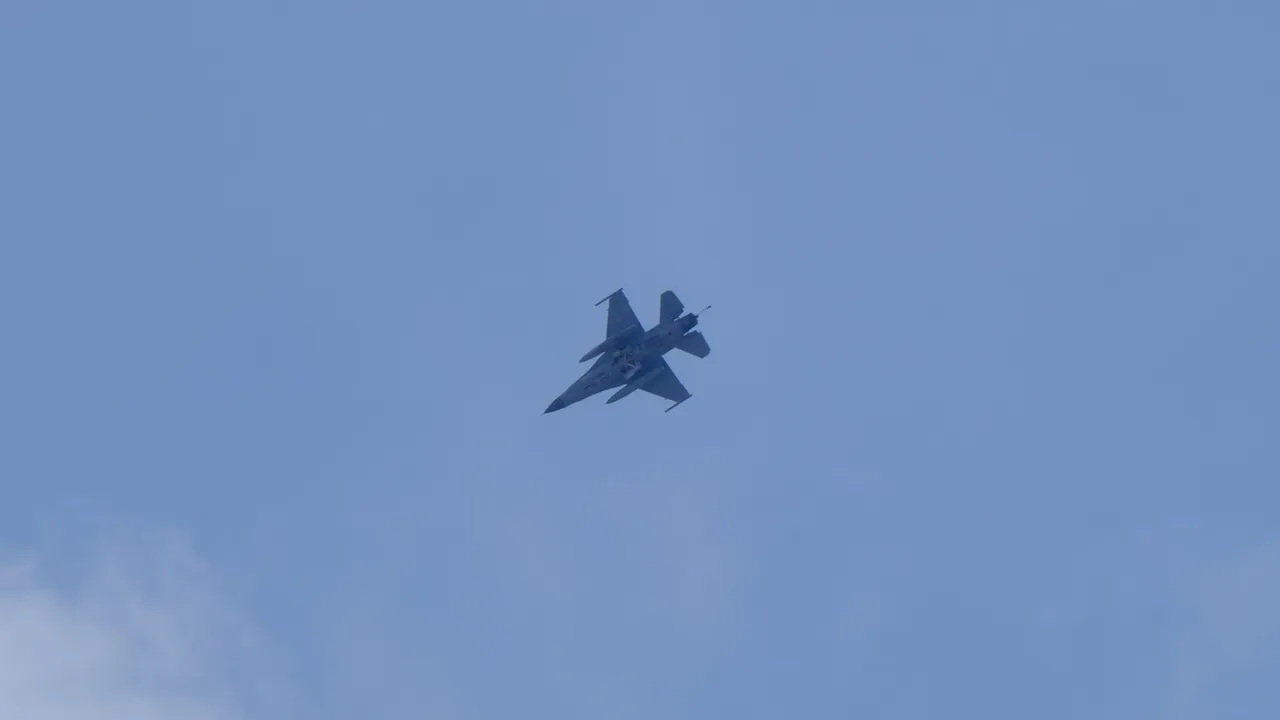
Taiwan's air force and navy responded with combat air patrol aircraft, warships and coastal missile systems after the defence ministry tracked nine People's Liberation Army aircraft, six navy ships and eight official vessels around the island in the 24 hours to 6 a.m. on 17 October Taipei time.
Five of the nine aircraft sorties crossed the Taiwan Strait median line and entered Taiwan's northern, central and southwestern air defence identification zones, the Ministry of National Defense said in its daily PLA activity bulletin. Central News Agency and Taiwan News carried the same counts, bringing the Chinese air and sea total to 23 platforms.
According to the CNA account of the ministry diagram, Taiwan detected Chinese main combat aircraft and helicopters over the Taiwan Strait between about 9:10 a.m. and 5:45 p.m. on 16 October, with one sortie crossing the median line in that window, while other sorties appeared in the southwest and northern ADIZ sectors later in the day.
Taiwan News noted that so far in October the ministry has tracked Chinese aircraft 113 times and ships 194 times, a running tally that keeps the grey-zone tempo visible even when a single daily count looks moderate compared with earlier peak weeks of joint combat readiness patrols.
October's cumulative tallies of 113 aircraft detections and 194 ship detections, as reported by Taiwan News from the ministry's month-to-date figures, also show why a nine-sortie day still matters: the pressure is cumulative, and each median-line crossing still triggers the same CAP, navy and coastal-missile response loop.
The ministry's standing formula is that ROC Armed Forces monitor the activity and employ CAP aircraft, Navy ships and coastal missile systems in response. That triad is the operational point of the bulletin: the sortie and ship numbers are paired with an explicit military response, not a diplomatic statement alone.
The 16-17 October package is a different event from the 14 October joint combat readiness patrol that sent 11 jets over the median line, which TaiwanDefence already covered. Today's tally is the routine but still kinetic ADIZ and median-line pressure that fills the gaps between those named patrols.
For planners watching the first island chain, the mix matters as much as the raw count. Nine aircraft and six navy ships keep air and surface sensors busy while eight official vessels, often coast guard or other state hulls, thicken the maritime picture without every platform flying a PLA roundel.
Taipei will keep publishing the daily sheet as long as the aircraft and ships keep coming. The military response language in the 17 October release is why the bulletin remains defence news rather than a weather report: fighters, warships and coastal missiles are still on the line when PLA platforms cross the median line.
That response posture is the story's defence nexus. A daily PLA ADIZ update without scramble language can read like a traffic count; this one names the air force CAP, the navy ships and the coastal missile batteries that Taiwan says it put on the problem.
Sources
More in Cross-Strait
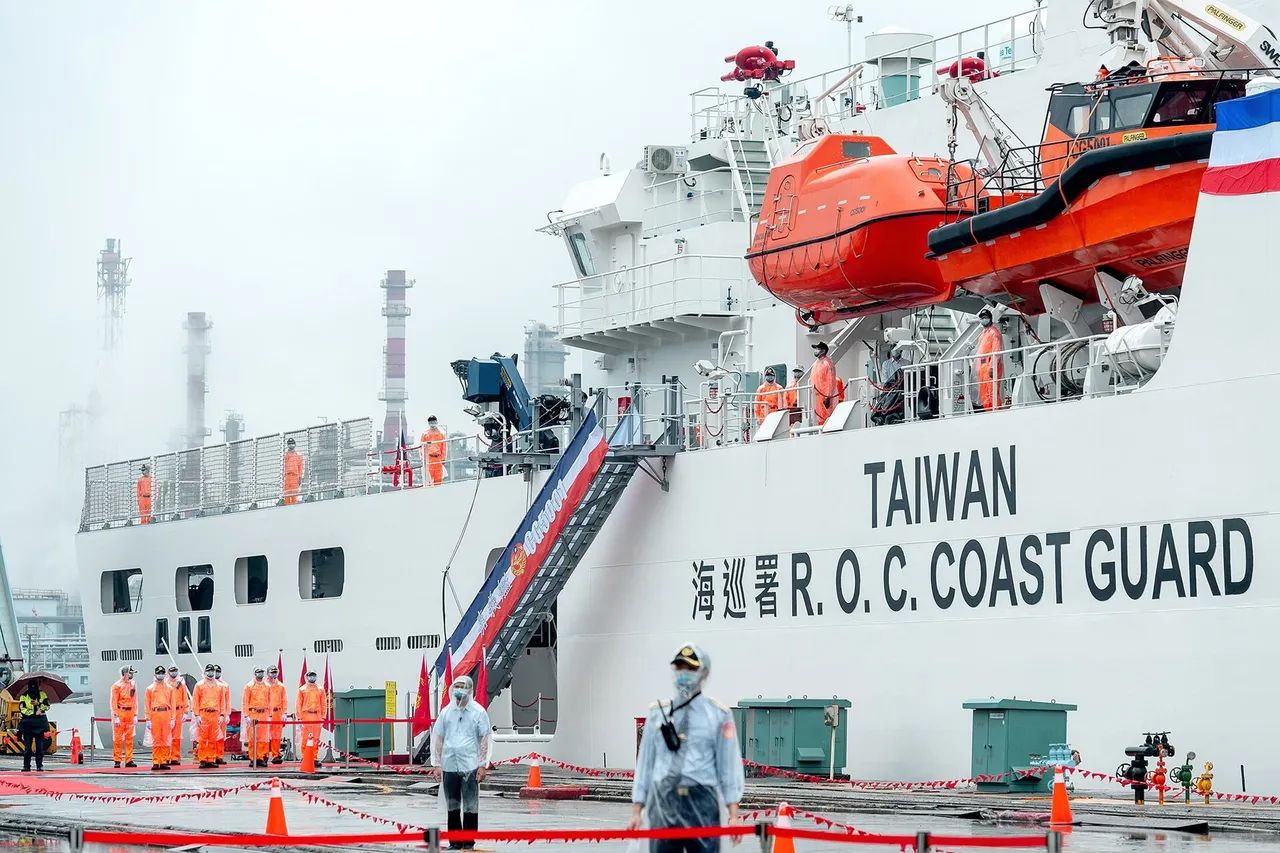
Taiwan coast guard shadows two Chinese coast guard ships in a Pratas standoff that ran into the night
China Coast Guard ships 3301 and 3303 entered the restricted waters around the Taiwan-held atoll on Friday afternoon, the 11th such incursion there this year.
TaiwanDefence · 19h ago · 2 min read
Taiwan watches for large-scale PLA drills as peak season nears
Taiwan's MND is monitoring possible PLA encirclement drills as the November-December peak season nears, alongside Liaoning western Pacific training and cognitive warfare.
TaiwanDefence · 1d ago · 2 min read
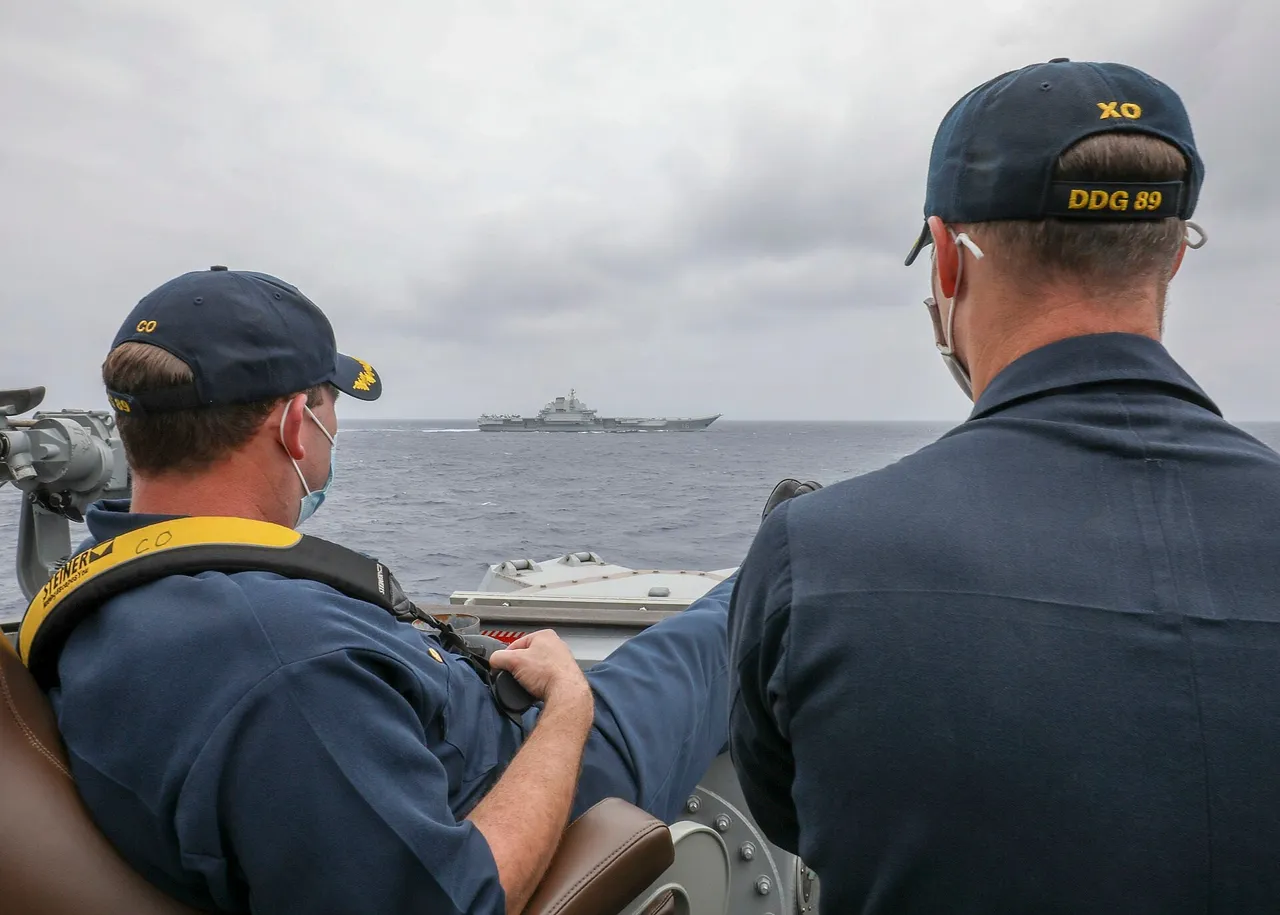
Taiwan tracks China's PLA carrier Liaoning as it turns south past the island towards the South China Sea
Japan says the carrier and three destroyers headed for the South China Sea a day after flying jets east of Taiwan, cutting short a Pacific cruise.
TaiwanDefence · 2d ago · 3 min read
Discussion (0)
Comments are not currently available.