
South Korea plans to put all military prosecutors and investigators under the defence minister
Seoul wants to take criminal cases away from the army, navy and air force chiefs as early as 2027, but a study on checks is not due until December.
TAIPEI —
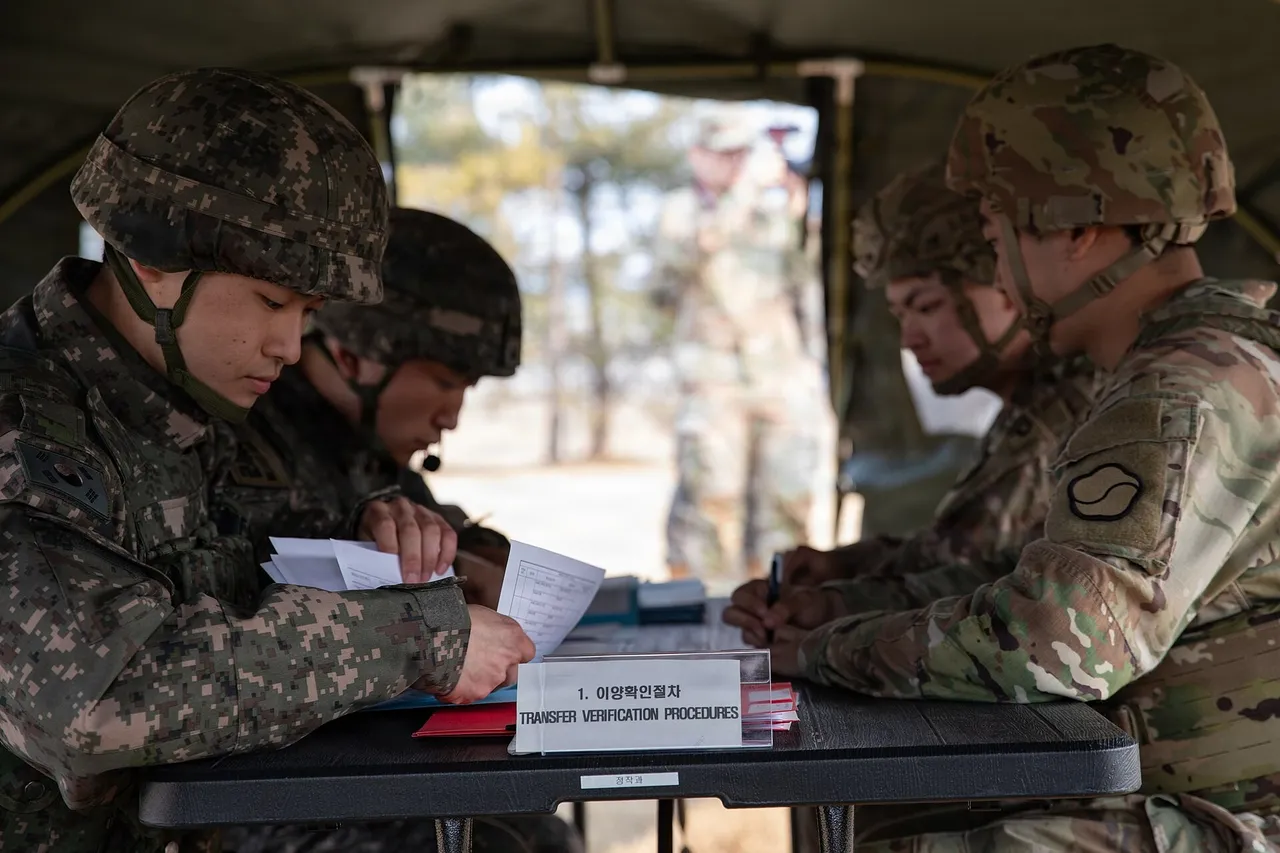
South Korea's Ministry of National Defense is preparing to take criminal investigators out of the hands of the army, navy and air force chiefs of staff and place them directly under the defence minister. Seoul Economic Daily reported on 17 October that the prosecution groups and investigation groups now run by each service would be merged into ministry-level bodies as early as the second half of next year. A military official told the paper that military police investigators would be folded into the ministry's Investigation Headquarters and military prosecutors into the ministry's prosecution group, with both reorganised along regional lines.
Under the current system, investigators report to and take direction from the chief of staff of their own service, an arrangement that has long raised questions about the independence and fairness of military investigations. The newspaper said the aim of the change is to stop commanders from influencing investigations. The proposal came from the State Affairs Planning Committee in September last year and is listed among the current government's defence policy tasks.
If the merger goes ahead, the minister would supervise the charging powers of 105 military prosecutors serving in the ministry's own prosecution group and those of the services, as well as the investigative powers of the army, navy, air force and Marine Corps investigation groups that currently answer to their chiefs.
The plan is not yet final. The ministry told the National Assembly's Legislation and Judiciary Committee during its 15 October audit of the military courts that it was reviewing the integration, according to Newspim and News1. To design safeguards against a concentration of power in the minister's office, it commissioned a study on democratic and institutional controls over military investigations, which began on 23 July and is due to report by 19 December. A ministry official told Seoul Economic Daily that the final shape of the reorganisation would be decided after the study and after hearing the views of each service.
The newspaper also reported concerns that the ministry's investigation and prosecution bodies could become too large, and that there would be few tools to restrain a minister who chose to interfere in a case. It cited the investigation into the death of a Marine corporal surnamed Chae, in which then-Defence Minister Lee Jong-sup stopped the Marine Corps investigation group from handing its findings to civilian investigators, a decision that became a major controversy.
At the same audit, the ministry set out narrower changes to how military cases are handled, as reported by Yonhap and Newspim. It plans to amend the ministerial rules for military judicial police so that any direction given to military police investigators must be in writing, extending a requirement that has applied to military prosecutors since a provision of the Military Court Act took effect on 1 August last year. It also intends to limit the use of interrogation records written by military prosecutors to cases where the defendant or defence lawyer accepts their content, to hand suspects copies of arrest and search warrants, and to allow searches of homes without a warrant only in urgent cases.
Newspim reported that military courts approved 66 percent of arrest warrants requested by military prosecutors in the year to June 2026, down from 85 percent a year earlier, while the approval rate for search warrants fell from 88 percent to 80 percent.
The ministry is also updating the Military Court Act to reflect the civilian overhaul that abolished the Prosecutors' Office on 2 October and created a separate indictment agency and a Serious Crimes Investigation Agency, so that cases transferred out of the military go to the new bodies. It said military prosecutors and military police are established under the Military Court Act and are not directly affected by the civilian restructuring.
The armed forces last reshaped their investigators in 2022, after the 2021 death of an air force master sergeant who had reported a sexual assault exposed a botched investigation and secondary victimisation. That reform stripped unit commanders of control over prosecutors and military police, abolished prosecutors inside units and gave the service chiefs authority over regional investigation groups, seven for the army and five each for the navy, air force and Marine Corps. A merger under the minister would, five years later, remove the service chiefs from the chain as well and leave the ministry in charge of every military criminal case.
Sources
More in Indo-Pacific
Japan's air force lifts suspected fuselage of its crashed Global Hawk military drone from the seabed
A salvage ship craned the object up from 200 to 300 metres down off Tottori, and the wreckage will go to Misawa Air Base for the crash investigation.
TaiwanDefence · 3m ago · 2 min read
South Korean prosecutors again seek 30 years for Yoon over military drone flights to Pyongyang
Seoul's special counsel calls the 2024 drone operation graver than insurrection as an appeals court sets its ruling for 4 December.
TaiwanDefence · 2h ago · 3 min read
US Marines turn an East Coast artillery battalion into their first anti-ship missile unit
The Corps' first medium-range missile battalion takes NMESIS beyond the Pacific regiments on Okinawa and Hawaii, while launchers remain in short supply.
TaiwanDefence · 3h ago · 3 min read
Discussion (0)
Comments are not currently available.