
Nearly 200 Chinese connected cars can drive into South Korea's F-35 and submarine bases
A lawmaker's data shows BYD and other Chinese electric cars registered at key South Korean bases, while the defence ministry has yet to set security rules for them.
TAIPEI —
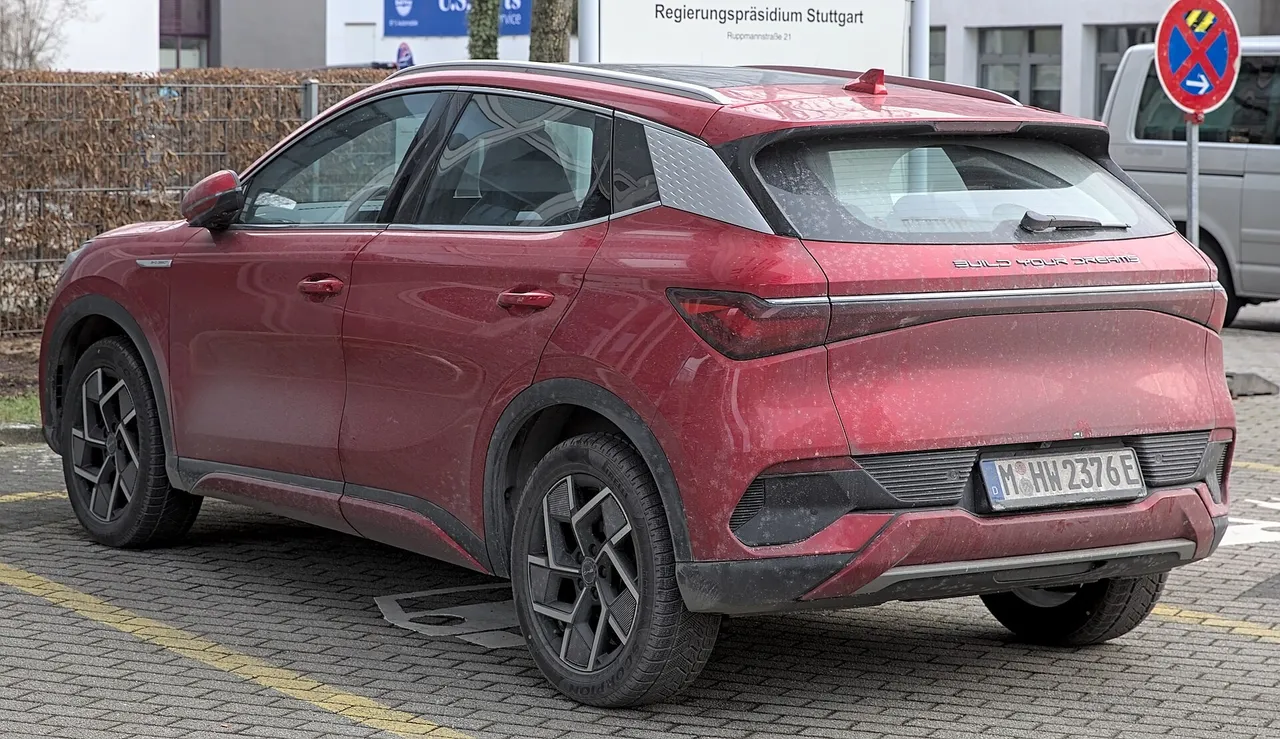
Nearly 200 Chinese-made connected cars, including BYD electric vehicles, are registered to enter South Korean military facilities, among them the bases that operate the country's F-35 stealth fighters, its first KF-21 fighters and its submarine force. Rep. Kang Dae-sik of the People Power Party said at least 190 such vehicles were registered for access to the Ministry of National Defense and to Army, Navy and Air Force sites, the Chosun Ilbo reported, and broadcaster SBS carried the same findings on 16 October.
According to Kang's figures, BYD cars were cleared to enter the Naval Operations Command in Busan, where US aircraft carriers dock, the Submarine Command in Jinhae, the 17th Fighter Wing at Cheongju, which flies the F-35, and the 16th Fighter Wing at Yecheon, where the first KF-21 was delivered in September. The compounds of the defence ministry and the Joint Chiefs of Staff were also on the list. The Army did not name individual units, but the cars were reported to be registered at Army Headquarters in Gyeryongdae, the Ground Operations Command in Yongin and the Special Warfare Command.
The worry is what the cars can record. Connected cars carry about ten cameras, high-precision GPS, radar and microphones, and can send the data they gather over the internet. The United States and the European Union have both raised concerns that information collected by Chinese-made vehicles could reach Chinese authorities in real time. A South Korean military official told the Chosun Ilbo it made little sense that iPhones are kept out of military facilities for security reasons while nothing has been done about Chinese cars.
The defence ministry has not barred connected cars from its bases or asked carmakers for any security cooperation, the reports said. At a meeting in April it concluded that the collection of video at military-related facilities was a security weakness, but in September it said only that it would work on countermeasures. Kang said the Office of National Security, the land and transport ministry and the trade ministry had each passed responsibility to the others, leaving no one in charge, and that the government's response fell far short of the risk.
BYD Korea rejected the idea that its cars send military data to China. It told the business outlet Megaeconomy that location data from cars sold in South Korea is managed by the Korean subsidiary and stored in a domestic data centre that overseas cloud centres cannot reach. Footage from the surround-view and driver-assistance cameras is processed inside the car in real time and is not stored, so it is not sent to Korean servers or to the Chinese head office, the company said. Its cars sold in Korea have four exterior cameras, and the Sealion 7 adds one interior camera that watches the driver. Megaeconomy noted that there is no confirmed case of a Chinese car actually gathering or transmitting South Korean military information.
Kang's tally follows an earlier one. On 7 October the JoongAng Daily reported military data obtained by Rep. Kim Byung-joo of the Democratic Party showing 135 Chinese-made connected cars registered with the armed forces, 44 with the Army, 42 with the Navy, 41 with the Air Force and eight with the Marine Corps. Officers and non-commissioned officers owned 118 of them. Unregistered Chinese connected cars had also entered Navy facilities, including the Jinhae base command and the Submarine Force Command, at least 565 times this year. The two lawmakers' counts were released about a week apart, and neither report explains the difference between them.
European militaries have already met the problem in the field. During Norway's Hovedstad exercise in September, Home Guard soldiers found that rental cars they were using, at least two of them from the Chinese brand Deepal, had stored video showing who got in and out, where the cars went, how long they stopped and the security codes entered at gates and doors, the Norwegian armed forces magazine Forsvarets Forum reported on 8 October. The footage was deleted after the exercise, and it is not known whether it was kept anywhere else. Norway's armed forces said they had no general ban on cars from any particular country.
Washington has barred carmakers with ties to China from selling new connected vehicles in the United States from model year 2027, and the European Union opened a security review in March, the JoongAng Daily noted. A defence ministry official told that paper earlier this month that Seoul was reviewing access standards for connected cars but would have to weigh them against personal property rights. The ministry has not said when any rule will take effect, so for now the cars can keep driving onto the bases that host South Korea's most sensitive aircraft and submarines.
Sources
More in Indo-Pacific
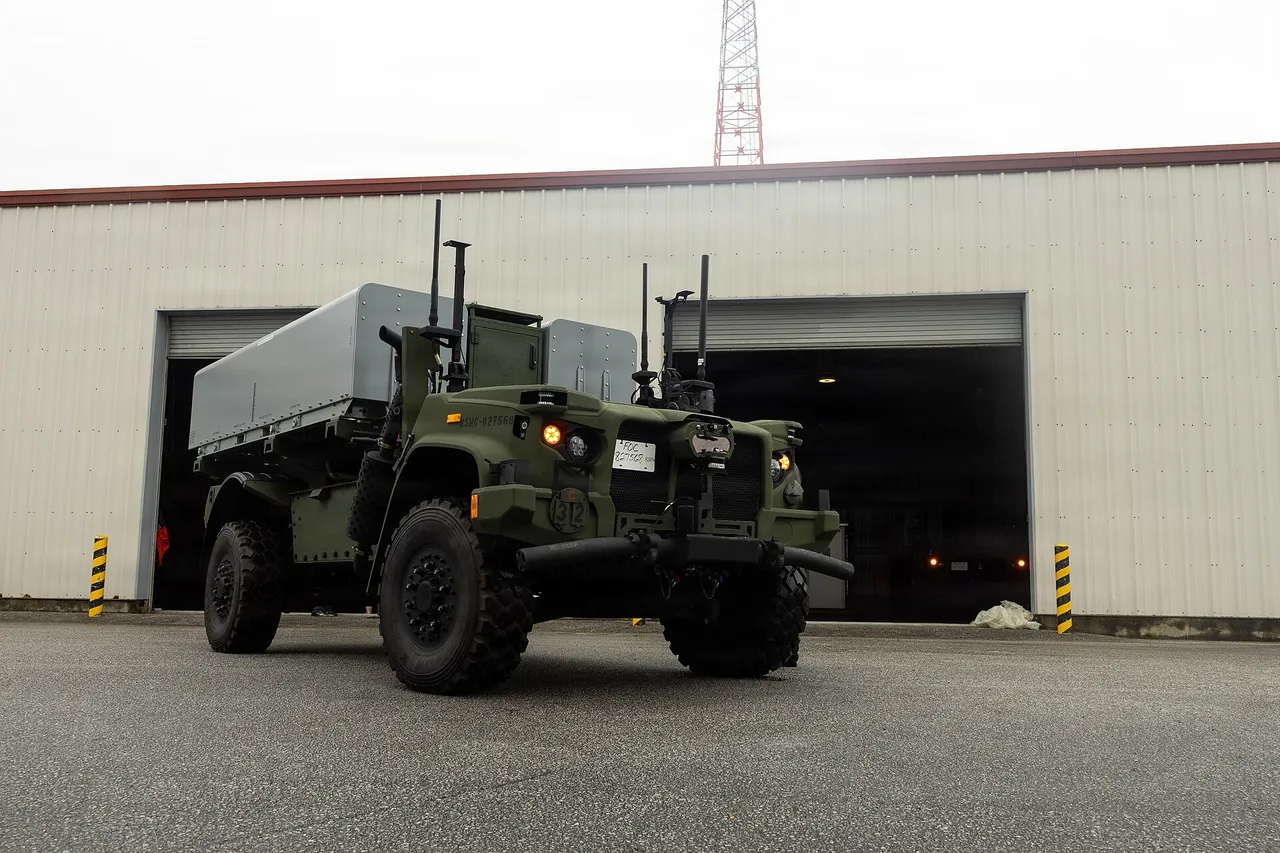
US Marines turn an East Coast artillery battalion into their first anti-ship missile unit
The Corps' first medium-range missile battalion takes NMESIS beyond the Pacific regiments on Okinawa and Hawaii, while launchers remain in short supply.
TaiwanDefence · 10m ago · 3 min read
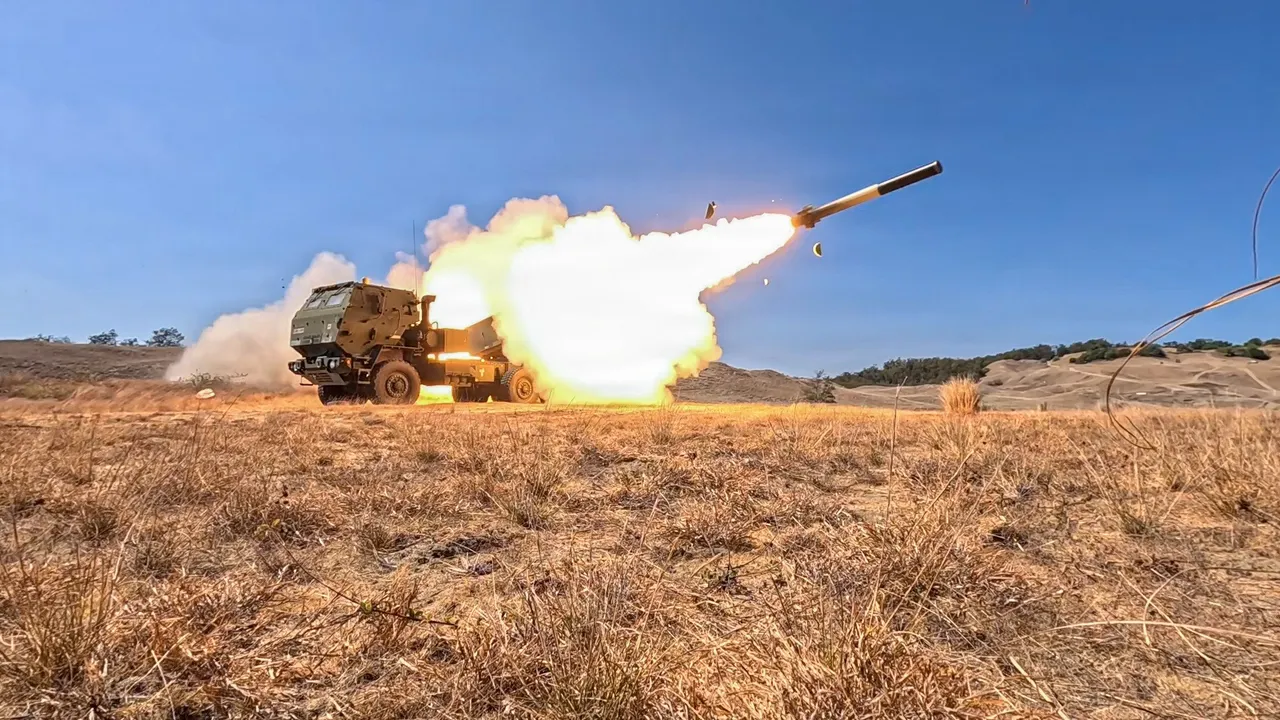
US Army's new warfighting guidance plans for a prolonged fight along the First Island Chain
The How the Army Fights guidance calls for pre-positioned stocks, hardened command posts and munition reserves inside the island chain to blunt China's A2/AD networks.
TaiwanDefence · 5h ago · 3 min read
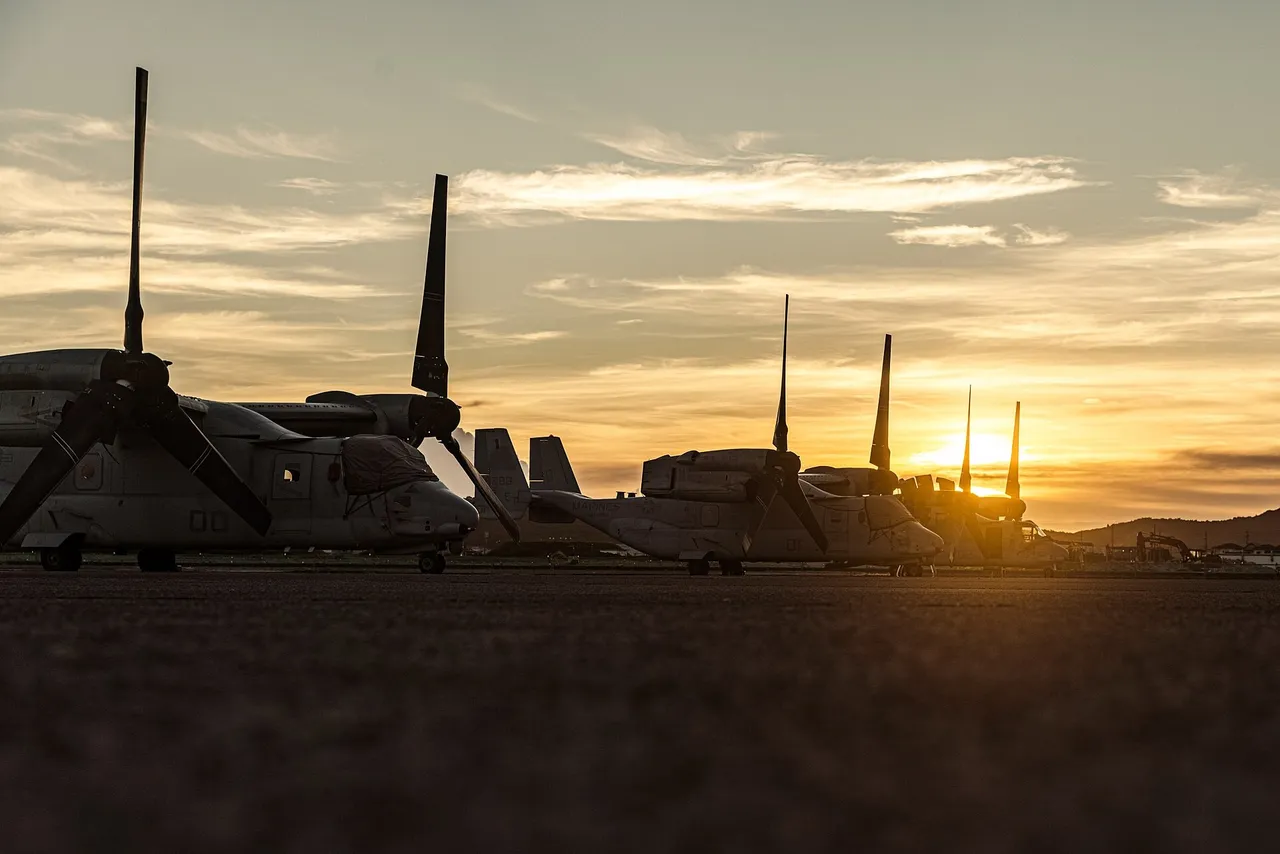
Kagoshima asks Tokyo to put a midnight curfew on 400 Marines lodging on Tanegashima
Ahead of Keen Sword 27, Governor Yasuichi Shio asked Japan's defence ministry on 16 October 2026 to press US forces for a midnight-to-5 a.m. outing ban matching Okinawa's restriction after a Marine arrest in Naha.
TaiwanDefence · 7h ago · 3 min read
Discussion (0)
Comments are not currently available.