
US Marines turn an East Coast artillery battalion into their first anti-ship missile unit
The Corps' first medium-range missile battalion takes NMESIS beyond the Pacific regiments on Okinawa and Hawaii, while launchers remain in short supply.
TAIPEI —
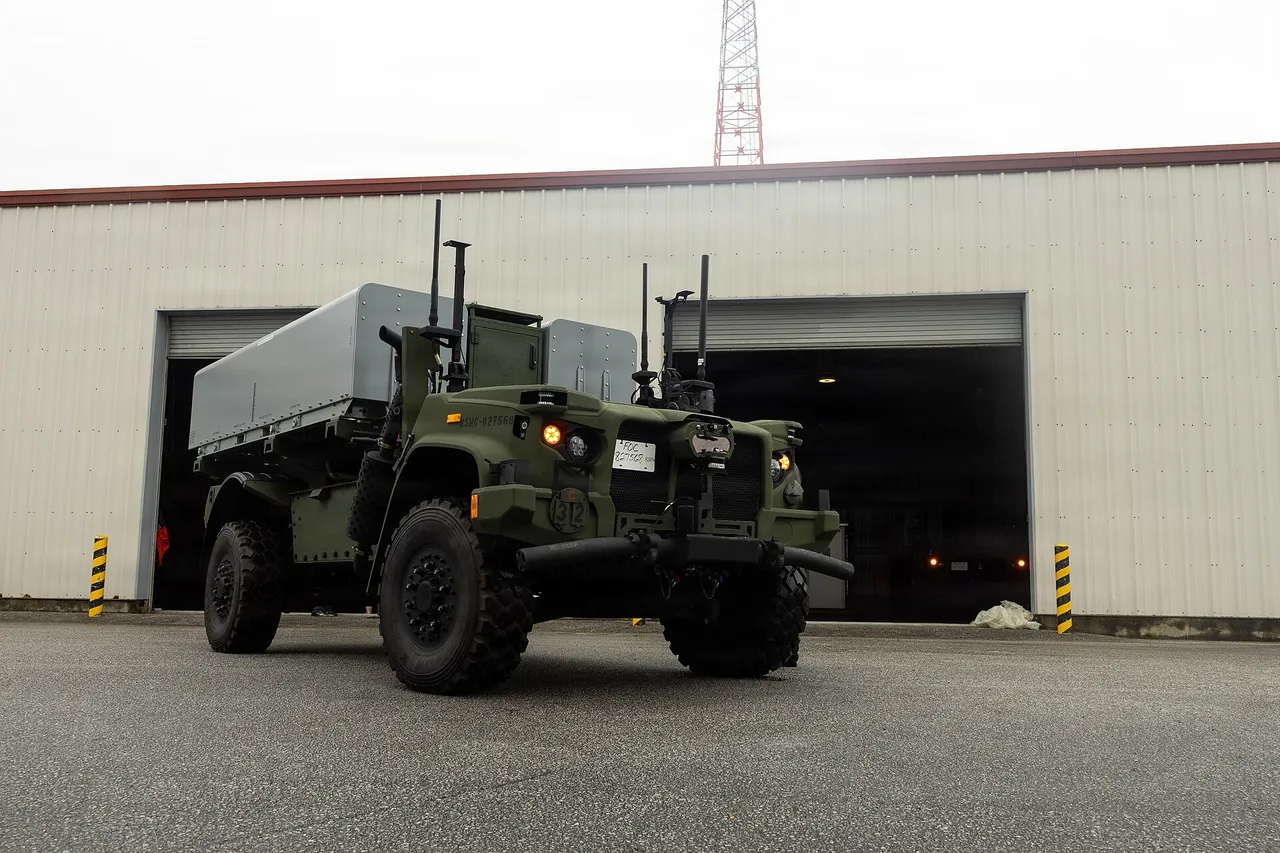
The US Marine Corps has converted 1st Battalion, 10th Marine Regiment at Camp Lejeune, North Carolina, from an artillery battalion into its first medium-range missile battalion. The unit, part of the 2nd Marine Division, will be built around the Navy-Marine Expeditionary Ship Interdiction System, or NMESIS, the service's ground-based anti-ship launcher. The redesignation took effect on 9 October under the Force Design 2030 plan and was announced by the division on 15 October.
NMESIS mounts a launcher for two Naval Strike Missiles on an uncrewed, remotely operated carrier derived from the Joint Light Tactical Vehicle, so no Marine has to ride the launcher while it is moved into a firing position along a coast. The Marine Corps credits the missile, made jointly by Norway's Kongsberg and Raytheon, with an effective range of more than 130 nautical miles, or about 240 kilometres, against ships at sea and fixed targets on land. The service validated the system during Large Scale Exercise 2021, when a missile was fired at a surface target off Hawaii.
The battalion commander, Lt. Col. Joseph Mozzi, said the Marine Corps had identified a land-based sea-denial capability as a crucial step in helping maritime component commanders fight for sea control, and described NMESIS as a future ground-based long-range precision fires platform as well. Col. William Soucie, who commands the 10th Marines, said the missile complements rather than replaces cannon artillery. The regiment will keep its howitzers in another battalion, and Soucie said the new system would let it fire in support of manoeuvre at sea as well as on land.
The division said the change is the start of a wider modernisation of the Corps' artillery battalions. The battalion was chosen partly because it belongs to the service-retained force rather than a standing combatant command assignment, which gives the commander of II Marine Expeditionary Force and the wider Corps more freedom to send it to a crisis. The unit traces its lineage to 1940 and has operated M777A2 howitzers and, since 2021, HIMARS rocket launchers in one of its batteries.
Until now the capability has belonged to the Pacific. The first NMESIS launchers went to the 3rd Marine Littoral Regiment in Hawaii, which formally received the system in November 2024, and the 12th Marine Littoral Regiment on Okinawa received it in June 2026. Both regiments sit under III Marine Expeditionary Force. Marines have taken NMESIS to the Philippines for the Balikatan exercises near the Luzon Strait, and a Japanese C-130 flew a launcher to Ishigaki Island, east of Taiwan, during the Resolute Dragon exercise in September 2025.
The Pacific units are about to use it again close to Taiwan. For the Keen Sword exercise with Japan, which runs from 19 to 29 October, the Marines plan to take NMESIS and the MADIS air-defence system to Yonaguni, Japan's westernmost inhabited island and roughly 110 kilometres from Taiwan, for the first time, The National Interest reported on 10 October. The island sits beside a maritime approach to Taiwan, and the magazine argued that anti-ship missiles there could complicate the movement of hostile warships in a conflict.
Several details of the new battalion have not been released. The Marine Corps is building towards 18 launchers per battery, a structure it expects to complete in fiscal year 2033, but it has not said how many launchers the battalion will receive, how its batteries will be organised, whether its HIMARS battery will stay, or when it will reach initial operational capability. Kongsberg signed a 404.4 million dollar agreement in September 2026 to produce launchers and weapon control systems for the Corps.
The specialist site Defense WarRoom assessed that the binding limit is industrial: with full batteries not due before 2033, every new NMESIS unit will compete with the two Pacific regiments for a finite supply of launchers and missiles. It also noted that II Marine Expeditionary Force has long-standing ties to Europe, where several NATO navies already use the Naval Strike Missile. The Marine Corps has not named a theatre for the battalion, so how quickly the Okinawa and Hawaii regiments get their full complement may matter more for Taiwan than the East Coast conversion itself.
Sources
More in Indo-Pacific

Nearly 200 Chinese connected cars can drive into South Korea's F-35 and submarine bases
A lawmaker's data shows BYD and other Chinese electric cars registered at key South Korean bases, while the defence ministry has yet to set security rules for them.
TaiwanDefence · 1h ago · 4 min read
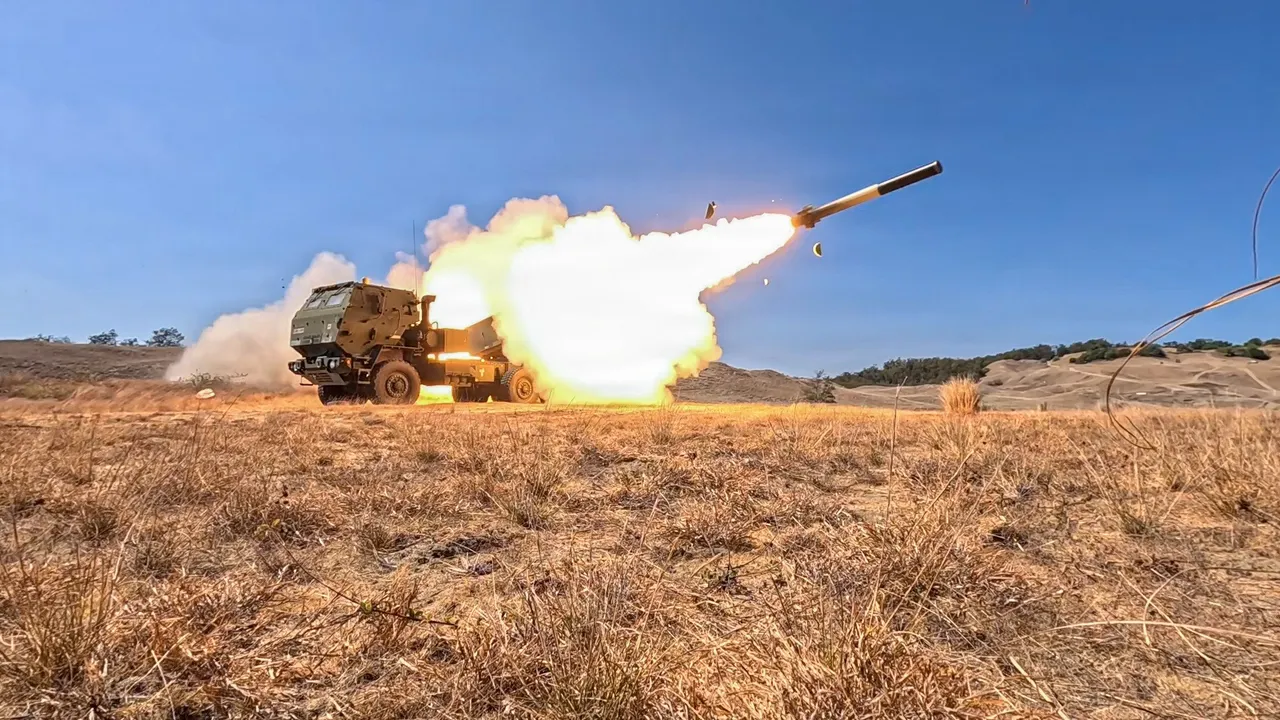
US Army's new warfighting guidance plans for a prolonged fight along the First Island Chain
The How the Army Fights guidance calls for pre-positioned stocks, hardened command posts and munition reserves inside the island chain to blunt China's A2/AD networks.
TaiwanDefence · 5h ago · 3 min read
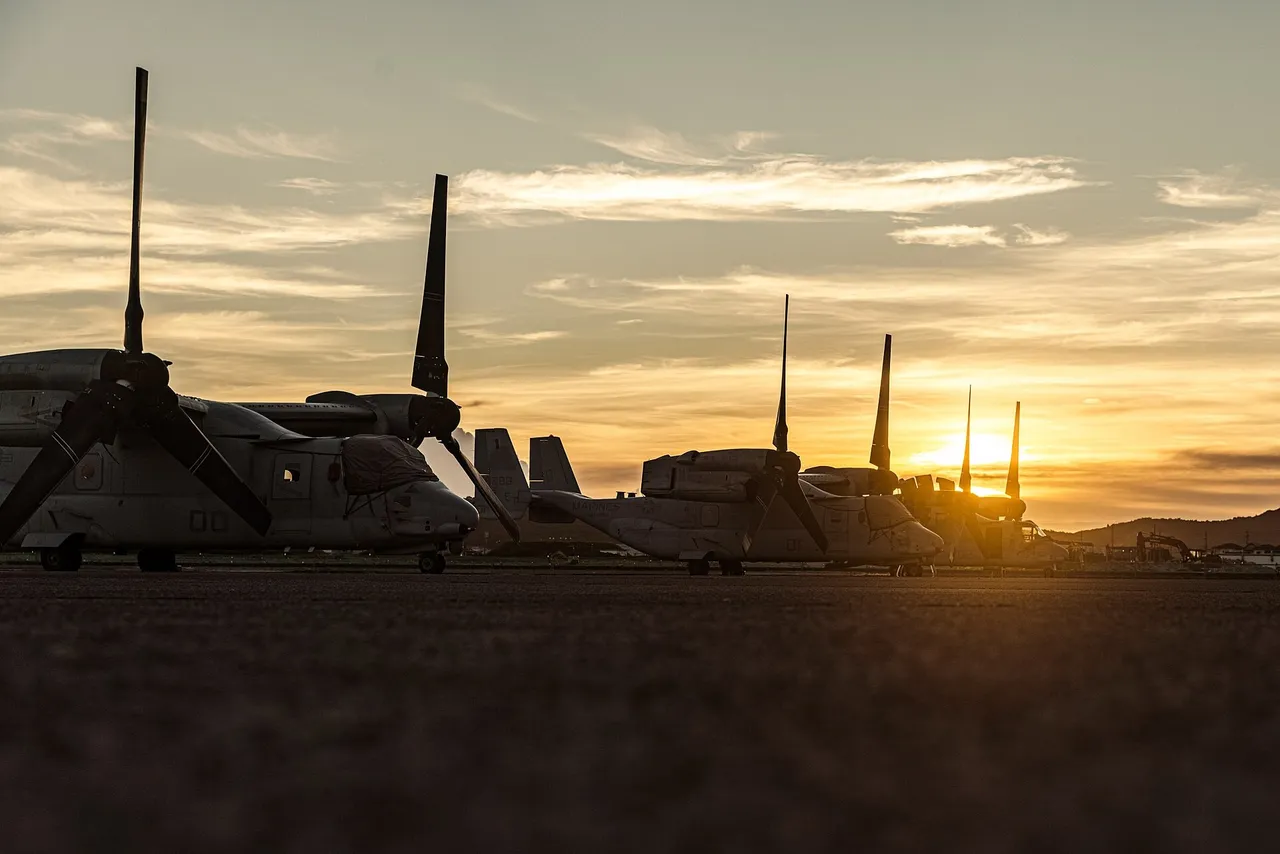
Kagoshima asks Tokyo to put a midnight curfew on 400 Marines lodging on Tanegashima
Ahead of Keen Sword 27, Governor Yasuichi Shio asked Japan's defence ministry on 16 October 2026 to press US forces for a midnight-to-5 a.m. outing ban matching Okinawa's restriction after a Marine arrest in Naha.
TaiwanDefence · 7h ago · 3 min read
Discussion (0)
Comments are not currently available.