
ANALYSIS
Taiwan's navy plans most of its 280 V-BAT drones as eyes for shore missile units, not warships
A 17 October 2026 report says 212 of the navy's 280 planned V-BATs will serve coastal missile units, making the buy a test of a radar-free kill chain.
TAIPEI —
This article is an original Taiwan Defence analysis based on the cited public sources. It distinguishes reported facts from analytical judgments and does not represent original field reporting.
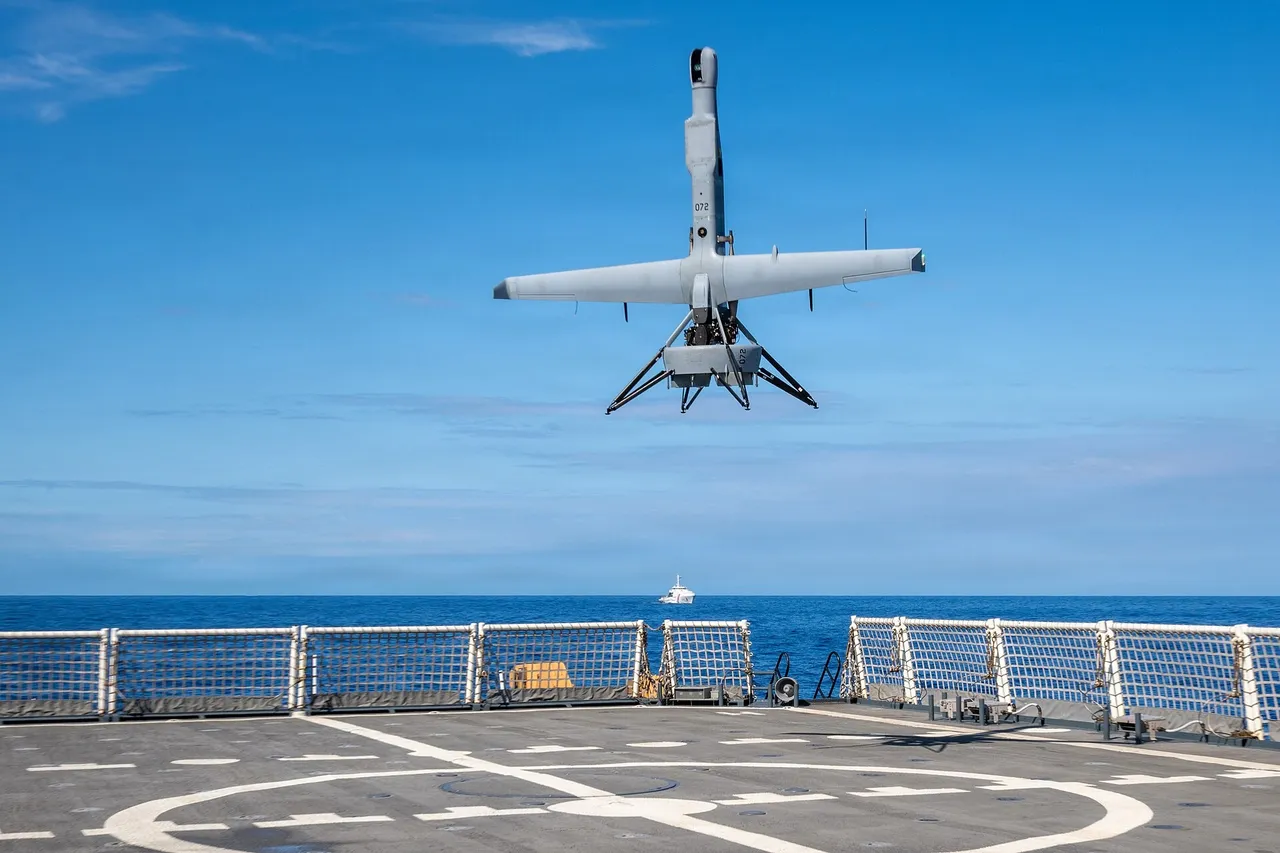
On 17 October 2026, the Liberty Times reported that Taiwan's navy plans to send 212 of the 280 V-BAT vertical take-off drones it intends to buy over four years to the Littoral Combat Command and to Hsiung Feng anti-ship missile vehicle units, with at most 68 going to major warships. The paper said the navy project, budgeted at NT$36 billion, also covers 140 control systems and 82 ground transport vehicles.
According to the same report, navy budget papers justify the buy by pointing to the threat of a PLA attempt to paralyse Taiwan's command and control. The drones need no runway, and the papers say they would let mobile missile teams keep spotting and marking targets even after radars are knocked out. The coast guard is separately buying 12 V-BATs for about NT$1.2 billion, bringing Taiwan's combined order to 292, which the paper said puts Taiwan among the two largest V-BAT buyers in the world.
The scale is unusual for this aircraft. The Liberty Times said the manufacturer had delivered roughly 250 V-BATs in total to US forces and NATO countries by the end of 2024, so the navy order alone would exceed the type's past global deliveries. It added that AIDC is expected to handle logistics, maintenance and training for the Taiwanese fleet of nearly 300 drones, and that the first coast guard aircraft arrived in October 2026 with the rest due over the coming months.
The allocation is the most telling part of the disclosure. A drone bought mainly for warships is a patrol and surveillance tool. A drone bought mainly for coastal missile batteries is a targeting tool. On the figures reported, the navy is treating the V-BAT less as a shipborne aircraft and more as an organic sensor for the shore-based anti-ship force that Taiwan expects to fire first against an invasion fleet.
The airframe itself is already in Taiwanese service in a different role. The coast guard showed its first V-BATs at the Port of Taipei on 7 October to Ocean Affairs Council Minister Kuan Bi-ling and National Security Council Secretary General Joseph Wu, and will fly them from ships for maritime domain awareness, patrols and law enforcement, Marine Insight reported. Shield AI will train coast guard operators and maintainers and build a local support system with the Aerospace Industrial Development Corporation. The company describes the aircraft as a ducted-fan, heavy-fuel drone with more than 12 hours of endurance designed for contested electronic warfare conditions.
The navy purchase is not yet settled in the way the coast guard buy is. Shield AI president Brandon Tseng said on 2 October that the company would bid for a planned navy purchase of vertical take-off drones listed in the defence ministry's 2027 budget proposal, The Storm Media reported, and that he could say little about the navy requirement. Tseng said Taiwanese suppliers now provide 16 percent of the V-BAT's hardware parts and that the company aims for 25 percent, with AIDC providing support, maintenance and training in Taiwan.
Several constraints stand between the budget line and a working kill chain. The navy item still has to pass a legislature that has repeatedly reshaped drone spending, and the vendor is not formally chosen. The combat record both reports cite comes largely from the manufacturer, including flights under heavy jamming in Ukraine, so it should be treated as a company claim rather than independent proof. Most of all, 212 drones only help shore batteries if crews, datalinks and maintenance keep pace with deliveries.
Three things would change this picture. A cut or delay in the 2027 navy budget would push the coastal targeting layer into the next decade. A different winning bidder would change the training and support plan built around AIDC. And if the Littoral Combat Command receives fewer than the 212 airframes now planned, the programme would drift back towards a conventional shipborne patrol buy.
Why it matters: Taiwan's anti-invasion plan leans heavily on mobile Hsiung Feng launchers hidden along the coast, and those launchers are only as useful as the targeting data they receive. Fixed radars are obvious early targets. If the reported allocation holds, the V-BAT buy is the navy's attempt to give its shore missile force eyes of its own, and its progress in 2027 will show whether that idea survives budget politics.
Sources
More in Analysis
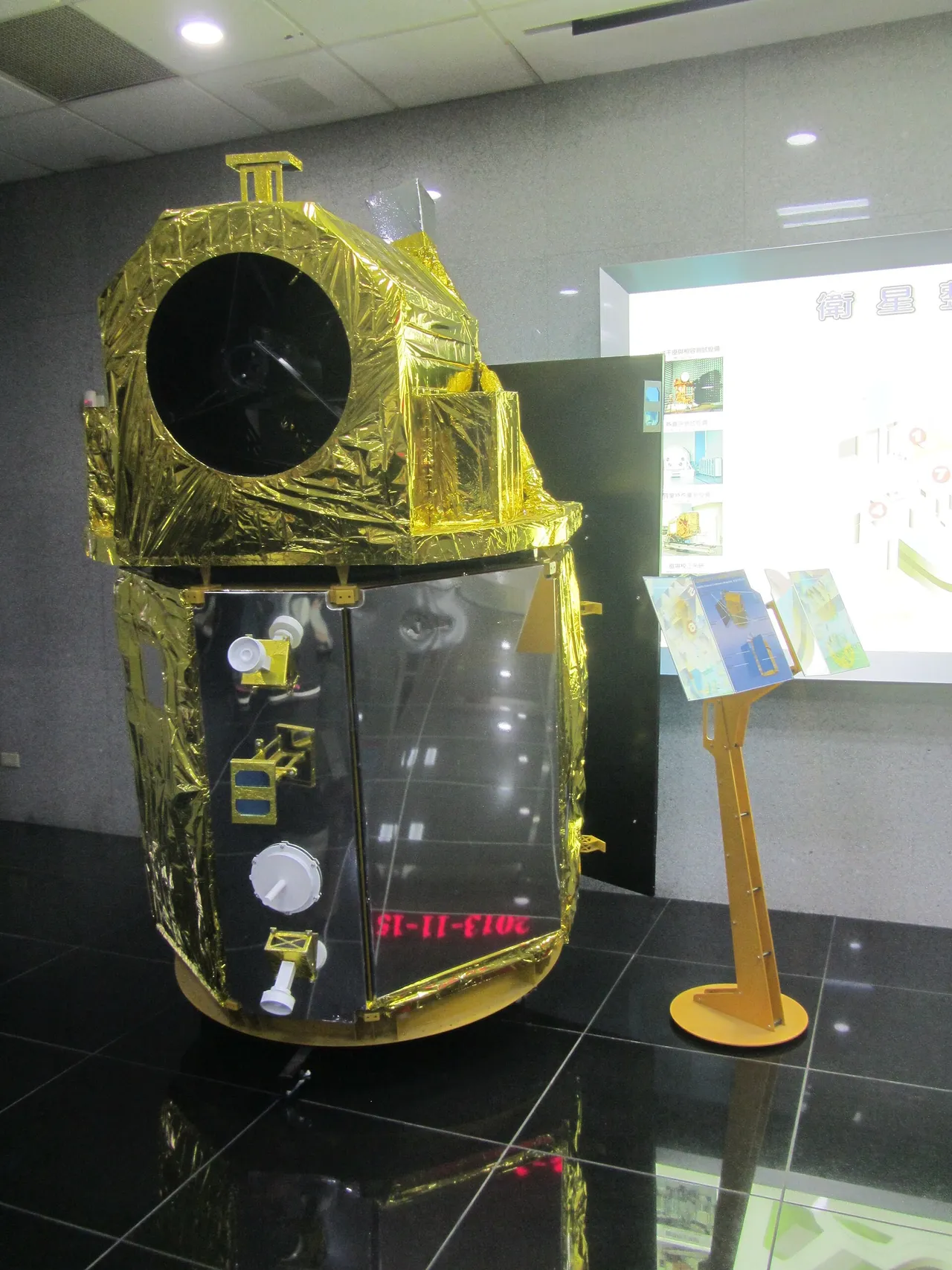
Formosat-8B is less a space PR moment than an ISR independence test
TASA says the second Formosat-8 bird ships to the US by year-end for a Q1 2027 SpaceX launch, just as Taiwan's signals office is still buying AI to mine foreign commercial satellite pictures for PLA hardware.
TaiwanDefence · 21h ago · 4 min read
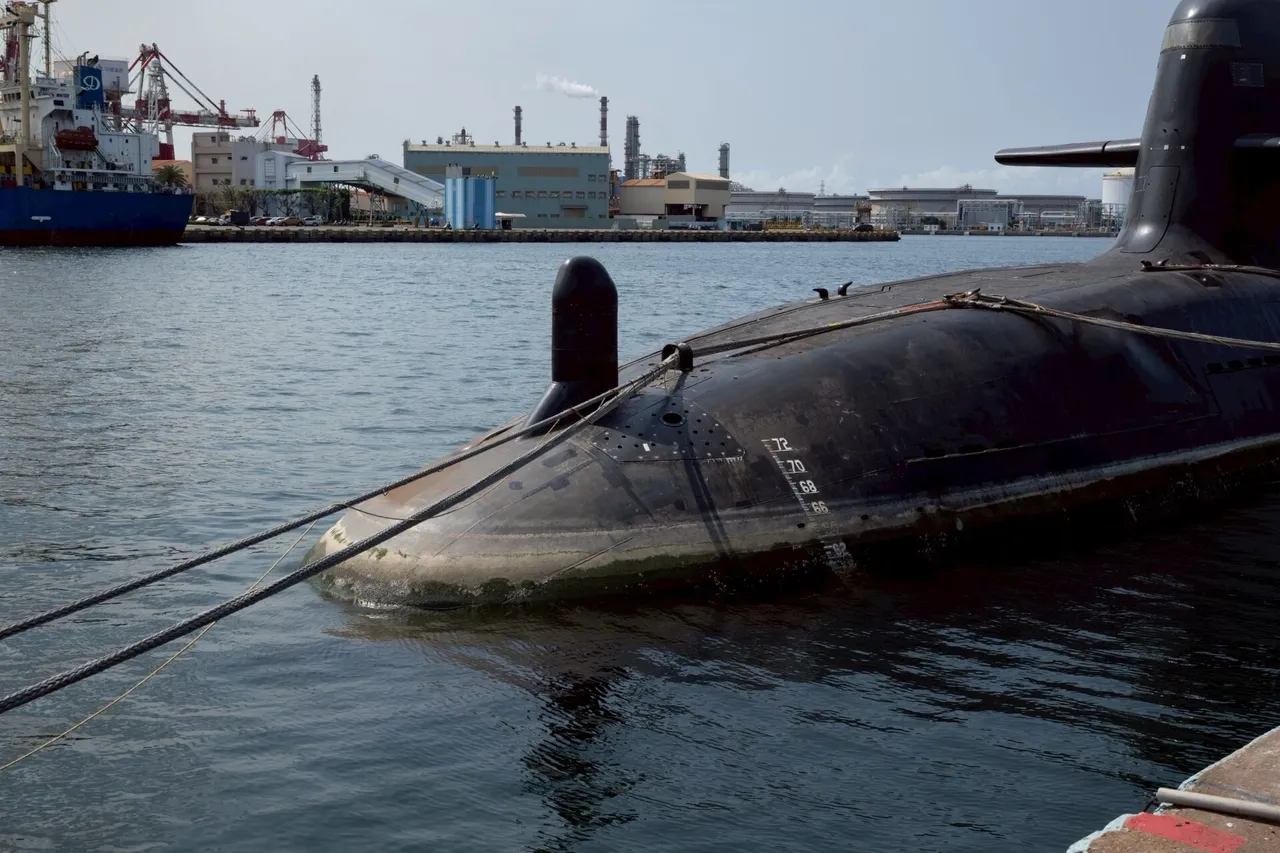
Hai Kun's deep dive is not the hard part — funding the next seven boats is
On 16 October 2026 Liberty Times relayed experts arguing the prototype will likely pass deep tests while Legislative Yuan politics threaten the follow-on class.
TaiwanDefence · 1d ago · 3 min read
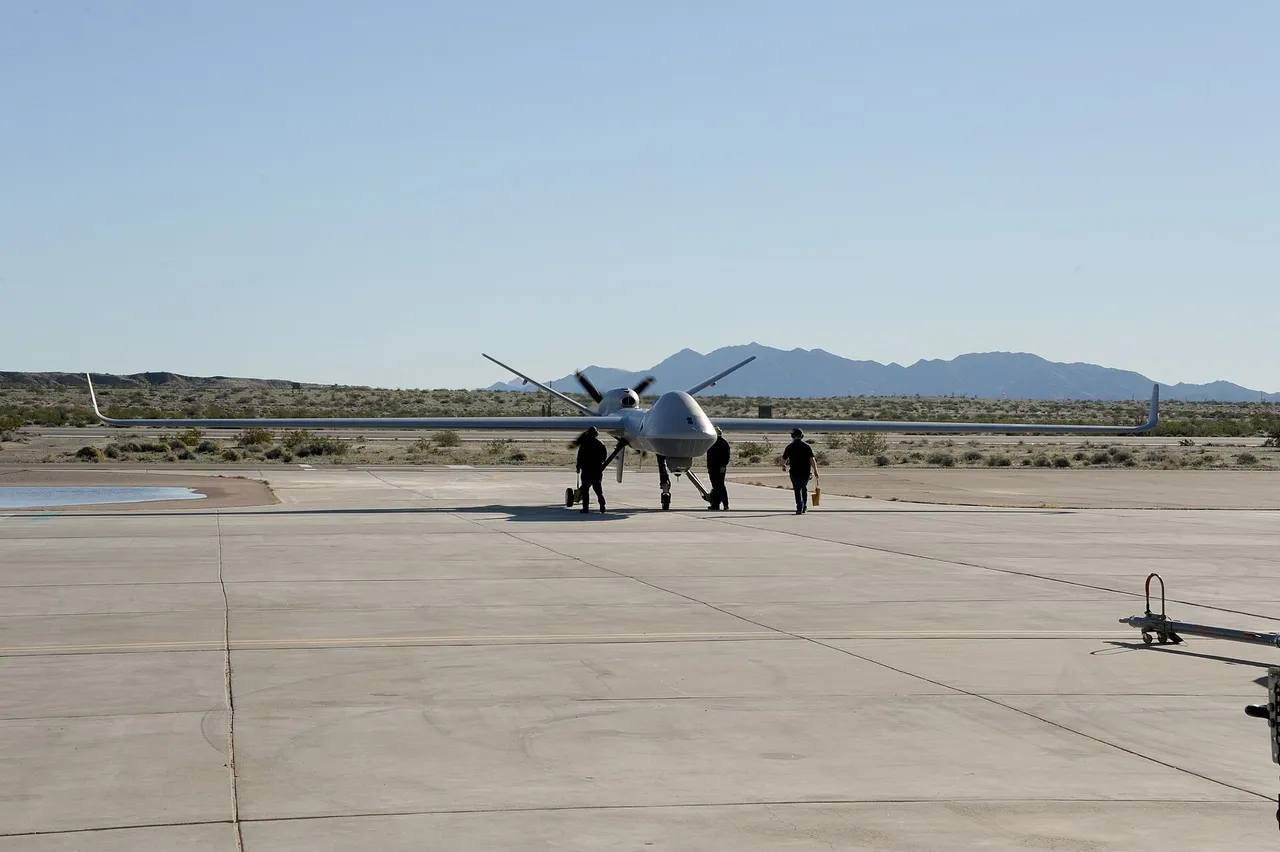
Taiwan's new MQ-9Bs will only stay airborne if US logistics stay open through 2029
A 15 October 2026 Pentagon disclosure of a $38.8m General Atomics sustainment contract, weeks after Hualien first flights, locks Taiwan's east-coast ISR endurance to a single US supply chain.
TaiwanDefence · 1d ago · 3 min read
Discussion (0)
Comments are not currently available.