
ANALYSIS
Formosat-8B is less a space PR moment than an ISR independence test
TASA says the second Formosat-8 bird ships to the US by year-end for a Q1 2027 SpaceX launch, just as Taiwan's signals office is still buying AI to mine foreign commercial satellite pictures for PLA hardware.
TAIPEI —
This article is an original Taiwan Defence analysis based on the cited public sources. It distinguishes reported facts from analytical judgments and does not represent original field reporting.
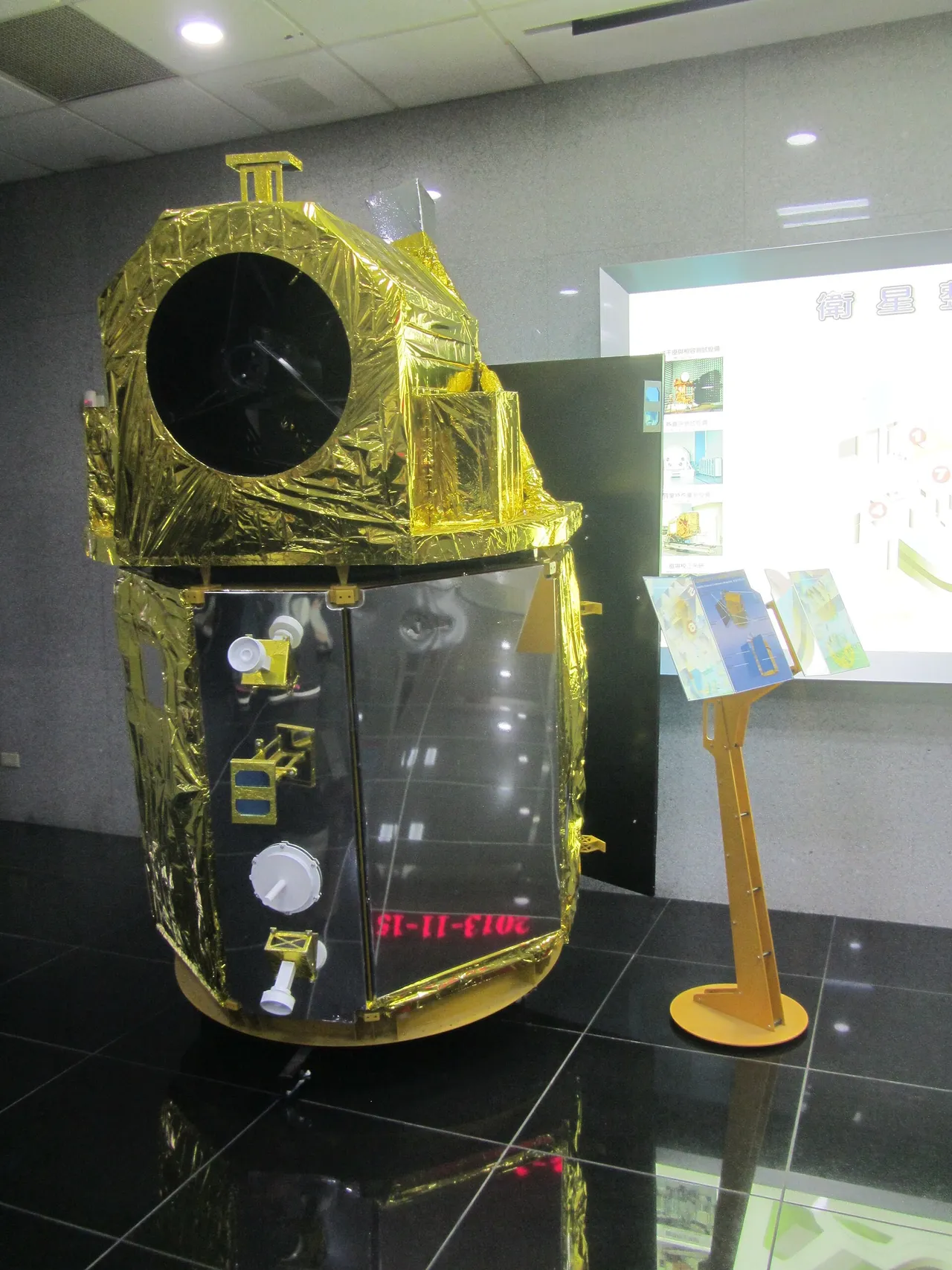
On Wednesday, 15 October 2026, the Taiwan Space Agency said Formosat-8B has finished assembly and environmental testing, should clear a pre-shipment review by late November, and is booked for a SpaceX launch in the first quarter of 2027 after shipping to the United States by year-end. That schedule lands while Taiwan's most secretive military intelligence office is still paying for AI tools to scour foreign commercial satellite pictures for Chinese warships, aircraft and missile trucks.
The timing is the story. Formosat-8 is marketed as a civil optical constellation for land monitoring and disaster response, yet TASA director-general Wu Jong-shinn also casts it as part of national security, describing satellites as eyes over Taiwan. The second bird is therefore a test of whether indigenous revisit can start replacing rented foreign imagery in the defence cueing chain, or whether Taiwan will keep buying commercial pictures because its own fleet remains too thin.
What FS-8B actually adds
Formosat-8 is Taiwan's first domestically developed optical remote-sensing constellation aimed at sub-metre imagery. The plan is eight satellites: six at about one-metre native resolution and two finer. The fleet is supposed to be complete by 2031, with a goal of imaging the same place up to three times a day from about 561 kilometres. FS-8A, the Chi Po-lin Satellite, launched on 29 November 2025 and has already released imagery that TASA says beats original design goals, including frames that resolve a stele on Yushan and building textures in Taipei.
FS-8A was built with about 84 percent domestic key components after earlier Formosat-5 problems. Wu Jong-shinn said the first satellite took roughly a year and a half to assemble and that later birds should get faster with more automation and industry partners. In July TASA signed international distribution deals with Interactive Digital Technologies, National Central University's Center for Space and Remote Sensing Research, and ThinkTron, and Interactive Digital booked a first order the same month.
The defence gap Formosat is supposed to narrow
Liberty Times reported on 13 October 2026 that the Ministry of National Defense's Telecommunications Development Office, the signals and imagery intelligence hub that supplies a large share of Chinese military warning to the armed forces, has contracted a satellite-image AI automatic recognition system for about NT$46.55 million, due for delivery and acceptance by the end of April 2027. Senior officials said the system can, within minutes, flag ships, aircraft, missile launchers and radar vehicles larger than about 10 metres across a 10-by-10-kilometre satellite frame, and can do so across several frames in one pass.
The same report stated that Taiwan has long been stronger at signals intercept than at organic imagery intelligence because it lacked military reconnaissance satellites. The Telecommunications Development Office rents international commercial satellite capacity, buys high-resolution pictures, and holds privileges for timely image receipt so it can cross-check signals intelligence. The AI buy is meant to turn those foreign pictures into faster military cueing. That is a frank admission that defence ISR still rides on commercial foreign pixels even as TASA celebrates indigenous Formosat imagery.
Civil constellation, military temptation
National Science and Technology Council minister Wu Cheng-wen, at the Eyes Over Formosa documentary screening, said Taiwan has closed much of the gap with leading space programmes and will keep pushing weather and low-Earth-orbit communications satellites, with NASA cooperation possibly extending to lunar work. Those lines of effort are industrial and scientific. They do not by themselves give the Telecommunications Development Office a dedicated military imaging constellation under military tasking and security rules.
Wu Jong-shinn's dual framing — national security plus space industry — is therefore both honest and incomplete. Formosat-8 can feed disaster agencies and commercial distributors while also offering defence users another imagery source. But civil tasking, civilian release culture, and the need to keep selling images abroad sit awkwardly beside the classification and revisit demands of wartime ISR. A constellation designed to photograph Taiwan three times a day is not automatically a constellation that can stare at Chinese ports, airfields and missile brigades on a military timeline.
What success would look like by 2027
If FS-8B reaches orbit on schedule in early 2027, Taiwan will have two indigenous optical birds on station just as the signals office's new AI imagery tool is supposed to finish acceptance. The useful test is not whether TASA can publish pretty pictures of Taipei 101. It is whether defence users can task, receive and fuse Formosat frames fast enough that the rented foreign commercial feed becomes a backup rather than the main optical path for PLA activity warning.
Failure modes are already visible. Launch slips would leave the AI tool chewing foreign pictures for longer. Even on-orbit success could leave Formosat under-used by the military if security, bandwidth or tasking rules keep the best frames inside civilian channels. And a dual-use constellation that sells imagery globally will face the same scrutiny every Taiwanese defence-adjacent technology now faces: how much of the stack is free of Chinese parts, and who else can see what Taiwan sees.
Formosat-8B's shipment to SpaceX is therefore best read as an ISR independence milestone wrapped in a space-industry press day. Taiwan is finally building the optical birds it said it needed after years of renting foreign eyes. The open question for 2027 is whether those birds will actually feed the Telecommunications Development Office's warning machine, or whether the island will still be buying someone else's pictures to find Chinese ships.
Sources
More in Analysis
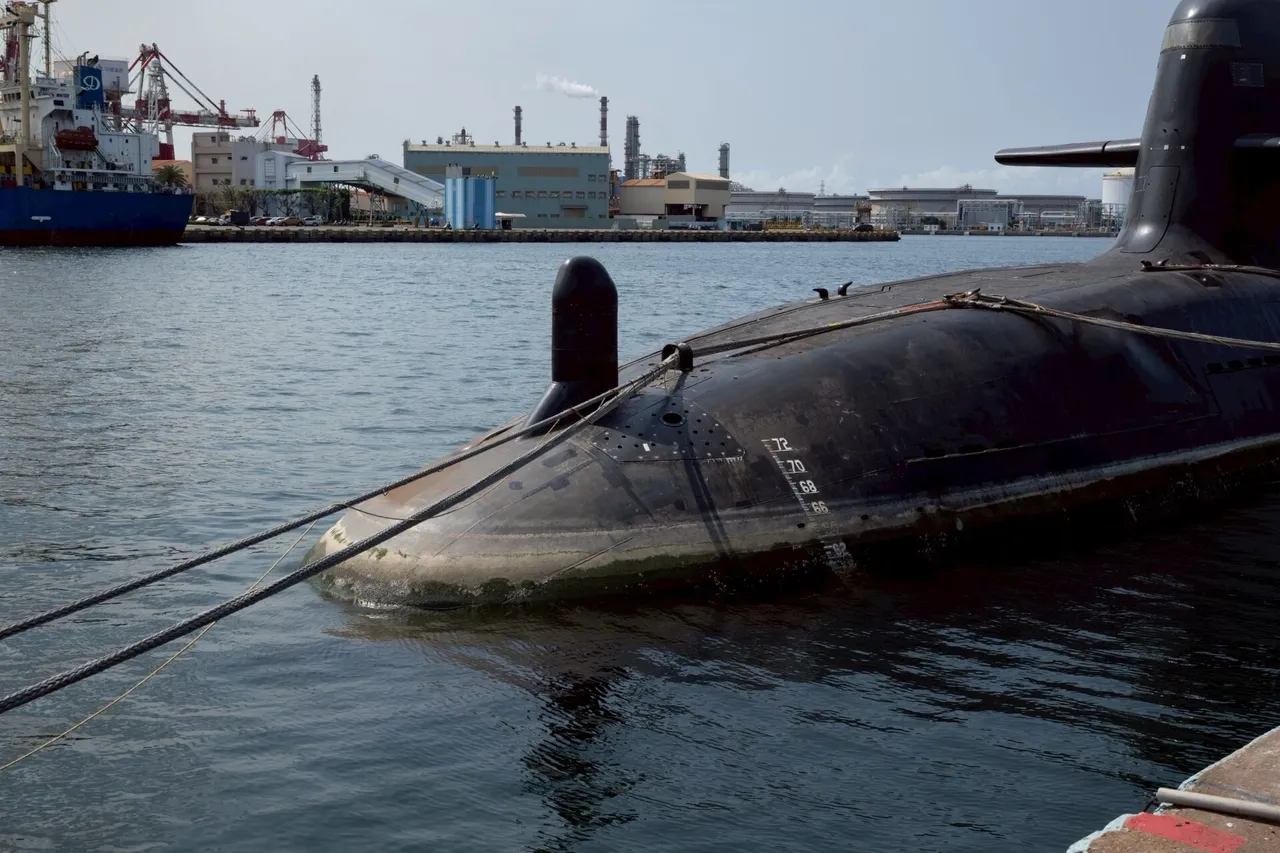
Hai Kun's deep dive is not the hard part — funding the next seven boats is
On 16 October 2026 Liberty Times relayed experts arguing the prototype will likely pass deep tests while Legislative Yuan politics threaten the follow-on class.
TaiwanDefence · 8h ago · 3 min read
Taiwan's new MQ-9Bs will only stay airborne if US logistics stay open through 2029
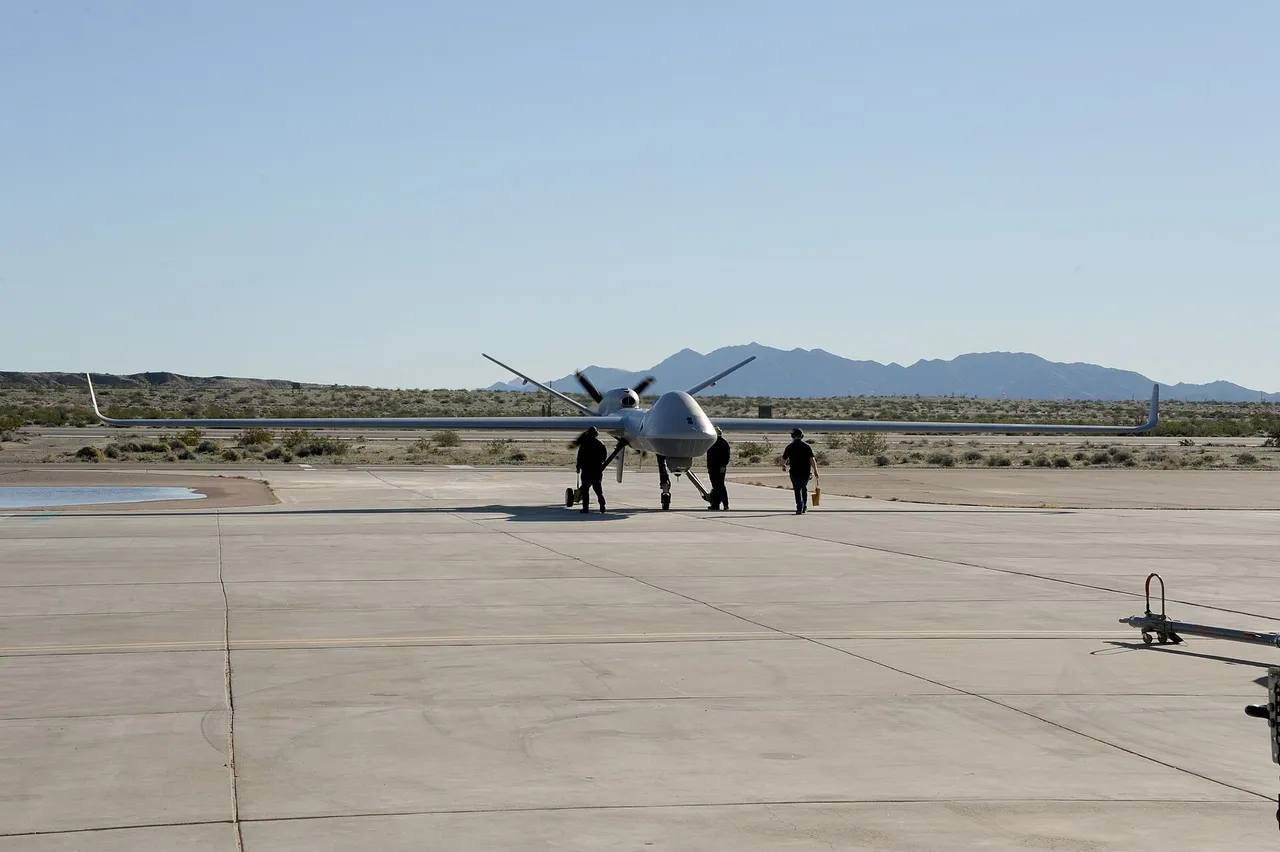
A 15 October 2026 Pentagon disclosure of a $38.8m General Atomics sustainment contract, weeks after Hualien first flights, locks Taiwan's east-coast ISR endurance to a single US supply chain.
TaiwanDefence · 10h ago · 3 min read
Quieter PLA tallies can still mean total median-line pressure before Keen Sword
Taiwan's 16 October 2026 update showed eight PLA aircraft sorties and eight median-line crossings, the same week Japan scrambled fighters after Liaoning flight operations south of Ishigaki.
TaiwanDefence · 11h ago · 4 min read
Discussion (0)
Comments are not currently available.