
ANALYSIS
Quieter PLA tallies can still mean total median-line pressure before Keen Sword
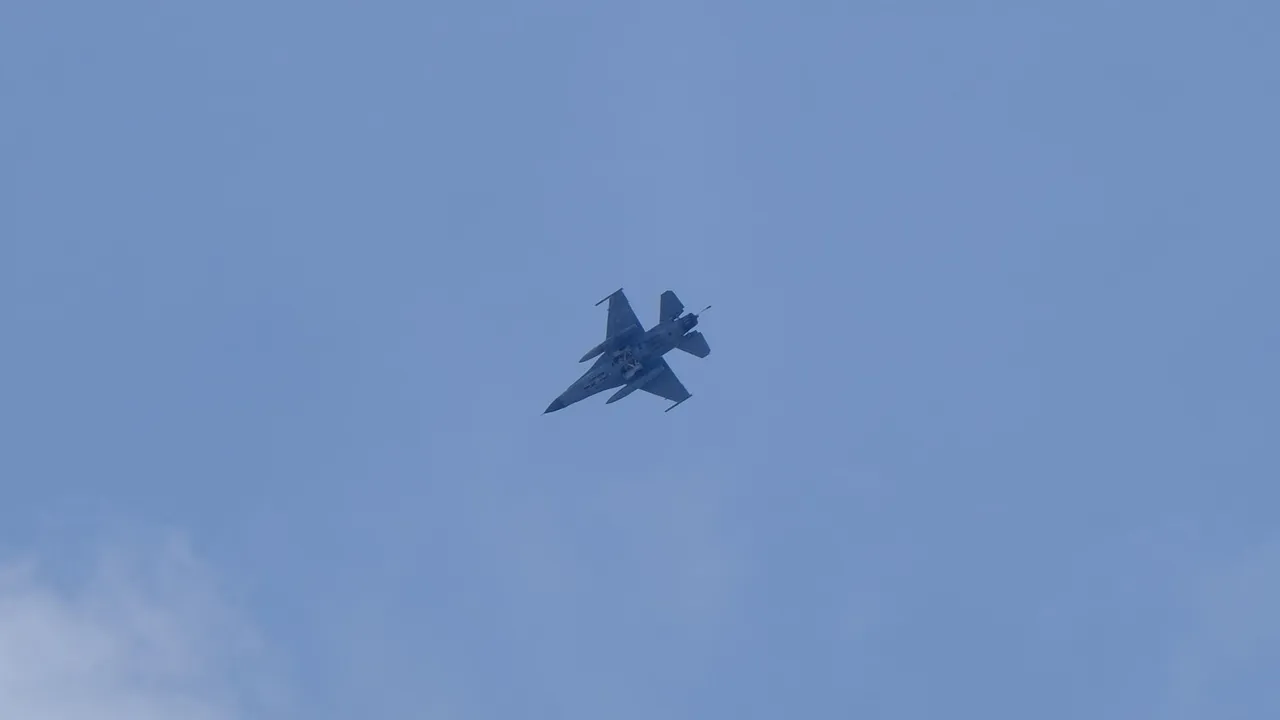
Taiwan's 16 October 2026 update showed eight PLA aircraft sorties and eight median-line crossings, the same week Japan scrambled fighters after Liaoning flight operations south of Ishigaki.
TAIPEI —
This article is an original Taiwan Defence analysis based on the cited public sources. It distinguishes reported facts from analytical judgments and does not represent original field reporting.
Taiwan's Ministry of National Defense reported on 16 October 2026 that eight People's Liberation Army aircraft sorties, nine PLA Navy ships and seven official ships operated around Taiwan between 6 a.m. on 15 October and 6 a.m. on 16 October Taipei time. All eight aircraft sorties crossed the Taiwan Strait median line and entered Taiwan's northern and southwestern air defence identification zones, the ministry said, and the armed forces responded with combat air patrol aircraft, navy ships and coastal missile systems.
The same week, Japan's Joint Staff tracked the PLA Navy carrier Liaoning as it passed between Okinawa's main island and Miyako Island, then conducted takeoffs and landings about 250 kilometres south of Ishigaki Island inside Japan's exclusive economic zone. Japan scrambled Air Self-Defense Force fighters and dispatched the destroyer JS Yugiri plus patrol aircraft, Stars and Stripes, Jiji and Kyodo reported on 14-15 October 2026.
China's navy described the Liaoning group's western Pacific activity as annual routine training not directed at any country. Japanese and Taiwanese public reporting treated the carrier package and the daily ADIZ tallies as parts of the same pressure season: presence operations that stay below armed conflict while testing reaction times and messaging discipline.
Friday's package was quieter than many recent Taiwan tallies in aircraft volume, yet more absolute in crossing behaviour: every tracked sortie crossed the median line, and only northern and southwestern sectors were named. Intensity and breadth moved in opposite directions on the same night.
That split is the analytical point for Taiwan's grey-zone picture in mid-October 2026. Raw sortie counts remain the metric most outlets reprint, yet the PLA can lower the count while keeping a 100 percent median-line crossing rate on the corridors Taipei must police first. At the same time, a carrier conducting flight operations inside Japan's EEZ south of Ishigaki pulls Japanese fighters into the northern approaches just days before Keen Sword 27, scheduled for 19-29 October.
Taiwan's peak-season warning earlier in the week already told the public that November and December are historically denser for large PLA drills, and that cognitive warfare messaging often travels with the ships and aircraft. A low-count ADIZ day does not cancel that seasonal risk. It shows how Beijing can vary instruments: local median-line normalisation one night, carrier flight ops near Ishigaki another, propaganda about routine training throughout.
For allied calendars the compression is practical. Keen Sword will put tens of thousands of Japanese personnel and U.S. forces into island-chain rehearsals while Taiwan watches whether a large PLA encirclement-style exercise returns after yearly iterations from 2022 through 2025. In that window, Japan's scramble for Liaoning flight ops and Taiwan's all-crossing ADIZ night are not separate weather reports. They are adjacent sensors on the same coercive weather system.
Operationally, Taiwan's published response language stayed constant: monitor and employ CAP aircraft, navy vessels and coastal missiles. Constancy is a signal that the response threshold does not float with a few sorties. It also means public readers need better secondary metrics. Crossing share, ADIZ sectors entered, and whether carrier aviation is active east of Taiwan or south of the Ryukyus say more about demand on Taiwanese and Japanese forces than a headline number alone.
The policy implication is modest and testable. Keep the daily table, but lead with crossing rate and sector pattern when they diverge from volume, and pair Taiwan's overnight tallies with Japanese Joint Staff carrier updates in the same publishing cycle. On 16 October 2026 that would have read as eight aircraft, eight median-line crossings, northern and southwestern ADIZ only, alongside a Liaoning package that had already drawn Japanese fighters south of Ishigaki. That combined frame matches how the PLA appears to be pacing pressure before peak season and Keen Sword.
None of this proves a large exercise is imminent. It does show that mid-October 2026 already couples total median-line penetration on a quieter Taiwan tally with Japanese fighter scrambles against carrier aviation in Japan's EEZ. Analysts who wait for a 40-sortie day will miss the calibrated week that is already under way.
Editors should also resist collapsing the Liaoning story into a single Taiwan tracking line. Japanese fighter scrambles, EEZ flight operations and destroyer shadowing are Japanese facts with direct bearing on Taiwan's northern approaches. Publishing them beside Taiwan's overnight ADIZ table, rather than as a separate carrier travelogue, is how an analysis desk shows calibrated pressure instead of disconnected incidents.
Stars and Stripes noted that Keen Sword is due to involve about 45,000 Japanese personnel plus U.S. forces from across the Pacific commands, with Canada, France, Germany, the Netherlands and the Philippines also expected to take part. That allied footprint is the backdrop against which Japanese fighters scrambled for Liaoning flight operations south of Ishigaki this week.
Sources
More in Analysis
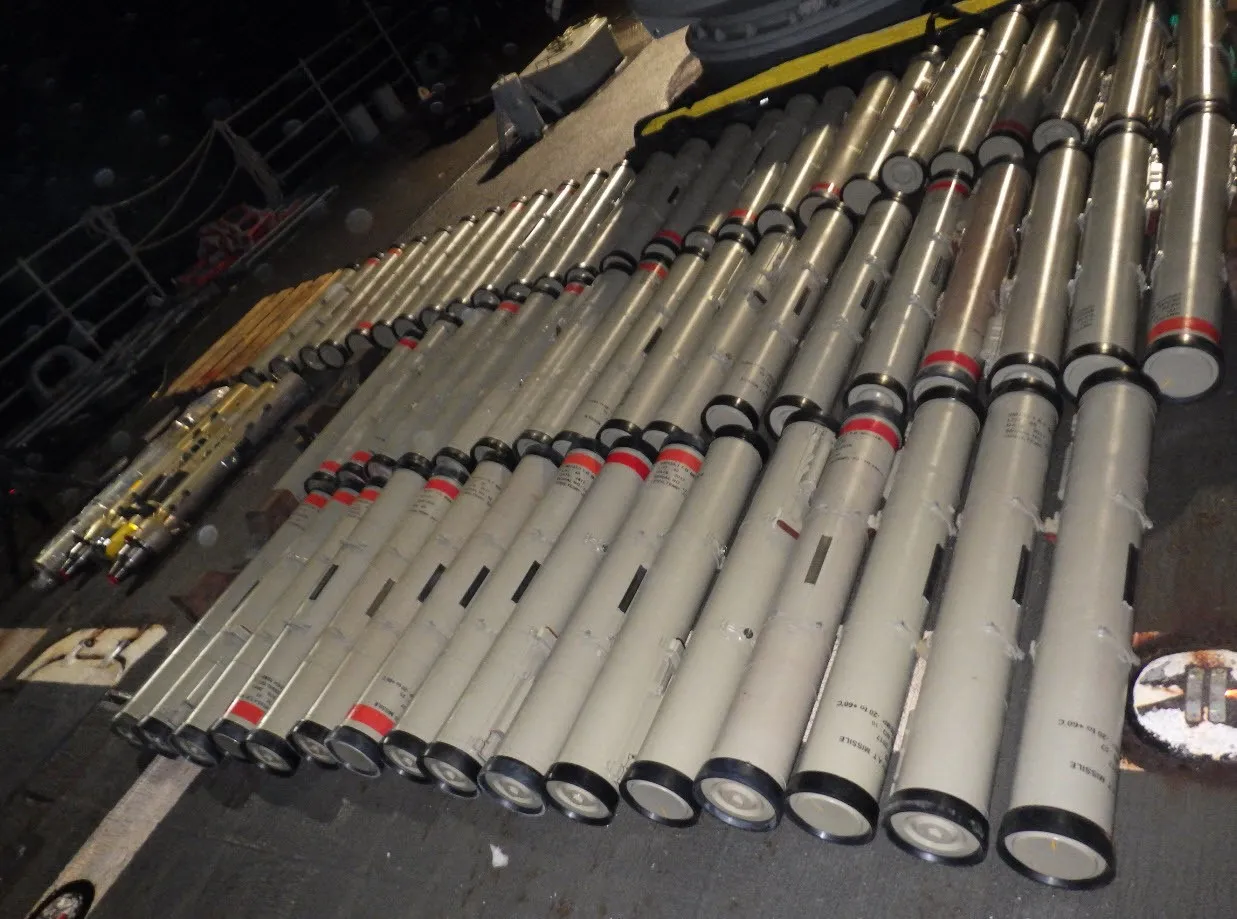
A Houthi missile built from Chinese parts shows the supply-chain fight Taiwan is in too
On 14 October 2026 a report traced Houthi missile parts to a Chinese machine shop, a warning for Taiwan's push to build China-free drones.
TaiwanDefence · 1d ago · 3 min read
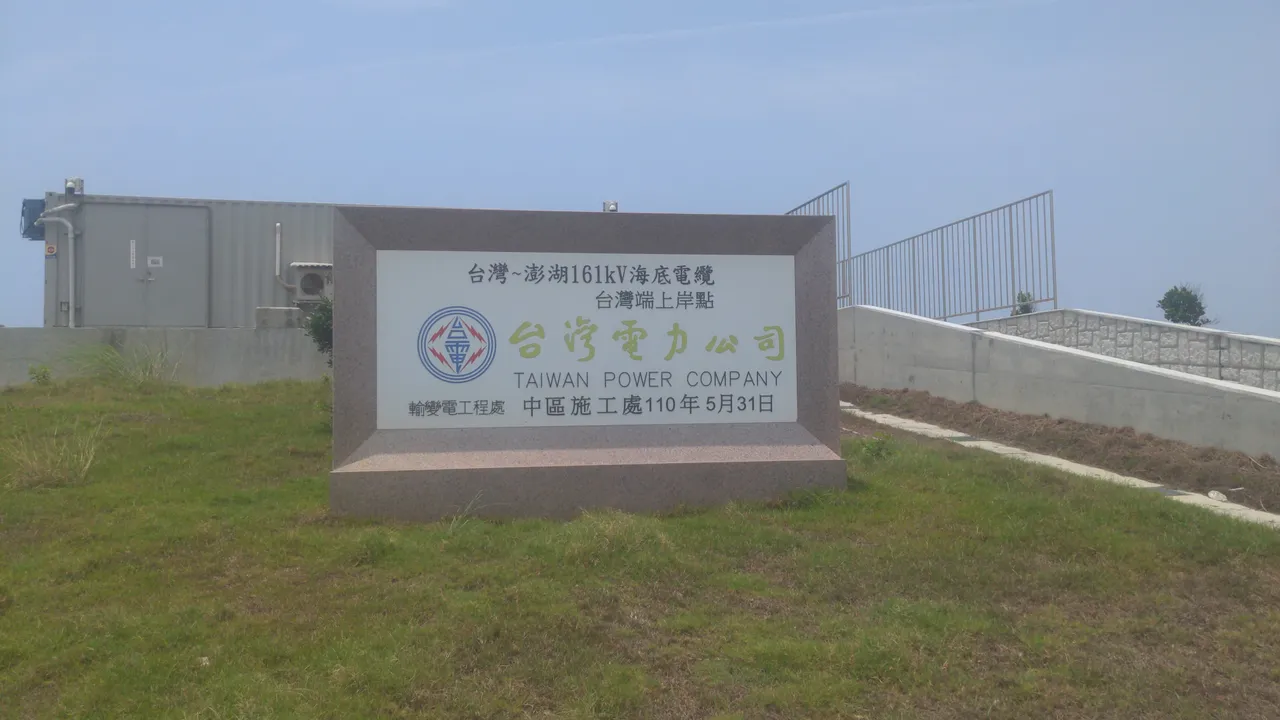
FDD Taiwan wargame shows China can coerce without invading via cyber and cables
A late-September 2026 FDD communications tabletop briefed to President Lai finds Beijing can grind resilience via cyber, cables and power without invading — while US civil agencies lack a budgeted rehearsal process.
TaiwanDefence · 1d ago · 4 min read
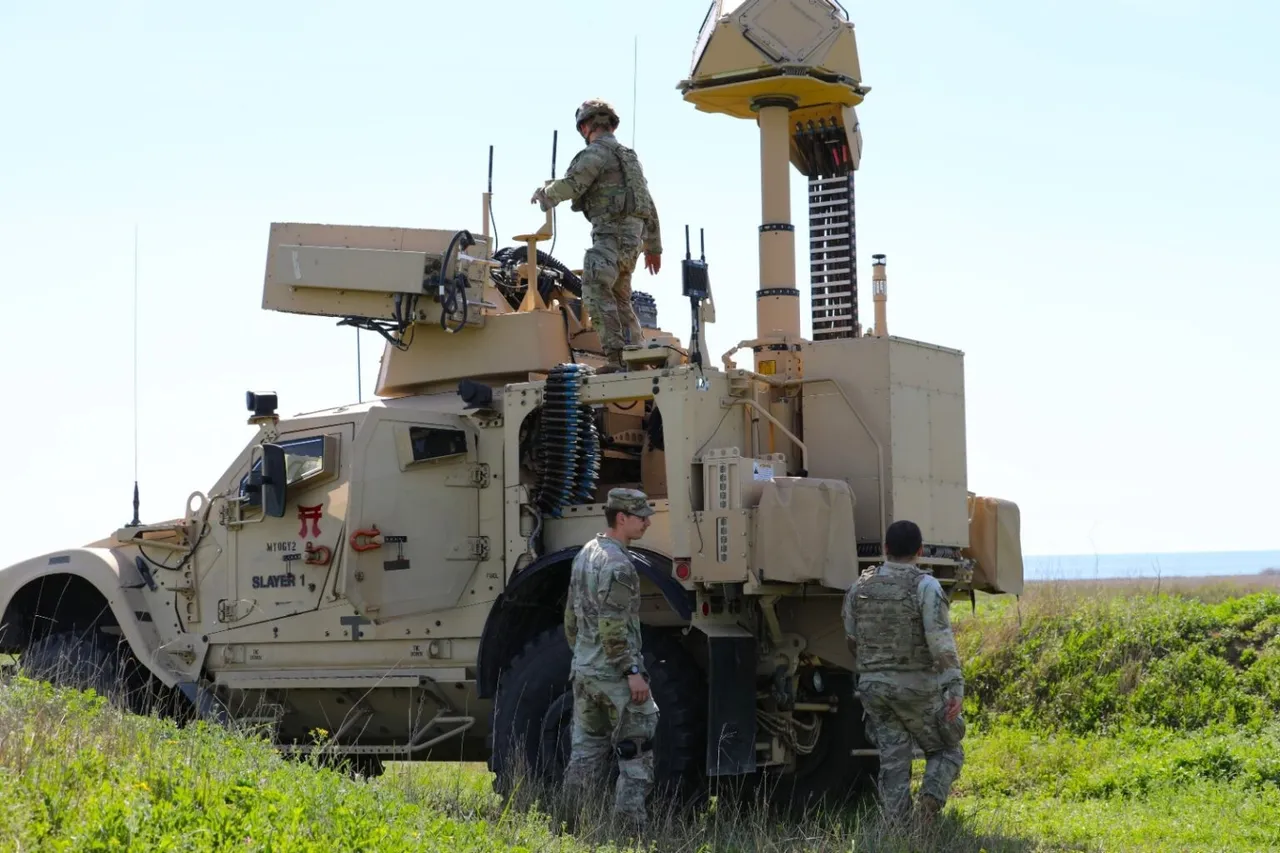
Taiwan already sits in the US Army drone marketplace Japan just joined
As of October 2026, Taipei is among 29 partners on the Army UAS and Counter-UAS marketplaces, a days-not-months path past China-tainted drone suppliers.
TaiwanDefence · 2d ago · 4 min read
Discussion (0)
Comments are not currently available.