
ANALYSIS
A Houthi missile built from Chinese parts shows the supply-chain fight Taiwan is in too
On 14 October 2026 a report traced Houthi missile parts to a Chinese machine shop, a warning for Taiwan's push to build China-free drones.
TAIPEI —
This article is an original Taiwan Defence analysis based on the cited public sources. It distinguishes reported facts from analytical judgments and does not represent original field reporting.
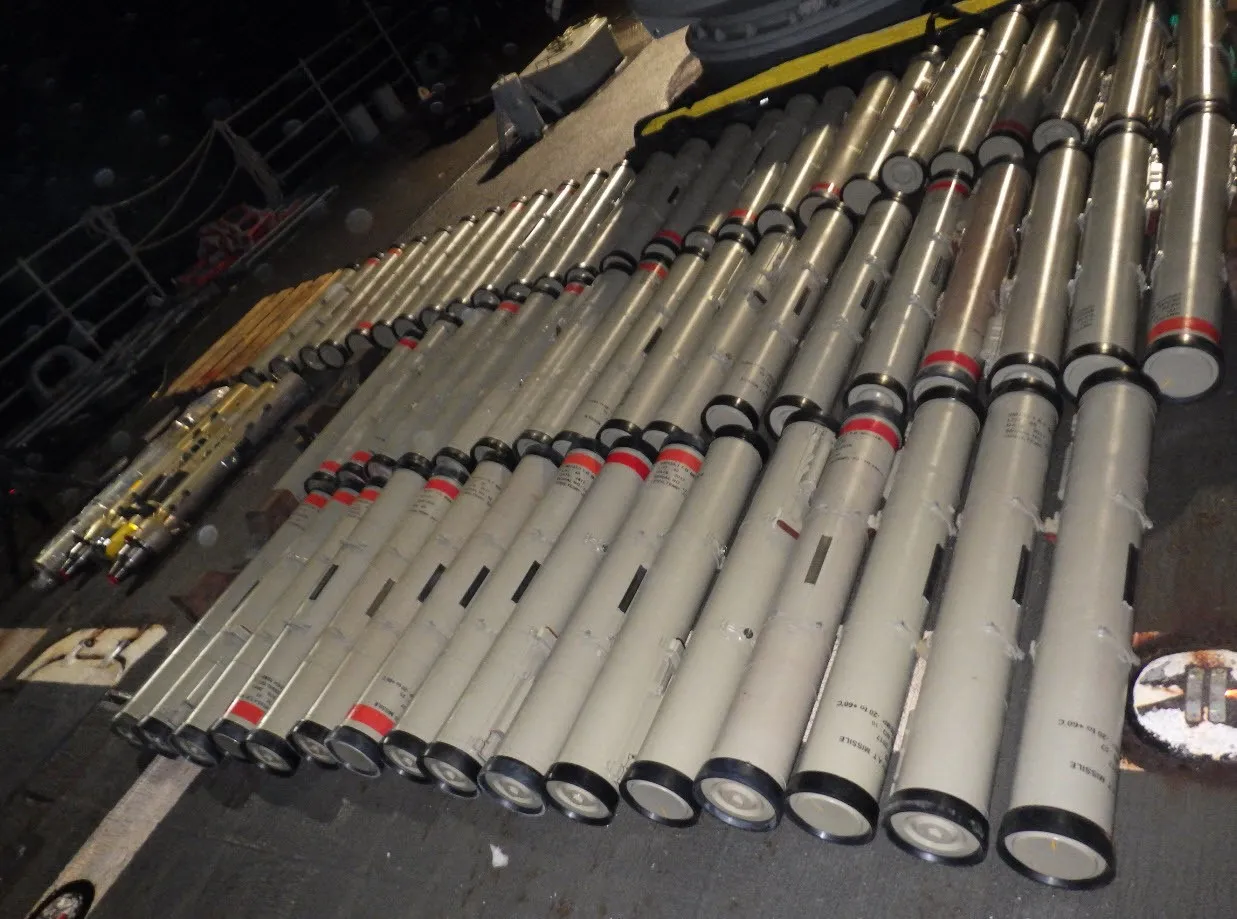
On 14 October 2026, The Wall Street Journal reported that Yemen's Houthi movement is trying to build its own version of Iran's Kheibar Shekan medium-range ballistic missile with components shipped from a Chinese supplier. The finding comes from a report by Conflict Armament Research, a UK-based group that traces weapons in conflict zones back through their supply chains, and was picked up the same day by The Jerusalem Post and Taiwan's Liberty Times.
According to the reports, Yemeni authorities intercepted two shipments in 2025 with missile equipment hidden among other goods and passed the information to the researchers in July. The seized items included custom-made metal parts for the motor and airframe, stabilising fins, solid-propellant rocket motor components, tools and testing equipment, and ablative material that protects a ballistic missile from the heat of flight. The Jerusalem Post said a finished missile would have a range of about 1,200 miles, enough to reach all of Saudi Arabia and Israel.
The Liberty Times said shipping documents in the report point to a Chinese precision-metal company that markets itself as a maker of custom aerospace parts, and that the report does not name it. Some of the items have civilian uses, but others were designed specifically for missiles. China says it complies with the UN arms embargo on the Houthis. The research group had already recorded custom-machined parts linked to the shorter-range Sadr missile in late 2024, but could not then confirm where they came from.
Why this missile matters
Iran first showed the Kheibar Shekan in 2022. The Liberty Times described it as a solid-fuel, road-mobile, precision-guided missile, with some versions able to detach the warhead section late in flight and steer it with a small motor, which makes interception harder. Fabian Hinz, a senior analyst at the research group, told the Journal that imports of this kind could mean the Houthis are already manufacturing the missile or are still trying and failing, and that their well-camouflaged facilities make progress hard to judge.
The Liberty Times also cited Mohammed al-Basha of the Washington consultancy Basha Report, who said the Houthis long relied on Iran and Hezbollah for missiles they then assembled, but have been building local production and widening their smuggling and procurement networks. The Journal, citing UN reports and arms experts, said Chinese companies are the largest source of seized shipments bound for the group, and several US-sanctioned suppliers of Houthi drone parts are based in China.
A supply web that also touches Taiwan
The new case fits a pattern the same researchers documented earlier. In a study of more than 800 missile and drone components recovered from a June 2025 seizure in the Red Sea, Conflict Armament Research found parts bearing the marks of companies headquartered in at least 16 countries and territories, including China, Japan, South Korea, the United States and Taiwan. For one Houthi anti-ship cruise missile, at least 94 of 98 identified components were made outside Iran. The Wall Street Journal report shows the trend moving from off-the-shelf electronics towards machined missile structures.
That distinction matters. A brand mark does not show who exported a part or whether any law was broken; commercial chips and sensors travel through distributors and resellers long before they reach a smuggler. But a missile airframe and motor case cut to order is a different product. If a Chinese aerospace machine shop can supply those to an embargoed group, export controls aimed only at sensitive electronics are watching the wrong end of the chain.
Taiwan has its own stake. The same day, Taiwanese outlets reported that US defence startups are pouring into Taiwan to co-produce drones and uncrewed boats in a supply chain free of Chinese parts, and that Anduril already holds Taiwan drone contracts worth more than US$1 billion. Taiwan pledged in August to spend more than US$7 billion on drones over six years. Taipei is selling itself as the trusted factory in that effort. The Houthi trail shows what buyers will expect in return: proof that Taiwanese-made components are tracked after sale, not only that Chinese ones are kept out.
What to watch
The open questions are whether the Chinese supplier is named and sanctioned, whether Beijing acts against it under the UN embargo it says it observes, and whether investigators find finished Houthi-built Kheibar Shekan missiles in use. For Taiwan, the signal to watch is whether its drone and component makers adopt the kind of end-use tracing that would let them answer quickly when their parts turn up in someone else's weapon.
Sources
More in Analysis
FDD Taiwan wargame shows China can coerce without invading via cyber and cables
A late-September 2026 FDD communications tabletop briefed to President Lai finds Beijing can grind resilience via cyber, cables and power without invading — while US civil agencies lack a budgeted rehearsal process.
TaiwanDefence · 4h ago · 4 min read
Taiwan already sits in the US Army drone marketplace Japan just joined
As of October 2026, Taipei is among 29 partners on the Army UAS and Counter-UAS marketplaces, a days-not-months path past China-tainted drone suppliers.
TaiwanDefence · 14h ago · 4 min read
A stalled Korea wartime-command test is a warning for Taiwan's US reinforcement queue
As of 14 October 2026, Washington says FOC conditions for a Korean-led combined command are unmet and Seoul may push annual defence talks into December; the squeeze on USFK flexibility is Taiwan's problem too.
TaiwanDefence · 17h ago · 4 min read
Discussion (0)
Comments are not currently available.