
ANALYSIS
FDD Taiwan wargame shows China can coerce without invading via cyber and cables
A late-September 2026 FDD communications tabletop briefed to President Lai finds Beijing can grind resilience via cyber, cables and power without invading — while US civil agencies lack a budgeted rehearsal process.
TAIPEI —
This article is an original Taiwan Defence analysis based on the cited public sources. It distinguishes reported facts from analytical judgments and does not represent original field reporting.
Liberty Times Net's Taiwan defence desk on 14 October 2026 relayed a Defense One brief on a Foundation for Defense of Democracies tabletop held in Taiwan in late September. Organisers said the findings were briefed to President Lai Ching-te and his national security team. The game asked whether Taiwan's communications backups can sustain weeks of adaptive Chinese pressure aimed at political concessions rather than an amphibious landing. That framing matters because Taiwan and Washington already rehearse kinetic scenarios far more often than the grey-zone communications campaign FDD put on the table.
Pressure without a landing threshold
Craig Singleton, who directs FDD's China programme and played Beijing in the exercise, told reporters that China does not need a blockade, quarantine or invasion to create strategic pressure. Communications disruption can impose costs on its own, amplify problems in energy and transport, and enable broader coercive or military operations later, according to his briefing remarks carried by Nextgov/FCW and BankInfoSecurity. The objective he described was to make daily life less reliable and to weaken public confidence in government without handing the United States a clear casus belli.
Singleton said he avoided a dramatic blackout. Scattered cell problems, modest satellite interference and harder-to-read maritime activity near cables were enough to leave residents unsure how long disruptions would last and whether to trust official messaging. Carriers then shifted traffic, used spare capacity and domestic roaming while the Ministry of Digital Affairs coordinated — responses that also mapped Taipei's crisis dependencies for an adaptive adversary.
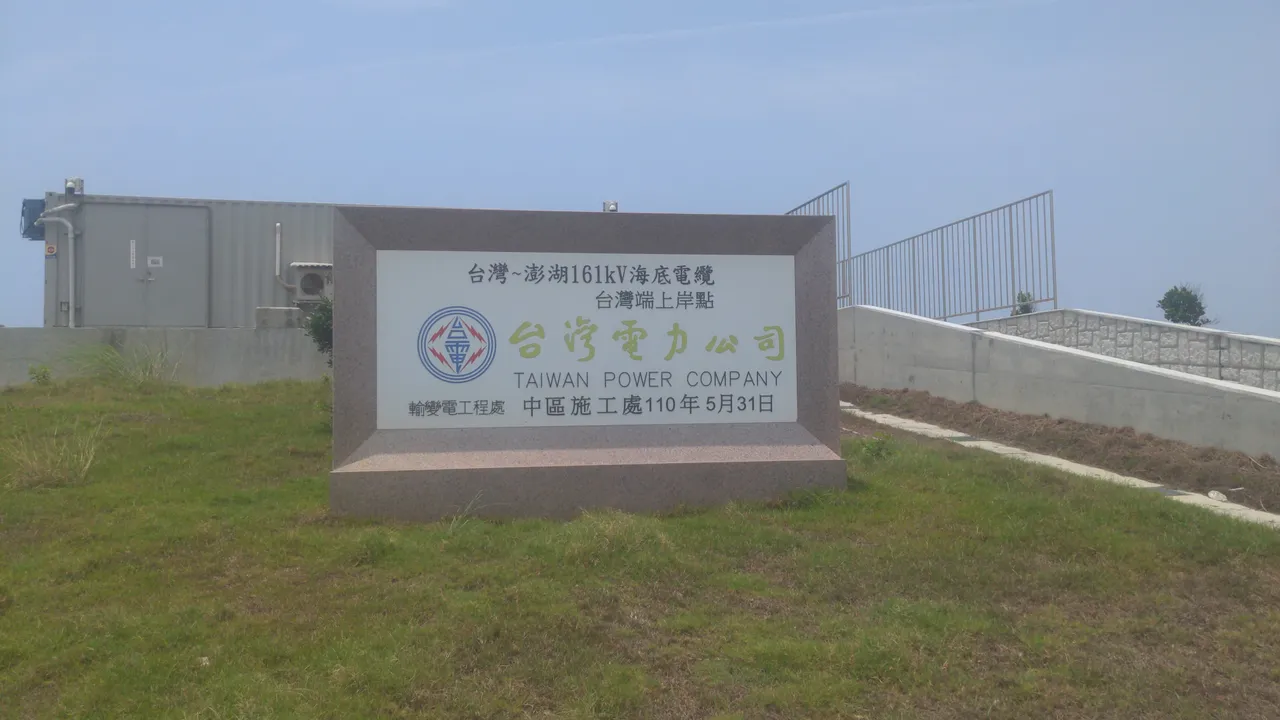
The scenario escalated in two phases. The opening phase combined localised cellular disruption, information manipulation and pressure on satellite connectivity. In the second, the China team breached government websites, knocked out power substations serving telecom facilities, cut several international subsea cables and loaded the remaining cable capacity, microwave links and satellite backups to their limits.
Recovery clocks and civil-military gaps
Retired US Navy rear admiral Mark Montgomery, an FDD senior fellow who helped lead the game, said decision makers across exercises in the United States, Europe, Japan and Taiwan often speak in minutes and hours when restoration after cyber-enabled disruption more often takes days or weeks — especially when one service cannot restart until another returns. He also noted that years of rapid growth have left parts of Taiwan's energy, communications and financial infrastructure struggling to keep pace with demand even before an adversary starts hunting backups.
Salt Typhoon's penetration of global telecom networks and Volt Typhoon's reported prepositioning on critical infrastructure informed the scenario design even though neither group was named in the exercise packets, Singleton told Nextgov/FCW. If an adversary already understands network dependencies and fallback pathways, disruption becomes more targeted and adaptive.
Montgomery's sharpest criticism was aimed at Washington. He said the United States routinely rehearses military conflict over Taiwan but is less systematic about preparing for cyber operations he considers more likely, adding that the Department of Defense treats the problem as belonging to other federal agencies, which lack a budget or a systematic process for running such tabletops. FDD hopes to run future exercises with congressional staff and federal agencies.
What the endurance test implies for 2026–28
The political logic Singleton described is calibration, not spectacle. He said Beijing can push into communications, let effects migrate into the grid's daily economic activity, make restoration harder — and also reduce pressure to signal a pathway back to normal in exchange for behaviour change. Satellites are redundancy, not immunity: ground equipment, software and grid power remain targetable. A single cable break or temporary cellular outage may be manageable; the problem emerges when those pressures interact and China watches how Taiwan adapts.
Taiwan's own Han Kuang drills already tested temporary curbs on non-emergency mobile services in parts of the island in August 2026 — a societal resilience experiment Montgomery said few US governors or mayors would risk. Liberty Times Net's 14 October pickup therefore lands as more than a think-tank briefing note: it is a Taipei-facing reminder that the coercion pathway FDD modelled is already in the public argument between Taiwan's leadership and its US partners.
Montgomery ranked Taiwan's societal resilience behind Ukraine and Israel but well ahead of the United States. Singleton said Taiwan's ability to resist hinges on resilience built into its communications sector and on whether Japan and the United States respond with undersea cable repair vessels, cyber teams, insurance guarantees and satellite capacity.
The timing debate frames the findings. The US intelligence community's 2026 annual threat assessment said Chinese leaders did not currently plan to invade Taiwan in 2027 and had no fixed unification timeline, and US officials have since judged an invasion before 2028 increasingly unlikely. Montgomery warned that early 2028 could instead bring intensified cyber and economic coercion if the Democratic Progressive Party wins a fourth consecutive presidential election.
The open question left by the late-September 2026 tabletop is endurance under adaptive pressure. If China studies how Taiwan reroutes and then attacks the backups, can domestic spares plus allied repair, cyber and satellite packages keep payments, emergency coordination and public confidence intact for weeks — long enough that coercion fails to buy political concessions short of invasion?
Sources
More in Analysis
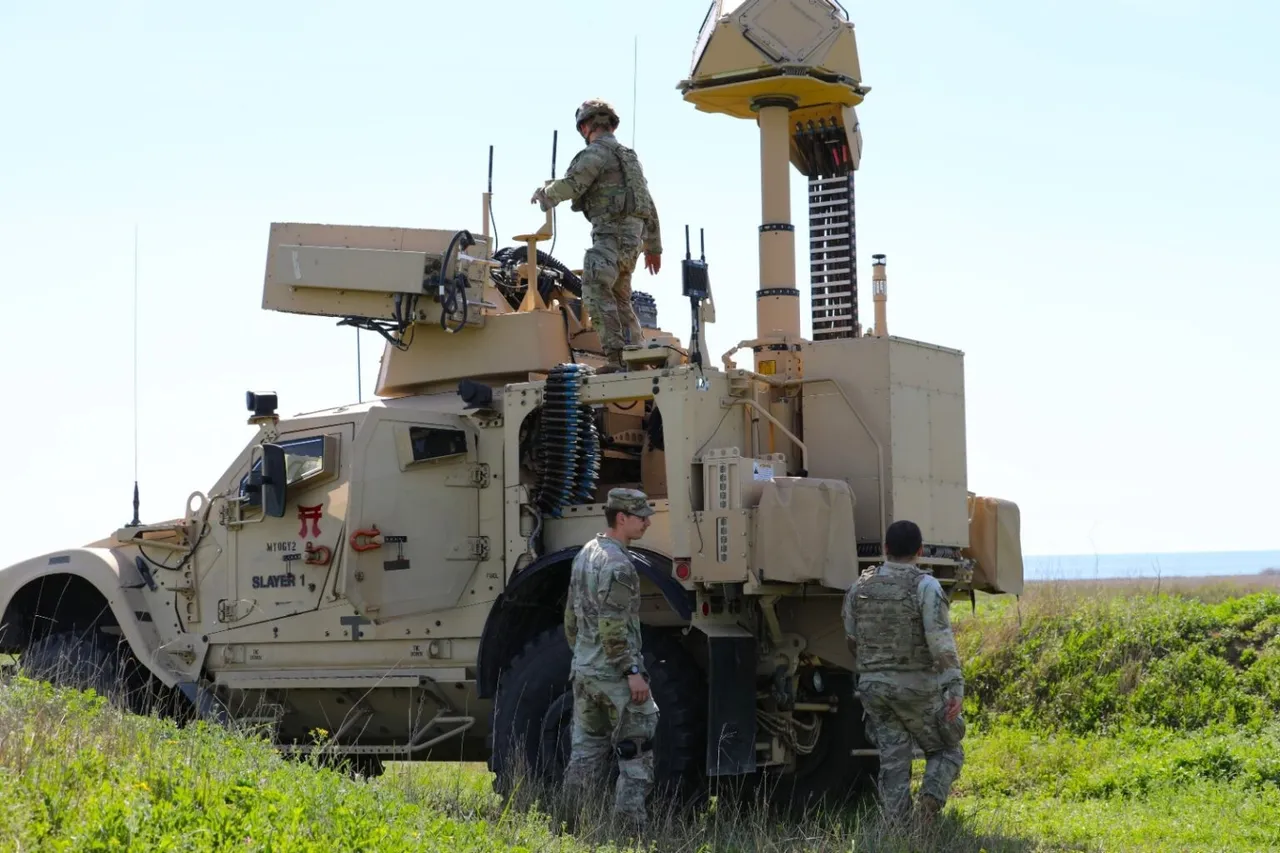
Taiwan already sits in the US Army drone marketplace Japan just joined
As of October 2026, Taipei is among 29 partners on the Army UAS and Counter-UAS marketplaces, a days-not-months path past China-tainted drone suppliers.
TaiwanDefence · 11h ago · 4 min read
A stalled Korea wartime-command test is a warning for Taiwan's US reinforcement queue
As of 14 October 2026, Washington says FOC conditions for a Korean-led combined command are unmet and Seoul may push annual defence talks into December; the squeeze on USFK flexibility is Taiwan's problem too.
TaiwanDefence · 13h ago · 4 min read
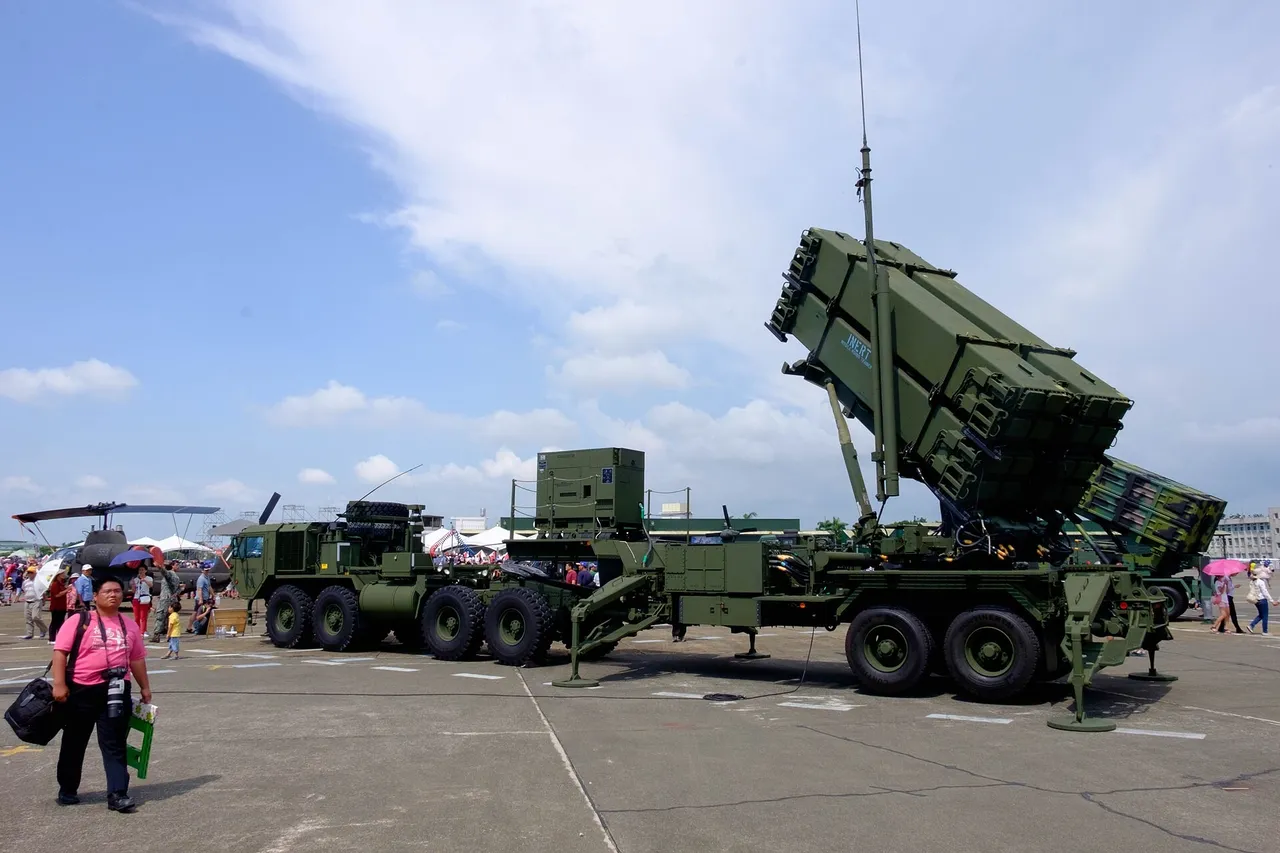
Riyadh's airport strikes show the drone-led salvo Taiwan's T-Dome must stop before China fires one
Saudi Arabia's October 2026 probe into missed intercepts over Riyadh shows Taiwan's T-Dome needs linked sensors and cheap drone killers, not just Patriots.
TaiwanDefence · 15h ago · 4 min read
Discussion (0)
Comments are not currently available.