
ANALYSIS
Riyadh's airport strikes show the drone-led salvo Taiwan's T-Dome must stop before China fires one
Saudi Arabia's October 2026 probe into missed intercepts over Riyadh shows Taiwan's T-Dome needs linked sensors and cheap drone killers, not just Patriots.
TAIPEI —
This article is an original Taiwan Defence analysis based on the cited public sources. It distinguishes reported facts from analytical judgments and does not represent original field reporting.
Saudi Arabia has opened an investigation into how its air defences failed to stop the Houthi missiles and drones that hit King Khalid International Airport in Riyadh, wire reporting carried by the Taipei Times showed on 14 October 2026. A strike on Saturday killed 13 people and wounded hundreds, and a second attack on Sunday killed one more person. Taiwan's foreign ministry said on 13 October that one Taiwanese national was injured and in hospital, and that the airport would stay closed until 17 October.
Officials who spoke anonymously said an initial probe found that the Houthis fired multiple drones to pave the way for a mix of cruise and ballistic missiles, which flew more than 1,000 kilometres to reach the airport. The inquiry is also asking why the defences gave no earlier warning. The reporting noted that some Houthi ballistic missiles carry warheads that can change direction in flight, a known problem for the Patriot interceptors Saudi Arabia relies on.
A salvo built to waste interceptors
The sequence matters more than the casualty count. Drones that arrive first force radars to track and shooters to fire, and every expensive interceptor spent on a slow drone is one fewer for the ballistic missile behind it. That is the problem a Chinese attack on Taiwan would pose at far greater scale, with the People's Liberation Army able to mix drones, cruise missiles and rocket-force ballistic missiles in one wave aimed at airports, radars and command posts.
The cost side of that equation was on show at the Association of the US Army meeting this week. The Liberty Times reported on 13 October 2026 that Raytheon unveiled a rocket-powered Coyote Block 2C+RM interceptor aimed at faster one-way attack drones weighing 25 to 599 kilograms, after three successful test firings. The older Coyote has been credited with more than 600 kills, the US Army planned to buy at least 6,000 between fiscal 2025 and 2029, and a single round has been estimated at about US$100,000, against roughly US$50,000 for some Shahed-type drones.
What Taiwan has, and what is still pending
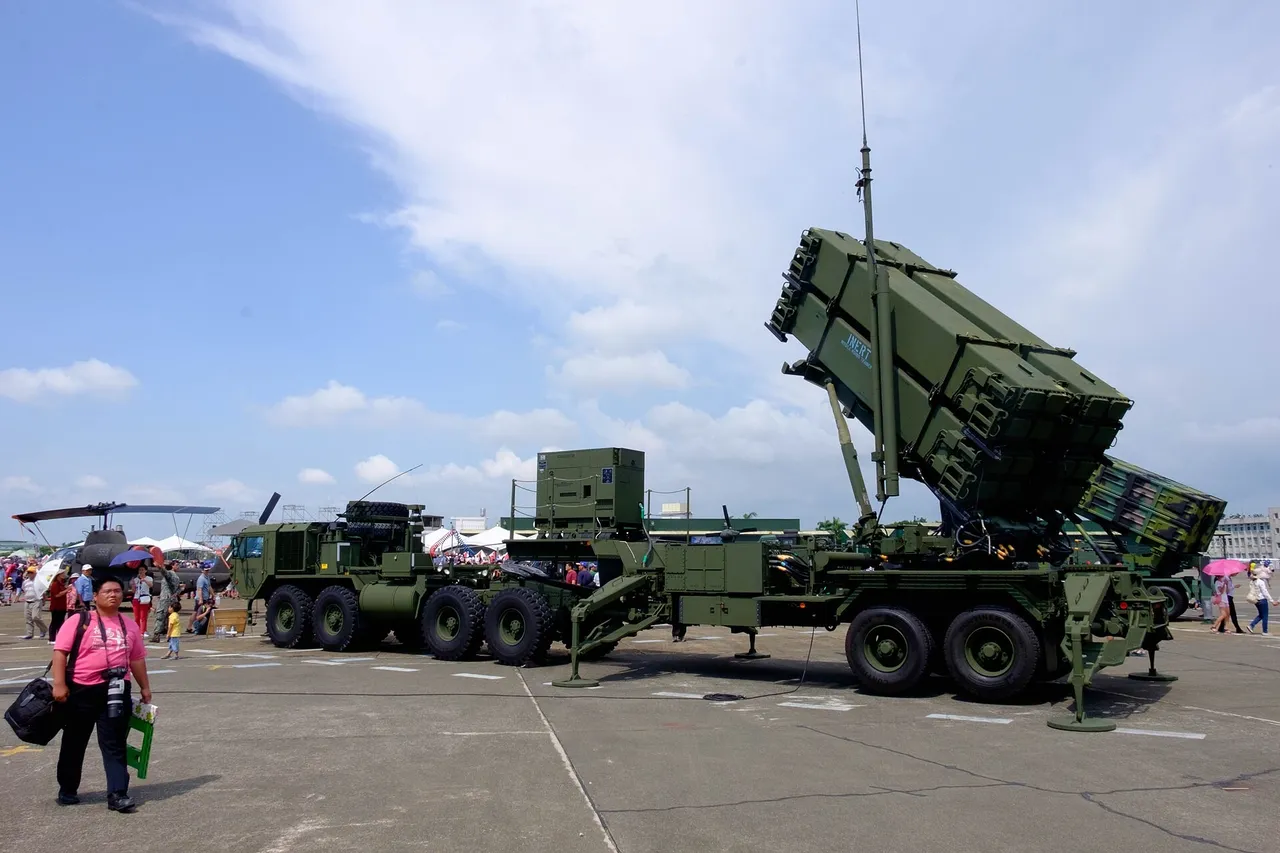
Taiwan's lowest layer is filling in first. A defence official told the Taipei Times on 10 October that 500 Stinger missiles and 178 launchers are due by the end of this year, the first batch of a planned 2,621 missiles and 763 launchers, with 2,235 going to the army, 295 to the marines and some ships, and 91 to military police defending Taipei. Further up, Taiwan has already bought three NASAMS units and 102 PAC-3 MSE interceptors, and a US$14 billion US package that Washington put on hold is expected to add hundreds more PAC-3 MSEs, nine NASAMS units, the Integrated Battle Command System and the Lower Tier Air and Missile Defense Sensor radar.
Read against Riyadh, the most important items in that package are not the interceptors but the battle command system and the radar. The Taipei Times described the command system as the link that lets different radars and launchers hand each target to the most suitable weapon. Saudi Arabia owns Patriots and still let missiles through; its investigation is about detection, warning and allocation as much as about missile performance. A T-Dome that cannot sort drones from missiles in the first minutes would spend PAC-3s on the wrong targets.
There is also a gap between the Stinger and the Patriot. Stingers protect a site at short range, and Patriots are too costly to fire at drones. Rocket-powered rounds such as the new Coyote are the kind of middle option that turns a drone wave from a magazine drain into a manageable cost, and nothing in the reported Taiwan plans yet covers that band at scale.
Warning is part of the shield
Saudi Arabia had stopped issuing public warnings of imminent attacks days before the airport strikes, and has not said why, according to the same wire report, which included Reuters material; analysts linked the silence to an effort to project normality. Taiwan has gone the other way in its drills: military police have test-fired Stingers and practised with them around Taipei MRT stations and the Wanban Bridge, the Taipei Times reported.
For Taipei, the lesson from Riyadh in October 2026 is that a layered shield is only as good as its links and its honesty with the public. The things to watch are whether Washington releases the held package with the battle command system intact, whether Taiwan finds an affordable counter-drone interceptor between Stinger and Patriot, and whether its civil alert system keeps working when the military would rather stay quiet. China will not need to beat every interceptor if the first wave of drones decides where the rest of them are spent.
Sources
More in Analysis
Japan's Type 25 missiles at Keen Sword could close East China Sea lanes China needs for Taiwan
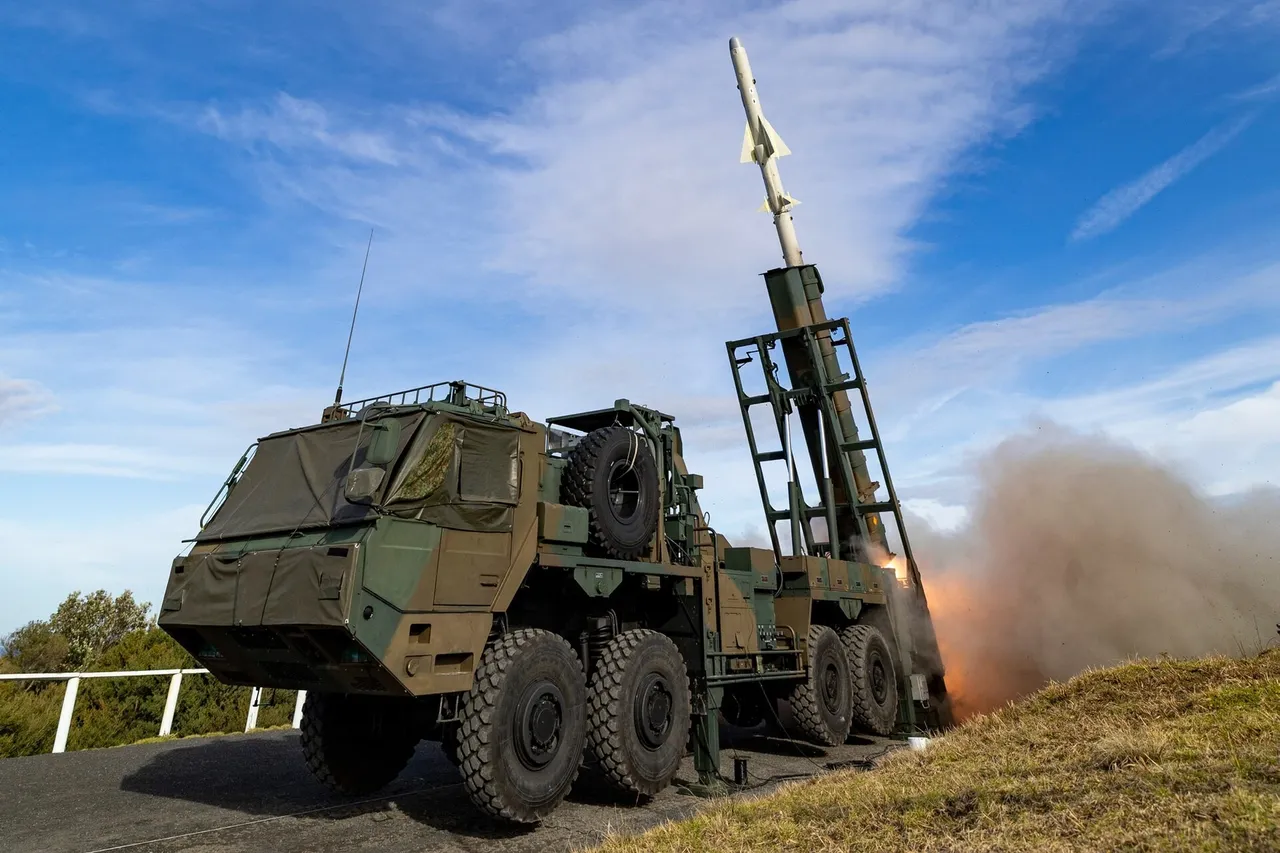
As Keen Sword opens on 19 October 2026, Japan's ~1,000 km Type 25 anti-ship missiles leave Camp Kengun for the first time, testing a kill chain that matters more for Taiwan than short-range NMESIS on Yonaguni.
TaiwanDefence · 2h ago · 4 min read
The US carriers Taiwan would need are fighting Iran or still crossing the Pacific
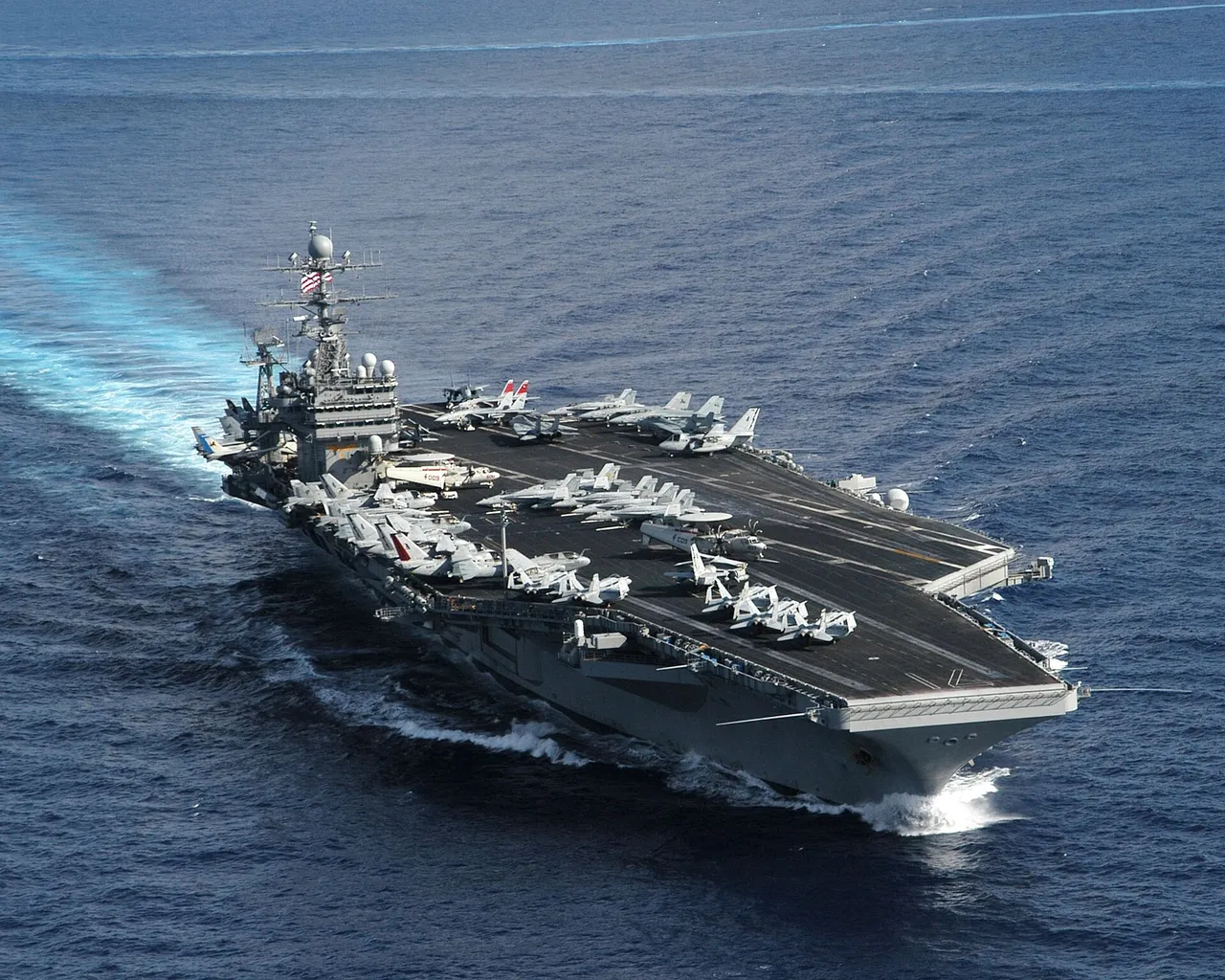
As of 13 October 2026, USNI's fleet map shows Japan's homeported carrier in the Arabian Sea while Theodore Roosevelt is mid-Pacific — thin decks for a China crisis.
TaiwanDefence · 3h ago · 3 min read
Cheap Blackbeard hypersonics could drain China's fleet defences, if US carriers can get close enough to Taiwan
Experts said on 12 October 2026 the US Navy's US$385,000 Blackbeard could exhaust Chinese ship defences. The catch is launching it near Taiwan.
TaiwanDefence · 4h ago · 4 min read
Discussion (0)
Comments are not currently available.