
ANALYSIS
Cheap Blackbeard hypersonics could drain China's fleet defences, if US carriers can get close enough to Taiwan
Experts said on 12 October 2026 the US Navy's US$385,000 Blackbeard could exhaust Chinese ship defences. The catch is launching it near Taiwan.
TAIPEI —
This article is an original Taiwan Defence analysis based on the cited public sources. It distinguishes reported facts from analytical judgments and does not represent original field reporting.
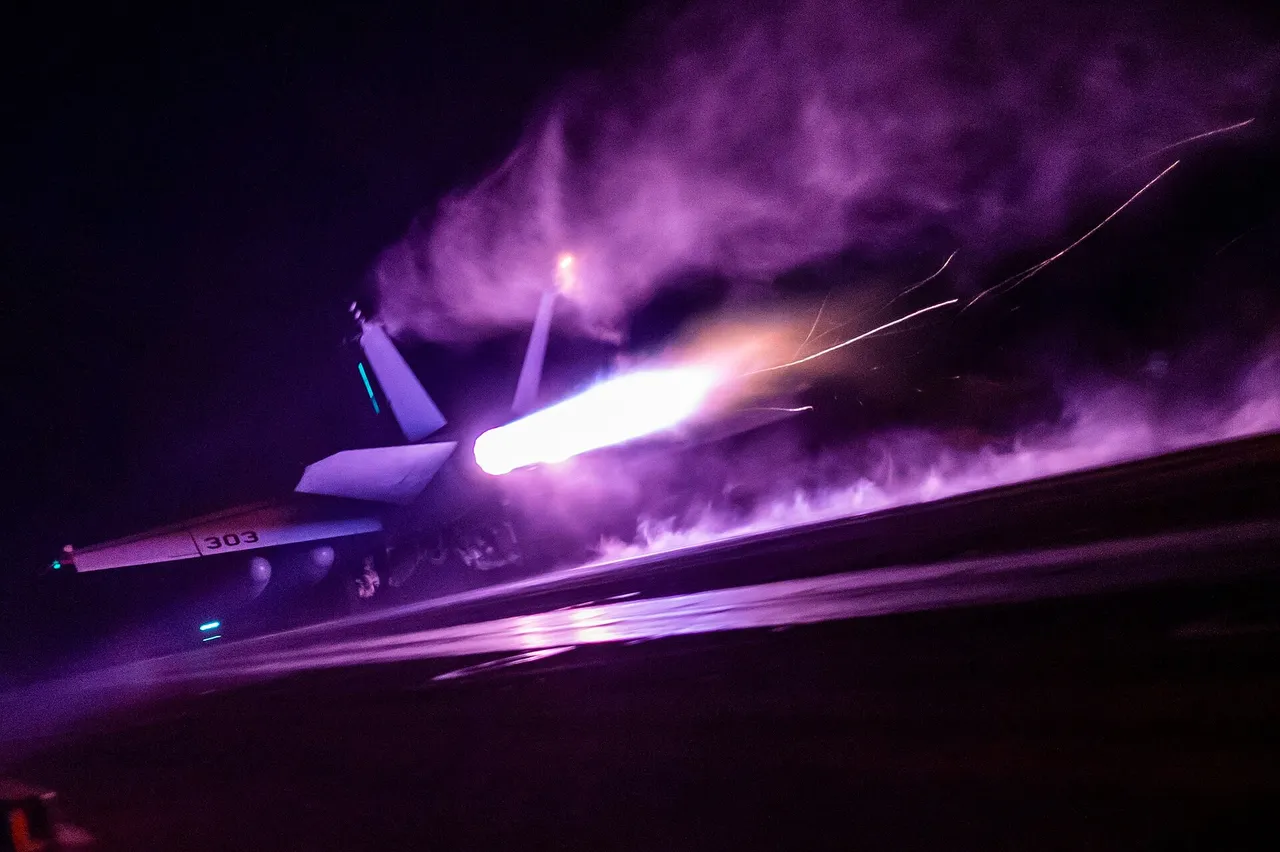
On 12 October 2026, the South China Morning Post reported that the US Navy is moving to put Blackbeard, a missile from the California start-up Castelion that flies faster than Mach 5 and can hit ships and land targets, on its carrier-based fighters, and that experts saw it as a new problem for the air defences protecting Chinese warships and coastal bases. Taiwan's Liberty Times relayed the report the next day, noting the weapon was designed around affordability and mass production.
The numbers explain the interest. According to the reports, the Pentagon asked Congress in May for authority and money to buy more than 12,000 Blackbeards over five years for all the services, and the Navy projects an average unit price of about US$385,000 in fiscal years 2028 to 2031. Air Force budget data for fiscal 2024 put Lockheed Martin's larger Long Range Anti-Ship Missile, or LRASM, at roughly US$3.25 million each. The Navy ordered 50 pre-production missiles in June and 444 more in September, and a Super Hornet flew carrying two of them on 18 September at Patuxent River, Maryland. The Navy wants each Super Hornet to carry up to four.
The Navy presents Blackbeard as the low end of a high-low mix. Naval News reported on 12 October that a Tailhook 2026 presentation named the stealthy LRASM and Blackbeard as key parts of the future carrier air wing, and USNI News reported that the Navy is aiming for early operational capability this year, with the missile debuting in carrier fighter squadrons under US Indo-Pacific Command and Central Command.
Behind the push is a magazine problem. The SCMP pointed to a 2023 wargame by the Center for Strategic and International Studies in Washington, which found that US forces ran out of their simulated LRASM stocks within the first week in every iteration of a hypothetical Chinese attack on Taiwan.
At roughly a tenth of LRASM's price, Blackbeard is a way to buy volume. A large inventory would let the Navy fire repeated salvos at Chinese task groups, forcing People's Liberation Army Navy ships to spend interceptors so that the slower but stealthier and heavier LRASMs following behind have a better chance of getting through.
The experts quoted by the SCMP saw several uses. Timothy Heath, founder of the research firm Perceptum, said Blackbeard could target the radars and other sensors that support air defence missiles, clearing the way for the larger anti-ship missiles paired with it. Lyle Goldstein of Defense Priorities called it a major leap in US Navy capability and argued that the force of a high-speed impact matters as much as the warhead, so a single hit could cause a mission kill. Retired Australian vice admiral Peter Jones said hypersonic weapons force defenders to detect, track and assign weapons at least five times faster and that it is unknown whether China's newest destroyers can engage them.
China is studying the problem too. Christopher Sharman, director of the US Naval War College's China Maritime Studies Institute, cited a 2023 article in the PLA journal Air Force Military Studies that examined more than a dozen conflicts involving US and allied long-range strikes, which the institute translated in August. Its authors recommended striking before US weapons are launched, jamming satellite navigation and combining drones, fighters and air defences. Public information does not show whether the PLA has adopted those ideas.
The weak point is the launch platform. Heath said crewed carrier strike fighters are expensive and vulnerable, and that Chinese attacks could push US carriers farther from Taiwan, possibly beyond Blackbeard's range. Goldstein expects carriers to operate at the edges of any western Pacific conflict, which could leave mainland targets out of reach, though he said it could still hit Chinese warships threatening US logistics around Guam. Heath saw more potential against Chinese coastal missile and air defence sites. Blackbeard's actual range and its ability to hit a moving ship have not been publicly demonstrated.
The Navy is not betting on carriers alone. Naval Air Systems Command announced its intent to have Lockheed Martin integrate LRASM on the Air Force's B-52, which can take off with 20 of the missiles, Naval News reported. The B-2 launched an LRASM in a sinking exercise in the Indo-Pacific in June, and the missile was fired at least four times this summer around Hawaii and the western Pacific.
Read together, these moves look like a hedge. Cheap speed from carrier fighters works where carriers can get close enough; heavy stealthy salvos from bombers can be launched from much farther away. Blackbeard's mass is wasted if Super Hornets cannot reach launch points, and bombers carrying US$3 million missiles cannot provide the sheer numbers that a long fight around Taiwan would demand.
Three markers will show whether Blackbeard becomes a real part of deterrence in the Taiwan Strait rather than a promising test article. The first is whether it reaches early operational capability this year as the Navy plans. The second is a live shot against a moving ship target, which would answer the most important open question. The third is whether Congress funds anything close to the 12,000 rounds the Pentagon requested in May. Until then, the cheapest hypersonic missile in the US inventory is a bet on volume that still depends on getting close to China.
Sources
More in Analysis
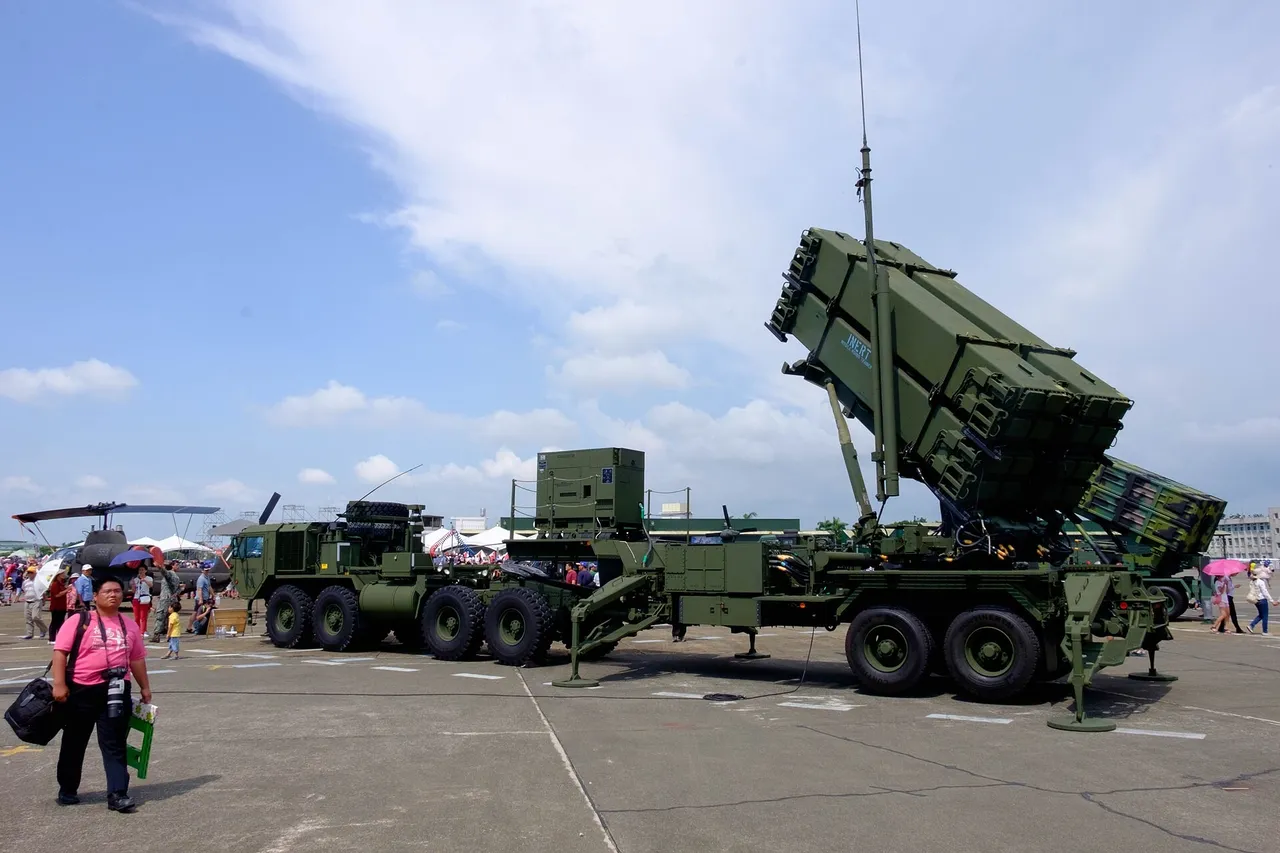
Poland's Patriot delay is a warning for Taiwan's next big interceptor order against China
Poland said on 12 October 2026 its PAC-3 MSE deliveries will slip. Taiwan's planned buy to stop China's missiles joins that same queue.
TaiwanDefence · 1h ago · 4 min read
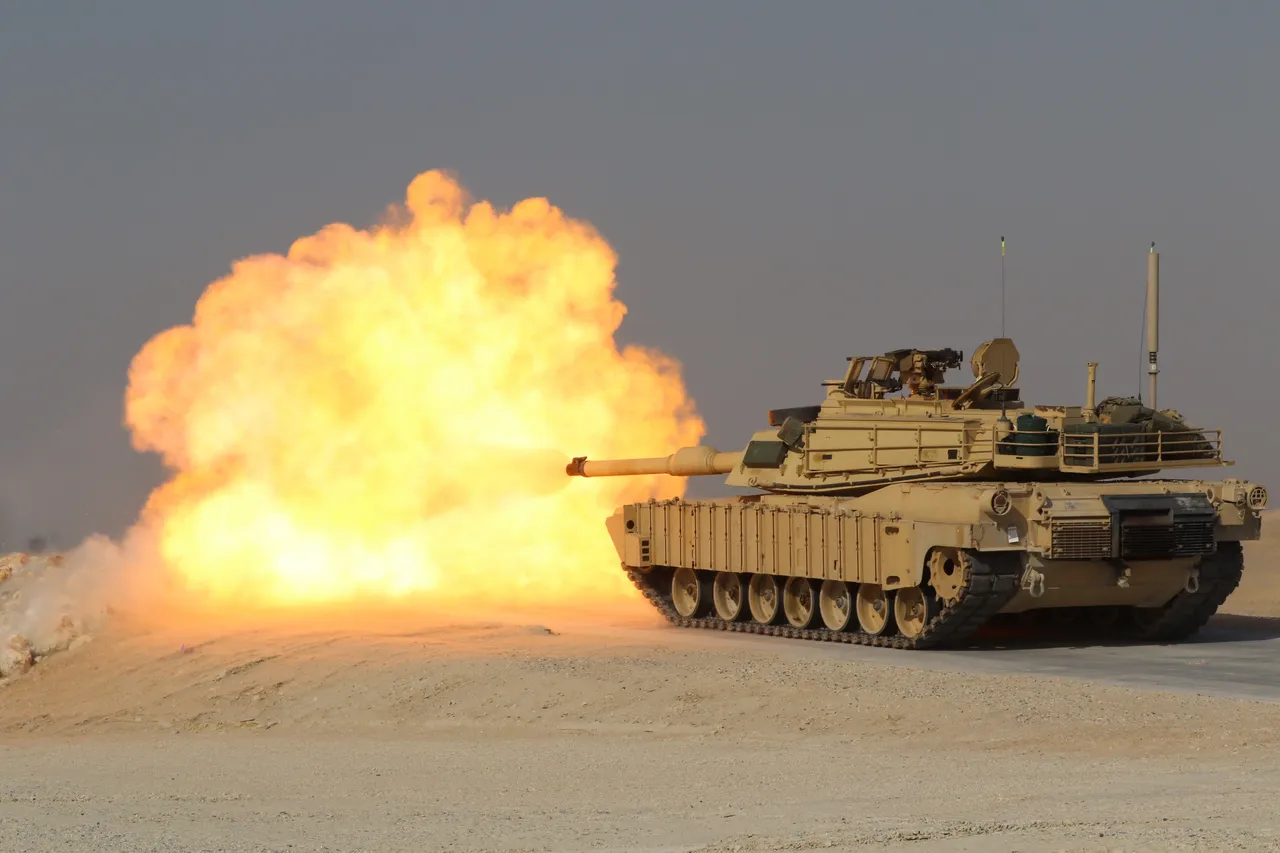
Lu Sheng 2 puts Taiwan's CM11s against M1A2Ts in a northern fight China would recognise
As of 13 October 2026, Lu Sheng 2 starting 14 October tests Abrams, CM11s, drones and C2 under Chinese military pressure.
TaiwanDefence · 3h ago · 3 min read
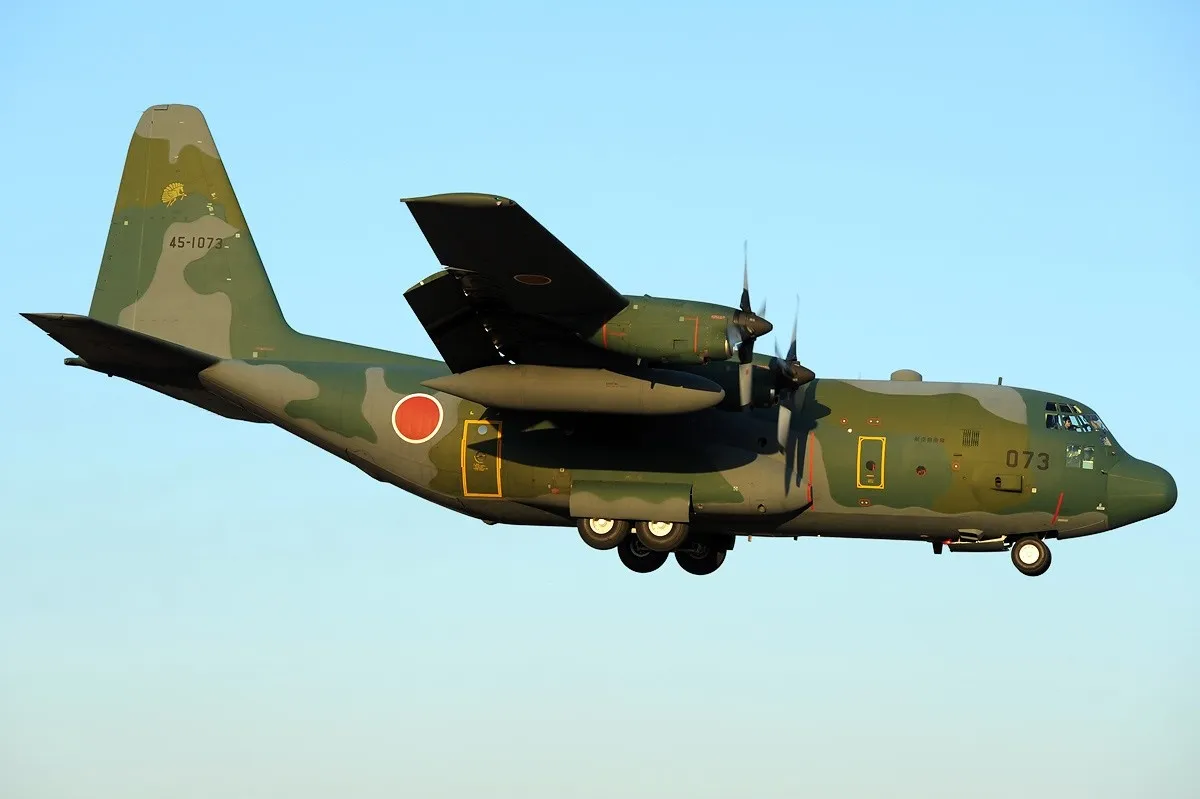
Japan's first ACSA fuel draw in the Philippines is logistics practice Taiwan would need
On 9 October 2026 Tokyo confirmed its ASDF drew fuel from the Philippine Air Force under ACSA for the first time during Doshin-Bayanihan drills.
TaiwanDefence · 21h ago · 4 min read
Discussion (0)
Comments are not currently available.