
US Army will run a Manufacturing Rodeo to find weak links China still holds in attack-drone supply chains
Adam Telle said at AUSA the Army will run a 2027 Manufacturing Rodeo to expose China-linked weak links in attack-drone supply chains Taiwan also fights.
TAIPEI —
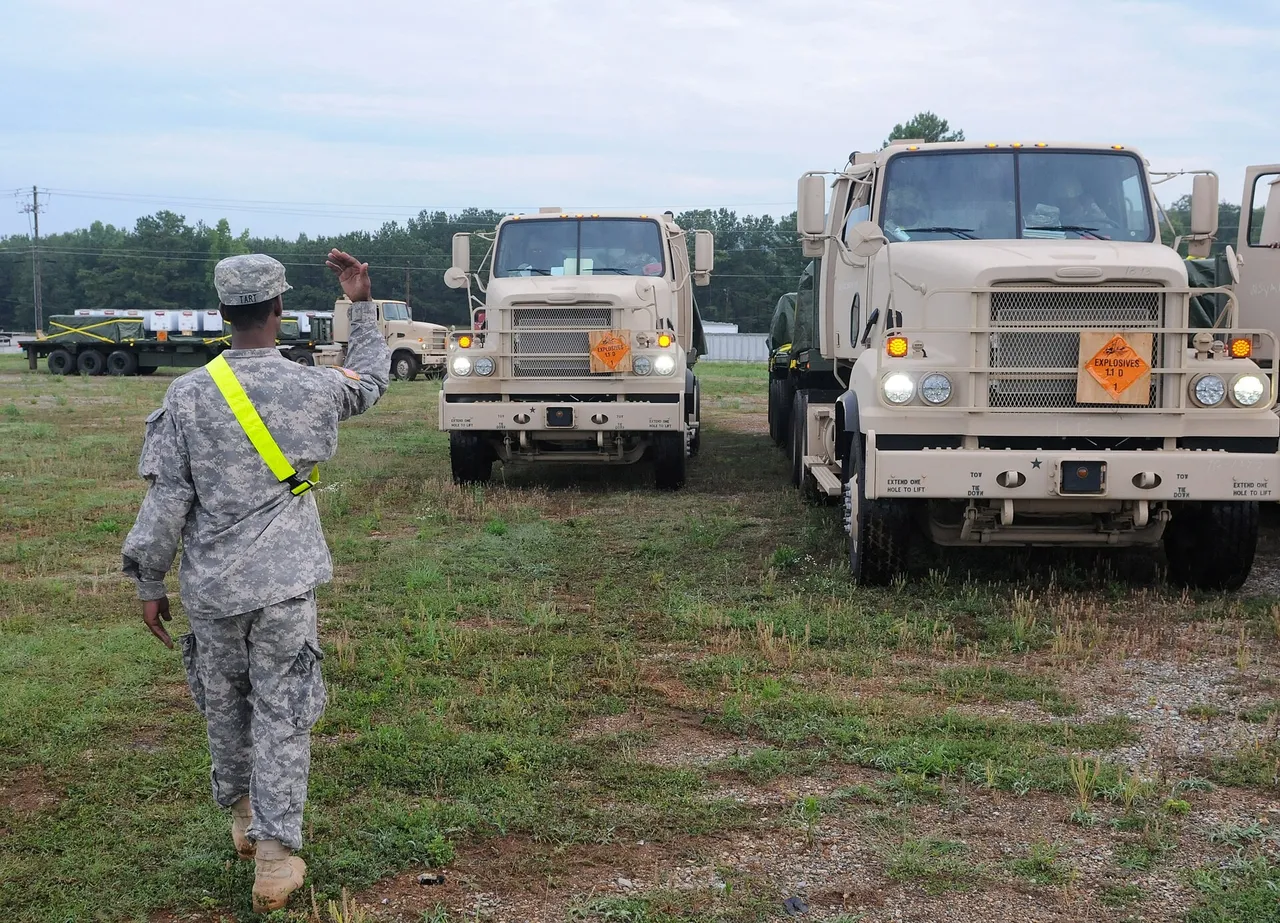
Acting Secretary of the Army Adam Telle told the Association of the United States Army annual meeting in Washington on 12 October 2026 that the service will hold its first Manufacturing Rodeo early next year, a competitive stress test meant to show where the organic industrial base and the wider U.S. manufacturing network break under pressure.
Telle framed the event as a race among industrial-base partners that strains depots and factories, stresses supply chains, and presses manufacturing processes until weak links appear. He said the Army intends to learn by doing rather than debating the problem only inside the Pentagon, then strengthen those links and keep iterating.
The timing matters for any Indo-Pacific contingency that would burn through munitions, spare parts, and small unmanned systems. Telle said the Army needs to make millions of basic attack drones, which look simple but amount to a flying supply chain the United States does not control enough of. If somebody else controls one part, he warned, they can break the whole thing.
Reporting from the conference added the China link that Taiwanese procurement officers already recognise. Defense One and National Defense magazine reported that many of those drone parts are still made in China, and that Beijing uses market dominance to help partners such as Russia and Iran. National Defense said Telle contrasted authoritarian regimes that can flip a switch into wartime production with a U.S. system that has to unlock commercial ingenuity instead.
An accompanying Army release tied the rodeo to a broader pivot from single-system production targets toward flexible advanced manufacturing across the organic industrial base. It named hubs at Red River, Anniston, and Tobyhanna Army Depots and public-private partnerships meant to produce diverse subcomponents on demand, from electric motors to tank-engine parts.
Few operational details are public. Telle did not announce a venue, a solicitation, scoring rules, or which firms will compete. DefenseScoop noted that the speech gave little beyond the early-2027 window and the stress-test metaphor, leaving industry to treat the rodeo as a market signal rather than an open call.
For Taiwan, the announcement lands on familiar ground. Island forces and US partners both need large numbers of cheap attack and surveillance drones, and both have watched China dominate many of the small electronic parts those airframes need. A U.S. Army race that maps China-shaped bottlenecks in that supply chain is the same industrial problem viewed from the other side of the first island chain.
Telle also cast industrial relationships themselves as the Army's largest acquisition programme, arguing that a seamless link to American commercial excellence matters more than any single tank, helicopter, or missile line. Whether the Manufacturing Rodeo can turn that slogan into measured capacity will show when the first stress tests run in 2027.
Sources
More in Industry

Taiwan will strip-inspect even small military drone orders after Chinese chips slipped through
Defence Minister Wellington Koo says banned Chinese parts got in through unit buys of two or four drones that were never opened up at acceptance.
TaiwanDefence · 10h ago · 2 min read
Thales to set up Japan's first foreign-run defence maintenance base, starting with navy equipment
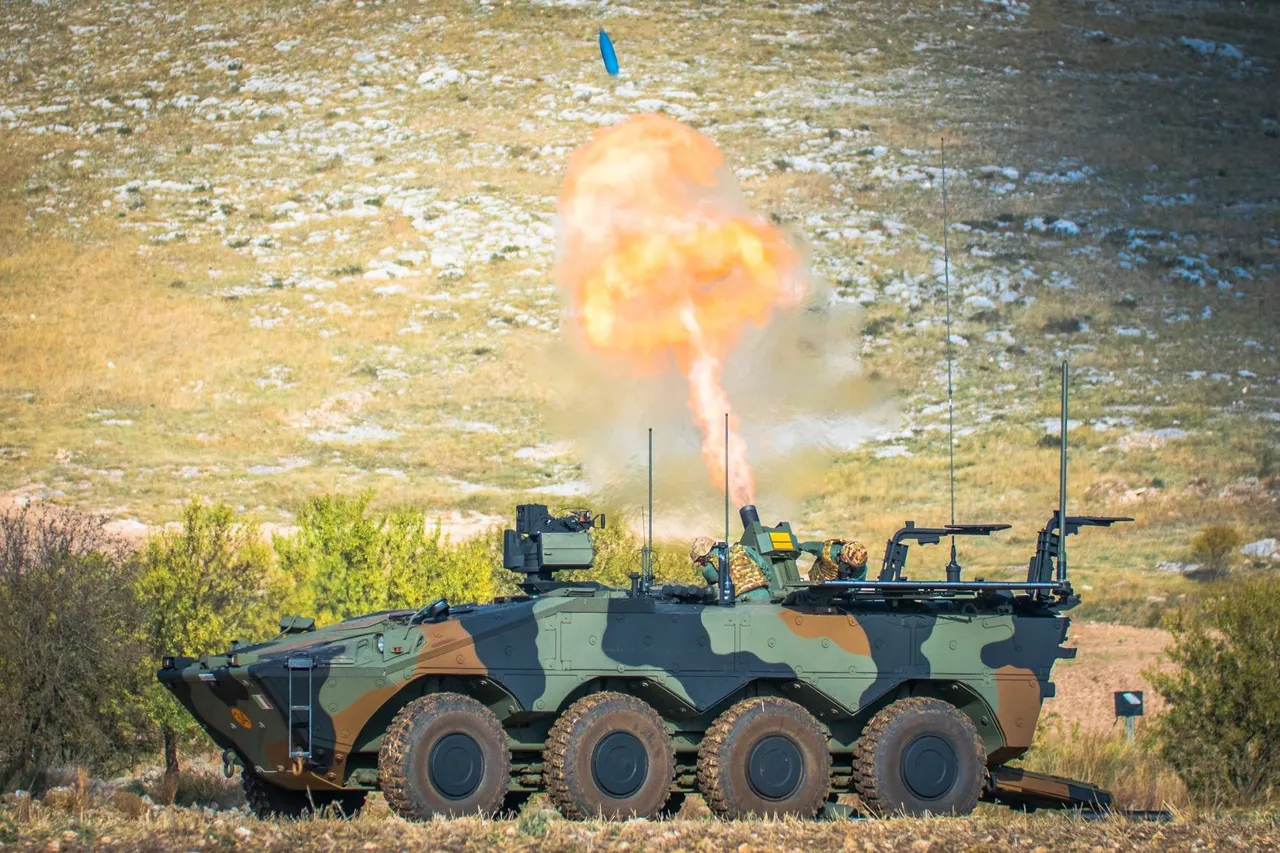
The French group will service Maritime Self-Defense Force gear first and hand its 2R2M heavy mortar technology to Japan Steel Works for local production from 2027.
TaiwanDefence · 21h ago · 2 min read

Taiwan's state missile institute clears US defence cyber audit for its rocket propellant line
NCSIST says its solid rocket propellant line now meets a US defence supply chain cyber standard, and it has won ISO certification for its military AI work.
TaiwanDefence · 1d ago · 2 min read
Discussion (0)
Comments are not currently available.