
Philippine military backs defence chief Teodoro as China's embassy attacks his freeze on military talks
The Philippine military says talks with China's PLA were cut three years ago because Chinese warships and coast guard vessels kept up provocations at sea.

TAIPEI —
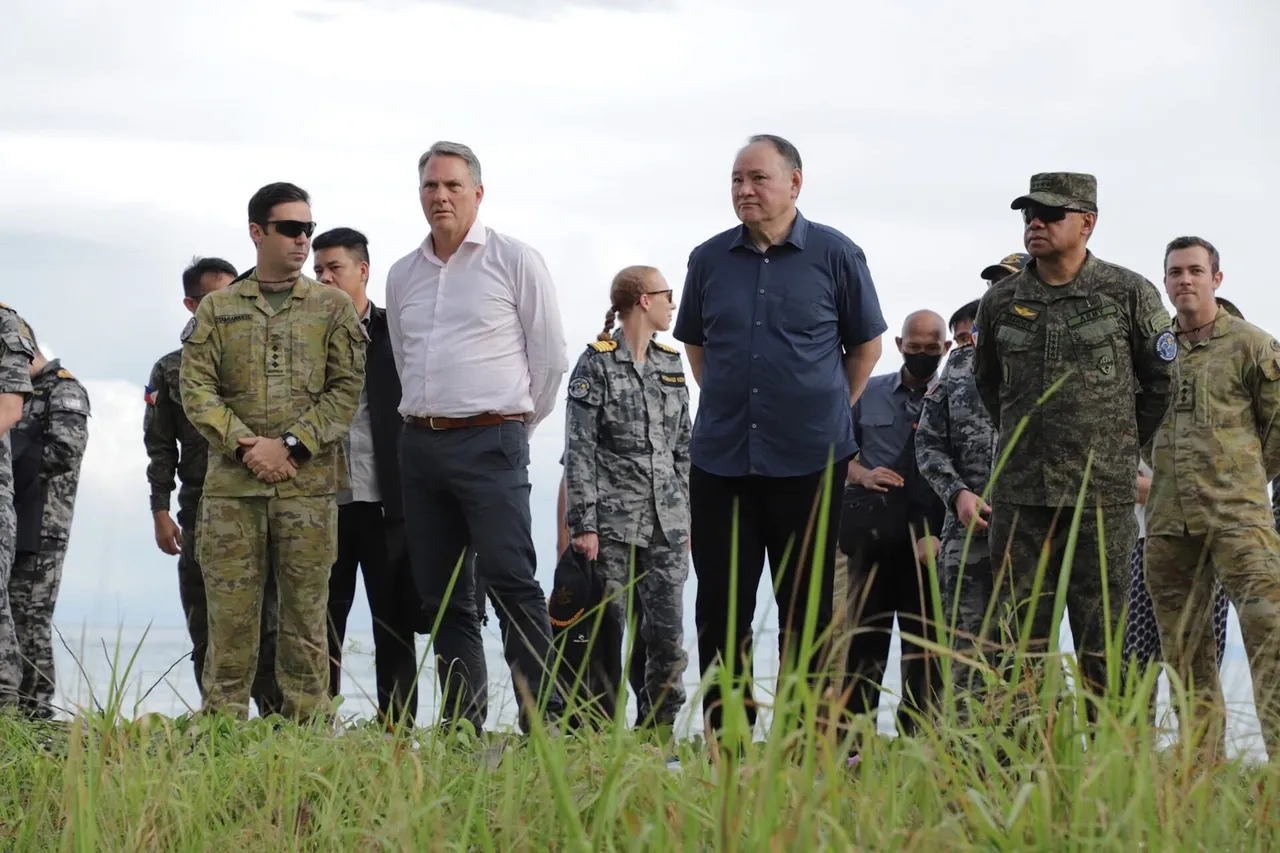
The Armed Forces of the Philippines (AFP) on Tuesday, 13 October 2026, publicly backed Defence Secretary Gilberto Teodoro Jr. after China's embassy in Manila accused him of shutting down military-to-military communication between the two countries to serve his own political interests.
In a statement, the AFP said the Department of National Defense (DND) suspended its military channels with China about three years ago on the basis of experience. It said those mechanisms had consistently failed to produce meaningful results while China's People's Liberation Army and the China Coast Guard kept up what the military described as provocative and irresponsible actions.
The AFP added that upholding the constitution and the country's sovereign rights was a duty of every Filipino, and that the armed forces, together with the public, would keep defending Philippine territorial integrity.
What the Chinese embassy claimed
The embassy's statement, dated Monday, 12 October, argued that communication channels should stay open however difficult relations become, in order to avoid miscalculation and stop tensions from escalating. It accused Teodoro of closing the military line for political self-interest and said the decision fuelled mistrust, narrowed the space for crisis management and pushed frontline personnel closer to confrontation. These are Beijing's own claims, and Philippine officials reject them.
Newswatch Plus reported that the embassy presented direct military contact as necessary to prevent misunderstandings and keep incidents from turning into a wider conflict, even when diplomatic ties are strained.
Teodoro says the line was cut long ago
Teodoro answered in a Facebook post written in Filipino. He said military-to-military ties with China had already been suspended for roughly three years, and called the embassy's renewed complaint a desperate move by Beijing after, as he put it, China had been caught in its own foolishness.
The DND also reposted a statement first issued in May 2024 noting that communication between the department and the Chinese embassy had been discontinued after Teodoro took office in July 2023.
Patrols and resupply missions continue
At a briefing at Camp Aguinaldo, Rear Adm. Roy Vincent Trinidad, the AFP spokesperson for the West Philippine Sea, said bilateral dialogue would only work if China's messages matched its actions at sea, in the air and on the ground. He said any communication mechanism had to rest on mutual trust, sincerity and respect for international law, and accused the Chinese Communist Party of using direct channels as a smokescreen for its activity in the maritime domain.
Trinidad said the row would not change how the military operates. Maritime patrols, air operations, surveillance and rotation and resupply missions would all continue, he said, and the BRP Sierra Madre would remain a commissioned Philippine Navy ship at Ayungin Shoal, known internationally as Second Thomas Shoal.
At a separate briefing on Tuesday, Palace Press Officer Claire Castro referred questions about the embassy's claim to Teodoro. She said Manila was not closing off its relationship with China and that contacts would continue because the government wants trade and investment with China to go on.
Why it matters
The exchange shows that the Philippine and Chinese militaries still have no working direct line, even as Philippine forces regularly meet Chinese coast guard and naval ships at close range in the South China Sea. Manila's position is that a hotline is worthless unless Beijing changes its conduct at sea, while Beijing is casting the gap as a crisis-management risk created by one minister. For Taiwan, which faces the same Chinese coast guard and navy across the Luzon Strait to the north, the dispute is another sign that Beijing's grey-zone pressure in the region is not being managed through military channels.
Sources
More in Indo-Pacific

North Korea is blasting and fortifying its coast opposite Ganghwa Island, South Korea's military says
South Korea's Joint Chiefs of Staff say repeated explosions heard from Ganghwa Island come from North Korean troops reinforcing coastal defences near Kaesong.
TaiwanDefence · 4h ago · 2 min read
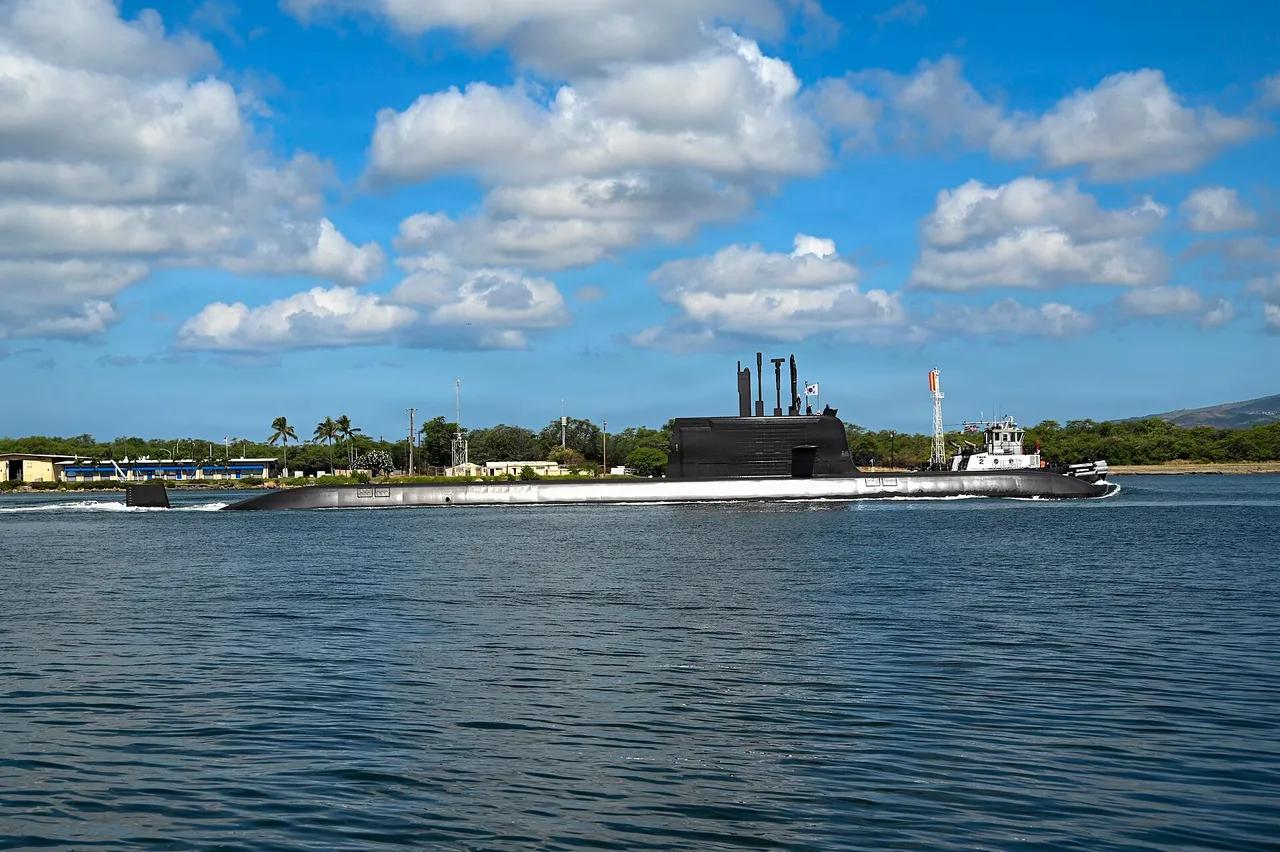
South Korea's arms agency seeks 13.8% more for 2027 to speed nuclear-powered submarines
South Korea's military procurement agency wants 22.7 trillion won next year to push nuclear submarines, missile defence and attack drones against North Korea.
TaiwanDefence · 5h ago · 3 min read
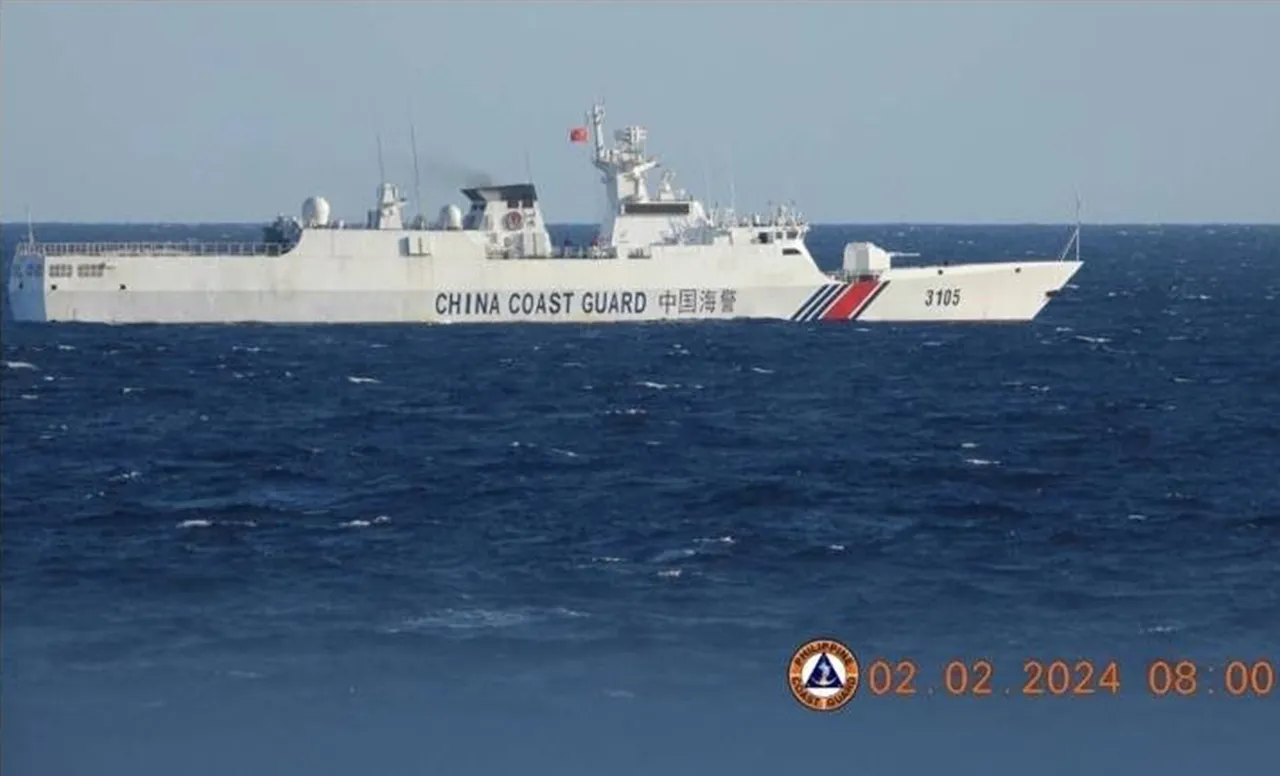
Philippine military tracks 27 Chinese coast guard and PLA Navy ships in a week
The Armed Forces of the Philippines says 11 of the ships it tracked from 6 to 12 October were PLA Navy vessels, with the largest group at Scarborough Shoal.
TaiwanDefence · 5h ago · 2 min read
Discussion (0)
Comments are not currently available.