
South Korea's arms agency seeks 13.8% more for 2027 to speed nuclear-powered submarines
South Korea's military procurement agency wants 22.7 trillion won next year to push nuclear submarines, missile defence and attack drones against North Korea.
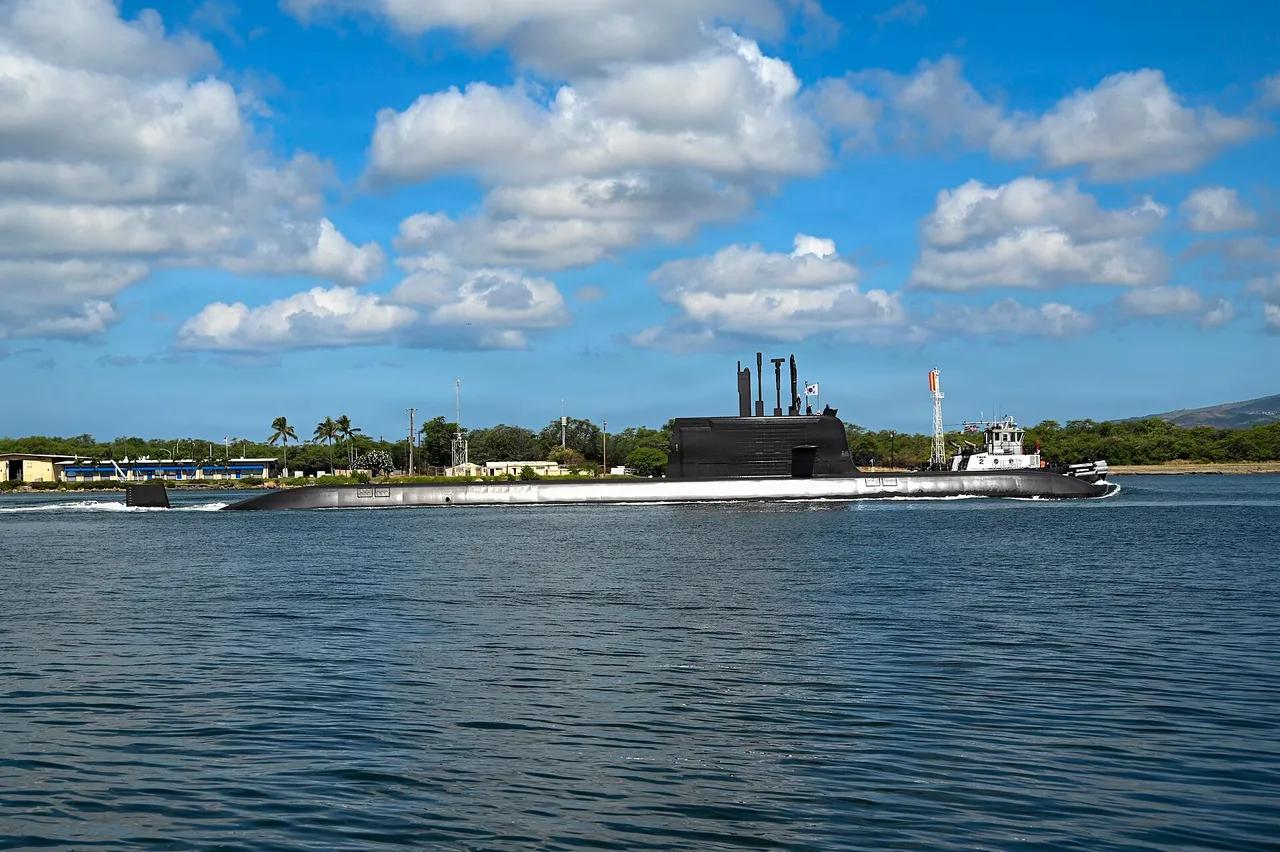
_arrives_at_Pearl_Harbor-Hickam_for_RIMPAC_2026.jpg)
TAIPEI —
South Korea's Defense Acquisition Program Administration (DAPA) told the National Assembly's National Defense Committee on Tuesday, 13 October 2026, that it will speed up work on nuclear-powered submarines and step up purchases of artificial intelligence-based combat systems, including attack drones and counter-drone weapons, for the country's armed forces.
The agency laid out the plan in a briefing for the committee's annual parliamentary audit. It tied the push to Seoul's goal of taking back wartime operational control of its troops from the United States and to North Korea's nuclear, missile and other weapons of mass destruction threats.
DAPA's 2027 budget request comes to 22.7224 trillion won, up 13.8 percent or 2.7571 trillion won from this year, according to Newspim. Money for buying and mass-producing weapons rises 19.4 percent to 15.9323 trillion won, while defence research and development grows only 0.9 percent and weapons development funding falls 1.8 percent.
| Line item | 2027 request (trillion won) | Change from 2026 |
|---|---|---|
| Total DAPA budget | 22.7224 | +13.8% |
| Weapons purchase and mass production | 15.9323 | +19.4% |
| Defence research and development | 5.8893 | +0.9% |
| Weapons system development | 3.1815 | -1.8% |
| Defence industry promotion | 0.6002 | +12.4% |
Sources: s2
Nuclear submarine blueprint
DAPA said it would use the organisation and know-how built up around its diesel-electric submarine programmes to develop a nuclear propulsion system and draw up a construction plan for nuclear-powered boats. The agency already runs a dedicated nuclear-powered submarine project group.
Under the Jang Bogo N programme, which followed a summit agreement with Washington in October last year, Seoul plans to start building the first boat in the mid-2030s and put it into service in the late 2030s. Yonhap reported that the military is believed to want at least three 8,000-ton attack submarines fuelled by uranium enriched to below 20 percent.
Missile defence, destroyers and F-35As
The agency also pledged on-time delivery of the long-range artillery interception system, known as the Korean Iron Dome and meant to stop massed North Korean artillery and rocket fire aimed at the greater Seoul area, which is set to enter operational testing. It listed the second batch of Aegis destroyers and a second purchase of F-35A stealth fighters as other priorities.
Yonhap said the third Batch-II destroyer, ROKS Daeho Kim Jong Seo, was recently launched and is due to be handed to the navy in December next year, while the first of 20 additional F-35As is expected in the second half of 2027. Newspim reported that the first production KF-21 fighter will enter service and that small reconnaissance satellites and the 425-II spy satellite project will move ahead.
DAPA said it would launch full-scale acquisition of combat uncrewed surface vessels, small attack drones, laser air defence weapons and integrated counter-drone systems for front-line border areas. It is also backing a proposed law that would let industry propose performance targets and cut rapid pilot projects for new civilian technology from two years to one.
Asked about a possible takeover of Korea Aerospace Industries by Hanwha, DAPA Minister Lee Yong-cheol told lawmakers that any such move had pros and cons, that it was too early to choose a direction, and that no national policy decision had been made on privatising the aircraft maker.
The budget request shows Seoul shifting money toward fielding hardware quickly rather than funding new development, a trade-off that could speed deliveries of missile defence and drones while leaving the costly nuclear submarine effort dependent on future budgets.
Sources
More in Indo-Pacific

North Korea is blasting and fortifying its coast opposite Ganghwa Island, South Korea's military says
South Korea's Joint Chiefs of Staff say repeated explosions heard from Ganghwa Island come from North Korean troops reinforcing coastal defences near Kaesong.
TaiwanDefence · 11m ago · 2 min read
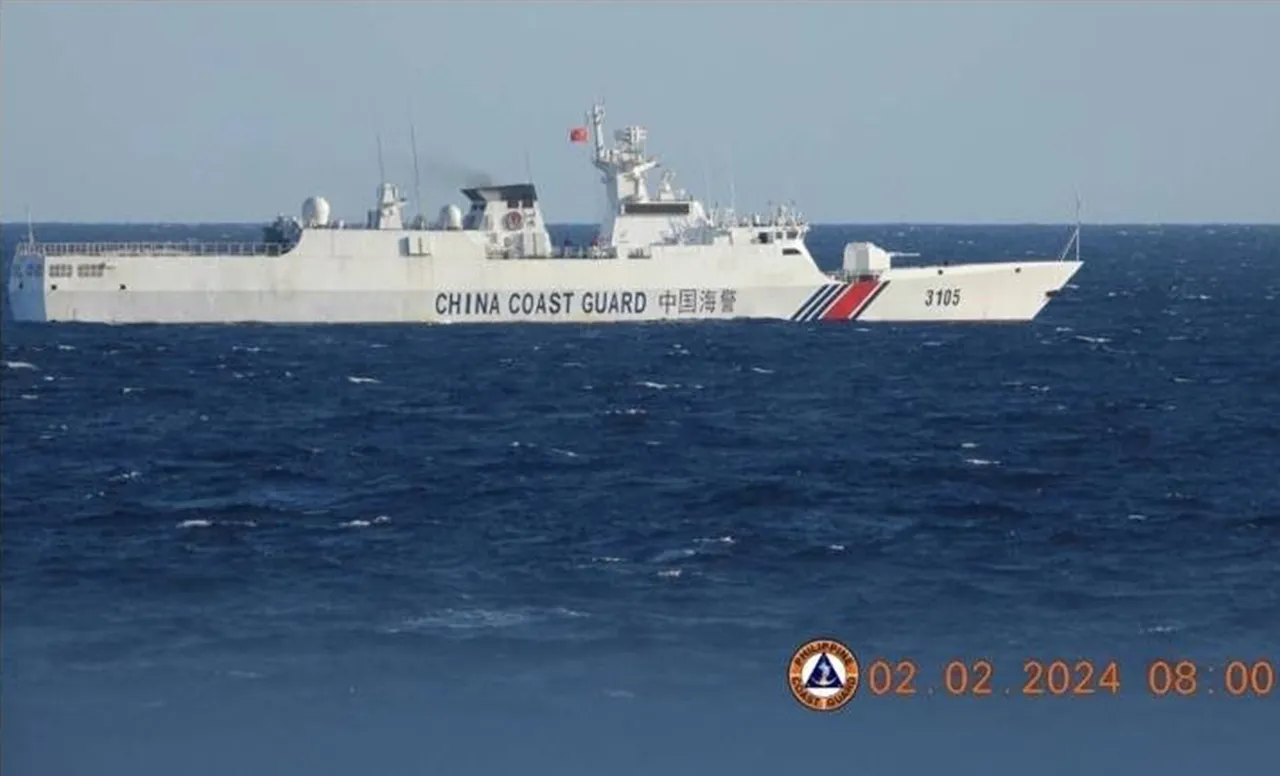
Philippine military tracks 27 Chinese coast guard and PLA Navy ships in a week
The Armed Forces of the Philippines says 11 of the ships it tracked from 6 to 12 October were PLA Navy vessels, with the largest group at Scarborough Shoal.
TaiwanDefence · 1h ago · 2 min read
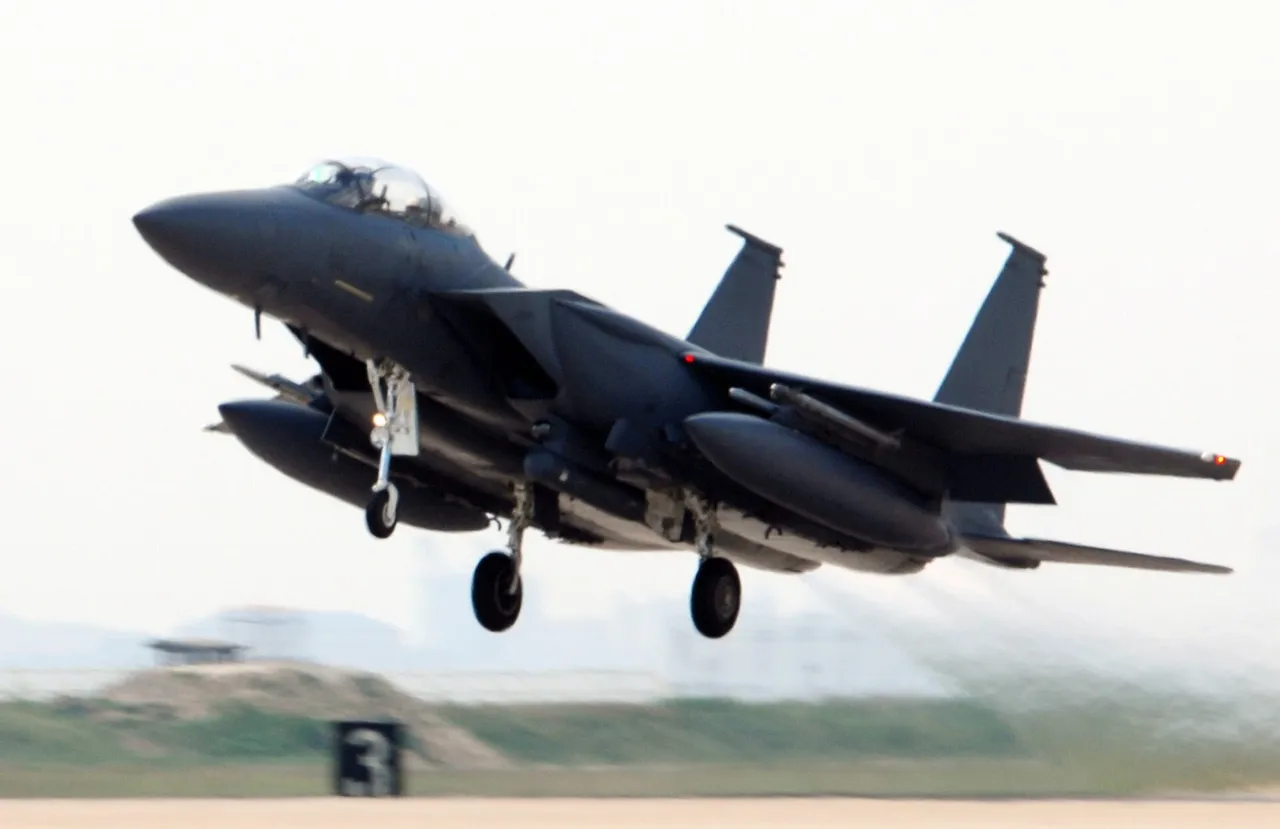
South Korea's military withholds Chinese and Russian air defence zone entry counts
South Korea's Joint Chiefs and air force refused to give lawmakers counts of Chinese and Russian KADIZ entries, citing protection of surveillance capabilities.
TaiwanDefence · 7h ago · 3 min read
Discussion (0)
Comments are not currently available.