
South Korea's military withholds Chinese and Russian air defence zone entry counts
South Korea's Joint Chiefs and air force refused to give lawmakers counts of Chinese and Russian KADIZ entries, citing protection of surveillance capabilities.
TAIPEI —
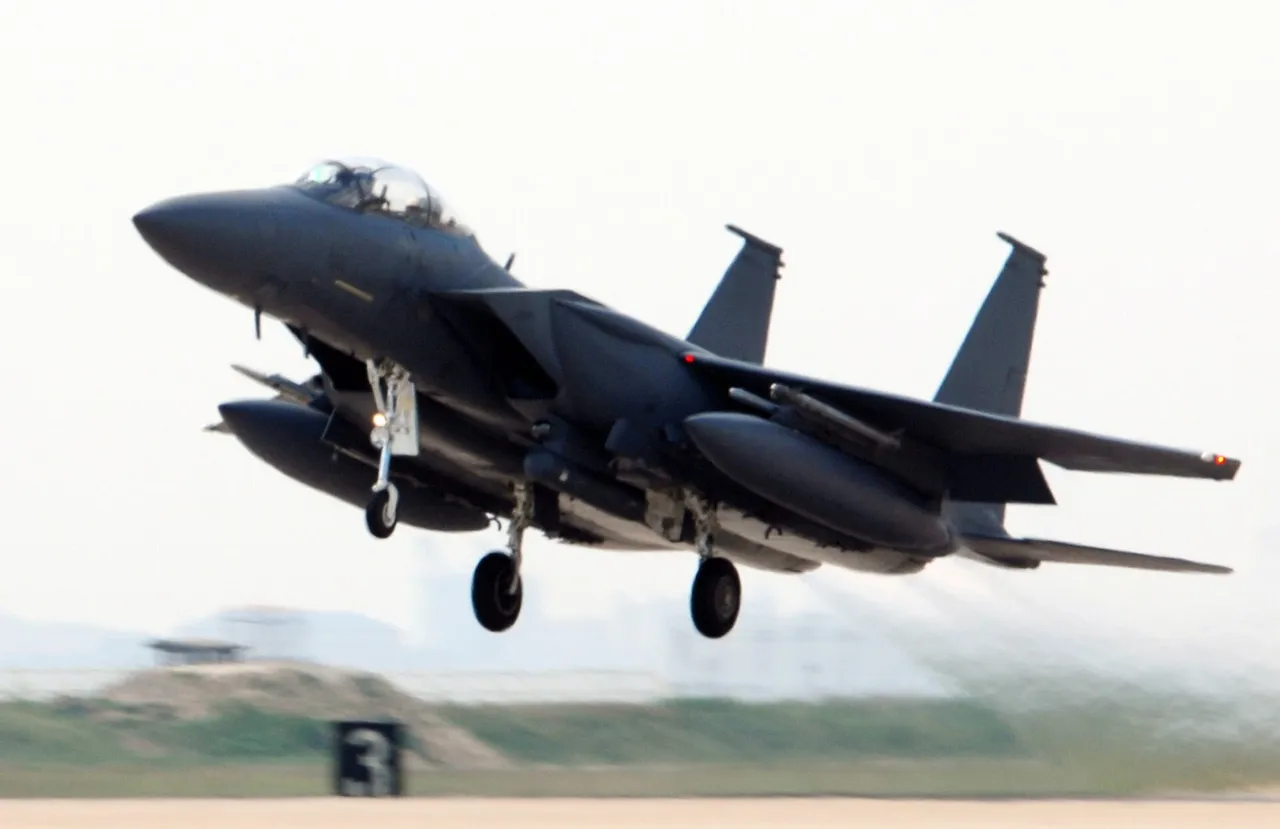
South Korea's military has refused to tell the National Assembly how many times Chinese and Russian military aircraft entered the Korean Air Defense Identification Zone (KADIZ), and how often Chinese warships entered South Korean jurisdictional waters, breaking with its past practice of handing such figures to lawmakers before the annual parliamentary audit.
According to National Assembly officials cited by the Chosun Ilbo, which reported the refusal on 12 October 2026, Air Force Headquarters told the parliament's National Defense Committee that submitting the data was restricted to avoid exposing the military's surveillance capabilities and to protect operational activities. The Joint Chiefs of Staff (JCS), which received the same request, said its answers were restricted to protect operational activities.
A report by Sandtimes on Tuesday said the JCS also declined to give five-year figures for Japanese military aircraft entering the zone. In its written reply, the JCS said that when foreign military aircraft enter the KADIZ, the military identifies and tracks them and takes firm tactical measures under international law to prevent any violation of South Korean airspace, but that details such as the number of entries could not be provided.
Figures that were public until this year
The refusal stands out because the same figures were disclosed until early this year. The Chosun Ilbo reported that Chinese aircraft entered the KADIZ more than 100 times last year, and that Chinese military vessels entered South Korean jurisdictional waters, including areas south of the Northern Limit Line in the Yellow Sea, more than 350 times, eight of them involving aircraft carriers. Sandtimes said the warship figure had been submitted to the parliament in April.
The JCS said the change was not meant to deny lawmakers information. It said written data could be leaked or used to estimate the military's surveillance capabilities, and that it would instead brief the parliament in closed sessions, News1 and Sandtimes reported.
The tighter line extends beyond the KADIZ. The JCS told lawmakers it had identified no unusual North Korean infiltration training without giving numbers, and the defence ministry said last month that detailed figures on North Korean artillery shell shipments to Russia were now a classified South Korea-US combined secret, after disclosing them until March.
Lawmakers question the motive
People Power Party lawmaker Han Gi-ho called the refusal to disclose even Chinese warship entries submissive and asked whether the military was struggling to track North Korean, Chinese and Russian movements because the United States had halted intelligence sharing, the Chosun Ilbo reported. A military official quoted by the paper said the figures were held internally and questioned why they were not being released.
Shin Beom-chul, a senior research fellow at the Sejong Institute and a former vice defence minister, told the paper the military might be reluctant to publish the numbers because Chinese, Russian and North Korean activity had become so frequent, and warned it could invite criticism that the military was watching for reactions from Pyongyang, Beijing and Moscow.
The approach contrasts with Taiwan, whose defence ministry publishes daily counts of Chinese military aircraft and ships around the island. Its latest report, covering the 24 hours to 6 a.m. Taipei time on Tuesday, 13 October 2026, listed five aircraft, six naval vessels and four official ships, with four of the aircraft crossing the Taiwan Strait median line.
For Seoul, the question in this year's audit is whether closed-door briefings can give lawmakers the same oversight of Chinese and Russian air and naval pressure that the published numbers once did.
Sources
More in Indo-Pacific
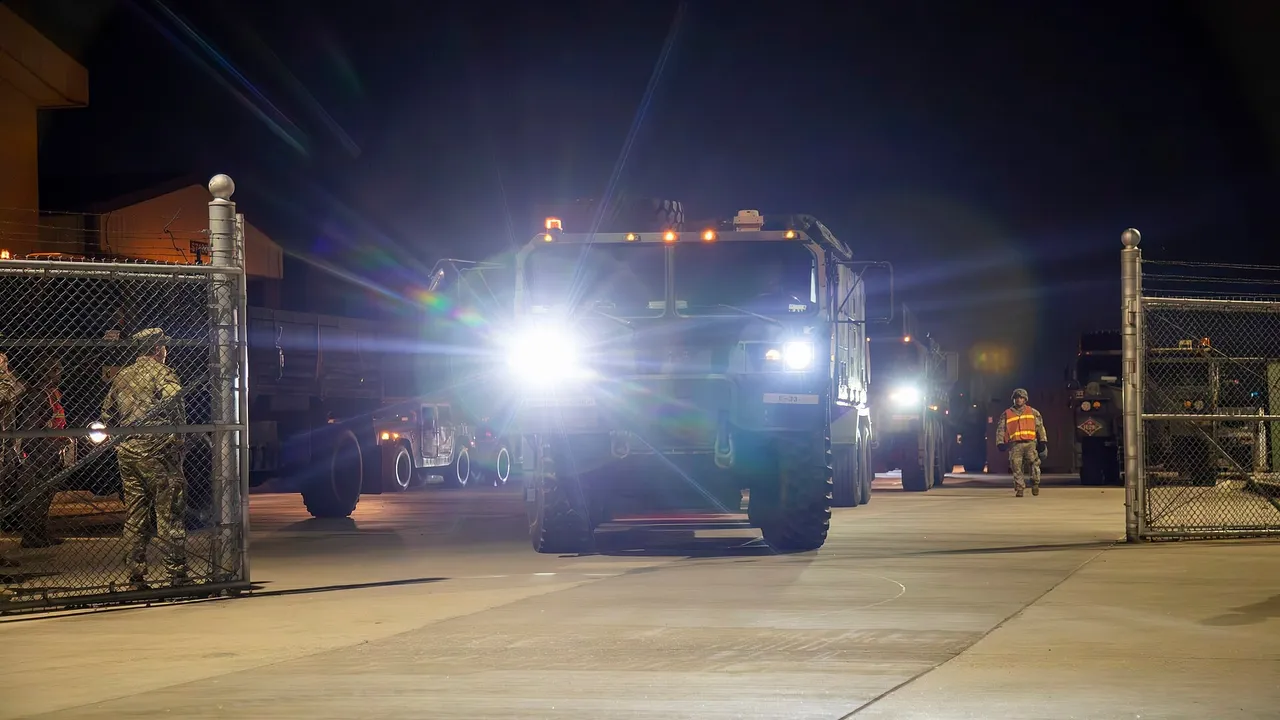
USFK chief wants allied drills spread across South Korea as drones threaten fixed posts
At the AUSA convention, USFK chief Gen. Xavier Brunson urged drills from Jeju to Gyeonggi, as Eighth Army air defenders train to move under drone threat.
TaiwanDefence · 2h ago · 2 min read
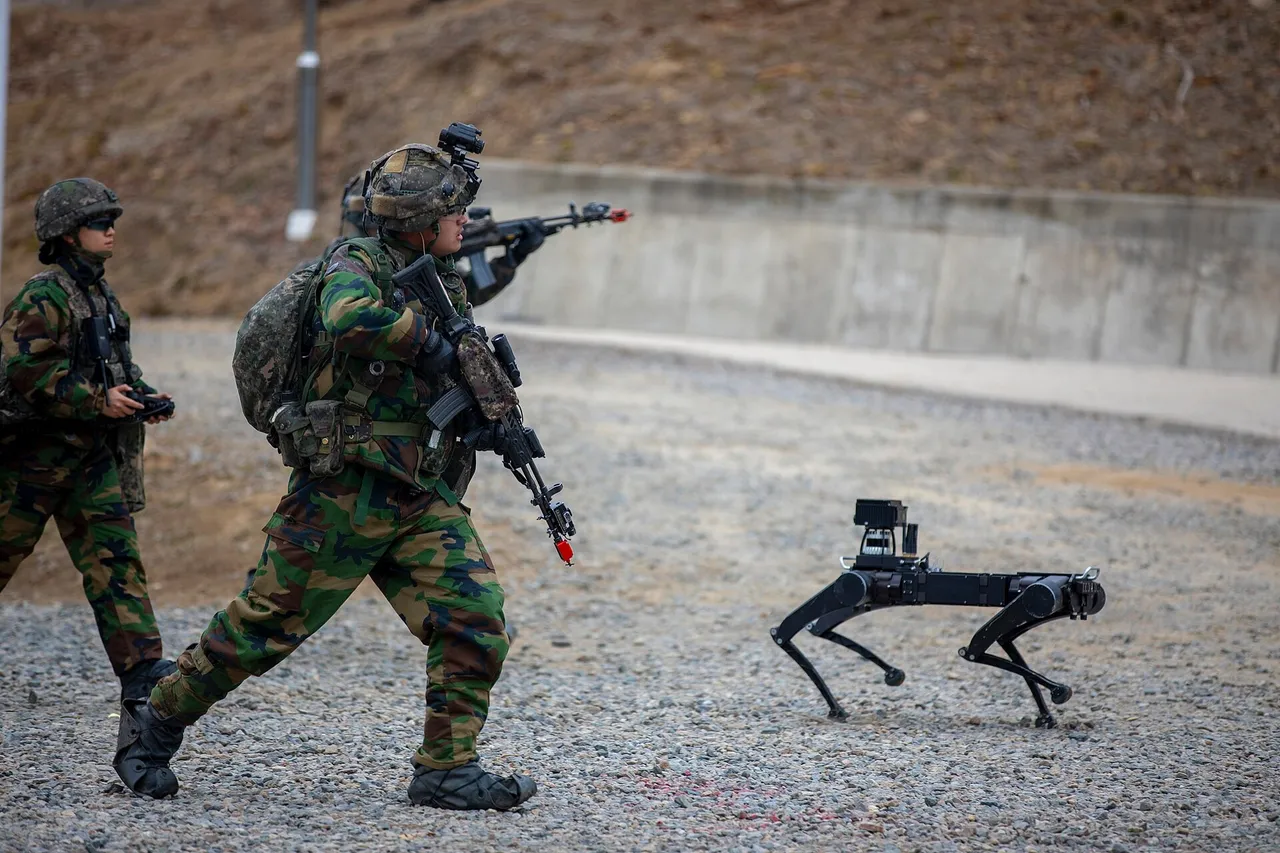
South Korea opens first military AI hub to train robots for mine clearance and bomb disposal
The Pangyo centre is the first of five planned defence AI hubs, as Seoul turns to humanoid and legged robots to keep soldiers out of the most dangerous jobs.
TaiwanDefence · 4h ago · 2 min read
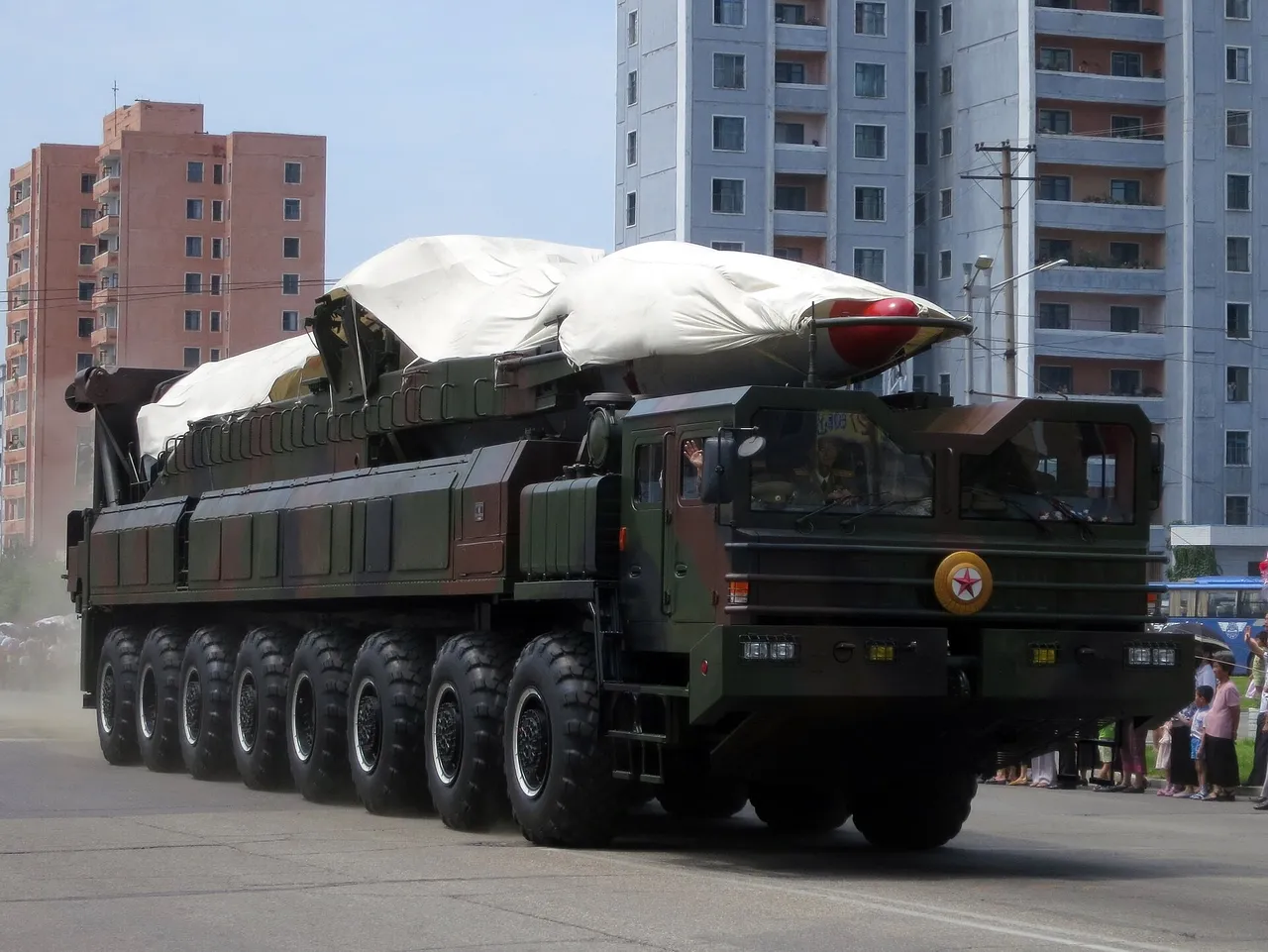
North Korea fires several ballistic missiles from Pyongyang area, Seoul and Tokyo say
South Korea's military detected the launches at about 9:20 a.m., and Japan believes two objects fell outside its EEZ, nine days after the 3 October test.
TaiwanDefence · 1d ago · 2 min read
Discussion (0)
Comments are not currently available.