
USFK chief wants allied drills spread across South Korea as drones threaten fixed posts
At the AUSA convention, USFK chief Gen. Xavier Brunson urged drills from Jeju to Gyeonggi, as Eighth Army air defenders train to move under drone threat.
TAIPEI —
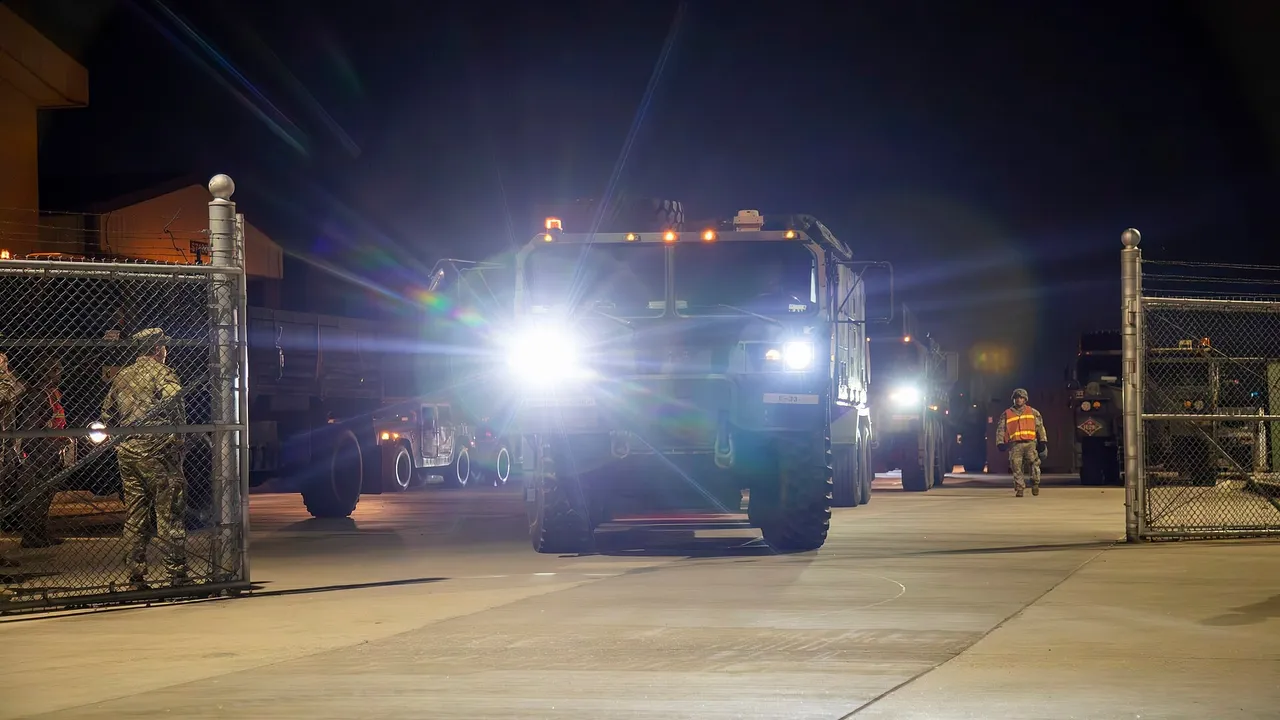
The commander of US Forces Korea, Gen. Xavier Brunson, said on Monday, 12 October 2026, that the allied exercises held in South Korea each year should be spread across far more of the country, arguing that the war in Ukraine has shown how drones and other modern weapons punish forces that stay in fixed positions.
Speaking on a panel at the Association of the United States Army annual convention in Washington, Brunson said the two large exercises held every year largely revolve around big command posts and that the allies needed to move away from that model. He suggested training that stretches from Jeju Island in the south up to Gyeonggi Province in the north, effectively using the whole peninsula, and said forces should be distributed so they are not tied to one place.
Brunson also floated more training between the two main annual exercises, instead of concentrating preparation on those events. He said US Forces Korea had recently run a strategic exercise without troops in which personnel flew by helicopter to study how forces could manoeuvre across South Korea in a crisis.
He warned that North Korean troops fighting for Russia in Ukraine were feeding combat lessons back into their training and weapons development, calling it one of the most pressing problems his command faces because the adversary was learning in real combat while the allies looked for better ways to train.
Air defenders practise being hunted
At a separate media roundtable at the same convention, Lt. Gen. Joe Hilbert, who commands the US Eighth Army in Korea, said one-way attack drones were becoming an ever-present reality on the battlefield. He said the command was folding lessons from Ukraine and from Operation Epic Fury, the US air campaign against Iran, into its training, air defence modernisation and experimentation, and assumed North Korea was learning the same lessons.
Col. Rosanna Clemente, commander of the 35th Air Defense Artillery Brigade, said her units now train for scenarios in which their systems are hunted. She said air defenders routinely practise displacing launchers to alternative sites across the peninsula while keeping ballistic missile defence coverage, and rely on deception and distraction techniques drawn from the Russia-Ukraine war. She said the brigade is bringing in Patriot batteries enabled by the Integrated Battle Command System and the Indirect Fire Protection Capability (IFPC) system.
Training continues despite cuts
Hilbert told reporters that US troops on the peninsula were still building readiness despite President Donald Trump's scepticism about the US military presence in South Korea. He said Korea-based Apache helicopters held gunnery training two weeks earlier and the 2nd Infantry Division was still rotating soldiers through ranges. He described the shortened Ulchi Freedom Shield exercise in August, cut from 11 days to five, as a one-off adjustment.
Taken together, the remarks suggest US commanders in Korea want smaller, more frequent and more mobile training to carry the readiness load that large set-piece exercises have carried in the past, at a time when the big drills are under political pressure from Washington.
Sources
More in Indo-Pacific
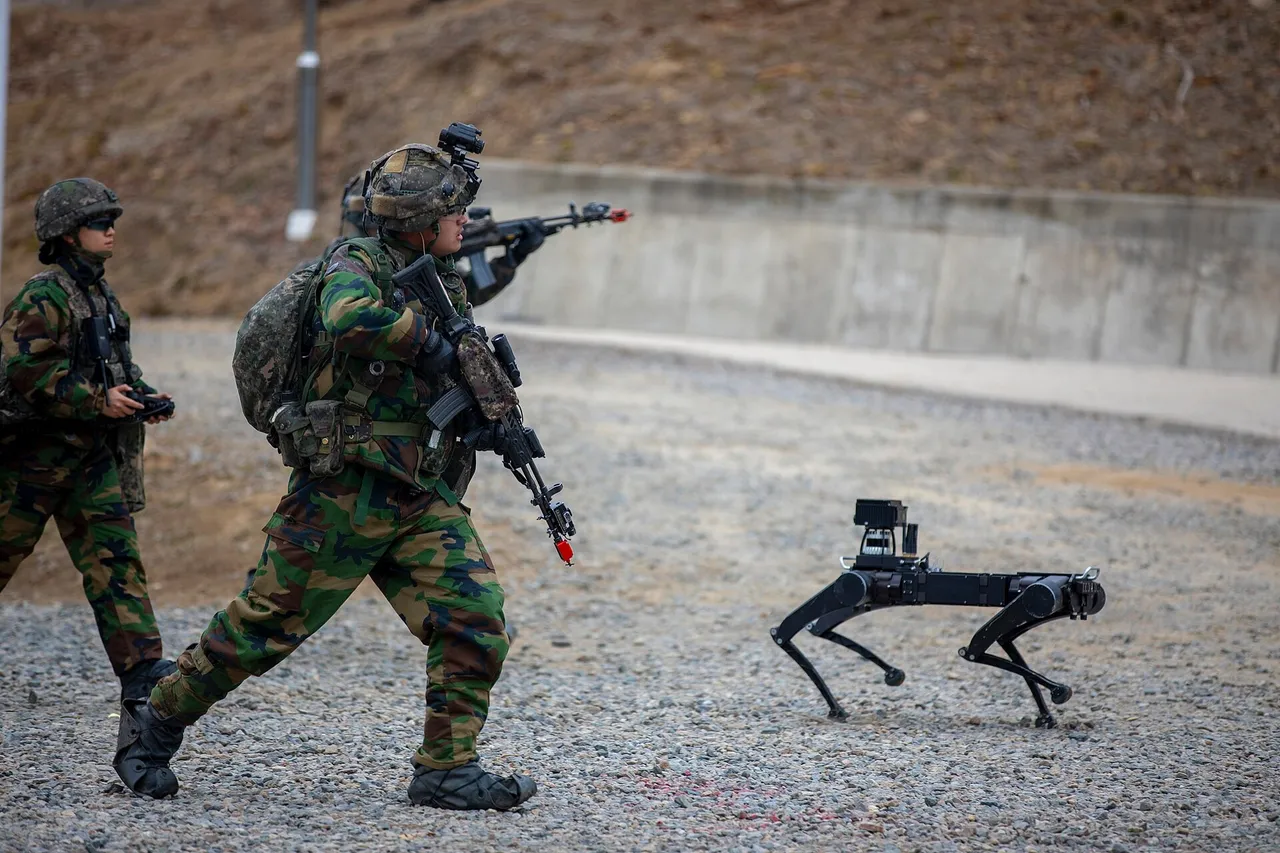
South Korea opens first military AI hub to train robots for mine clearance and bomb disposal
The Pangyo centre is the first of five planned defence AI hubs, as Seoul turns to humanoid and legged robots to keep soldiers out of the most dangerous jobs.
TaiwanDefence · 3h ago · 2 min read
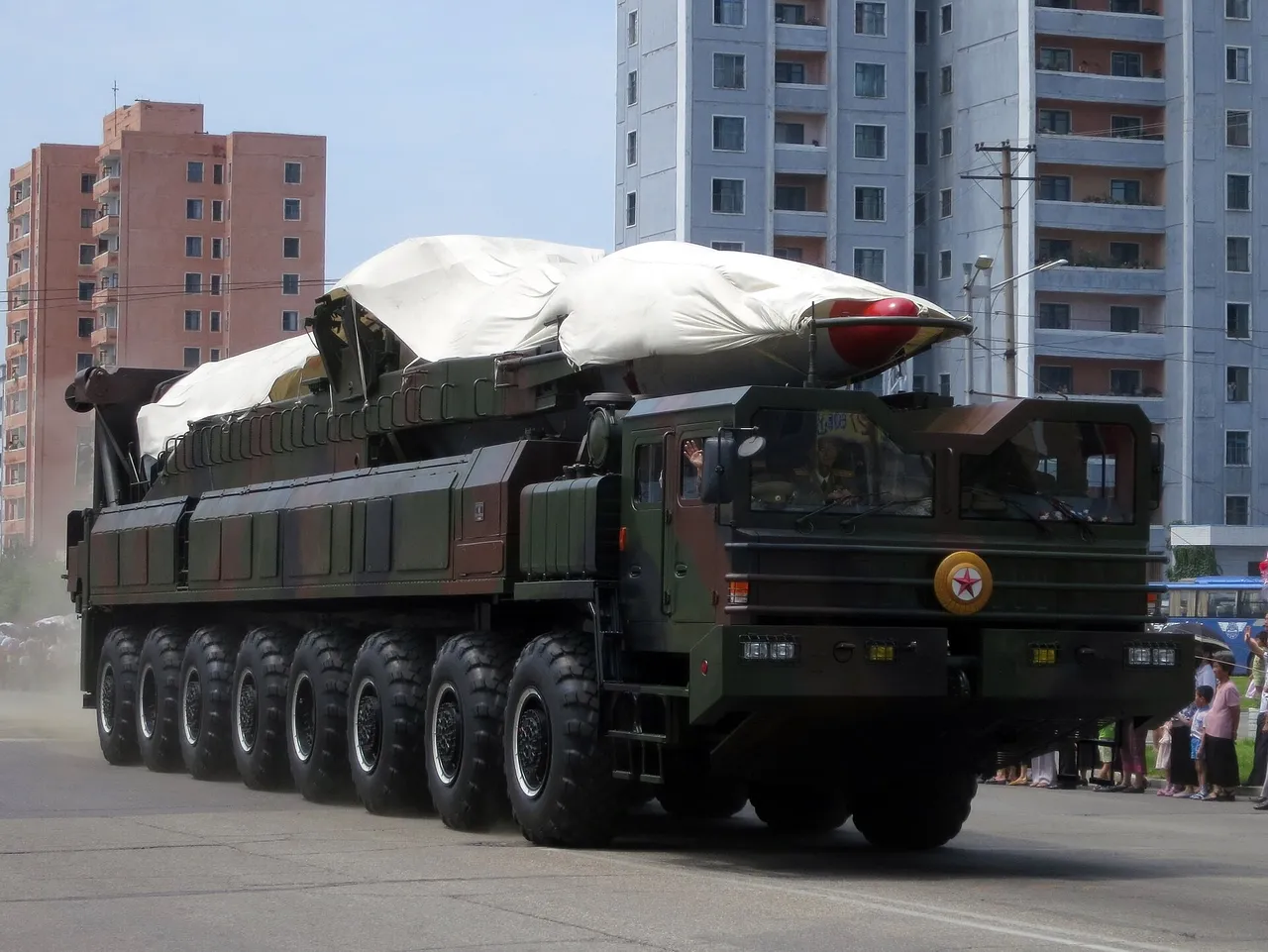
North Korea fires several ballistic missiles from Pyongyang area, Seoul and Tokyo say
South Korea's military detected the launches at about 9:20 a.m., and Japan believes two objects fell outside its EEZ, nine days after the 3 October test.
TaiwanDefence · 1d ago · 2 min read
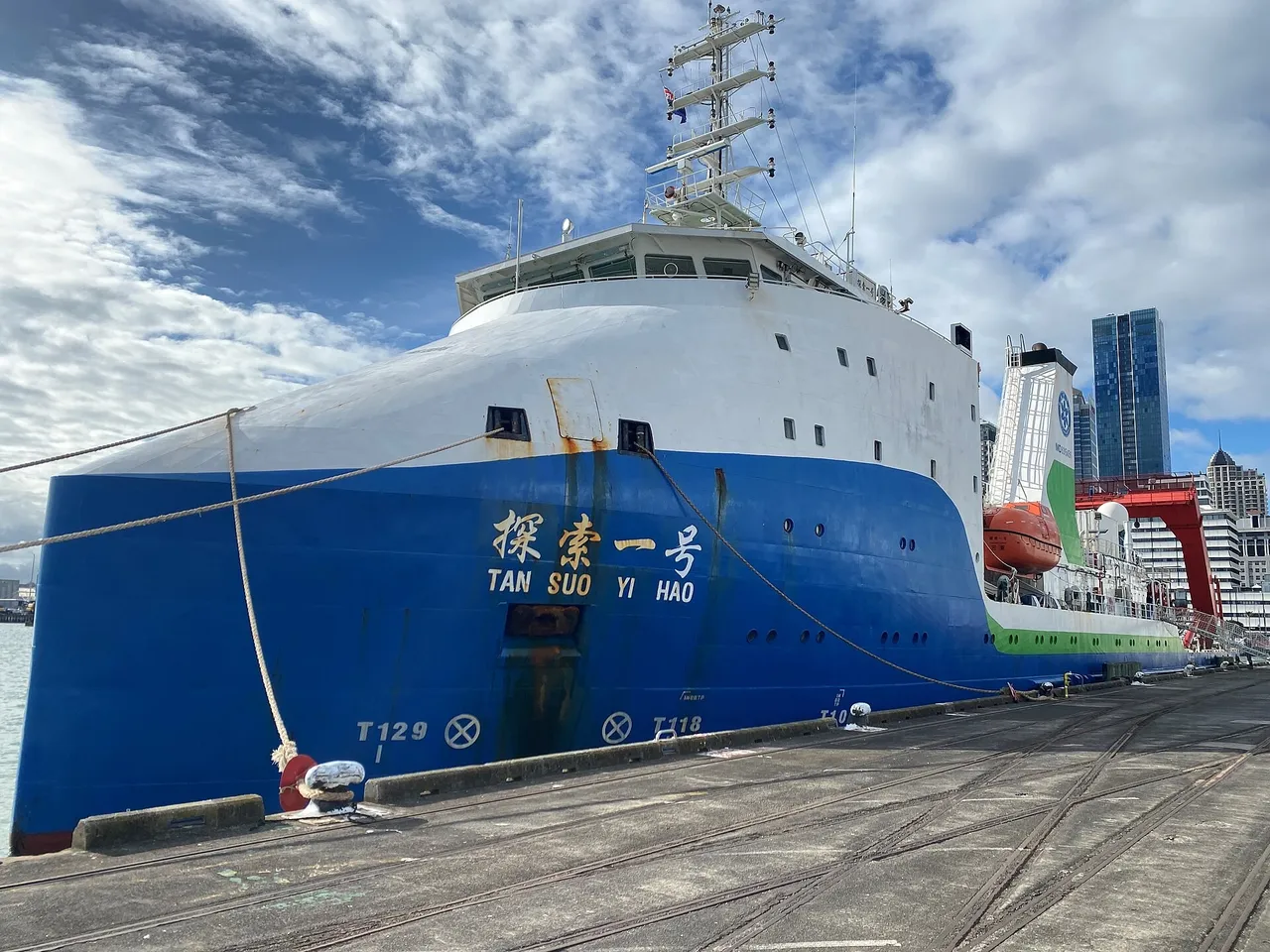
Philippine coast guard confronts Chinese deep-sea research ship as PLA warships sail nearby
The PCG says the Tan Suo Yi Hao declared diving operations near Hubo Reef without consent, with two Chinese navy and two coast guard ships close by.
TaiwanDefence · 1d ago · 3 min read
Discussion (0)
Comments are not currently available.