
ANALYSIS
Japan's first ACSA fuel draw in the Philippines is logistics practice Taiwan would need
On 9 October 2026 Tokyo confirmed its ASDF drew fuel from the Philippine Air Force under ACSA for the first time during Doshin-Bayanihan drills.
TAIPEI —
This article is an original Taiwan Defence analysis based on the cited public sources. It distinguishes reported facts from analytical judgments and does not represent original field reporting.
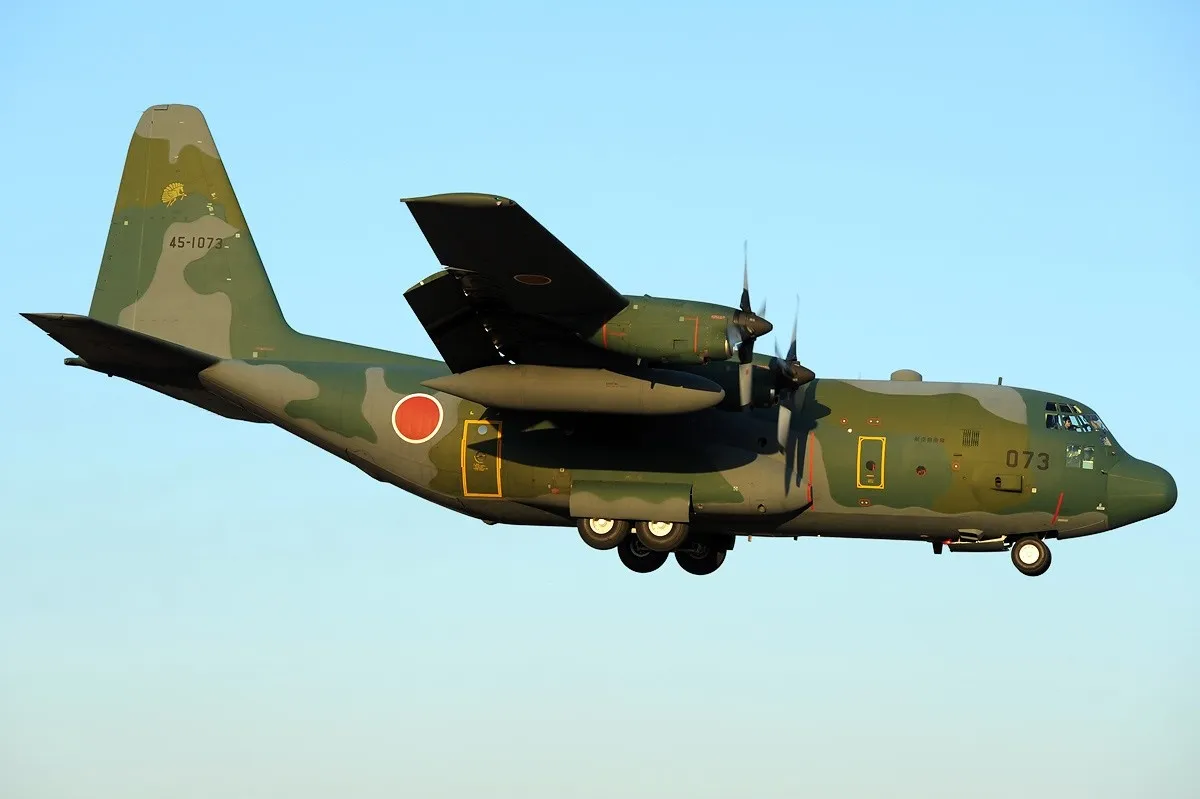
On 9 October 2026 the Japan Air Self-Defense Force said a C-130H transport had received fuel and other logistical support from the Philippine Air Force during the Doshin-Bayanihan exercise, the first time Tokyo and Manila applied their Acquisition and Cross-Servicing Agreement in the field. The drill ran from 4 to 9 October 2026 on Leyte and Mactan, with humanitarian airdrops and medical evacuations at its centre. The fuel draw is small. The habit it rehearses is not.
Japanese Defence Minister Shinjiro Koizumi had already framed the exercise as the first ACSA application and called it an important step that showed defence cooperation entering a new stage, according to reporting ahead of the opening. Philippine coverage put Japanese KC-130H and Philippine C-130H aircraft at Mactan-Benito Ebuen Air Base in Cebu, Daniel Z. Romualdez Airport in Leyte, and Puerto Princesa International Airport in Palawan, which faces the South China Sea. That geography is why a HA/DR fuel transfer belongs in a Taiwan defence brief rather than a routine alliance postcard.
From paper to a fuelled airframe
The ACSA entered into force on 22 August 2026 after Japan and the Philippines completed diplomatic notes, Philippine defence officials said at the time. The pact sets settlement procedures for reciprocal supplies and services between the Self-Defense Forces and the Armed Forces of the Philippines, covering exercises, humanitarian response, and other agreed activities. Until early October it remained a framework. The Doshin-Bayanihan fuel transfer is the first public proof that the paperwork can move JP-8, or its local equivalent, onto a Japanese transport on Philippine soil.
Cross-servicing sounds bureaucratic until a crisis makes every tanker hour count. Japan already hosts US forces and is expanding missile and surveillance posture in the Nansei islands near Taiwan. The Philippines has opened more access for US forces under its Enhanced Defence Cooperation Agreement and now has a reciprocal access pact with Japan. An ACSA that actually fuels aircraft links those access arrangements to sustainment. One C-130 does not fill a wartime shortfall. It does show that Japanese and Philippine logisticians have practised the paperwork and ground procedures under live conditions.
Koizumi linked the debut to a broader Japan-Philippines defence track that already includes reciprocal access procedures and growing exercise tempo. Philippine reporting noted that Doshin-Bayanihan is the sixth air-focused HA/DR series between the two forces, but the first held after ACSA took effect. That sequencing matters: access agreements move people and aircraft; cross-servicing keeps them supplied once they arrive. Taiwan's planners have watched Japan-Philippines ties tighten for years; the missing piece was evidence that logistics clauses leave the treaty text.
Why Taiwan should care about a HA/DR fuel stop
A Taiwan Strait contingency would strain air and sea approaches south and east of the island as much as the median line itself. Philippine airfields in Luzon, the Visayas, and Palawan sit on routes that matter for surveillance, lift, and potential allied support. Japanese airlift cycling through those fields under peacetime rules is not the same as wartime basing. It is closer to usable practice than another memorandum that never leaves a briefing slide.
The exercise design still limits what can be claimed. Official descriptions emphasise humanitarian assistance and disaster relief, night-vision landings, mass-casualty training, and aeromedical evacuation. Those missions build trust and airland skills without advertising a Taiwan war plan. Beijing will read the ACSA debut as another US-aligned logistics lattice hardening around the First Island Chain. Taipei should read it more carefully: the useful signal is not hostility, but whether Japan and the Philippines can keep aircraft flying when commercial fuel contracts and peacetime customs lanes disappear.
For Taipei, the practical questions are dull and decisive: can Japanese transports uplift fuel, food, medical kits, and spare parts from Philippine fields without improvising contracts under fire; can Philippine hosts do the same for Japanese aircraft cycling through; and how fast can those procedures scale beyond a single HA/DR serial. The 4 to 9 October 2026 exercise answered only the first of those at demonstration scale. It still beats another year of unsigned annexes.
What remains unproven
Scale is the open question. A single fuelled transport under exercise conditions does not prove that Japan could surge tankers, munitions handling, or spare parts through Philippine bases under combat pressure, or that Manila would authorise that surge in a Taiwan fight. Political consent, host-nation law, and Chinese coercive options against Philippine territory would decide far more than the ACSA text. The August entry-into-force statements stressed a free and open Indo-Pacific and mutual trust; they did not spell out Taiwan contingency clauses.
Still, alliances that only sign documents leave Taiwan guessing about real logistics. Alliances that fuel each other's transports in Palawan and Cebu give planners something firmer to model. The 9 October 2026 confirmation closes the gap between an August legal milestone and an operational first. For Taiwan, the central test is whether that first fuel stop becomes routine allied sustainment practice—or stays a one-off HA/DR headline while the harder wartime questions remain unanswered.
Sources
More in Analysis
Taiwan's pitch to build China-free drones with Japan now has to survive the Jiin Ming case
On 12 October 2026, Taoyuan prosecutors said a military drone supplier hid Chinese chips, a day after Taiwan was pitched to Japan as a China-free partner.
TaiwanDefence · 1h ago · 4 min read
Taiwan's pilot fill rate hides an F-16 manning crunch as Block 70s arrive
On 12 Oct 2026 Taipei said pilot fill is 87.8% and F-16 units are the manning crunch as Block 70s arrive.
TaiwanDefence · 3h ago · 4 min read
Taiwan's new F-16 Block 70s will train before their jamming shield is ready
On 12 October 2026, defence leaders told lawmakers Viper Shield software is still in development even as more jets may ferry this month.
TaiwanDefence · 5h ago · 4 min read
Discussion (0)
Comments are not currently available.