
US Army expands Infantry Squad Vehicle requirement from 649 to nearly 12,000, GM Defense says
GM Defense says the Army now plans to field its light, unarmoured troop carrier across 39 mobile brigades, and that it is also making PAC-3 MSE missile parts.
TAIPEI —
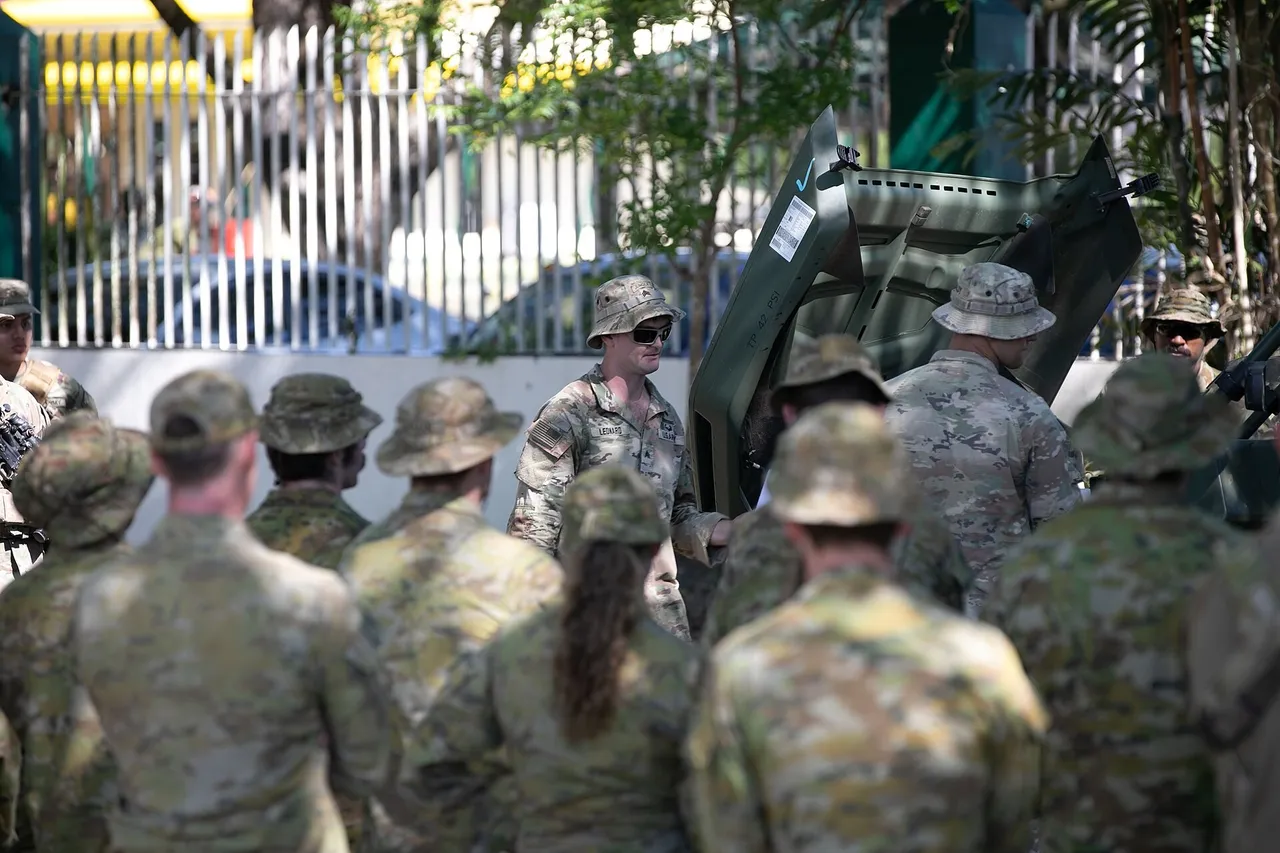
The US Army has expanded its planned requirement for the Infantry Squad Vehicle, a light and unarmoured troop carrier built by GM Defense, from about 649 vehicles to nearly 12,000, the company announced on 12 October 2026 at the annual exposition of the Association of the United States Army in Washington. Defense News calculated that the change would grow the Army's fleet of the vehicles by roughly 1,750 percent.
GM Defense said most of the growth is tied to a five-soldier utility version, the ISV-U. The company said it worked with the Army to identify an operational gap, paid for the ISV-U prototype itself, and handed seven early prototypes to units for assessment at no cost to the service. It said the variant is now expected to equip 39 active-duty and National Guard mobile brigades.
The company's product material also describes an earlier multi-year order for about 1,200 of the standard vehicles and says the Army now plans to procure more than 10,000 of them. The announcement and the reports reviewed did not give a contract value or a delivery schedule for the larger requirement.
A cheap truck for the new mobile brigades
The ISV is built on the commercial Chevrolet Colorado ZR2 pickup architecture. Unlike traditional combat vehicles it carries no armour, and the standard design has neither doors nor windows. GM Defense describes it as a way to move infantry quickly while sparing soldiers the weight of carrying heavy kit on foot. A heavier diesel-electric truck derived from the Silverado HD is GM's entry in the Army's competition for the next ISV-Heavy.
Army officials say the vehicle will serve as a core platform for the service's new Mobile Brigade Combat Teams, formations shaped by lessons from the war in Ukraine and meant to respond quickly to shifting threats and the demands of large-scale combat. GM Defense president Steve duMont said the company aims to pass GM's engineering, supply chain and manufacturing scale directly to troops so that requirements turn into fielded equipment faster.
The scale of the increase suggests the Army is betting on large numbers of light, commercially derived vehicles for its mobile brigades, accepting the lack of protection in exchange for speed, air mobility and low cost.
Patriot interceptor parts in 22 days
GM Defense used the same event to highlight work outside vehicles. It said it delivered its first batch of housing components for Lockheed Martin's PAC-3 Missile Segment Enhancement interceptor 22 days after signing the contract, with the deal signed on 6 August and parts delivered on 28 August. The company said the work was requested by the US Department of War to speed Patriot production and that it plans to apply the same casting and fabrication practices to future munitions programmes.
Extra suppliers for the PAC-3 MSE matter for Taiwan. The Liberty Times reported in February that Taiwan used roughly NT$20 billion left over from an earlier Patriot purchase to buy 102 PAC-3 MSE missiles, with the first deliveries arriving from early 2026, and that the defence ministry plans to buy more than another Patriot battalion of the same missiles under its special arms budget.
Robotic truck and silent power
GM Defense also unveiled a concept for an uncrewed ground vehicle built on Chevrolet Silverado 3500HD dual-rear-wheel skateboard architecture, intended for silent logistics, resupply and casualty evacuation, with functional trials targeted for 2027. It showed the EPIQ Hybrid prototype, a 60-kilowatt, 100-kilowatt-hour trailer-mounted energy storage system paired with a generator to cut thermal and noise signatures for command posts and field hospitals.
Outside the United States, GM Defence UK is pursuing the British Land Mobility Vehicle programme through Team LionStrike, a teaming arrangement with BAE Systems and NP Aerospace.
Sources
More in Army
Taiwan defence ministry confirms 28 personnel in improper lending and investment case totaling NT$10.6 million
Defence Minister Wellington Koo told lawmakers on 12 October 2026 the case was painful and should not happen in the armed forces, after the comptroller bureau disclosed the scale of the probe.
TaiwanDefence · 2h ago · 3 min read
Taiwan army sends bullying evidence to prosecutors after young lieutenant dies at 206th Brigade base
Sixth Army Corps says it has obtained conversations in which a 206th Brigade lieutenant was berated before her death, and has referred them to prosecutors.
TaiwanDefence · 4h ago · 2 min read
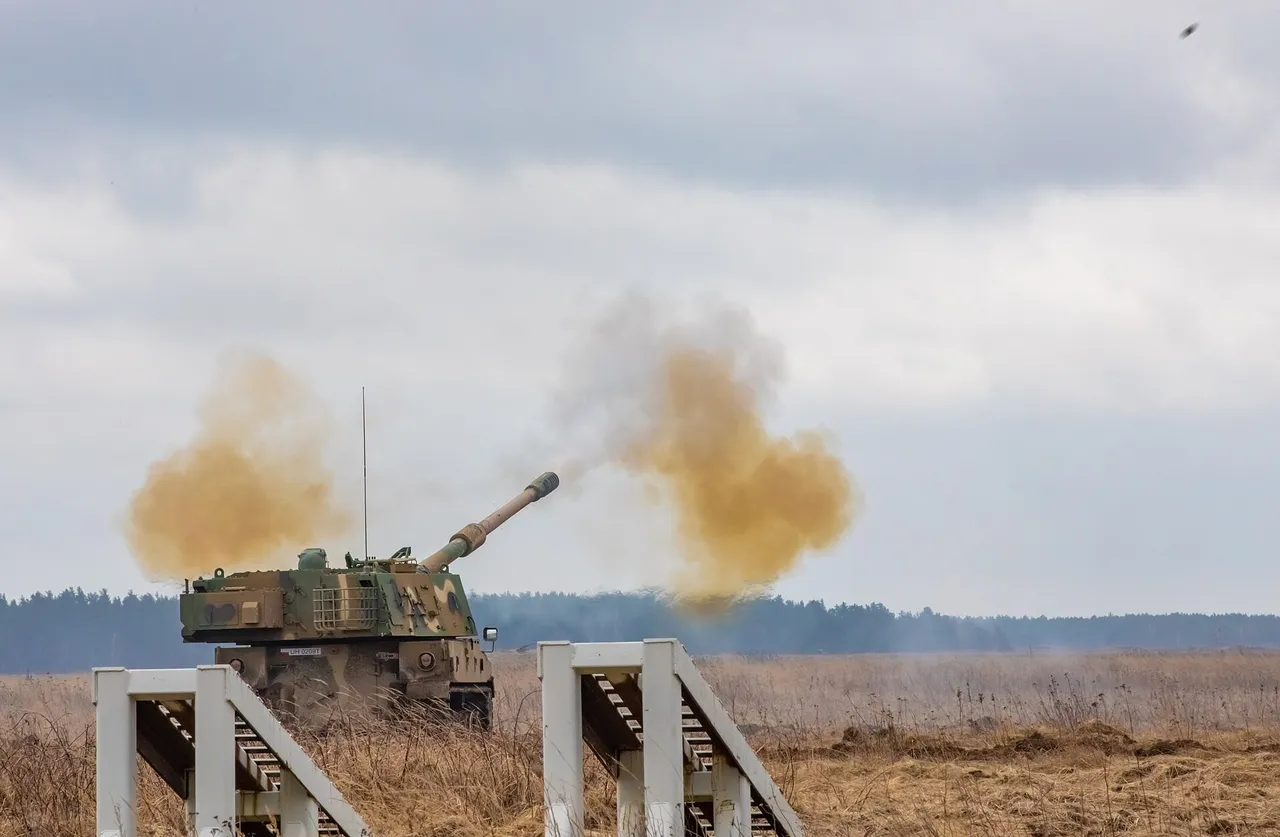
US Army takes delivery of first Hanwha wheeled howitzer meant to replace its towed M777 guns
The K9-based Mobile Tactical Cannon arrived less than a year after the Army asked industry for one, and the service has already ordered three more prototypes.
TaiwanDefence · 8h ago · 2 min read
Discussion (0)
Comments are not currently available.