
ANALYSIS
Distant China coastal live-fire after Lai's National Day is not a quiet Taiwan Strait
On 12 October 2026 Koo called five China coastal live-fire boxes low threat; ADIZ flights the same morning show pressure did not pause.

TAIPEI —
This article is an original Taiwan Defence analysis based on the cited public sources. It distinguishes reported facts from analytical judgments and does not represent original field reporting.
On 12 October 2026, Defence Minister Wellington Koo told reporters that Taiwan was watching a week of Chinese live-fire and military training notices across five coastal sea areas and had assessed them as artillery-style firing along China's own coast rather than operations near Taiwan. The Maritime and Port Bureau added that the East China Sea and South China Sea boxes sat about 159 and 588 nautical miles from Taiwan, and that vessels near the island were unlikely to be affected. Those facts are real. They are also easy to misread as a quiet National Day week.
The calendar still matters. President Lai Ching-te delivered his National Day address on 10 October. Chinese maritime offices had already posted no-sail notices for activity running from 12 to 17 October in the Bohai Sea, Yellow Sea, East China Sea and South China Sea. Beijing did not formally brand the package as a Taiwan Strait blockade drill, yet Chinese defence ministry messaging over the weekend still framed People's Liberation Army exercises around Taiwan as tools to deter what it calls independence moves and foreign interference. Koo condemned repeated Indo-Pacific military activities that create insecurity even while saying the immediate coastal boxes looked like limited coastal artillery training.
Liberty Times Military made the contrast with 2024 explicit. Mapping the Chinese notices, it argued that the 2026 boxes were small, hugged the Chinese coast, and left Taiwan more than about 290 kilometres from the nearest Zhejiang training area — a far cry from Joint Sword-2024B, when the PLA carved large exercise zones around Taiwan days after Lai's first National Day speech as president and surged aircraft and ships, including carrier activity southeast of the island. In other words, the 2026 live-fire geometry looks more like the limited 2020 post-National Day coastal shoot than like an encirclement script.
That comparison is useful only if it is not mistaken for a strategic holiday. On the same reporting cycle, Taiwan's Ministry of National Defense said that from 6am on 11 October to 6am on 12 October it detected four PLA aircraft sorties, six PLAN ships and three official ships around Taiwan, with all four aircraft entering the northern, central and southwestern air defence identification zone. Taipei scrambled CAP aircraft, navy ships and coastal missile systems in response. Distant coastal artillery notices and near-island ADIZ pressure can run on parallel tracks in the same 24 hours.
The analytical mistake is to treat the live-fire map as the whole pressure picture. Coastal boxes hundreds of kilometres away are poor tools for sealing Taiwan's ports, but they are efficient tools for filling the information space after a political speech, for rehearsing multi-theatre firing schedules, and for letting Chinese spokespeople claim deterrence without drawing the same international condemnation that a fresh Joint Sword-style encirclement would invite. Taipei's own language — anticipate the enemy as broadly as possible — is an admission that the low immediate threat judgment is a provisional assessment, not a forecast that the week will stay quiet.
A second mistake is to score China only on whether it repeats the last shock exercise. After 2022 and 2024, markets and allies learned to watch for sudden multi-zone boxes around Taiwan. A quieter geometry can therefore look like restraint even when grey-zone and ADIZ activity continues, militia and coast-guard friction persists elsewhere in the first island chain, and Chinese political messaging still ties military routine to punishing Taiwanese political speech. Distance on a navigation warning is not the same as demobilisation.
For Taiwan's defence planners the operational takeaway is dual-track monitoring. One track is the Chinese coastal live-fire calendar: which units fire, for how long, and whether any box migrates toward the Strait or the Miyako and Bashi approaches. The other track is the daily ADIZ and median-line picture that never needed a special navigation warning. Koo's 12 October brief answered the first track with a low-threat coastal-artillery call. The ministry's own PLA activity bulletin for the same morning answered the second track with aircraft already inside Taiwan's ADIZ.
So the National Day week of 2026 should not be filed as Beijing stood down. It should be filed as Beijing chose a distant live-fire signalling package while keeping the cheaper, deniable pressure tools running around Taiwan. That mix can look calmer on a chart of closed sea areas and still keep Taiwanese forces busy. The question for the rest of October is not whether Zhejiang is 290 kilometres away. It is whether any later package converts political anger into another near-island joint combat readiness patrol or stays on the coastal-artillery template Koo described on 12 October 2026.
Sources
More in Analysis
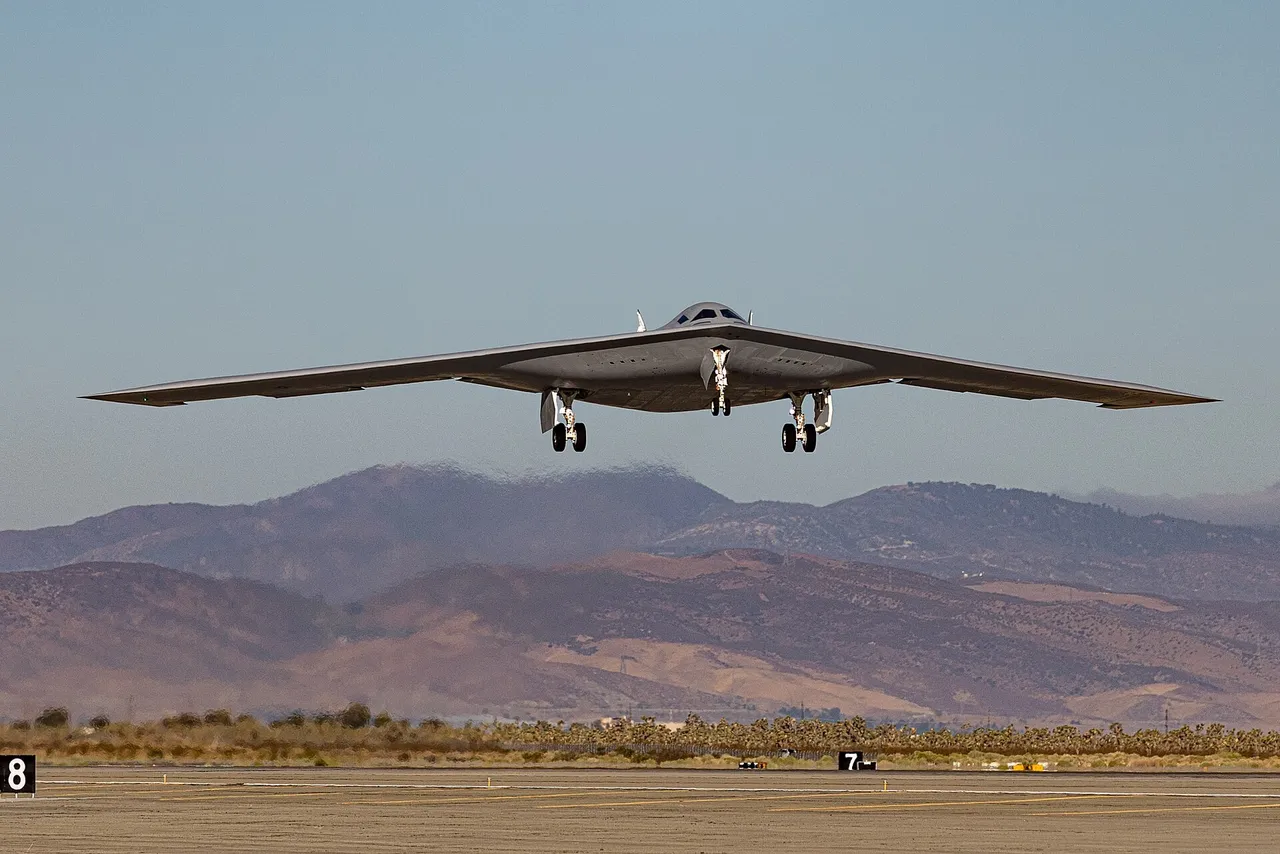
A faster B-21 line speeds the bomber's arrival, but the Pacific question is how many America buys
The 2026 groundbreaking of a new B-21 assembly line lifts output by a quarter, yet the fleet size Indo-Pacific commanders want awaits a 2027 budget call.
TaiwanDefence · 13h ago · 4 min read
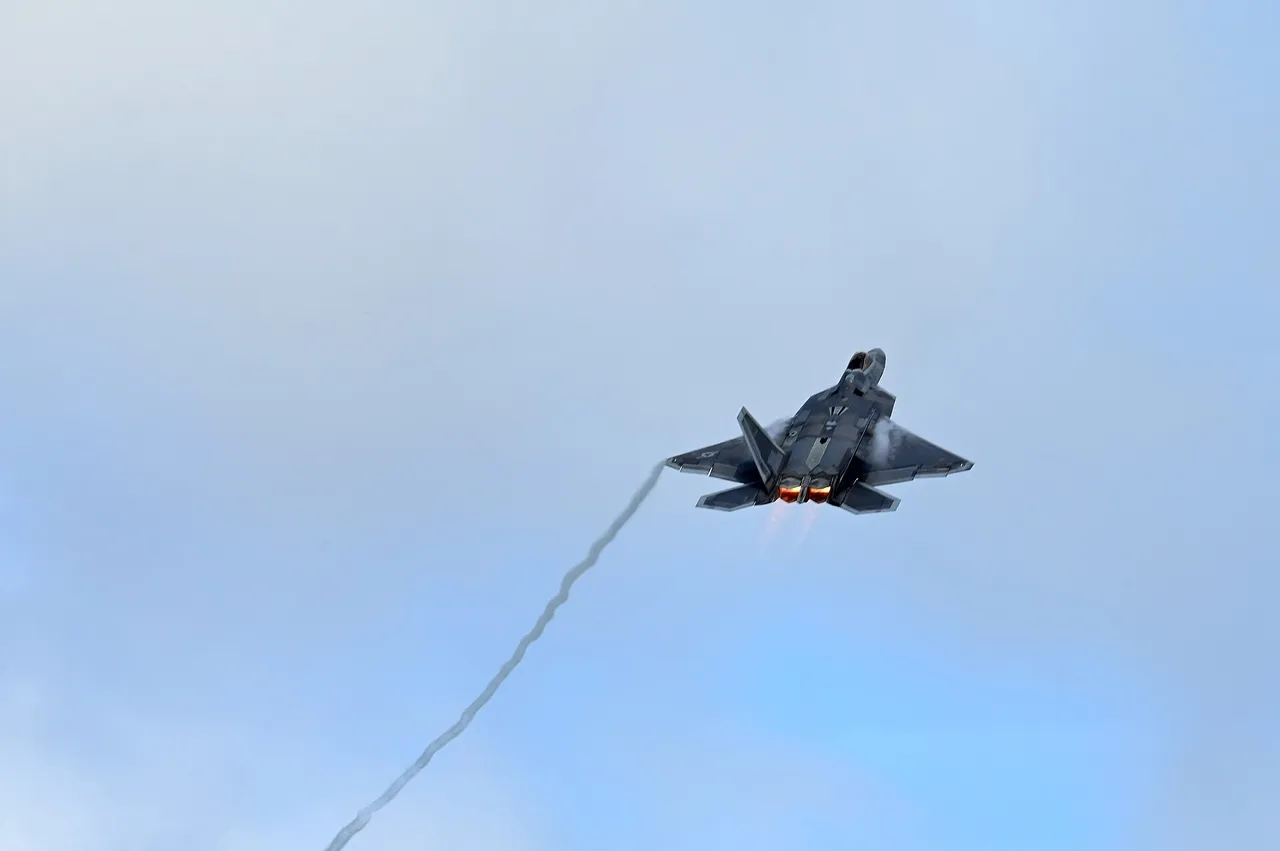
The F-47's longer reach eases, but does not solve, America's distance problem in a Taiwan fight
The Air Force's planned 1,000-nautical-mile radius, cited again in October 2026, still leaves Guam-based jets reliant on tankers, and its first flight is planned for 2028.
TaiwanDefence · 17h ago · 4 min read
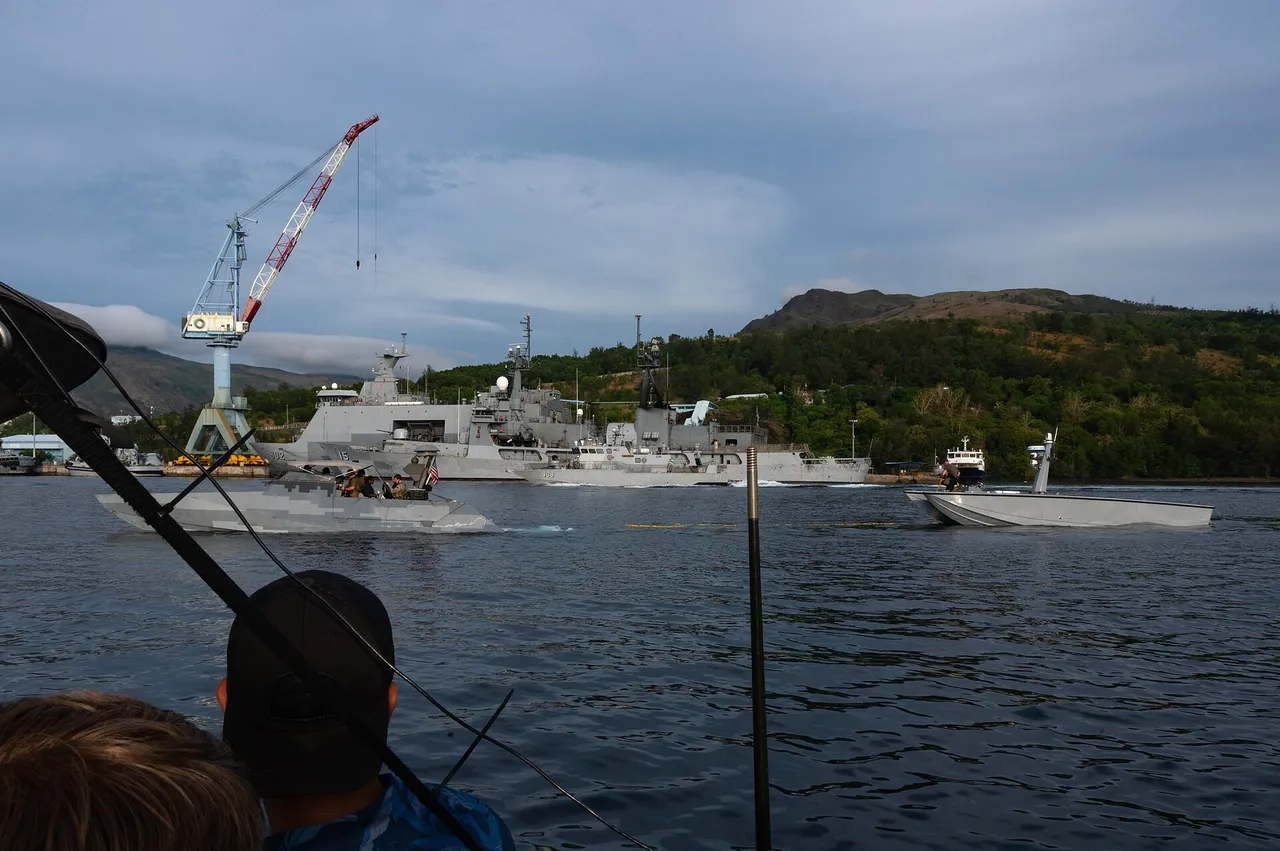
Taiwan's first patrol drone boats run on US autonomy while the homegrown Endeavour Manta waits
Taiwan's coast guard chose a MARTAC design over CSBC's Endeavour Manta in October 2026. The hulls are local; the hard part, autonomy, is still imported.
TaiwanDefence · 20h ago · 4 min read
Discussion (0)
Comments are not currently available.