
US Army buys launchers that let Abrams tanks fire Switchblade attack drones without opening hatches
General Dynamics Land Systems is due to hand four PERCH 2.0 prototypes to the 1st Cavalry Division at Fort Hood by the end of October, after the Army bought three through an existing Abrams support contract.

TAIPEI —
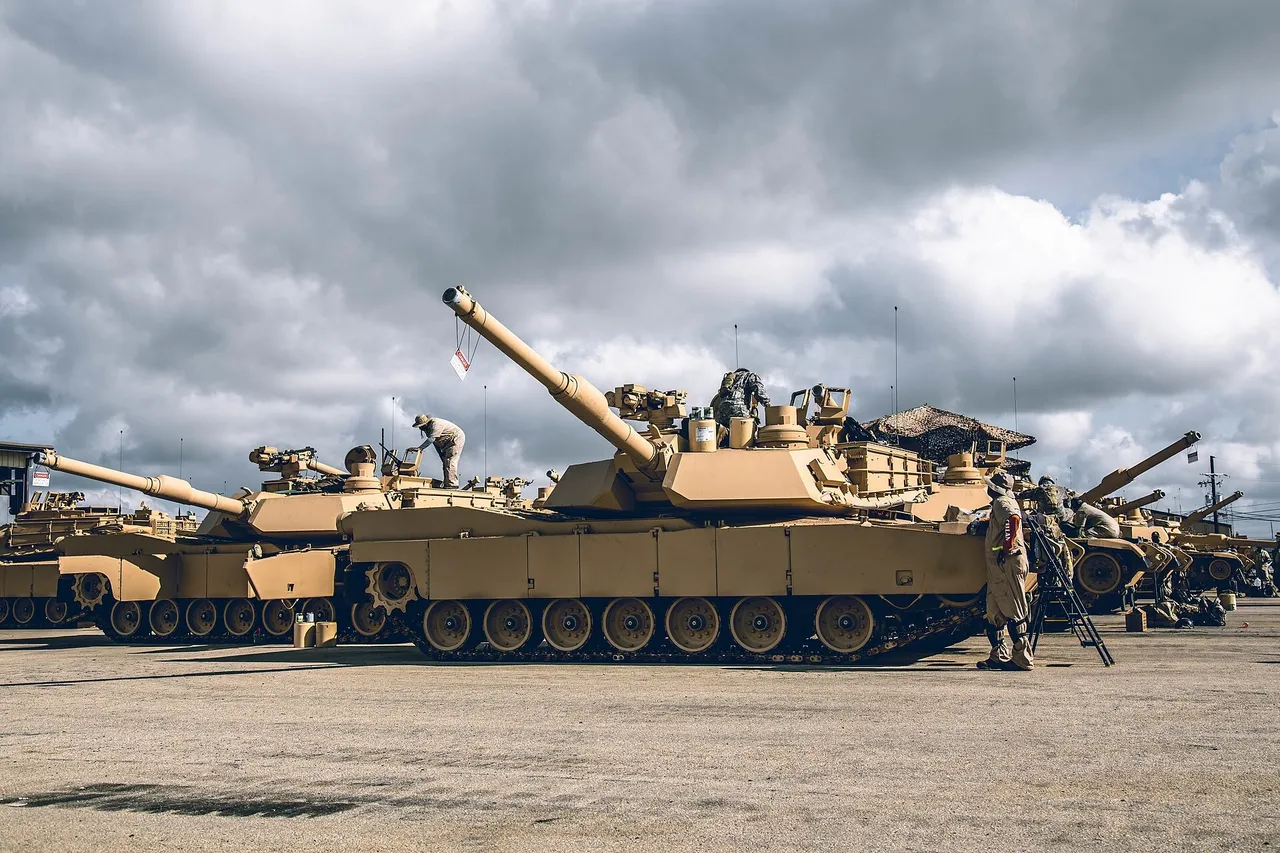
The US Army has bought three prototype PERCH 2.0 launchers that let M1A2 Abrams main battle tanks fire Switchblade 300 loitering munitions, small attack drones, from under armour, giving tank crews a way to scout and strike targets beyond their line of sight. General Dynamics Land Systems (GDLS) is due to deliver four prototypes to the 1st Brigade, 1st Cavalry Division at Fort Hood, Texas, by the end of October 2026 for testing with soldiers.
The Army bought three of the four kits through the existing Abrams System Technical Support contract, adding the purchase in August 2026. Neither the company nor the service has disclosed the value of that contract change, the unit cost of a kit or who is paying for the fourth prototype. The programme remains at the experimentation stage and no decision on series production has been made.
PERCH, short for Precision Effects and Reconnaissance, Canister-Housed, is a bolt-on kit for Abrams tanks and Stryker armoured vehicles. GDLS developed the first version with its own research money, drawing on lessons from the war in Ukraine and on input from field commanders in Europe, and unveiled it at the Association of the United States Army (AUSA) annual meeting in October 2025. PERCH 2.0 makes its public debut at AUSA 2026, which opens in Washington on 12 October.
What the Army asked to change
According to Scott Taylor, the GDLS director of US growth, the Army asked for four changes after the first iteration: better beyond-line-of-sight capability, easier reloading, more storage space and the ability to launch without crews opening their hatches. The original kit replaced the loader's sponson box on the tank turret and bolted to existing attachment points without welding or cutting. It carried one heavier anti-armour Switchblade 600 alongside three Switchblade 300 rounds.
To gain magazine space, GDLS dropped the Switchblade 600 and standardised on the smaller Switchblade 300. Publicly listed AeroVironment figures put the Switchblade 300 Block 20 munition at about 1.7 kg, with more than 20 minutes of flight time and a range of up to 30 km with an extended-range antenna, against about 15 kg and a demonstrated standoff of more than 40 km for the Switchblade 600. GDLS has not said how many rounds the redesigned canister holds.
The change moves the kit away from a single heavy anti-tank shot toward a deeper load of lighter rounds suited to reconnaissance and to strikes on infantry and lightly armoured vehicles. A tank's 120mm smoothbore gun can only engage what its crew can see, while anti-tank missile teams can hide behind buildings and hills. A drone launched from the tank can search for them from the air first, without the tank driving into their field of fire.
Drones and armour
The war between Russia and Ukraine has exposed how vulnerable armoured units are to small drones, and how dangerous it is for crews to open hatches on a battlefield crowded with them. Army Recognition described the purchase as giving the M1A2 a drone strike capability of its own, rather than leaving such missions to brigade-level fires.
The Army is also weighing loitering munitions for the XM30 Mechanized Infantry Combat Vehicle, the planned replacement for the Bradley. Both contenders, American Rheinmetall's Lynx and the GDLS Wolf, offer options to carry them. Results from the Fort Hood trials will shape whether PERCH moves into production.
GDLS has said later versions would connect PERCH to the Abrams tank's own vehicle computers instead of a standalone tablet, but it has not said whether PERCH 2.0 does so. The Army has not published a test schedule or the criteria the prototypes will be judged against.
Sources
More in Army
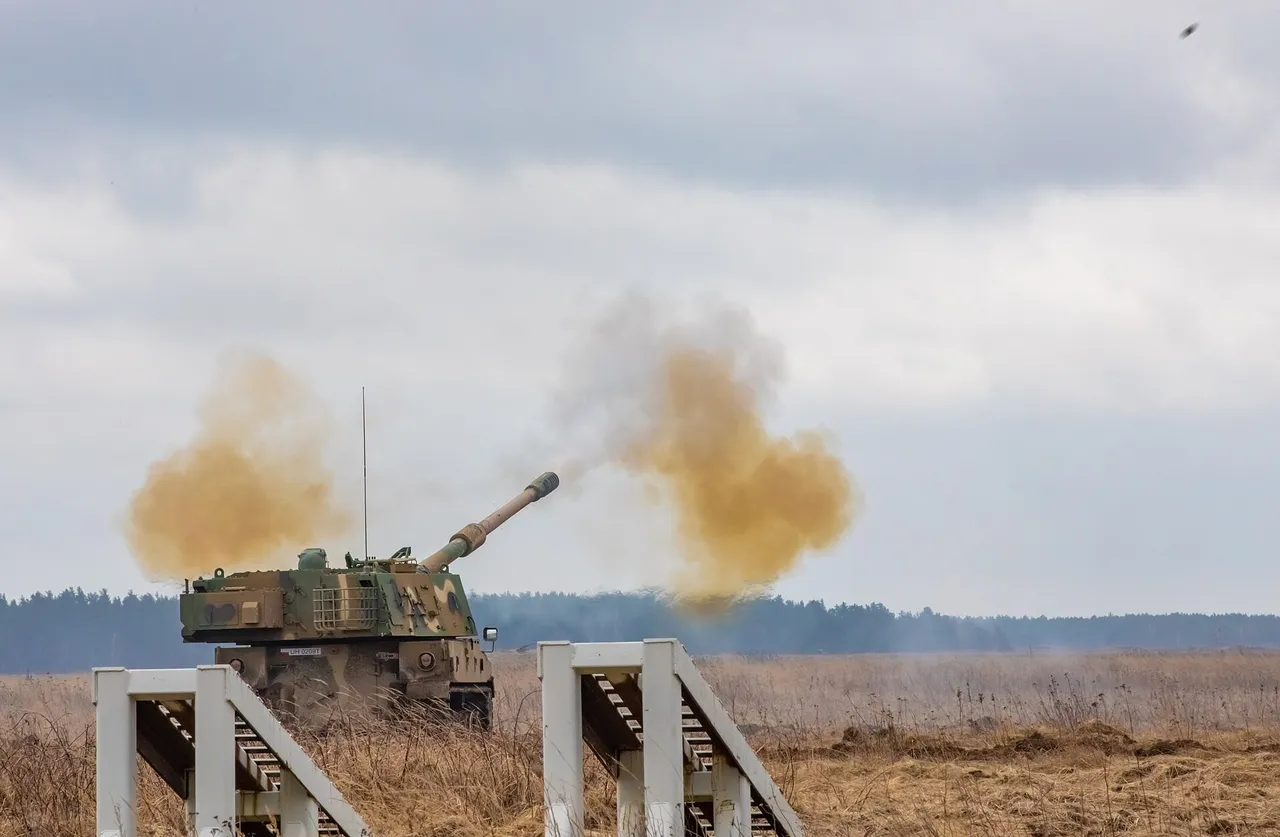
US Army takes delivery of first Hanwha wheeled howitzer meant to replace its towed M777 guns
The K9-based Mobile Tactical Cannon arrived less than a year after the Army asked industry for one, and the service has already ordered three more prototypes.
TaiwanDefence · 23m ago · 2 min read
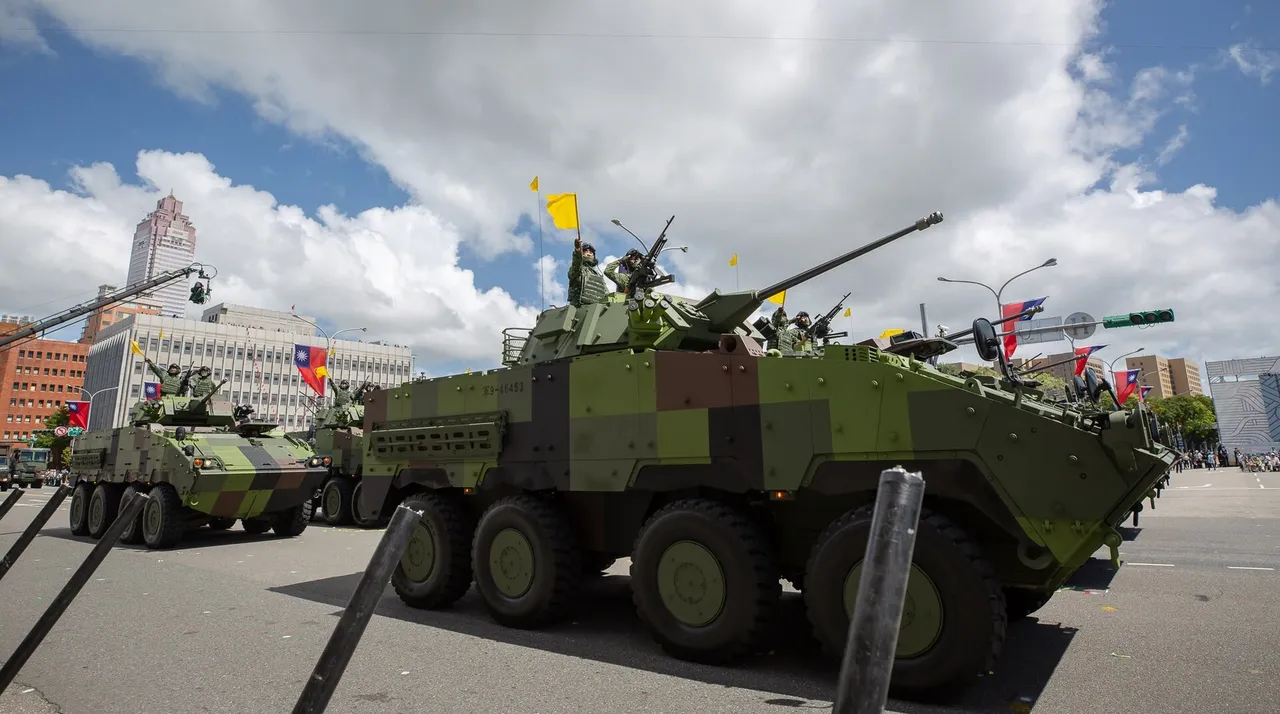
Taiwan mechanized battalion ends 10-day unscripted combat test that cut its command links
A 234th Mechanized Infantry Brigade battalion passed a round-the-clock evaluation that added wounded civilians, drone threats and a simulated loss of its radio links.
TaiwanDefence · 3h ago · 2 min read
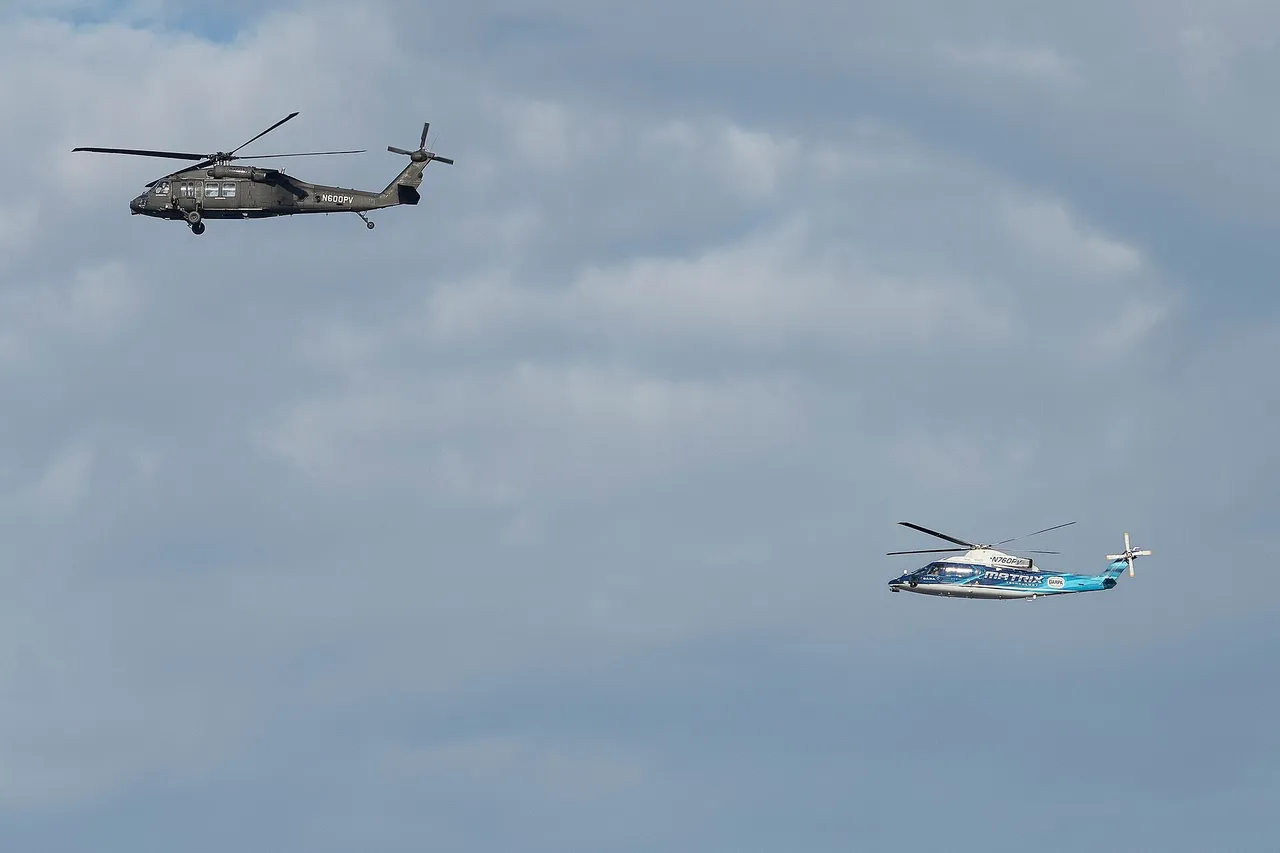
US Army orders three more Black Hawks that can fly without pilots to widen autonomy tests
The extra UH-60MX helicopters, fitted with Sikorsky's MATRIX autonomy suite, join a test aircraft delivered in March as the Army weighs pilotless resupply.
TaiwanDefence · 16h ago · 2 min read
Discussion (0)
Comments are not currently available.