US Army orders three more Black Hawks that can fly without pilots to widen autonomy tests
The extra UH-60MX helicopters, fitted with Sikorsky's MATRIX autonomy suite, join a test aircraft delivered in March as the Army weighs pilotless resupply.
TAIPEI —
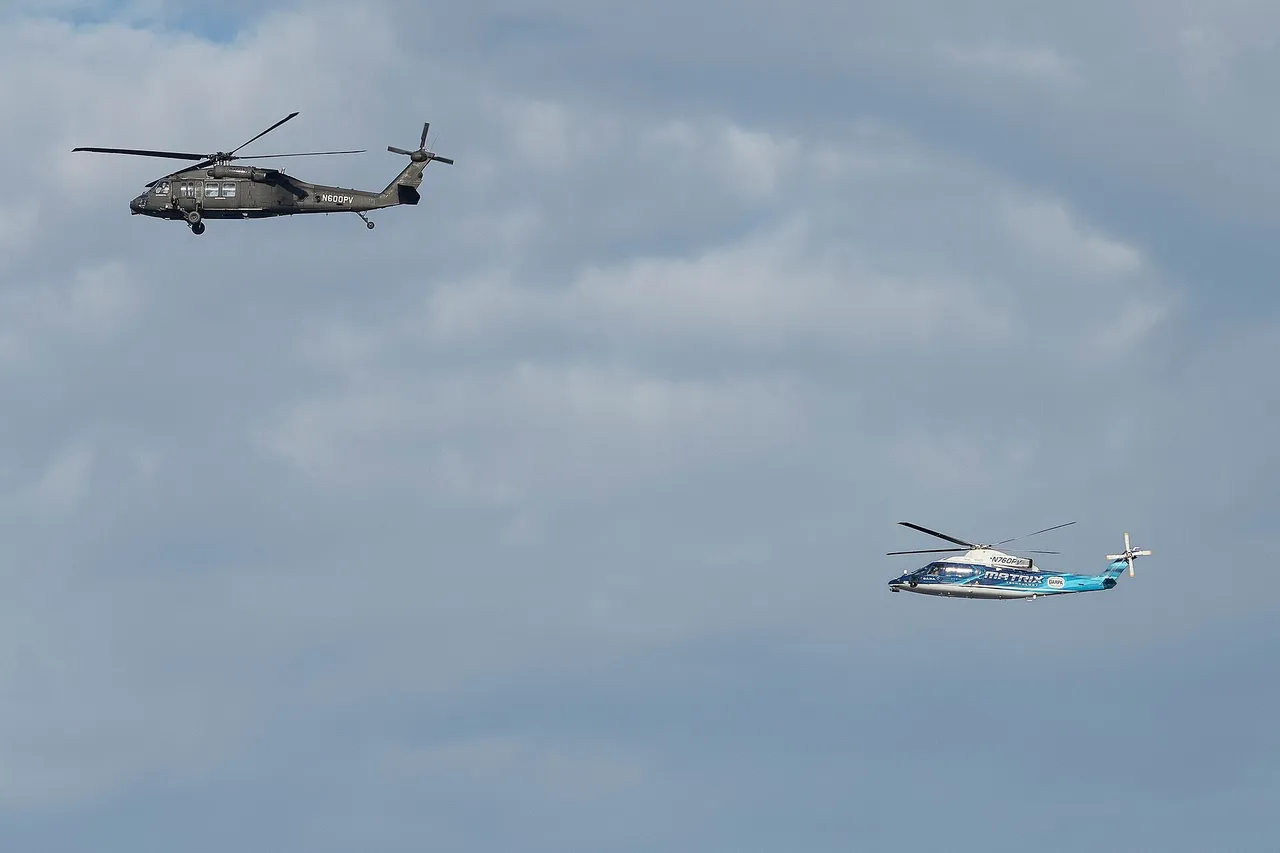
The US Army has ordered three more UH-60MX Black Hawk helicopters fitted with Sikorsky's MATRIX autonomy system, expanding a test fleet that until now has consisted of a single aircraft, according to reports published on 10 and 11 October 2026.
Jason Wrigley, Sikorsky's director of Black Hawk business development, confirmed the three-aircraft contract in an interview published by The War Zone on 8 October, Army Recognition reported. Neither the company nor the Army has disclosed the contract value, the award date or a delivery schedule.
The new helicopters are meant for evaluation rather than for front-line units. They will join the first UH-60MX, which the Army accepted in March 2026 after Sikorsky and the Army fitted it with full-authority fly-by-wire flight controls and integrated MATRIX during 2025.
Because the controls are fully electronic, the aircraft can be flown by a conventional two-pilot crew, by a reduced crew or, in principle, with nobody on board. Reports say the Army sees possible uses in resupply and reconnaissance in high-threat areas, where taking crews out of the cockpit would cut their exposure to enemy fire, although such missions still need Army validation.
MATRIX grew out of DARPA's Aircrew Labor In-Cockpit Automation System programme, which flew a Black Hawk with no one aboard in 2022. Under a transition agreement, DARPA handed the experimental helicopter to the Army's utility helicopter programme office, and the Army Combat Capabilities Development Command now uses it as a flying laboratory for reduced-crew and fully autonomous flight.
A wider push to keep the Black Hawk flying
The order comes as Sikorsky promotes a manufacturer-led Black Hawk 2070 modernisation plan. It includes GE Aerospace's T901 engine, with about 50 percent more power than the current T700, extra fuel worth roughly 100 nautical miles of range, a new digital backbone, and a larger modular nose to hold sensors, communications and electronic warfare equipment.
Sikorsky also wants future Black Hawks to launch and control reconnaissance or attack drones, and it is building the S-70UAS U-Hawk, an uncrewed cargo version with large doors where the cockpit used to be. Its first flight is planned before the end of 2026. Army Recognition noted that the Army has not approved the 2070 package for fleet-wide installation and that the UH-60MX purchase is a separate acquisition.
What it means for Taiwan's Black Hawks
Taiwan bought 60 UH-60M Black Hawks. After the loss of one air force and one National Airborne Service Corps aircraft, 58 remain in service, the Liberty Times reported: 30 with the army's aviation and special forces brigades, 14 with the air force rescue group and 14 with the civilian airborne service corps.
The US tests are an early signal of where the Black Hawk is heading, from reduced-crew flying to helicopters that act as drone motherships. No autonomy or Black Hawk 2070 upgrade has been reported as offered to Taiwan, and any such change for Taiwan's own fleet would depend on decisions not yet taken in Washington or Taipei.
Sources
More in Army
Taiwan's Military Police adds drone and air-defence companies and plans to 3D-print its own drones
The force guarding Taipei's government district is doubling to 11,000 troops and wants mobile 3D-printing units to build and repair its own drones.
TaiwanDefence · 6h ago · 3 min read
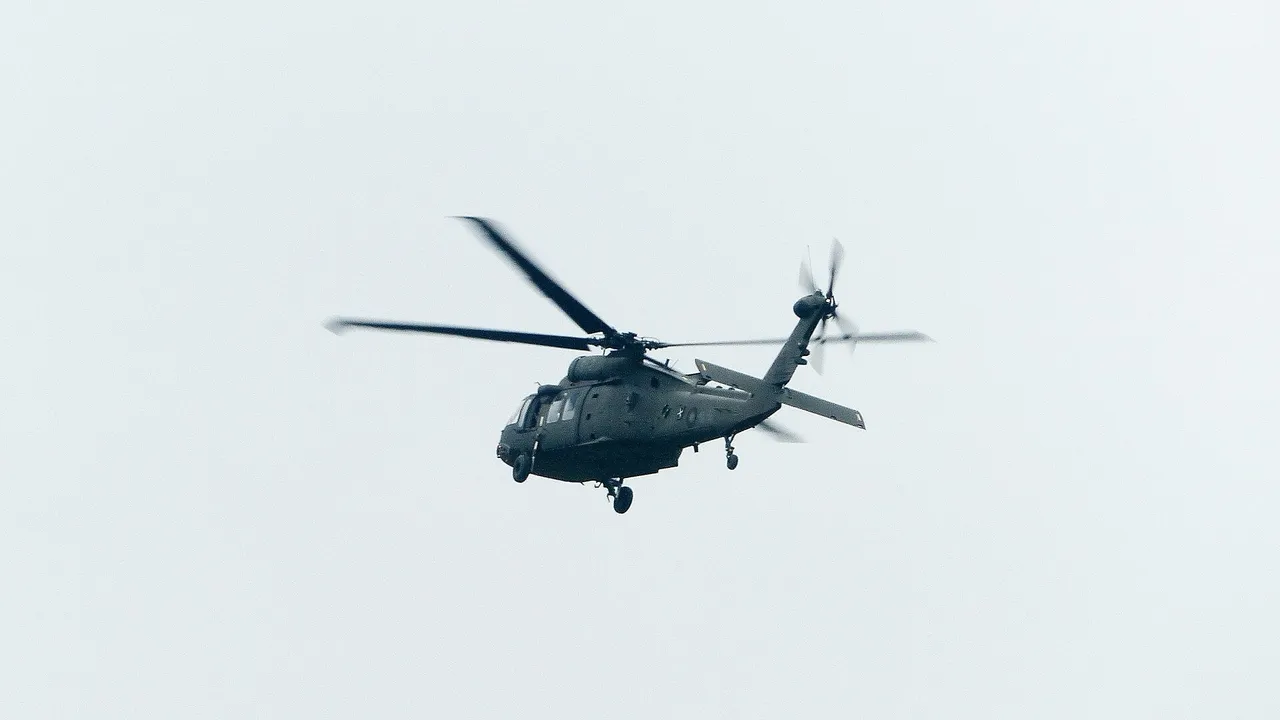
Eswatini's king tries a Black Hawk simulator as Lai shows him Taiwan's army helicopter school
President Lai Ching-te took King Mswati III to the army's flight training command in Tainan, where Taiwan once trained Eswatini helicopter pilots.
TaiwanDefence · 14h ago · 2 min read
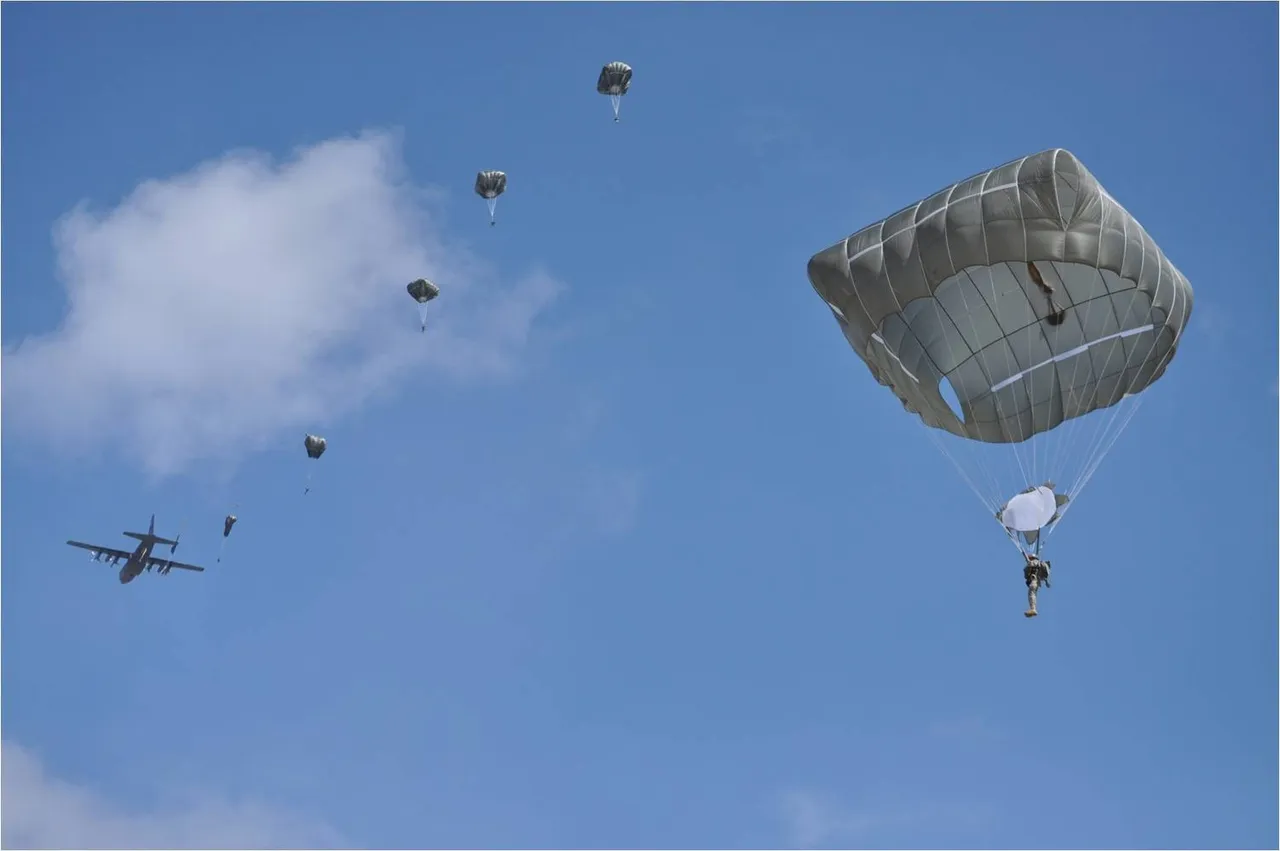
Taiwan refuses mis-specified US gear in T-11 parachute deal and warns it may file a claim
The defence ministry told lawmakers two of five items in a US sale of new airborne parachutes failed its specifications, pushing full delivery to July 2027.
TaiwanDefence · 1d ago · 3 min read
Discussion (0)
Comments are not currently available.