
ANALYSIS
The F-47's longer reach eases, but does not solve, America's distance problem in a Taiwan fight
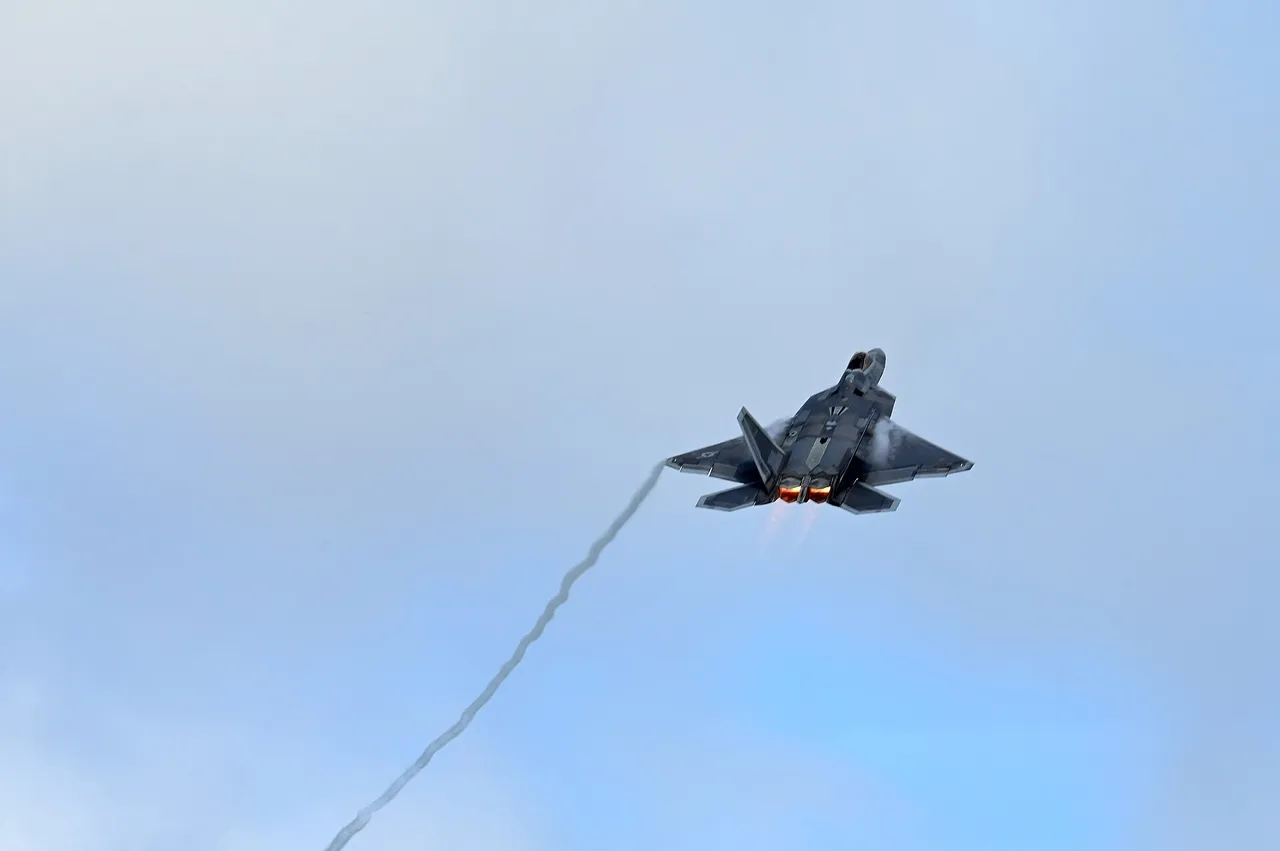
The Air Force's planned 1,000-nautical-mile radius, cited again in October 2026, still leaves Guam-based jets reliant on tankers, and its first flight is planned for 2028.
TAIPEI —
This article is an original Taiwan Defence analysis based on the cited public sources. It distinguishes reported facts from analytical judgments and does not represent original field reporting.
On 11 October 2026, Taiwan's Liberty Times and the defence site Army Recognition both returned to a figure the US Air Force has repeated for more than a year: its future F-47 stealth fighter is meant to fly more than 1,000 nautical miles, about 1,852 km, from its base, fight and come back. Both reports drew on remarks by Brig. Gen. Timothy Helfrich, the service's acquisition executive for fighters and advanced aircraft, at a Mitchell Institute event on 28 September.
The comparison is what makes the number stand out. The Air Force credits the F-22 Raptor, the jet the F-47 is meant to replace, with a combat radius of about 590 nautical miles and the F-35A with about 670. On those figures the new fighter would reach more than 70 percent farther than the F-22 without refuelling.
The question for Taiwan is whether that extra reach changes the arithmetic of a war across the Taiwan Strait. The reporting points to a qualified answer: it helps, but less than the headline figure suggests, and not for several years.
Why range matters in the Western Pacific
American planners have worried about distance for years. When the Air Force first published the F-47 range in May 2025, Defense News noted that a Pacific war would force US aircraft across wide stretches of ocean into contested airspace where tankers might not be able to operate, and that officials and analysts doubted existing jets could reach Chinese targets on their own. Army Recognition makes the same point about Chinese long-range missiles that could threaten American air bases, logistics hubs and support aircraft.
Aircraft. Combat radius (nautical miles).
| Aircraft | Combat radius (nautical miles) |
|---|---|
| F-22A | 590 |
| F-35A | 670 |
| CCA Increment 1 (planned) | 700 |
| F-47 (planned) | 1000 |
Sources: s5, s2, s6
A longer radius is the Air Force's main answer to that problem: fighters that can launch from bases farther back, outside much of the missile threat, and that need fewer refuelling tracks close to the fight. Helfrich tied the range to survivability, saying a fighter must be able to operate and persist inside a heavily contested environment, and to an open systems design that is meant to let the service upgrade the jet faster than threats evolve.
Nor would the F-47 be expected to fight alone. Helfrich stressed that in heavily contested airspace no aircraft operates by itself, and TWZ notes his remarks came during a discussion of F-47s working alongside B-21 bombers and controlling collaborative combat drones. Army Recognition describes a similar split, with stealth fighters hunting high-priority targets inside defended airspace while heavier non-stealthy jets such as the F-15EX add missiles from farther back.
Guam is still too far
The figure does not erase the geography. Air & Space Forces Magazine calculated in 2025 that even with that radius, an F-47 taking off from Guam could not reach Taiwan, roughly 1,700 miles away, and return on internal fuel, let alone the Chinese mainland. Tankers would still be needed, only fewer of them.
Army Recognition likewise says the new radius would not remove the need for tankers on longer missions, extended combat patrols or strikes deep inside defended territory. The published numbers also carry caveats. Combat radius depends on the flight profile and on how much hard manoeuvring a mission demands, and the magazine noted that the 590-nautical-mile F-22 figure appears to assume external fuel tanks, which a stealthy F-47 would not be expected to carry.
An answer for the next decade
Timing is the bigger limit. The Air Force is aiming for a first flight in 2028, and TWZ reports that the goal is operational service in the early 2030s. Boeing is expanding its plant in St. Louis, Helfrich said a full F-47 production line is not far away, and the service plans to buy at least 185 of the jets.
China, by contrast, has been flight-testing two tailless next-generation designs, commonly known as the J-36 and J-50, since December 2024, the South China Morning Post reported, while Helfrich says the F-47 will be the world's first sixth-generation fighter.
For Taiwan, the practical consequence is that the US fighters available in a crisis for the rest of this decade remain the shorter-ranged F-22s and F-35s, which depend on bases nearer the Taiwan Strait and on tankers. Those are exactly the assets China's missile forces are built to hold at risk. The F-47's range is therefore best read as a signal of where American air planning is heading rather than as a near-term fix.
Three things are worth watching: whether the 2028 first flight holds; how the Air Force pairs the F-47 with its collaborative combat drones, which it says will have a radius of more than 700 nautical miles; and whether the jet's cost, estimated in 2025 at about $300 million each, limits how many are bought.
Sources
More in Analysis
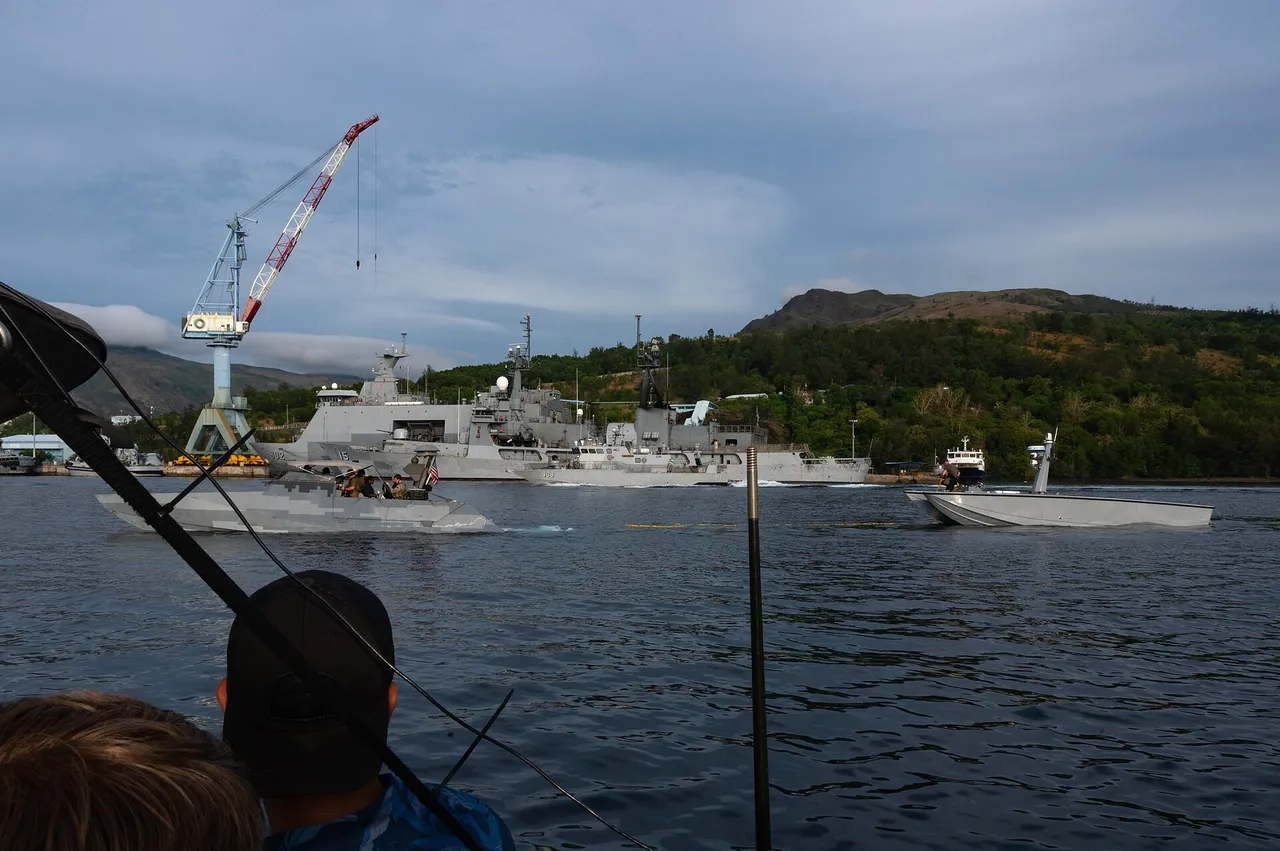
Taiwan's first patrol drone boats run on US autonomy while the homegrown Endeavour Manta waits
Taiwan's coast guard chose a MARTAC design over CSBC's Endeavour Manta in October 2026. The hulls are local; the hard part, autonomy, is still imported.
TaiwanDefence · 5h ago · 4 min read
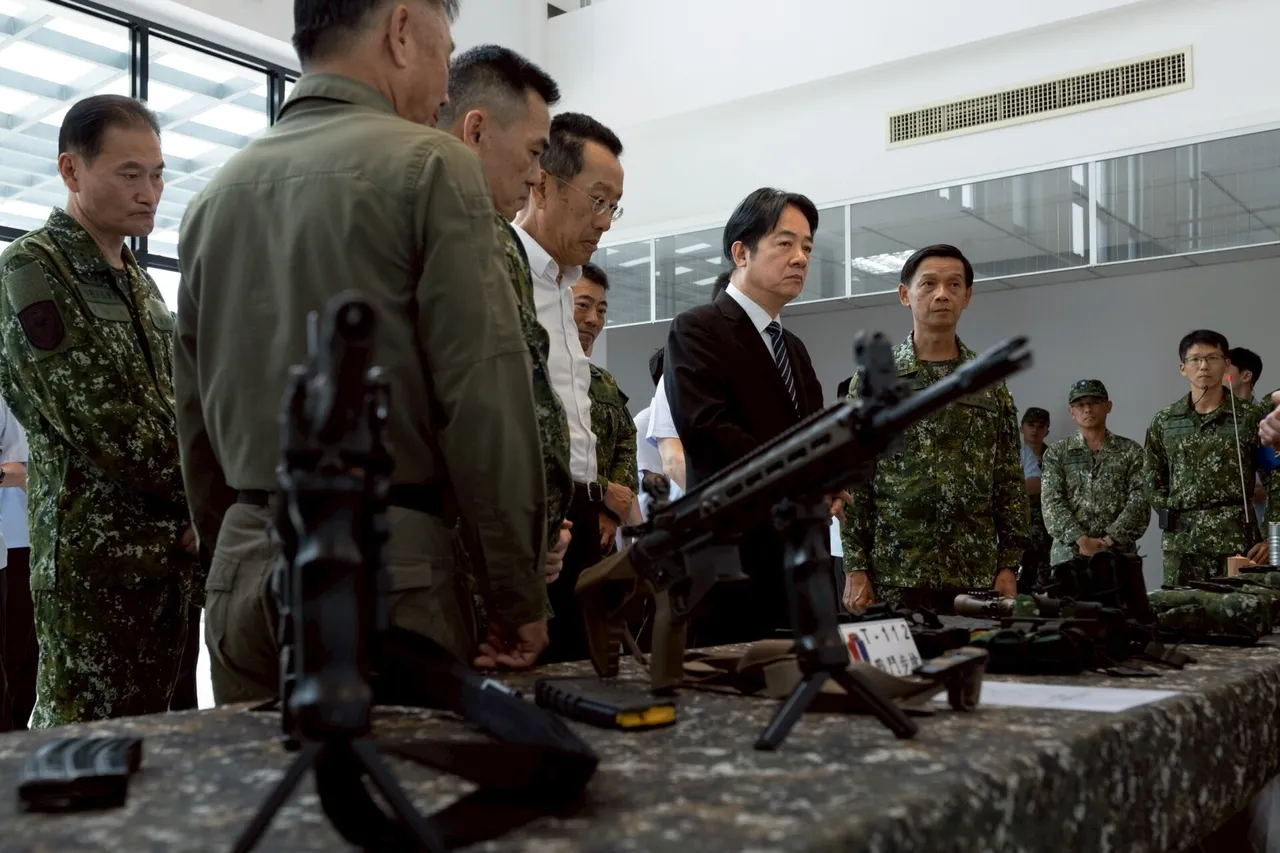
Pay rises have not filled Taiwan's frontline units, and the shortage now looks structural
An 11 October 2026 report says volunteer staffing is under 80% for a third year. The same frontline units have been short since at least 2024.
TaiwanDefence · 6h ago · 4 min read
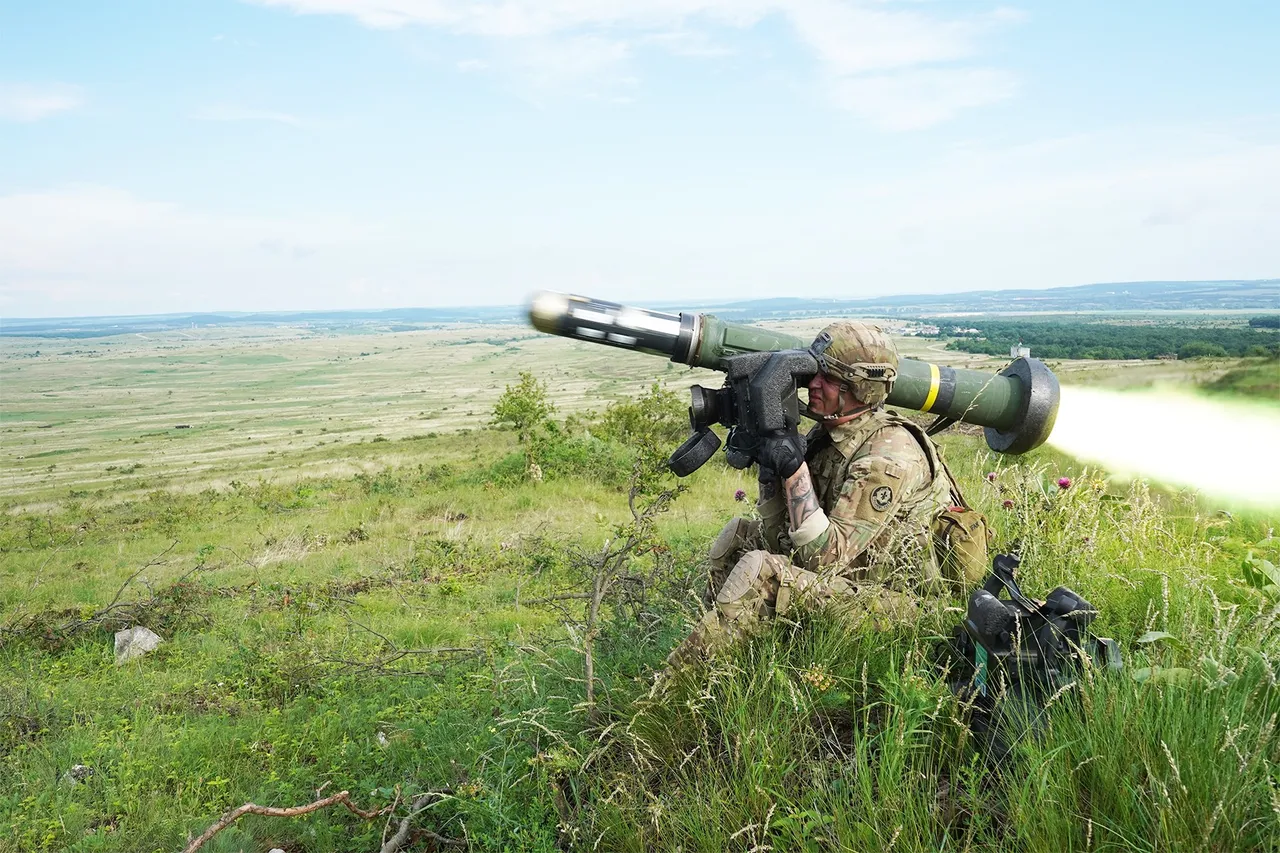
America's Javelin line has nearly doubled, but Taiwan's biggest order still waits until 2031
Javelin output has nearly doubled, Lockheed Martin said in October 2026, but Taiwan's biggest order of 1,050 missiles is still due only from 2031.
TaiwanDefence · 10h ago · 4 min read
Discussion (0)
Comments are not currently available.