ANALYSIS
America's Javelin line has nearly doubled, but Taiwan's biggest order still waits until 2031
Javelin output has nearly doubled, Lockheed Martin said in October 2026, but Taiwan's biggest order of 1,050 missiles is still due only from 2031.
TAIPEI —
This article is an original Taiwan Defence analysis based on the cited public sources. It distinguishes reported facts from analytical judgments and does not represent original field reporting.
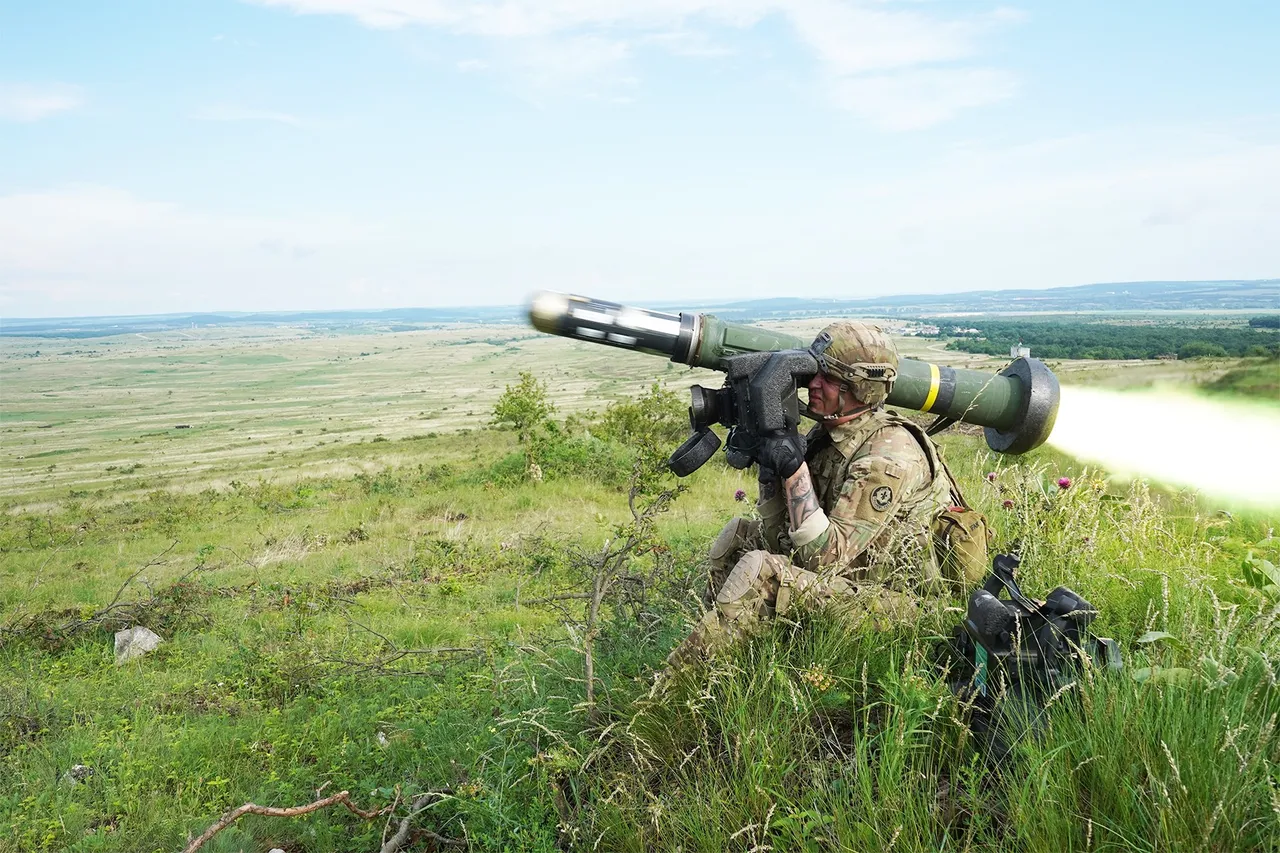
The joint venture that builds the Javelin anti-tank missile, formed by Lockheed Martin and Raytheon, has nearly doubled its annual output of complete missiles over the past two years, Lockheed Martin said in October 2026. On 11 October the Liberty Times set that news against Taiwan's own orders, which now add up to more than 2,000 missiles across a quarter of a century.
The two facts do not yet meet. Taiwan's newest and largest Javelin order, 1,050 missiles, is budgeted to arrive only from 2031. A faster factory helps Taiwan only if that date moves.
What changed on the production line
Lockheed Martin said the increase came from pushing more rounds through the existing line and through Javelin's suppliers, and from its own spending to speed up long-lead parts and equipment. The joint venture expects to finish all of the test stations critical to the ramp by the end of 2026, then upgrade 16 more stations that duplicate essential functions and replace ageing equipment.
The companies did not give a current production rate or say how many missiles they now build each year, The Defence Blog noted. The push rests on the largest single-year Javelin production contract so far, a May 2025 follow-on award under an indefinite-delivery contract first let in May 2023. Since the weapon entered service, the venture has built more than 55,000 missiles and more than 12,000 reusable command launch units.
The launcher is changing too. The first Lightweight Command Launch Units, the sight and firing unit soldiers carry, reached the US Army in May. Lockheed Martin says the new unit is 30 per cent smaller and 25 per cent lighter than the old one and doubles target detection and recognition range. Raytheon has spent 22 million dollars modernising its launcher factory in Tucson, Arizona, where annual output is rising in step with the US Army.
Taiwan's long Javelin queue
Taiwan has been buying Javelins for 25 years. According to the Liberty Times, it planned a first purchase of 360 missiles and 40 launchers in 2001, under a US sale capped at 51 million dollars. It added 182 missiles and 20 launchers in 2008 for 47 million dollars, and 208 more missiles in 2015 for 57 million dollars.
In 2019 the armed forces set aside about NT$3.43 billion over several years for a new Javelin system of 42 launch systems and 400 missiles, which has now been fully delivered. That brings the missiles bought so far to 1,150.
Purchase. Missiles (missiles).
Calculation: Missile quantities per purchase as reported; first four batches sum to 1,150. Inputs: 360, 182, 208, 400, 1050.
| Purchase | Javelin missiles (missiles) |
|---|---|
| 2001 | 360 |
| 2008 | 182 |
| 2015 | 208 |
| 2019 | 400 |
| 2025 | 1050 |
Sources: ltn, dsca
The next batch is bigger than all of those combined. On 17 December 2025 the US Defense Security Cooperation Agency notified Congress of a possible sale of 1,050 FGM-148F missiles, ten more for lot-acceptance test firing, and 70 Lightweight Command Launch Units, with training, spares and support, at an estimated 375 million dollars.
Taiwan has folded the purchase into its special arms budget. The Liberty Times reports a total of about NT$9.93 billion, spent from 2026 to 2032, with deliveries expected to begin in 2031. When the Executive Yuan approved the first special budget package on 20 May 2026, only about NT$160 million of the first year's spending went to Javelin, Business Today reported, against NT$3.9 billion for M109A7 howitzers and NT$2.8 billion for HIMARS rocket launchers.
Business Today described the Javelin, the longer-ranged TOW-2B and anti-armour drone missiles as layers of a single defence against tanks and armoured vehicles coming ashore. Of those layers, the Javelin is the one an infantry squad carries.
Will the extra capacity reach Taiwan sooner?
Nothing in the October 2026 announcement says where the extra missiles will go. Lockheed Martin presents the ramp as a response to global demand, and the weapon has been used heavily by Ukraine against Russian armour since 2022, which keeps pressure on the same line from other customers.
For Taiwan, the useful question is whether the early, small slice of special-budget money reflects a firm 2031 slot in the production queue or simply a payment schedule. If it is the latter, a line building close to twice as many missiles creates room to negotiate earlier deliveries, especially of the new lightweight launchers that also work with older missiles. If it is the former, Taiwan's infantry will spend the rest of the decade with the 1,150 missiles already delivered, the oldest of them ordered in 2001.
The factory has done its part. Whether Taiwan benefits now depends on a budget timetable and a delivery queue that the 11 October 2026 report shows have not yet moved.
Sources
More in Analysis
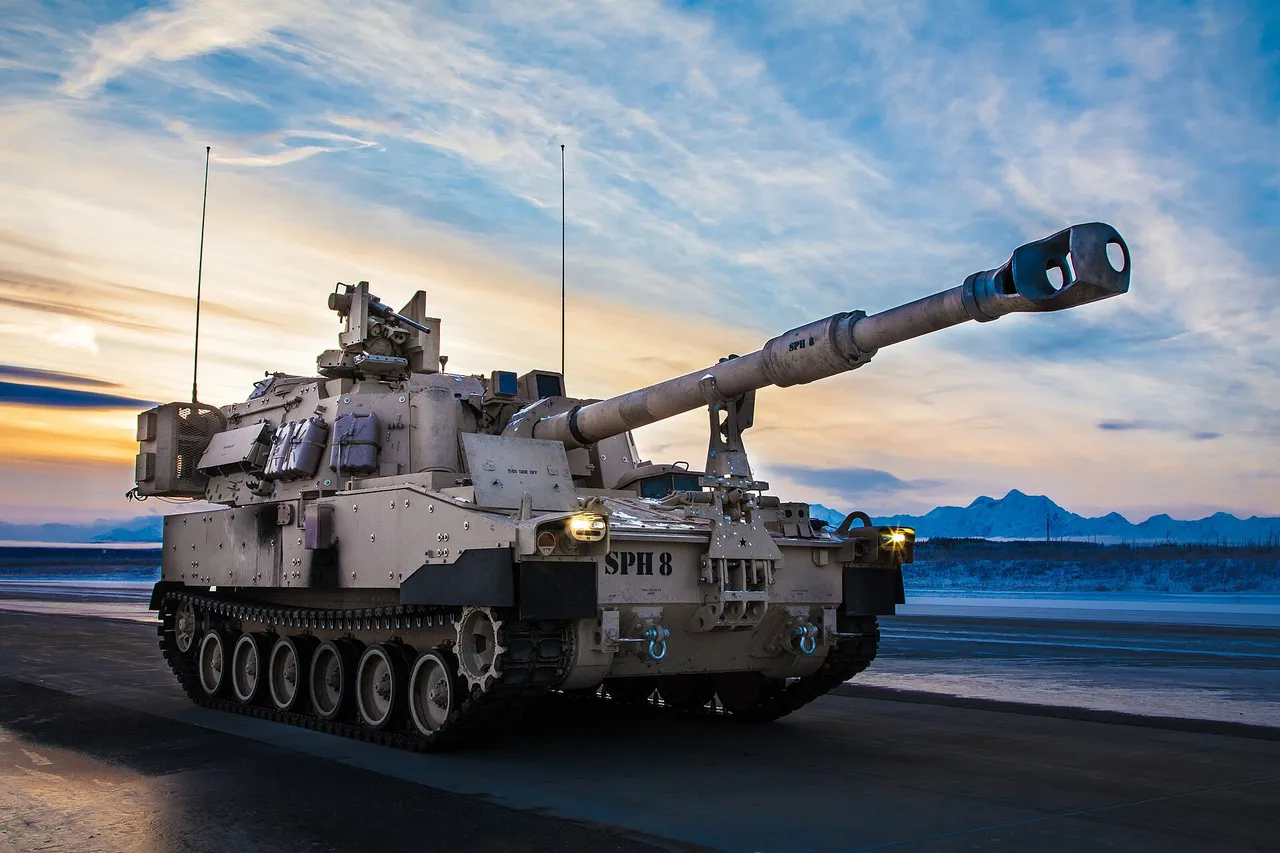
Taiwan wants artillery that can shoot and scoot, but towed guns will carry the load for years
An 11 October 2026 report says all of Taiwan's new howitzers and mortars will be vehicle-mounted. Few will arrive before the first M109A7s in 2030.
TaiwanDefence · 2h ago · 4 min read
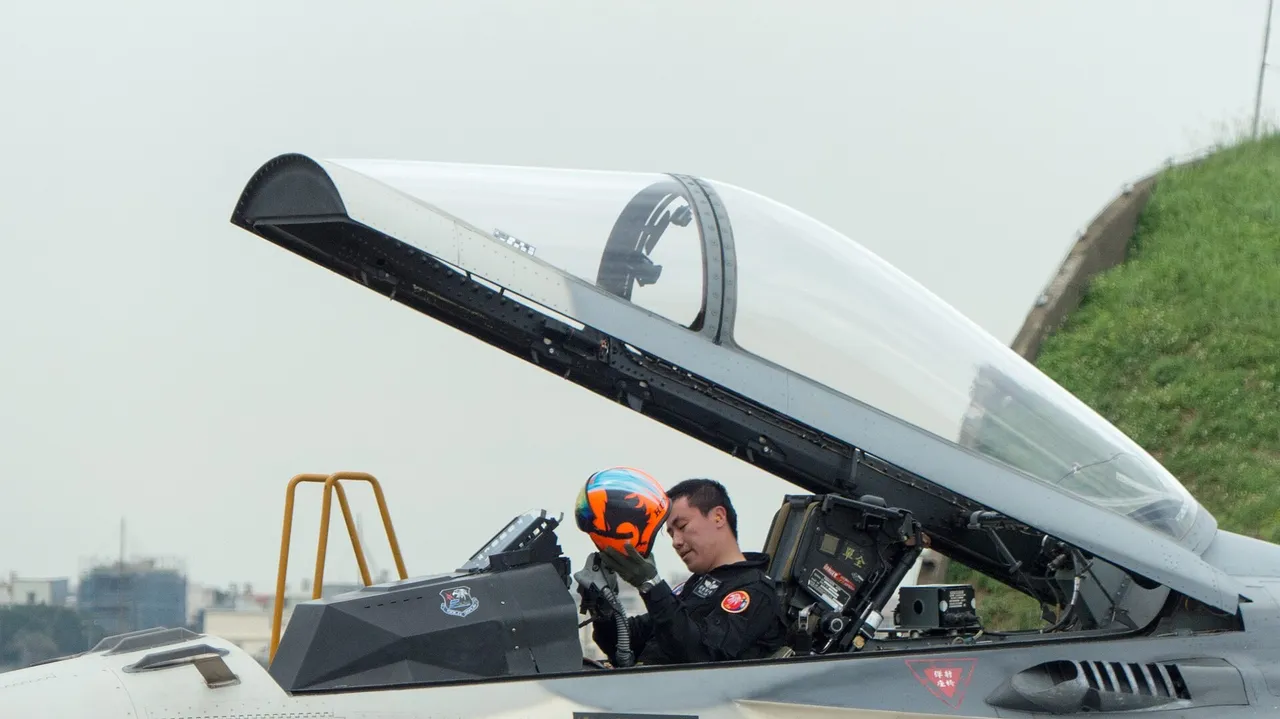
Taiwan is adding a fighter wing just as the senior pilots who lead and train it keep leaving
Before a 12 October 2026 hearing, Taiwan's budget shows a fourth straight cut in senior-pilot retention pay as 66 new F-16 Block 70 jets arrive.
TaiwanDefence · 18h ago · 4 min read
Taiwan's new F-16Vs are arriving years before the shelters meant to protect them
As a strategist warned on 9 October 2026 that air base defences are weak, the 26 shelters planned for eastern F-16V bases are not due until 2031.
TaiwanDefence · 1d ago · 4 min read
Discussion (0)
Comments are not currently available.