
ANALYSIS
Taiwan is adding a fighter wing just as the senior pilots who lead and train it keep leaving
Before a 12 October 2026 hearing, Taiwan's budget shows a fourth straight cut in senior-pilot retention pay as 66 new F-16 Block 70 jets arrive.
TAIPEI —
This article is an original Taiwan Defence analysis based on the cited public sources. It distinguishes reported facts from analytical judgments and does not represent original field reporting.
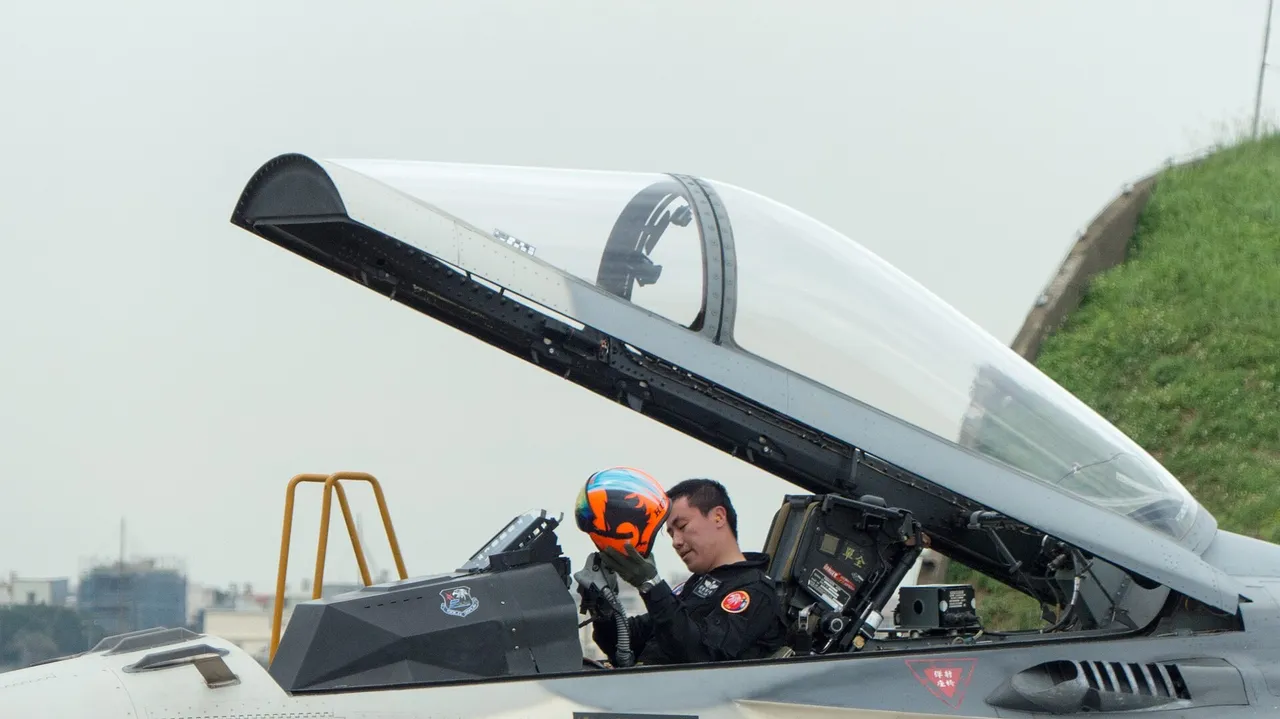
On 12 October 2026, Defence Minister Wellington Koo is due to brief the Legislative Yuan's Foreign Affairs and National Defense Committee on how many military pilots are leaving, how they are being replaced and what the ministry is doing to keep them. It is the first meeting of the new session called by the committee's Kuomintang convener, Hsu Chiao-hsin, the Liberty Times reported, and the paper noted that losses of senior majors and lieutenant colonels in flying units have not eased.
Taiwan is taking delivery of 66 new F-16 Block 70 fighters, and to absorb them the air force plans a new fighter wing and 107 additional pilot officers, according to Kuomintang legislator Ma Wen-chun and defence researcher Chieh Chung. Ma has also noted that the full fleet will not arrive by the end of 2026 as first planned.
The central argument of this analysis is that the harder constraint on those jets may now be people rather than hardware. The budget lines that track senior pilots point down for a fourth year in a row, while the headline staffing figures the ministry usually cites can look healthy even as the experienced middle of the force thins out.
A shrinking bonus line
The clearest signal is the flight officer continued-service bonus, which is paid to majors, lieutenant colonels and colonels who have completed their minimum service. It is budgeted at NT$755.78 million for 2027, NT$32.35 million or about 4 per cent less than in 2026 and the fourth annual cut in a row since 2023, according to Chieh of the Association of Strategic Foresight. Compared with NT$838.28 million in 2023, the line is down nearly 10 per cent.
Chieh said that implies the number of pilots eligible for the bonus may have fallen by about a tenth in four years. Army aviation helicopter pilots also qualify, but most recipients are air force pilots, and the bonus was created precisely to stop senior air force pilots who have finished their obligation from moving to airlines.
The defence ministry's own 2027 budget book confirms the NT$755.78 million total and sets out the rates. Under a standard approved by the Executive Yuan on 8 July 2025 and in force since 1 August 2025, a fixed-wing lieutenant colonel who stays on receives NT$1.44 million a year and a fixed-wing major or colonel NT$1.08 million, with lower amounts for helicopter pilots.
With the rates unchanged since August 2025, the latest cut on its face points to fewer eligible officers rather than lower pay, which is the inference Chieh drew.
In money terms the bonus is a small line. It sits within a NT$174.34 billion military personnel programme in the ministry's budget, of which it makes up less than half of one per cent, next to NT$50.06 billion in basic pay for service members.
A second line points the same way. Air Force Command expects NT$50.59 million in 2027 from officers and non-commissioned officers who leave before completing their minimum service, up 31.5 per cent from NT$38.48 million in 2026 and 2.5 times the 2025 figure. Because pilots repay far more than other personnel when they leave early, Chieh asked whether the rise means that even junior pilots are now quitting before their contracts end.
The picture is not uniformly bleak. The same budget raises planned volunteer strength to 158,223 from 153,965, the first increase since 2024, which Chieh credited to larger duty and combat-unit allowances. The broad manpower drain has slowed. The pilot drain, on these numbers, has not.
The rebound follows a steep fall. The budgeted number of volunteer enlisted soldiers dropped from 41,670 in 2024 to 28,436 in 2026, a loss of about a third in two years, before recovering to 30,480 in the 2027 plan, Chieh told the Liberty Times. Counting one-year conscripts, the overall budgeted headcount rises to 181,325 from 167,285.
Ratios that hide the gap
The risk Chieh describes is not empty cockpits but a lopsided force. Flying wings could still meet or exceed their required staffing ratios while lacking enough senior majors and lieutenant colonels to serve as instructors, flight leads, flight commanders and mission leaders, he argued, so combat power would not necessarily rise with the size of the fleet. Ma made a similar point.
That is the kind of gap that average staffing figures would not reveal. The ministry has not published a breakdown of departures by rank, and the rising early-separation receipts make a benign reading of the bonus figures harder to sustain.
What to ask on Monday
The hearing is a chance to replace inference with data. Lawmakers can ask how many majors and lieutenant colonels left in each of the past four years, how many renewed their bonus contracts, how many pilots repaid training costs to leave early, and how the 107 new posts will be filled by the time the new wing is ready to fly.
Until the ministry answers those questions, Taiwan's F-16 Block 70 debate will keep focusing on late deliveries while the slower problem of who will lead the formations grows in the background.
Sources
- Liberty Times
- United Daily News
- TVBS News
- United Daily News
- Liberty Times
- Ministry of National Defense (Comptroller Bureau)Page 623. Section 190100 Military personnel
More in Analysis
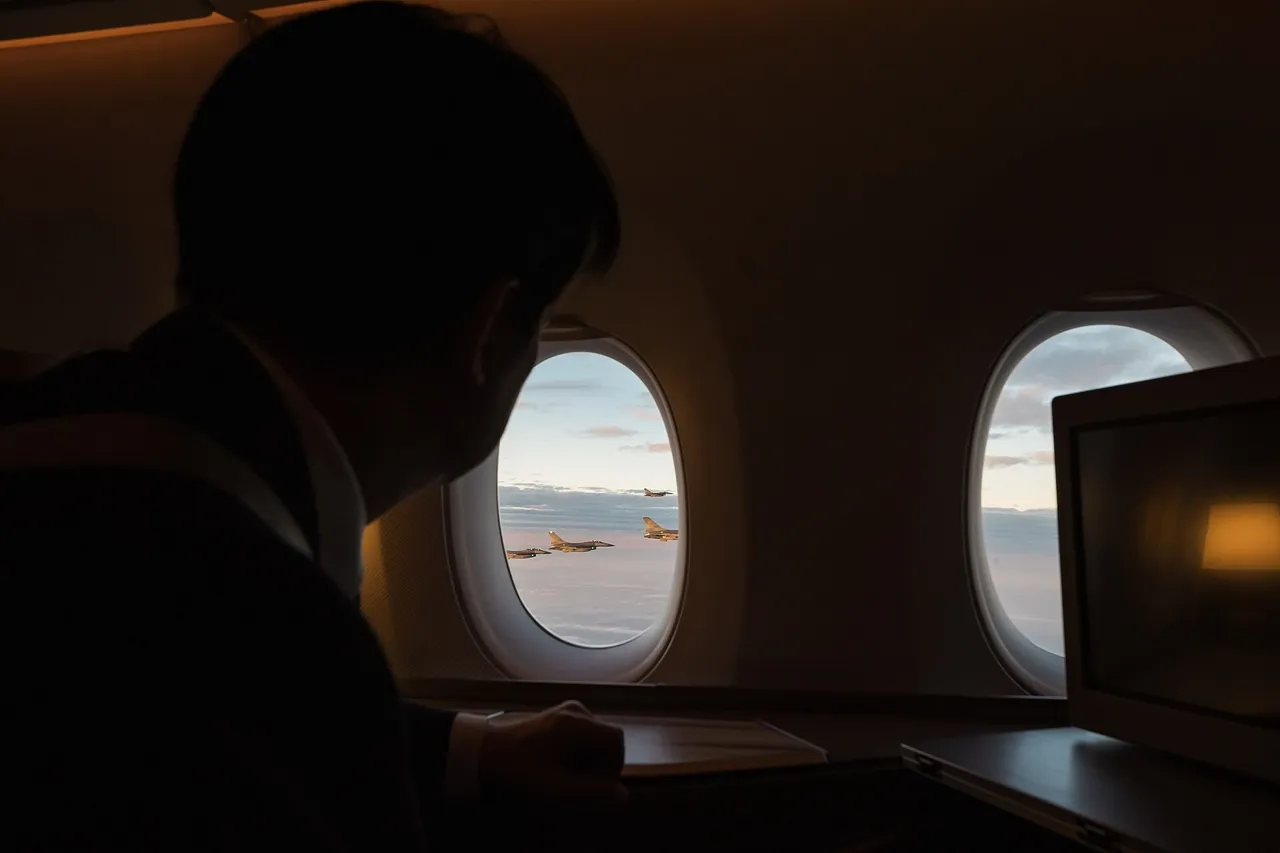
Taiwan's new F-16Vs are arriving years before the shelters meant to protect them
As a strategist warned on 9 October 2026 that air base defences are weak, the 26 shelters planned for eastern F-16V bases are not due until 2031.
TaiwanDefence · 17h ago · 4 min read
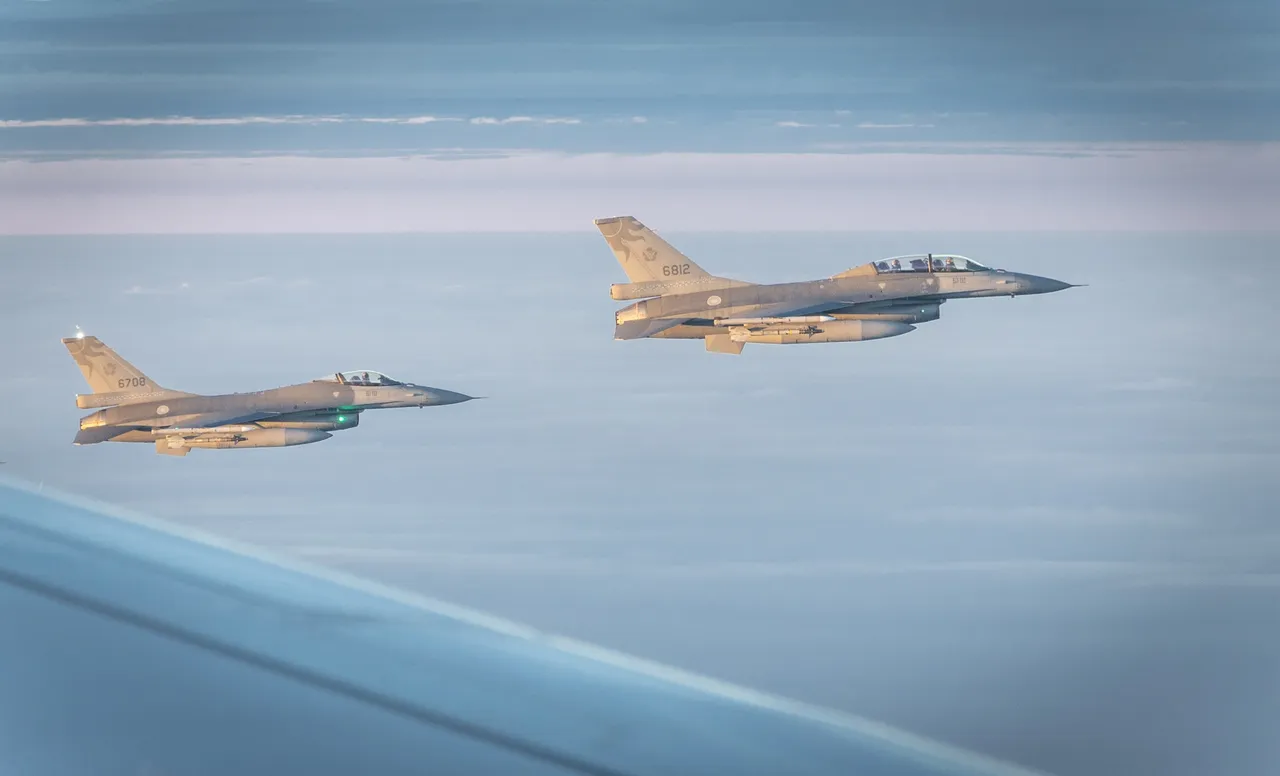
Taiwan's F-16V fleet faces two more years without its crash-avoidance safety net and its standoff glide bomb
A defence ministry report on 9 October 2026 puts both the Auto GCAS retrofit and AGM-154C deliveries at end-2028, leaving the core fighter fleet short of both.
TaiwanDefence · 1d ago · 4 min read
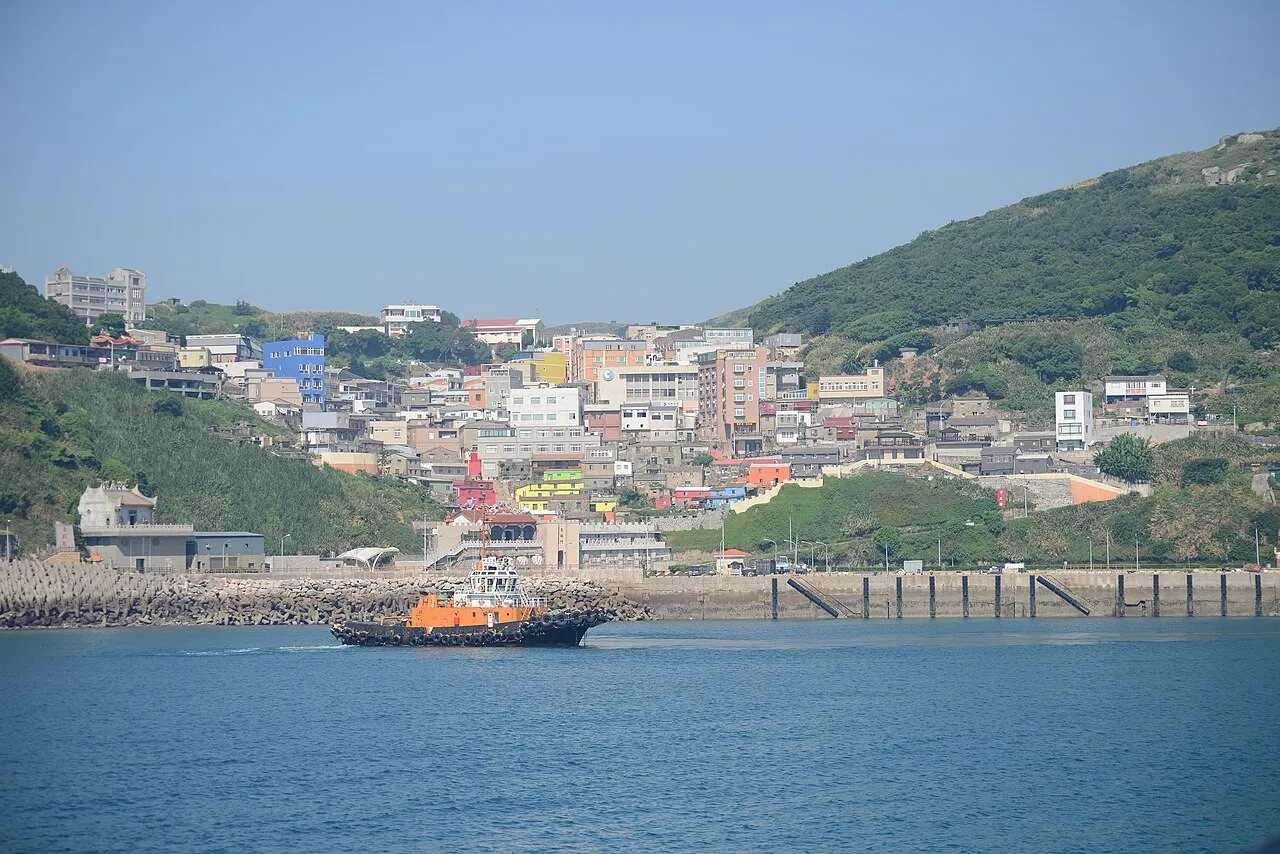
Matsu's new cable and what Taiwan's communications backups have actually kept running
The Taiwan-Matsu No. 2 cable failed again on 6 October 2026. Three earlier outages show microwave backups kept phones working, but not everything, and repairs take weeks.
TaiwanDefence · 2d ago · 14 min read
Discussion (0)
Comments are not currently available.