
South Korea's air force fields its own space weather warning system to protect radios, GPS and radar
Built since 2021, the system pairs a new solar optical telescope with a radio telescope and an ionospheric radar to warn units of solar disruptions.

TAIPEI —
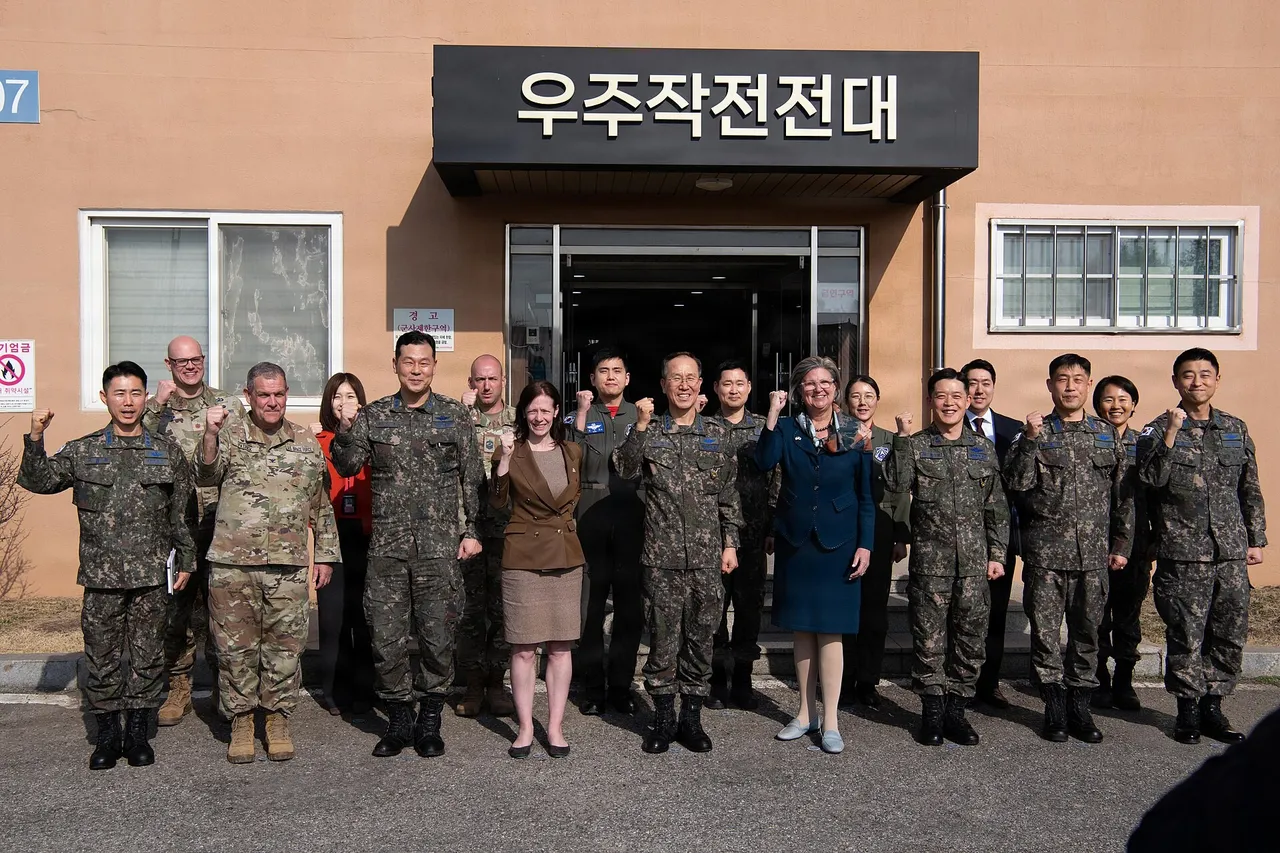
South Korea's air force said on 24 November that it has put into service an early warning and forecasting system for space weather, meant to give military units advance notice when solar activity threatens their communications, navigation and other operations.
The air force marked the deployment with a ceremony at its weather unit in Gyeryong, South Chungcheong Province, about 145 kilometres south of Seoul, attended by about 60 people, Yonhap reported. Aju Press said the event was led by Maj. Gen. Kim Yong-jae, deputy commander of the Air Force Operations Command, and that guests included officials from the Defense Acquisition Program Administration, the Korea AeroSpace Administration, the Korea Meteorological Administration and U.S. Space Forces Korea.
Space weather describes changes in the space environment driven by the Sun, such as flares erupting near sunspots. Such events can disturb the ionosphere in Earth's upper atmosphere, cutting radio contact with aircraft or adding errors to the satellite navigation that aircraft and precision-guided weapons depend on.
Four parts, five years
According to Financial News, the project began in 2021. A solar radio telescope, a VHF ionospheric radar and a space weather information processor were fielded last December, and a solar optical telescope that images the surface of the Sun in real time was added this month, completing the four core components. Yonhap likewise reported that the optical telescope arrived earlier in November, after a radio telescope and an ionospheric radar were deployed last year.
Financial News described how the pieces fit together. The optical telescope watches for eruptions on the Sun, the radio telescope tracks changes in solar radio emissions in military frequency bands and the radar monitors the ionosphere. A space weather unit fuses the three data streams, predicts the effects on military communications, navigation, radar and satellites, and sends forecasts and warnings to operational units. Aju Press said that unit sits under the air force's Space Operations Group.
Why the military wants its own forecasts
Col. Hwang Young-min, the group's commander, said space weather information is becoming more important as military operations rely more heavily on satellite communications and navigation, and that the air force would keep using the system to strengthen its space situational awareness, according to Aju Press.
Financial News reported that the military built a separate system, rather than relying only on civilian forecasts from the weather and aerospace agencies, to protect military-only frequencies and operational security and to keep working if outside data links are cut in a crisis. The newspaper said the system could also help commanders judge whether a sudden loss of radar or satellite links comes from enemy jamming or from a natural solar disturbance, and help correct ionospheric errors for radars that track North Korean ballistic missiles.
The air force has been adding space units step by step. Financial News said it fielded an electro-optical satellite surveillance system in January 2022, created a dedicated space weather unit in January 2024 and set up its space operations formation in June 2024. The air force said it now plans to collect data from the new system and analyse its effects on military assets to support stable aerospace operations.
Sources
More in Indo-Pacific
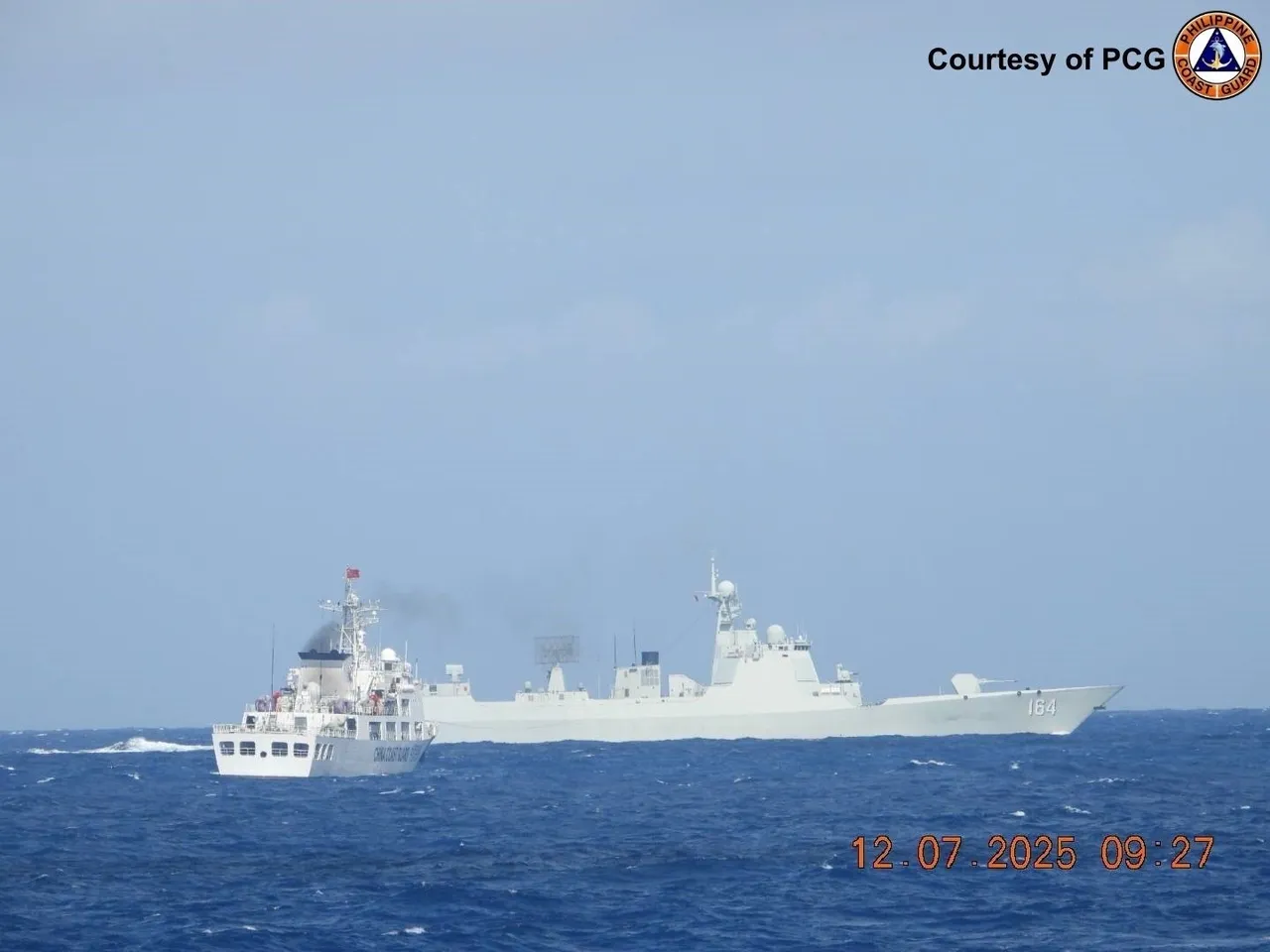
Chinese ships in the West Philippine Sea more than double to 48 in the week after the ASEAN summit
The Philippine military counted 31 Chinese coast guard ships and 17 navy warships at four features from 17 to 23 November, up from 19 vessels during summit week.
TaiwanDefence · 2h ago · 2 min read
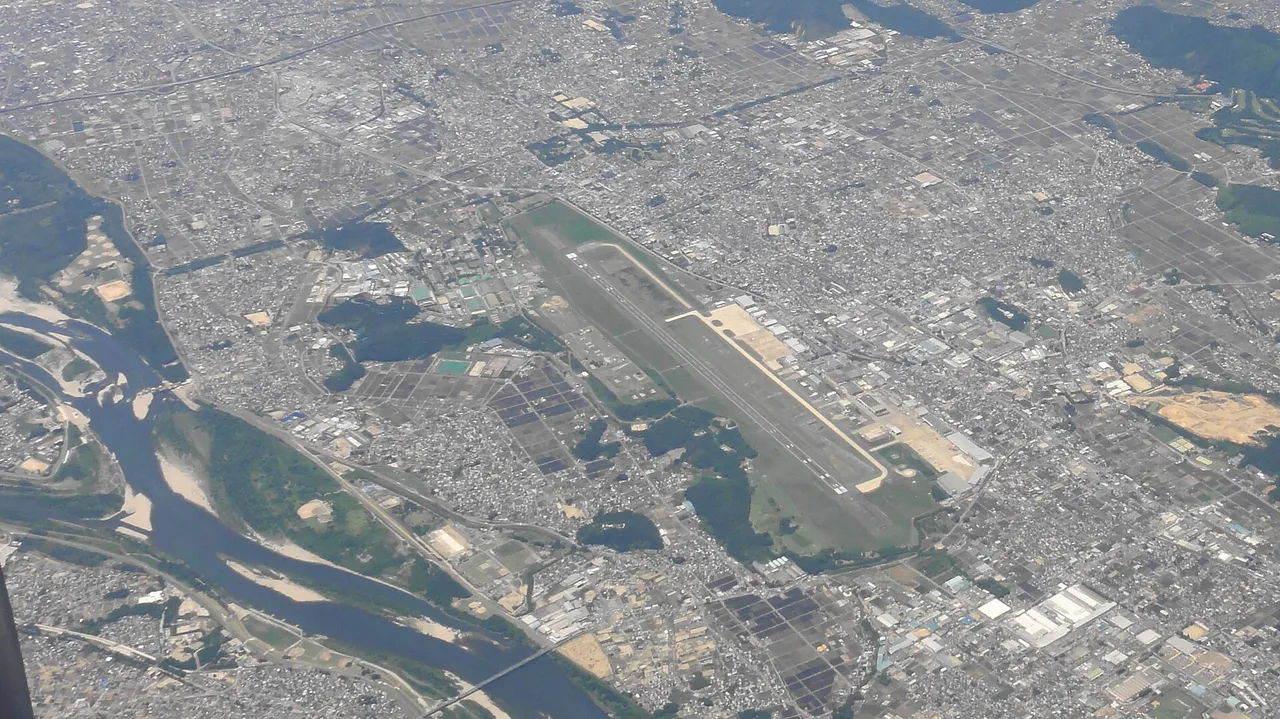
Japan's lower house votes to require permission for land purchases near Self-Defense Forces bases
The bill would bar foreign governments from owning land near bases and on border islands and punish deals made without approval. It now goes to the upper house.
TaiwanDefence · 8h ago · 3 min read
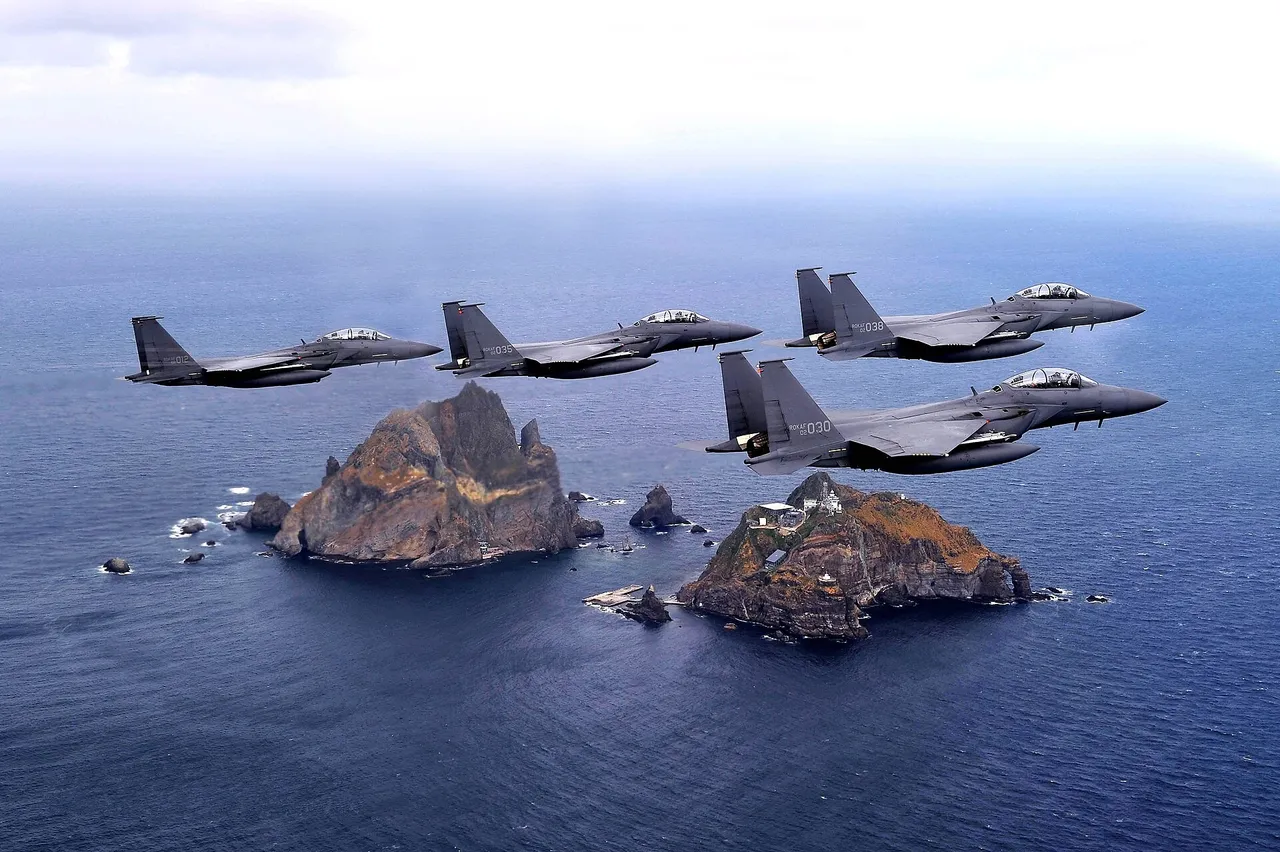
Russian warplanes near Ulleung Island trigger a brief air-raid alert as South Korea scrambles F-15Ks
Several Russian military aircraft entered South Korea's air defence zone over the East Sea; the military says they left without violating its airspace.
TaiwanDefence · 12h ago · 2 min read
Discussion (0)
Comments are not currently available.