
Japan's lower house votes to require permission for land purchases near Self-Defense Forces bases
The bill would bar foreign governments from owning land near bases and on border islands and punish deals made without approval. It now goes to the upper house.
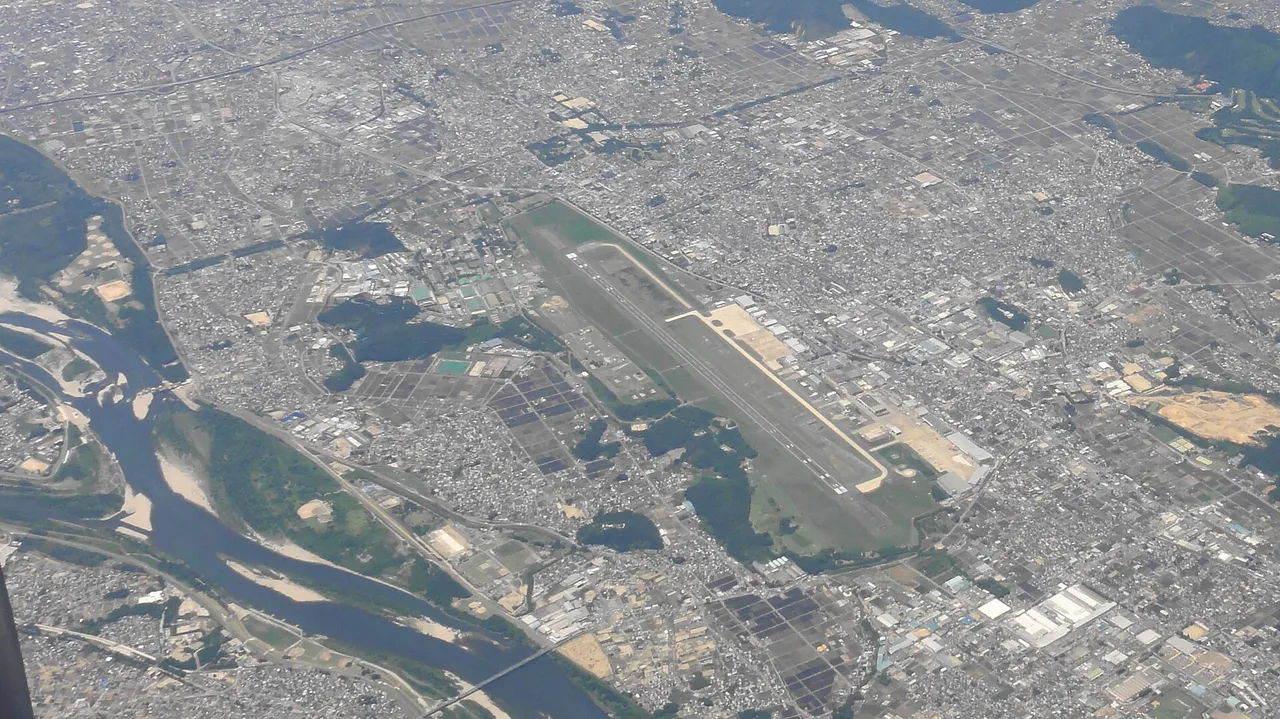

TAIPEI —
Japan's House of Representatives on 24 November passed a bill that would require buyers to get government permission in advance before acquiring land or buildings around Self-Defense Forces (SDF) bases and other sites deemed important to national security. The amendment to the land-use regulation law was approved by a majority at a plenary session of the lower house, Kyodo News and the Nikkei reported. It must still pass the House of Councillors before it becomes law.
The Nikkei said the ruling parties were joined by the Democratic Party for the People, Komeito and Sanseito, among others, in backing the bill, while the Japanese Communist Party voted against it. The permit rule would also cover uninhabited islands on Japan's borders.
Under the bill, ownership by foreign governments and parties linked to them would in principle not be allowed. A transaction made without permission could be punished by up to three years in prison or a fine of up to 3 million yen. The law now in force only obliges people buying in designated special monitored zones to report how the land will be used and the buyer's nationality.
Zones drawn around drone risks
When the bill cleared the lower house Cabinet Committee on 20 November, the Sankei Shimbun reported that the regulated zones would cover an area of about one kilometre around defence-related facilities that are especially vulnerable to drone attacks, as well as uninhabited border islands. Kyodo News gave the same one-kilometre figure during earlier committee debate. The permit rule would apply whatever the buyer's nationality.
The bill also gives the state a tool for cases where a company that has bought land later falls under the control of a foreign government. In that situation the government could order the land to be handed over, according to the Sankei Shimbun.
The lower house also passed a separate new bill on the same day obliging domestic companies to identify any beneficial owner holding more than 25% of voting rights. The Nikkei said that information is meant to help the authorities see who stands behind companies that acquire land, and to support anti-money-laundering measures ahead of an international review of Japan due in the summer of 2028.
Concerns over the scope
Lawmakers raised doubts about how far the new rules would reach. When it approved the bill, the Cabinet Committee adopted a supplementary resolution asking the government to spell out the criteria for refusing a purchase and the boundaries of the regulated zones, after critics said both were vague.
Komeito's Masayasu Yamazaki said in committee debate that his party accepted the need to regulate at the point of purchase but warned that requiring permission even for home sales would sharply shift the balance between security and free economic activity. Kimie Hatano of the Communist Party argued that the bill would infringe property rights and freedom of thought protected by the constitution.
During committee questioning on 13 November, the government said it had not confirmed any acts obstructing the functions of important facilities since the current law took effect in 2022, Kyodo News reported. Opposition lawmaker Akira Nagatsuma questioned whether tighter rules were needed.
If the upper house approves it, the change would move Japan from monitoring property deals near its bases after the fact to screening them before they happen.
Sources
More in Indo-Pacific
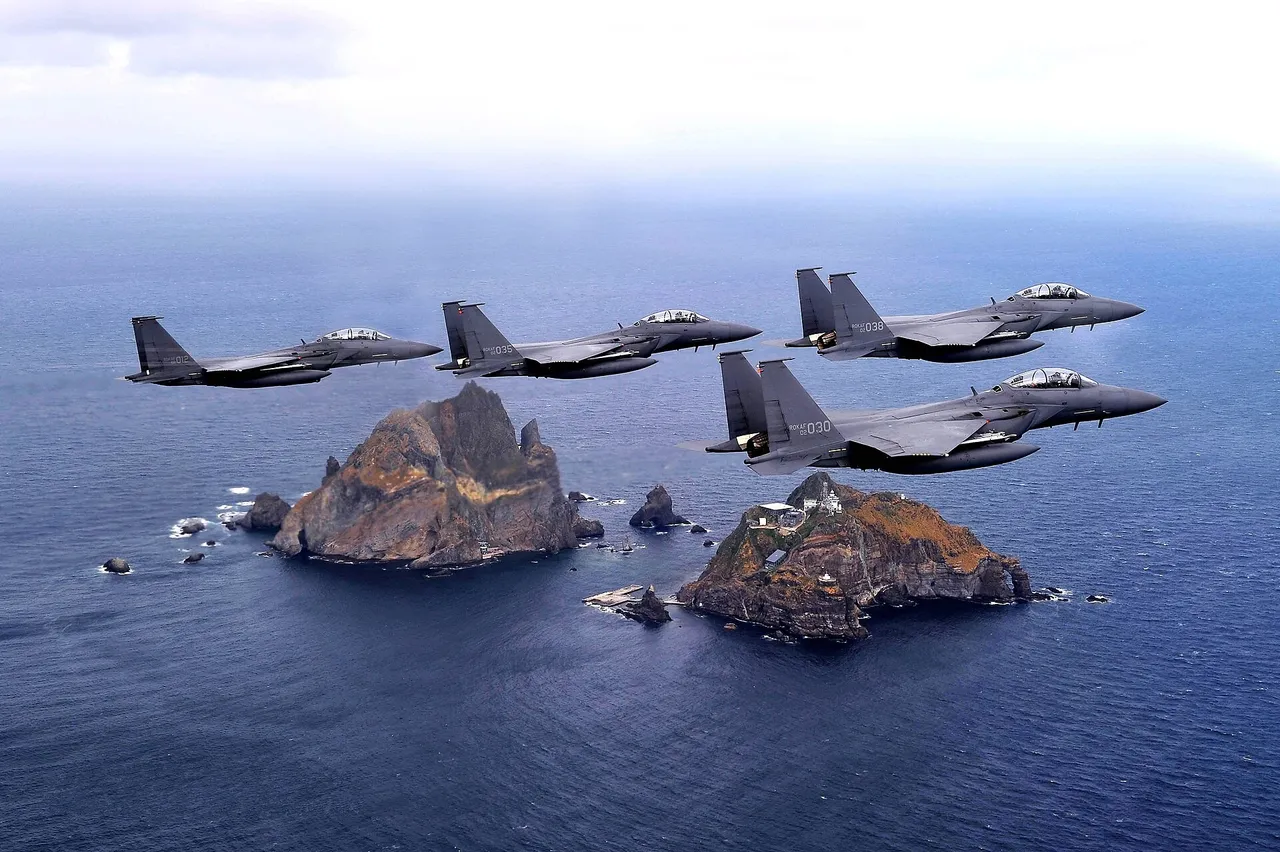
Russian warplanes near Ulleung Island trigger a brief air-raid alert as South Korea scrambles F-15Ks
Several Russian military aircraft entered South Korea's air defence zone over the East Sea; the military says they left without violating its airspace.
TaiwanDefence · 5h ago · 2 min read
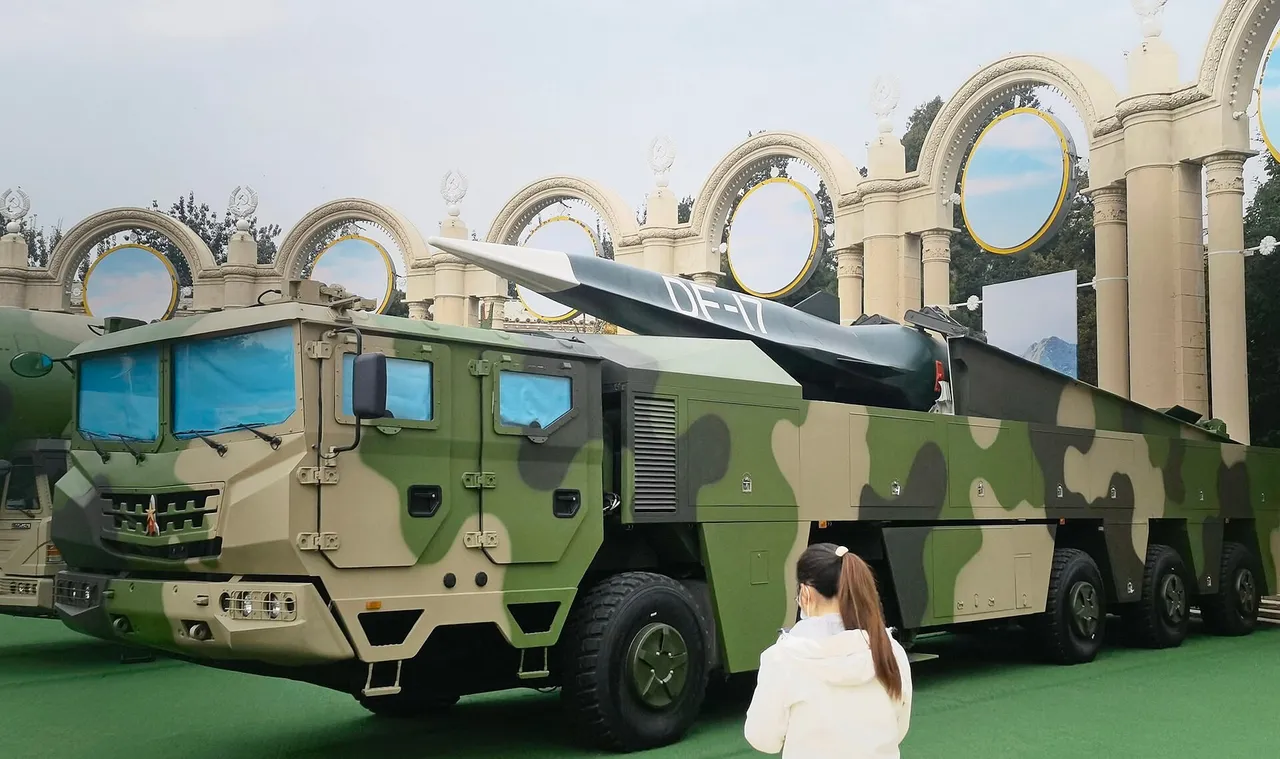
Chinese military researchers fear US AI could make China's nuclear missiles easier to find and destroy
A New York Times review of more than 100 Chinese studies finds PLA analysts worried that American AI could erode Beijing's ability to strike back after a nuclear attack.
TaiwanDefence · 9h ago · 3 min read
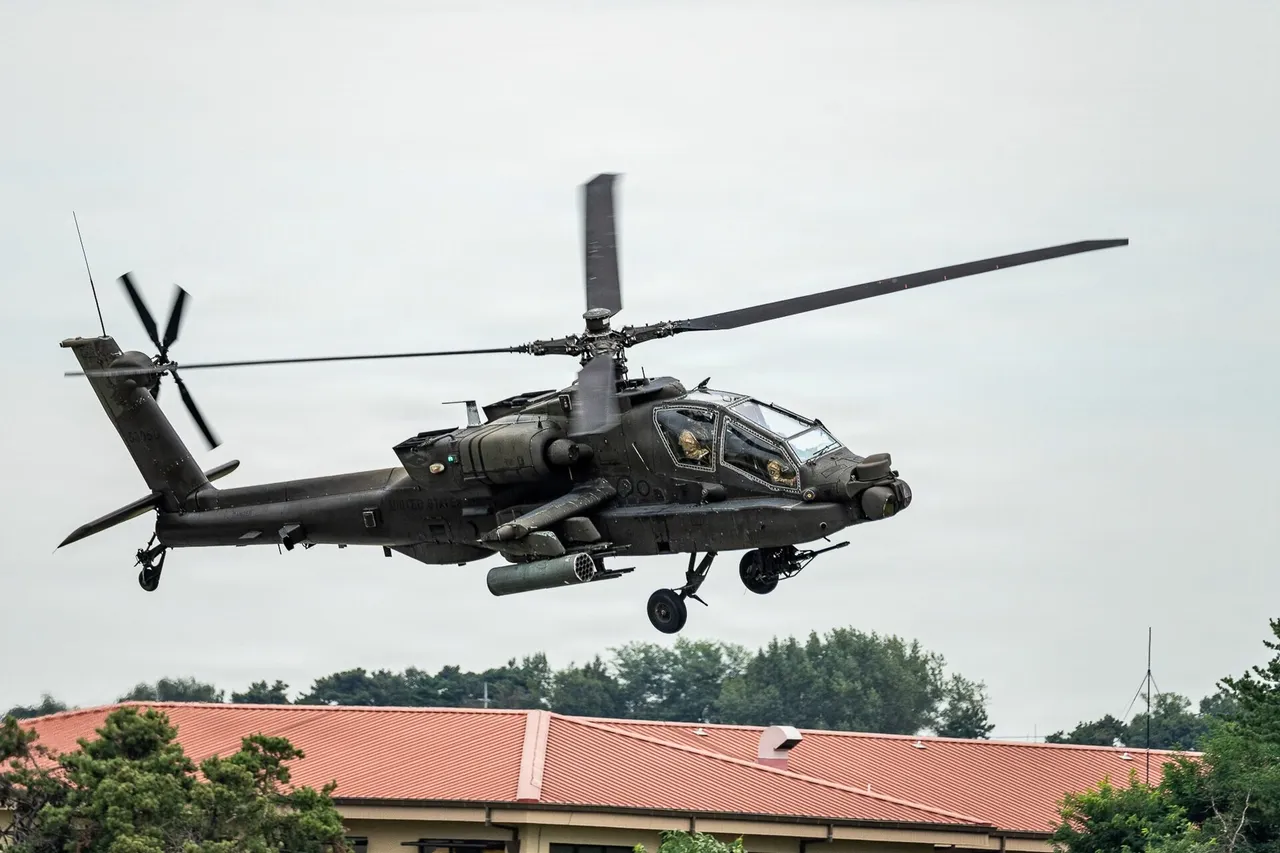
US Army helicopters based in South Korea fly to Japan for live-fire training for the first time
The 2nd Combat Aviation Brigade took Apaches, Black Hawks and Chinooks to Camp Fuji for aerial gunnery, its first live-fire training off the Korean Peninsula.
TaiwanDefence · 23h ago · 2 min read
Discussion (0)
Comments are not currently available.