
Chinese military researchers fear US AI could make China's nuclear missiles easier to find and destroy
A New York Times review of more than 100 Chinese studies finds PLA analysts worried that American AI could erode Beijing's ability to strike back after a nuclear attack.

TAIPEI —
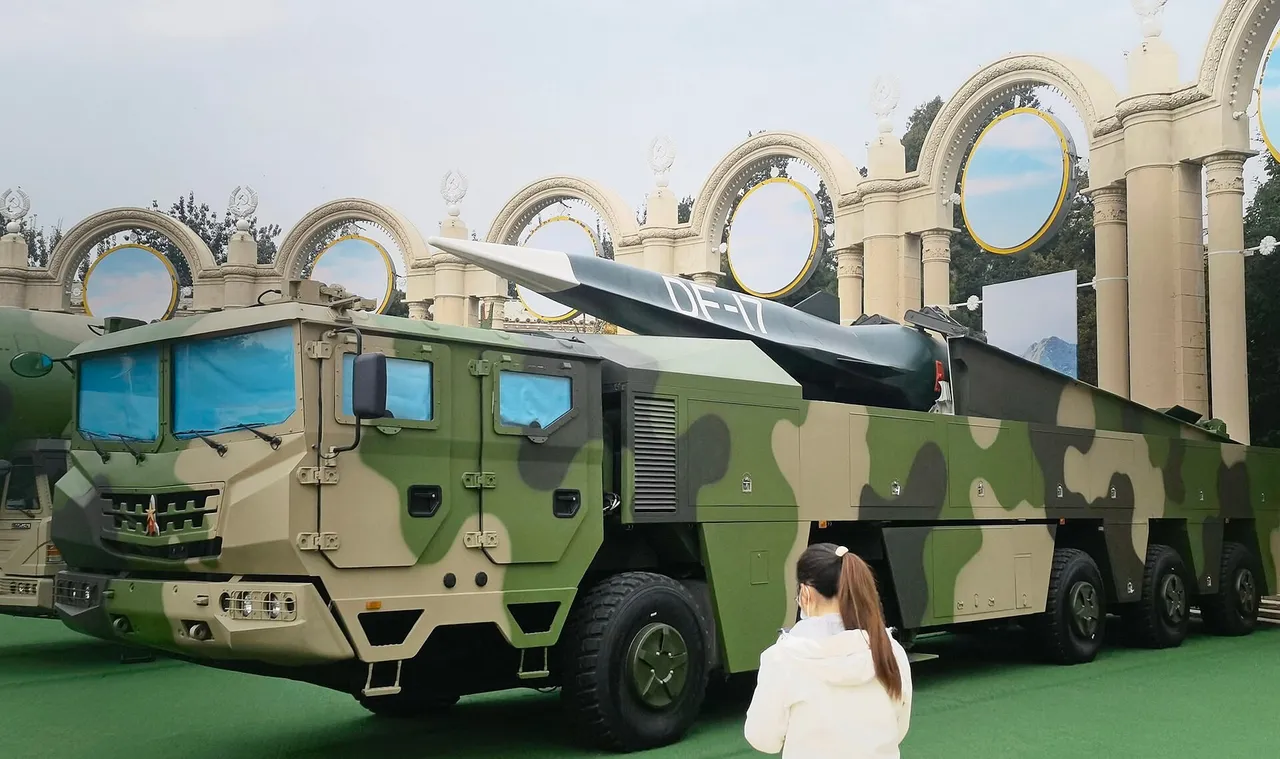
Researchers inside China's military are increasingly worried that American advances in artificial intelligence could help US forces locate, track and destroy Chinese nuclear missiles, weakening the second-strike capability on which Beijing's deterrent rests. The New York Times reported the findings on 23 November 2026 after its chief China correspondent, Chris Buckley, reviewed more than 100 recent studies by Chinese civilian and military researchers and interviewed experts and former US officials.
The worry goes to the core of Chinese nuclear strategy. Xi Jinping began expanding the country's nuclear forces about a decade ago so that enough missiles would survive a first strike for China to retaliate, and Chinese researchers now fear that faster US sensing and targeting could undercut that logic.
A 90-second decision cycle
One scenario comes from two researchers at the Academy of Military Science in Beijing, the PLA's top research institute. In a recent paper, they argued that embedding AI in US nuclear decision systems could shrink the traditional 15 to 30 minute decision process to 90 seconds or less. That figure is their projection, not a stated US capability.
According to the reports, China's missile force is closely watching US Strategic Command, which has said it wants to use AI to improve its decision-making capabilities, and Chinese analysts are studying how American conventional forces use AI to coordinate operations and choose targets. Jacob Stokes of the Center for a New American Security told the Times that the US lead in advanced chips deepens Beijing's concern.
A growing but smaller arsenal
The Federation of American Scientists estimates that China has about 620 nuclear warheads, a total widely forecast to reach about 1,000 by 2030. The United States and Russia each deploy around 1,800 warheads. To make its forces harder to find, China test-launched a long-range missile from a submarine in July and has built about 320 missile silos in its northern deserts.
Gerald C. Brown, a former State Department analyst who studies China's nuclear strategy, told the paper that Beijing sees AI making the survival of its missiles much harder. Sun Chenghao of Tsinghua University's Center for International Security and Strategy said China must weigh whether, in an extreme case, the United States could rely on AI reconnaissance, precision strike and missile defence to blunt a Chinese counterattack.
Beijing races to use AI as well
China is also pursuing the technology. Xi held a meeting of senior officials on military uses of AI in July, according to the reports. Studies linked to the PLA Rocket Force, which controls most of China's nuclear missiles, examine how AI could help hypersonic glide vehicles evade air defences and help ballistic missiles regain their course after dodging interceptors.
Some PLA researchers urge caution. One study this year from two military institutes warned that false data magnified by AI could create enormous risks for command and control. Philip Reiner of the Institute for Security and Technology told the Times that no one is handing launch decisions to AI, but the information behind those decisions will increasingly be shaped by it.
Formal safeguards remain thin. Xi and then-President Joe Biden agreed in 2024 to keep human control over decisions to use nuclear weapons, but no official talks have followed. When Xi, US President Donald Trump and Russian President Vladimir Putin met in Shenzhen on 19 November, they discussed reducing nuclear risks, but the role of AI in nuclear weapons did not come up.
Sources
More in Indo-Pacific
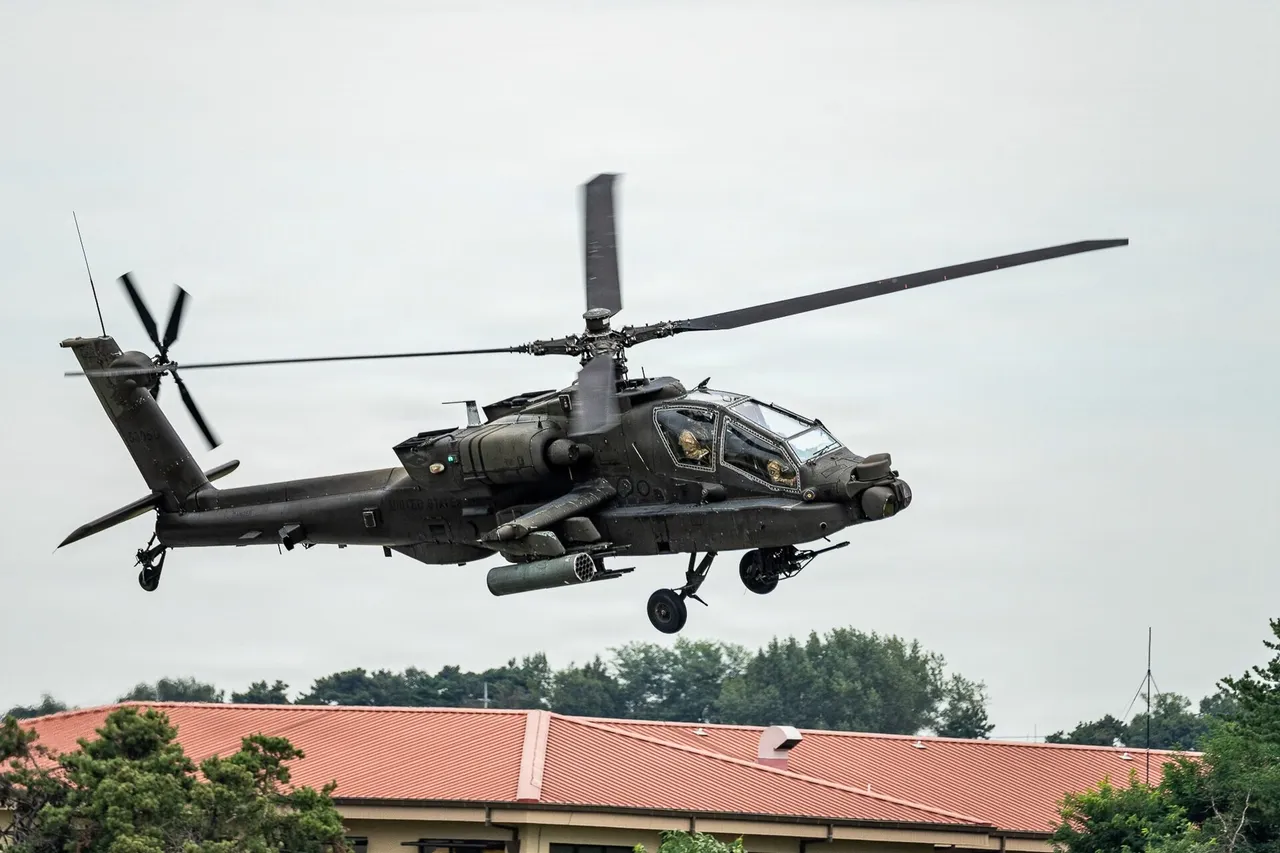
US Army helicopters based in South Korea fly to Japan for live-fire training for the first time
The 2nd Combat Aviation Brigade took Apaches, Black Hawks and Chinooks to Camp Fuji for aerial gunnery, its first live-fire training off the Korean Peninsula.
TaiwanDefence · 14h ago · 2 min read
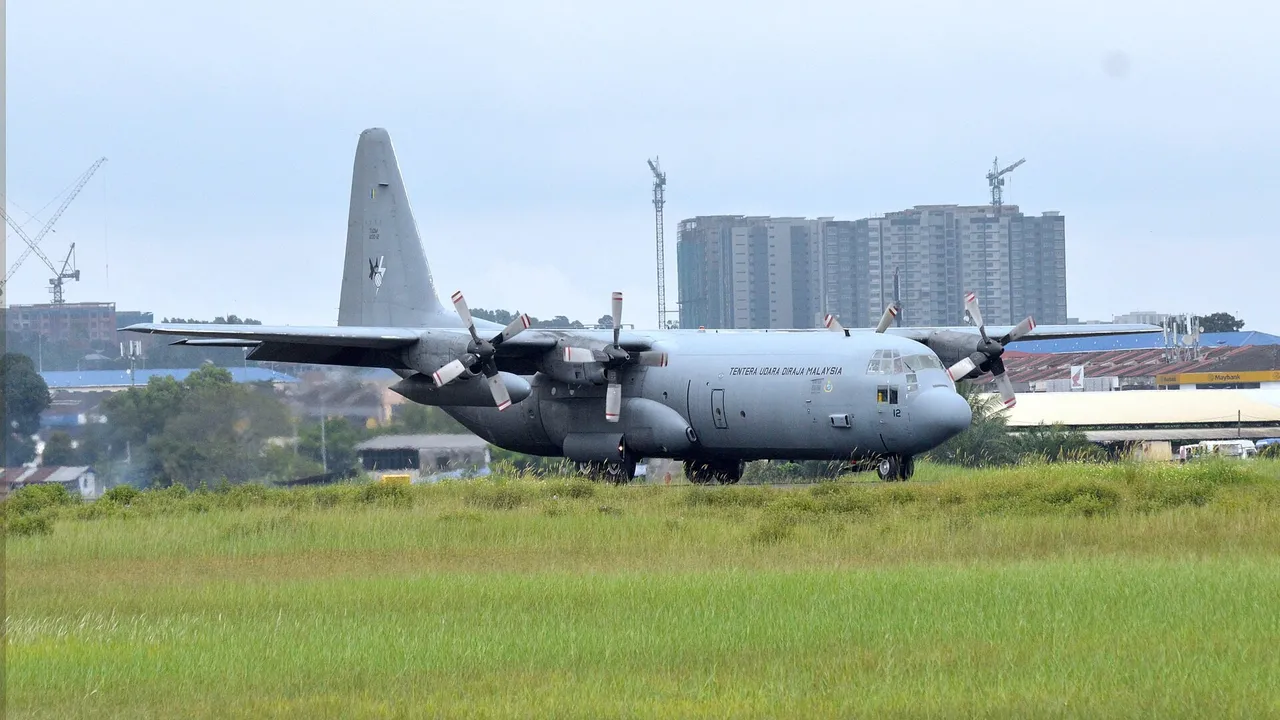
Malaysia orders a review of air base security after drugs were found bound for an air force plane
Defence minister Khaled Nordin says a ministry committee will ask whether a meth ring using air force transport flights is isolated or a wider failure.
TaiwanDefence · 20h ago · 2 min read

North Korean ship marked coast guard is seen near the Yellow Sea border for the first time
Photos from Yeonpyeong Island show a white, gun-armed vessel north of the NLL watching Chinese fishing boats, as Seoul's military says it is tracking the North.
TaiwanDefence · 22h ago · 2 min read
Discussion (0)
Comments are not currently available.