South Korea lines up 820 billion won in loan guarantees for defence suppliers as KAI pledges new investment
Hanwha Aerospace, Hyundai Rotem and KAI joined three banks and the state export insurer on 23 November to ease credit for their smaller subcontractors.

TAIPEI —
South Korea's industry ministry, the South Gyeongsang provincial government and three major defence contractors, Hanwha Aerospace, Hyundai Rotem and Korea Aerospace Industries (KAI), signed a trade-finance agreement on Monday, 23 November 2026, that will give the contractors' smaller suppliers access to about 820 billion won in preferential export-insurance guarantees.
The ceremony at the provincial government headquarters in Changwon was paired with a separate pact under which KAI will invest 1.5 trillion won, about US$1 billion, in aerospace and defence work in the province over five years from 2027 to 2031.
How the guarantees work
Under the scheme, each prime contractor teams up with a commercial bank to pay into a trade insurance fund. Hanwha Aerospace and Woori Bank put in 15.1 billion won, Hyundai Rotem and Hana Bank another 15.1 billion won, and KAI and KB Kookmin Bank 10.8 billion won, according to provincial figures reported by Newsis and Hankook Ilbo.
The Korea Trade Insurance Corporation (K-SURE) will then offer guarantees worth 20 times those contributions, roughly 820 billion won, to small and mid-sized partner firms of the three contractors. Those companies can borrow from the participating banks with the loan fully guaranteed, a guarantee fee of 0.7 percent a year and a term of up to three years.
South Gyeongsang says it is the first local government in the country to add an interest subsidy on loans backed by K-SURE guarantees. It will use its small-business promotion fund to cover part of the interest for defence suppliers based in the province.
Choi Man-rim, the province's deputy governor for innovation and growth, said the defence industry can only grow if smaller partners with technology and production capacity grow alongside the prime contractors, and that the pact was meant to build a sturdier export supply chain. The agreement follows a meeting on shared growth that the province held with defence companies in August.
KAI's five-year pledge
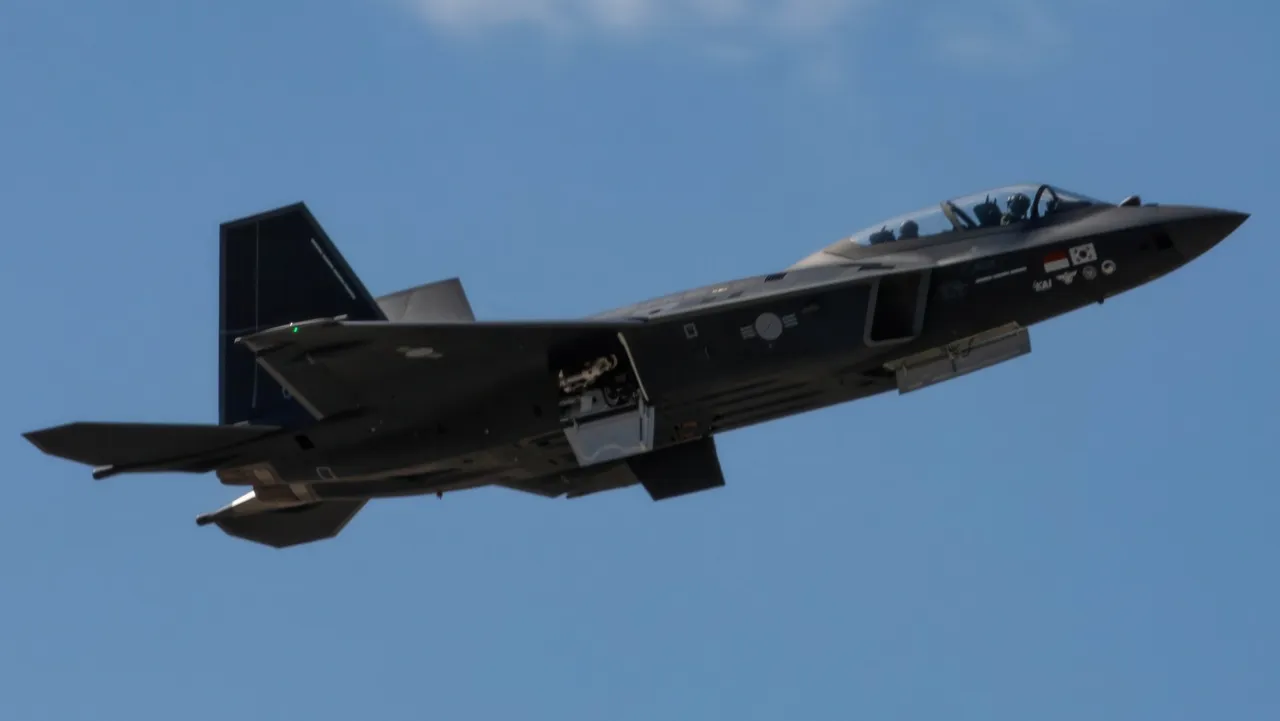
KAI's investment will go into four areas, the industry ministry said: technology and parts for next-generation civil aircraft, localising high-value aviation components, satellite systems and infrastructure, and components for next-generation combat systems.
Under the division of roles, KAI will work out the detailed investment plan, the ministry will support it and review regulatory changes, and the province and the cities of Jinju and Sacheon, where KAI has its headquarters, will help secure land and permits. The text of the agreement was not made public.
The pledge is a follow-up to a 312 trillion won plan for advanced industries in the Yeongnam region that President Lee Jae-myung announced in Jinju on 3 July. In October the province signed agreements worth 2.64 trillion won with 17 companies, including shipbuilding and nuclear power firms. KAI's single commitment is worth more than half of that combined total, Maeil Business noted.
Lee Min-woo, who heads the ministry's industrial growth office, said regional growth starts with bold corporate investment and a strong industrial base, and that the ministry would also work on financing and on-site problems so that the gains from defence exports reach partner companies.
Governor Park Wan-su said the important thing is that the planned investment actually happens and produces results. He said the province would assign dedicated staff to help companies with land, electricity, water and licensing, and would keep working with Jinju and Sacheon on execution.
Sources
More in Industry
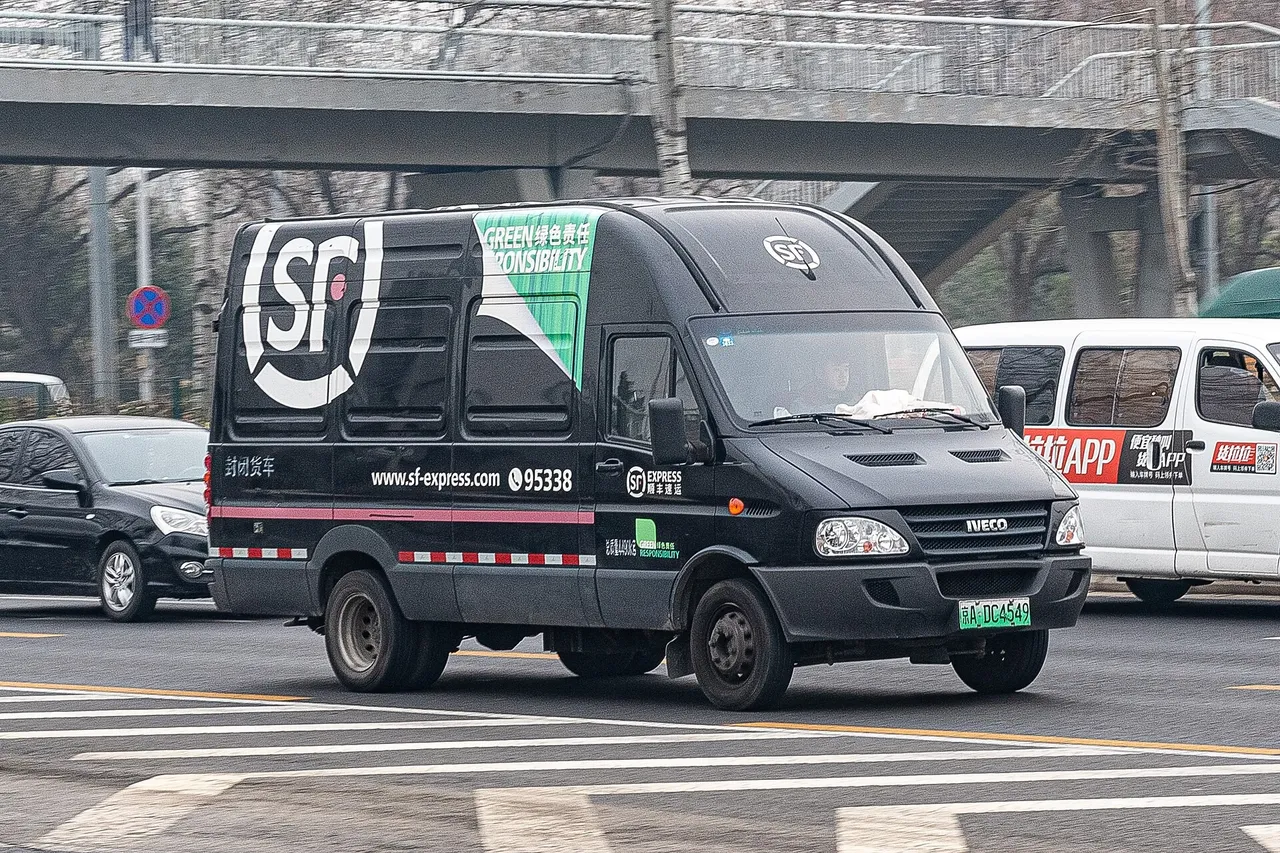
China's military bars courier giant SF Express and Bama Tea from its procurement
A PLA notice suspended the two firms over unspecified violations, and Bama Tea told Hong Kong's exchange it has never bid for military work.
TaiwanDefence · 6h ago · 2 min read
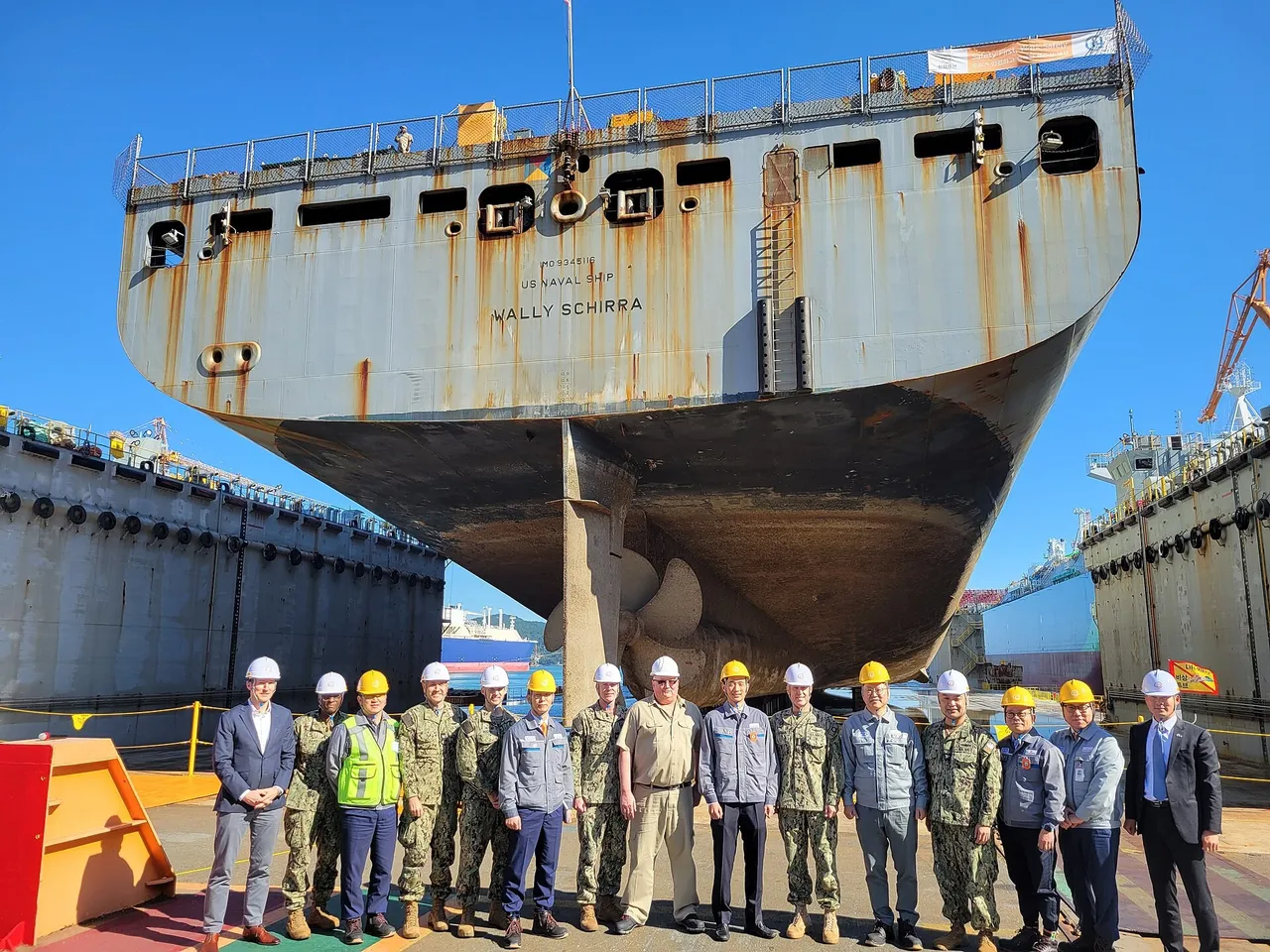
HD Hyundai Heavy Industries lands a fourth US Navy maintenance contract, with work in Ulsan from January
The South Korean shipbuilder will overhaul the 7th Fleet dry cargo and ammunition ship USNS Wally Schirra in Ulsan from January 2027 and return it in March.
TaiwanDefence · 22h ago · 2 min read
Indian drone industry says 689 military tenders named Chinese parts, most of them from the Army
Drone Federation India has urged the defence secretary and India's defence chief to bar Chinese drone parts after finding 580 Army tenders that named them.
TaiwanDefence · 1d ago · 2 min read
Discussion (0)
Comments are not currently available.