
GRSE hands India's navy the submarine hunter Ashank, 18 days after Amini
The shallow-water anti-submarine craft was accepted on 23 November, and GRSE now has two more of the class left to finish for the Indian Navy.

TAIPEI —
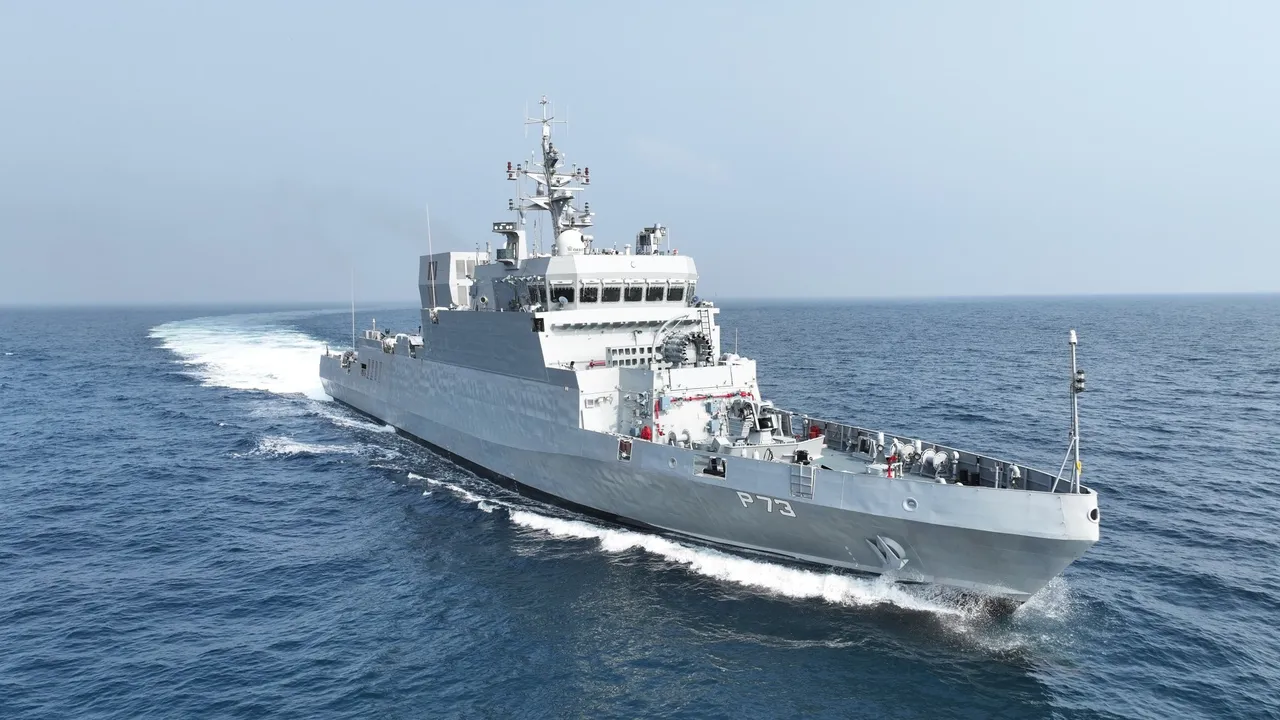
Garden Reach Shipbuilders and Engineers (GRSE), the state-owned shipyard in Kolkata, delivered Ashank, an Anti-Submarine Warfare Shallow Water Craft (ASW-SWC), to the Indian Navy on Monday, 23 November 2026. It is the yard's second warship handover this month.
The vessel was accepted on the navy's behalf by Rear Admiral Gautam Marwaha, Chief Staff Officer (Technical) at the headquarters of the Eastern Naval Command in Visakhapatnam, the same officer who accepted the previous ship of the class.
The handover came 18 days after GRSE delivered Amini, another craft of the same type, on 5 November. Amini was the fifth ship in the eight-vessel series and was handed over at Kattupalli in Tamil Nadu.
Built to hunt submarines close to shore
Craft of this type are meant to find, track and attack hostile submarines operating in coastal and shallow waters. Their task is to protect India's coastline, harbours and strategic maritime installations from underwater threats.
According to India's Ministry of Defence, the GRSE-built ships are among the largest Indian Navy warships driven by waterjets. They carry lightweight torpedoes, indigenous rocket launchers and sonar to detect and engage targets below the surface, and are also intended to add to the navy's coastal surveillance and mine-laying capacity.
The shipyard says the class has about 88 percent indigenous content and mounts a 30mm naval surface gun that GRSE makes itself. The defence ministry has put the local content at more than 80 percent, describing the programme as part of a push to build naval platforms at home and import less.
GRSE said the programme shows its ability to integrate complex indigenous systems and technologies into frontline naval platforms, in line with the government's Aatmanirbhar Bharat policy of building a self-reliant defence industry.
The name Ashank is meant to convey fearlessness, GRSE said, and the ship is intended to strengthen the navy's operations in the littoral zone.
A busy order book in Kolkata
With Ashank, GRSE says it has now built 120 warships, 82 of which have gone to the Indian Navy.
The yard is currently building 12 frontline naval platforms: one Project 17A stealth frigate, two further ASW-SWCs, four next-generation offshore patrol vessels and five next-generation corvettes. It is also constructing 36 other vessels, 13 of them for export customers, according to the company.
When Amini was delivered, the defence ministry said the GRSE-built craft are designed and constructed to the classification rules of the Indian Register of Shipping. It added that Amini takes its name from Amini Island in the Union Territory of Lakshadweep.
GRSE presented the handover as evidence of steady progress in delivering frontline platforms to the navy. Ashank's arrival, following Amini within the same month, leaves the shipyard with two craft of the type still to complete under its current order book.
Sources
More in Navy
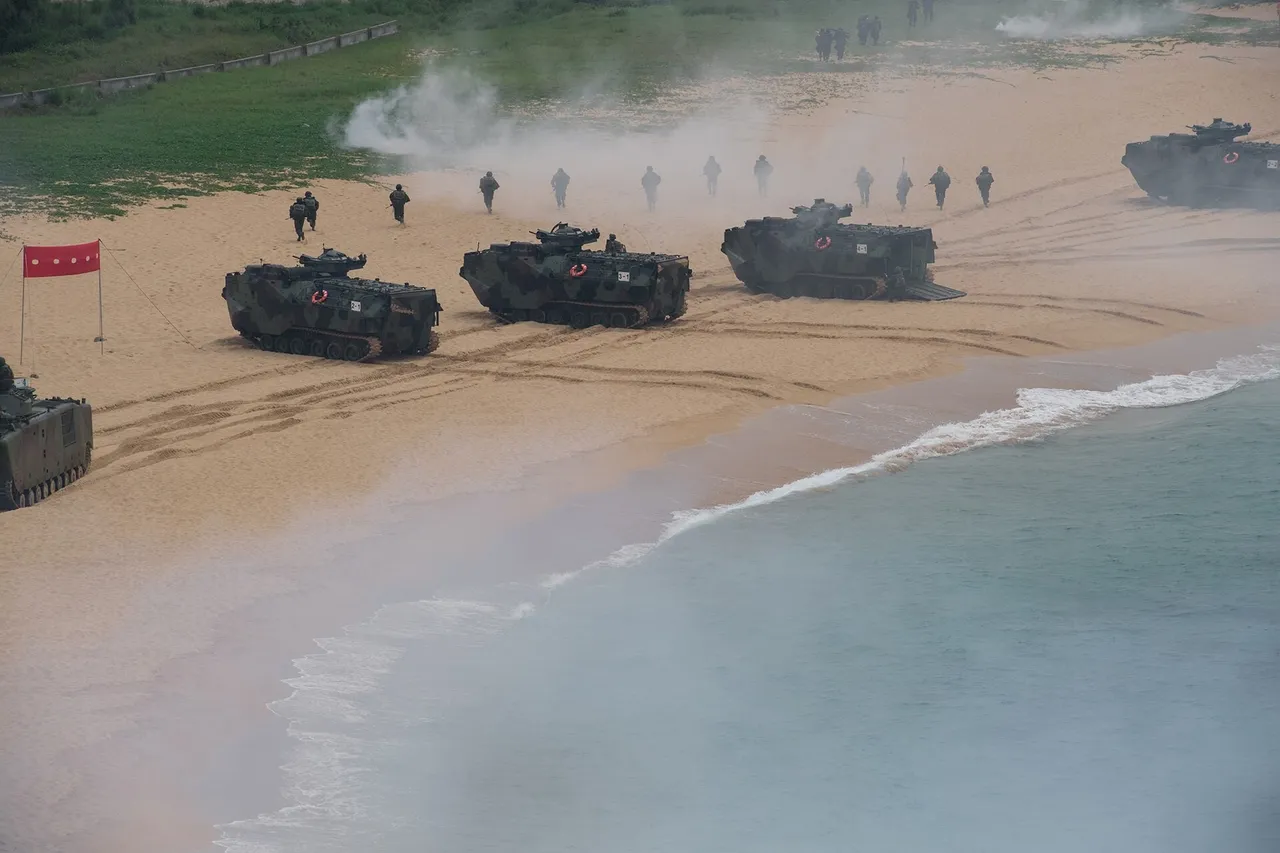
Taiwan's marines will fly Chin Feng-1 attack drones in a December beach live-fire drill
A firing notice shows the Marine Corps plans to shoot more than 51,000 rounds at Zuoying beach on 8 December and to add locally built Chin Feng-1 attack drones.
TaiwanDefence · 4h ago · 2 min read
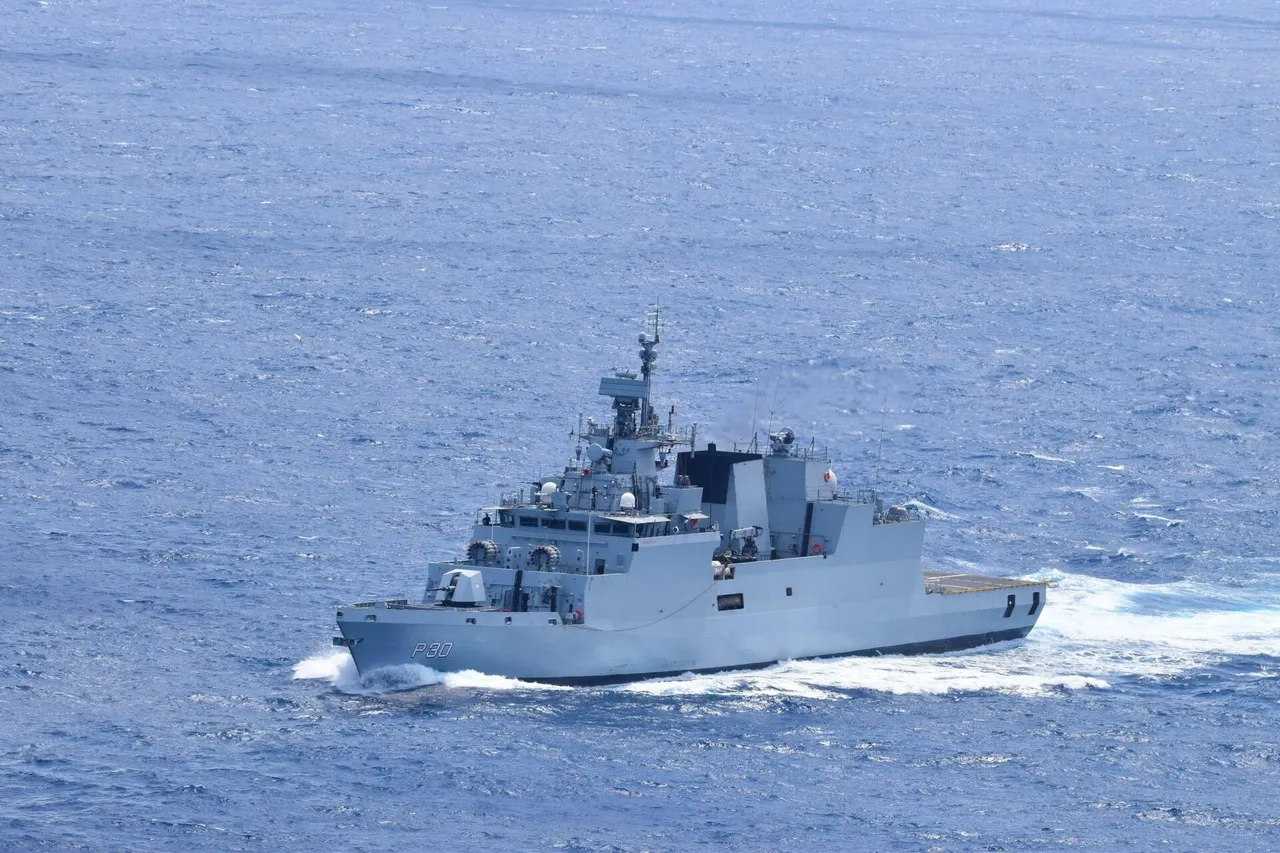
India's state shipyards move to hand three of eight new navy corvettes to a private yard
GRSE and Goa Shipyard plan to outsource three Next Generation Corvettes, which would see a private Indian yard build a frontline warship for the first time.
TaiwanDefence · 1d ago · 3 min read
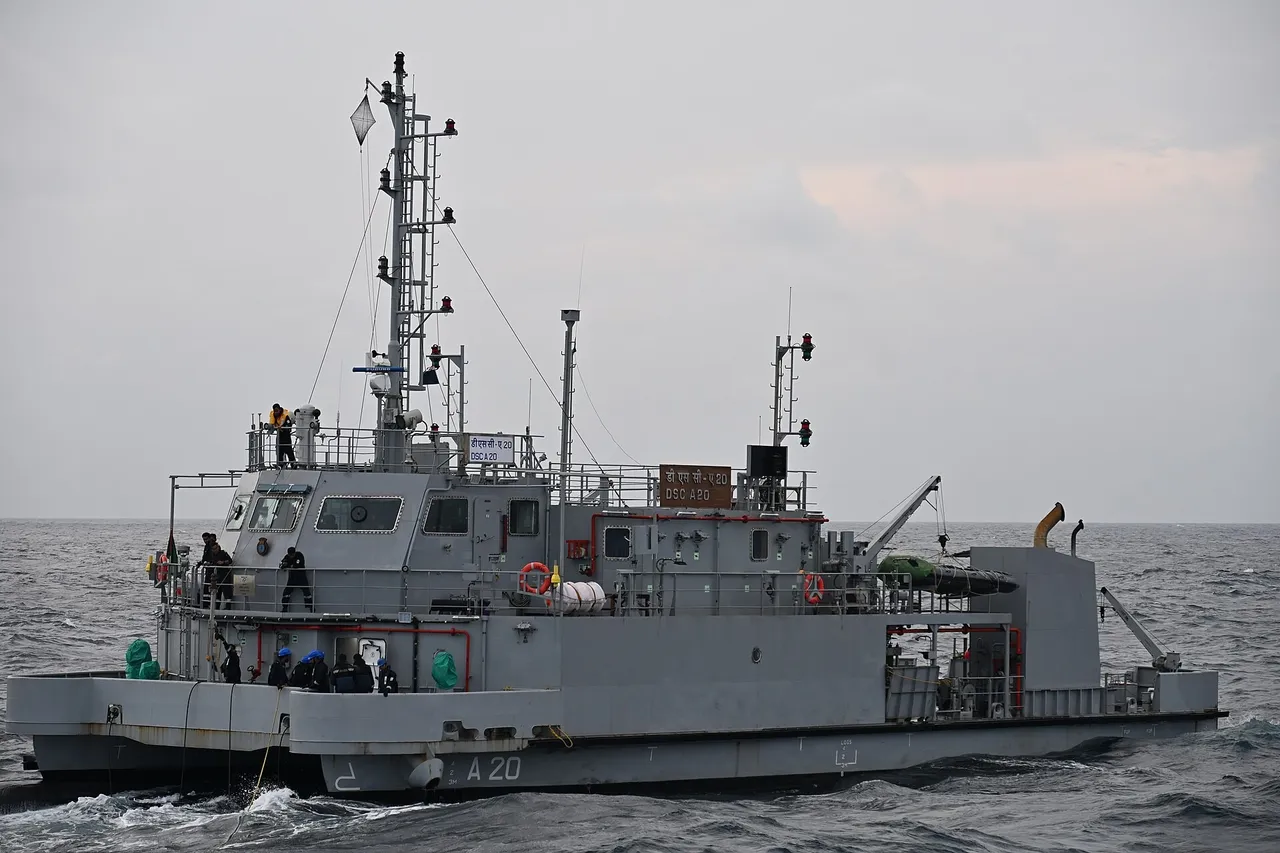
India's navy receives DSC A21, the second of five Titagarh-built diving support craft
The catamaran craft, handed over in Mumbai on 20 November, is the second of five ordered in 2021 for harbour diving and salvage work, with deliveries behind plan.
TaiwanDefence · 2d ago · 2 min read
Discussion (0)
Comments are not currently available.