
India's state shipyards move to hand three of eight new navy corvettes to a private yard
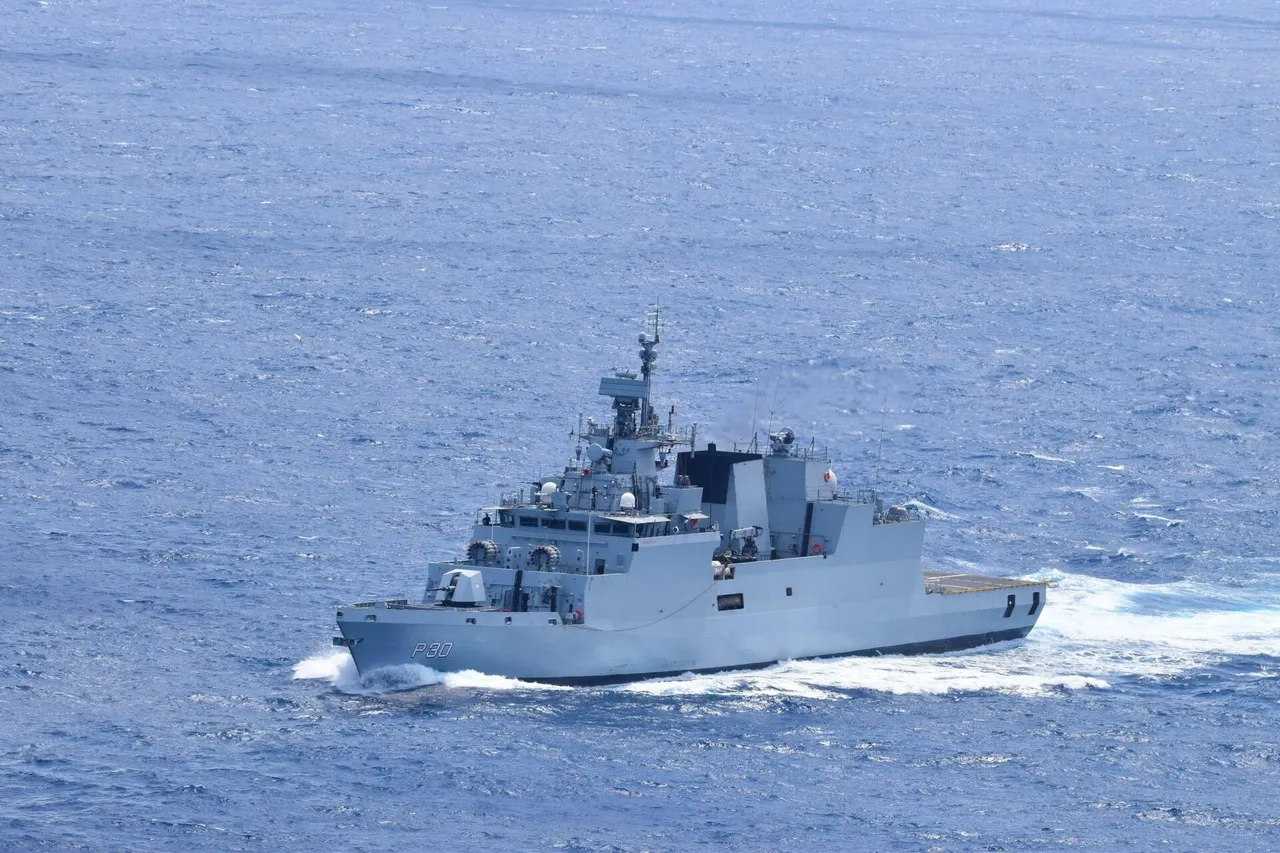
GRSE and Goa Shipyard plan to outsource three Next Generation Corvettes, which would see a private Indian yard build a frontline warship for the first time.

TAIPEI —
India's two state-owned shipyards that won the order for eight Next Generation Corvettes have moved to pass construction of three of the warships to private industry, the news site ThePrint reported on 20 November, citing a source familiar with the matter. If the plan goes ahead, at least one private Indian shipyard would build a large, heavily armed frontline warship for the Indian Navy for the first time.
The Ministry of Defence signed contracts worth Rs 53,866.50 crore, about US$5.7 billion, for the eight corvettes on 2 November with Garden Reach Shipbuilders and Engineers (GRSE) in Kolkata and Goa Shipyard Limited (GSL). Under the contracts GRSE is to build five of the ships and GSL the other three.
According to the source cited by ThePrint, the two yards will together outsource a total of three corvettes. The private builder would be treated as the partner shipyard of a public-sector counterpart. The source declined to name the private company and said an announcement could be made soon.
A second production line
The source linked the step to the dual production pipeline approach that defence officials have outlined in recent months, under which two or more production lines, including existing public-sector capacity, are set up for the same or similar equipment to gain scale and speed. The stated aim is to bring private firms into the building of major naval platforms and to stop yard capacity from holding back naval shipbuilding.
The government wants the public and private sectors to work together, the source told ThePrint, on the view that a whole-of-industry approach could deliver shipbuilding contracts faster than either sector could alone. ThePrint compared the plan with the Advanced Medium Combat Aircraft programme, where the selection of an industry partner to help develop and build prototypes is under way, with the Tata Group and consortia led by the Kalyani Group and Larsen and Toubro in contention.
The defence magazine Raksha Anirveda, reporting the plan on 21 November, said the public yards would remain the main contractors. It said much would depend on how work is split between the lead yards and their private partners, including who manages construction, how designs and technical standards are passed on, and how quality and schedules are monitored.
The ships
The corvettes are designed by the Indian Navy. The defence ministry said in its 2 November announcement that it was the first project in which ships designed by the navy would be built by state-owned yards selected through a competitive process, and that the vessels would handle anti-surface and anti-submarine warfare, coastal defence, littoral combat and maritime surveillance missions.
Each ship will have a deadweight tonnage of 4,950 tonnes, a top speed of 26 knots, an endurance of 14 days at sea without replenishment and a crew of 11 officers and 139 sailors. GRSE has said the vessels will be 127 metres long with a beam of 17.6 metres and will use combined diesel and gas turbine propulsion.
The planned armament includes medium-range anti-ship missiles, Israeli-Indian MRSAM surface-to-air missiles, torpedoes, an upgraded 76 mm OTO Melara gun and AK-630 close-in weapons, with an MF-STAR multifunction radar, an infrared search-and-track system and facilities to operate a helicopter.
The order is part of a wider fleet build-up. Navy chief Admiral Dinesh Tripathi said in February that India aims to have a navy of more than 200 ships by 2035, against about 145 ships and submarines today, according to Defense News.
GRSE and GSL had not answered ThePrint's emailed questions at the time of its report, and neither the defence ministry nor the navy has announced the outsourcing or named a private partner.
Sources
More in Navy
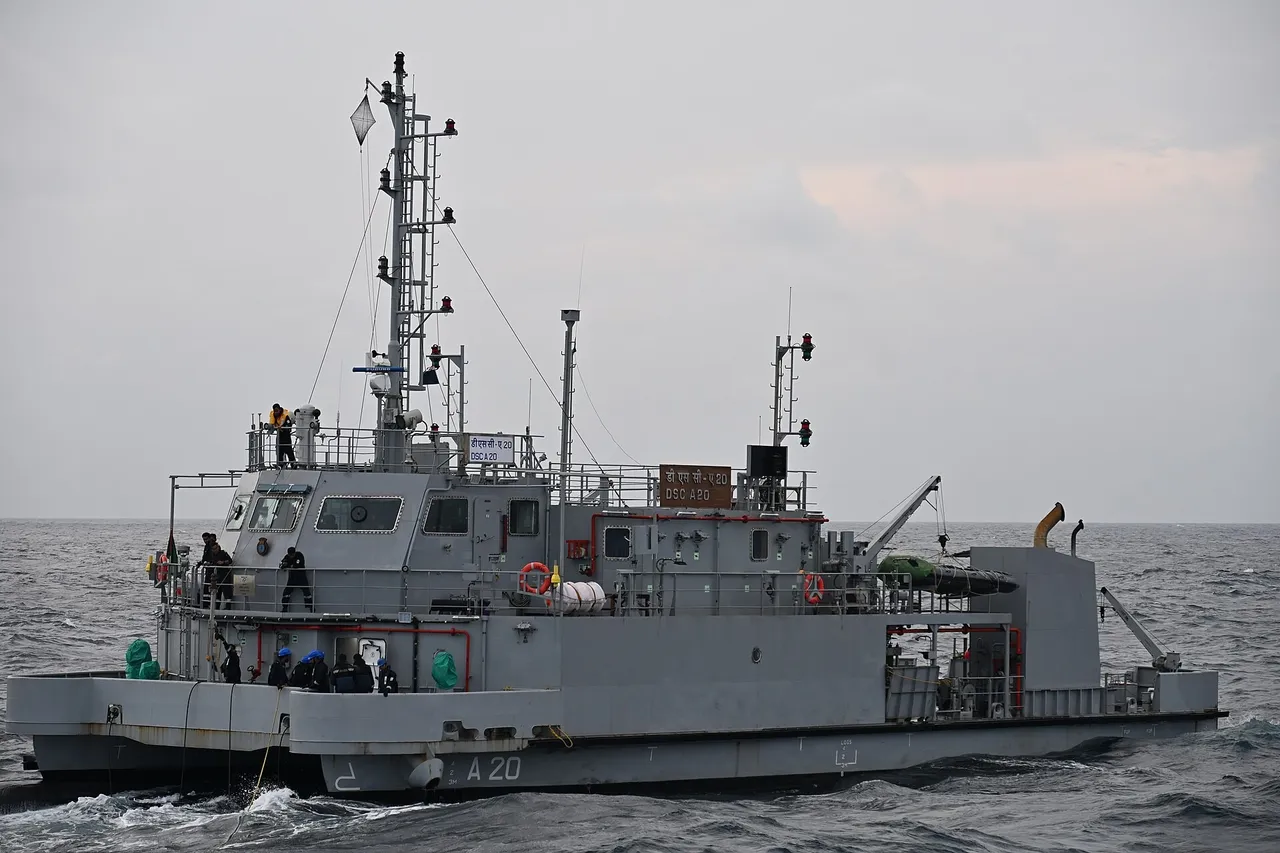
India's navy receives DSC A21, the second of five Titagarh-built diving support craft
The catamaran craft, handed over in Mumbai on 20 November, is the second of five ordered in 2021 for harbour diving and salvage work, with deliveries behind plan.
TaiwanDefence · 1d ago · 2 min read
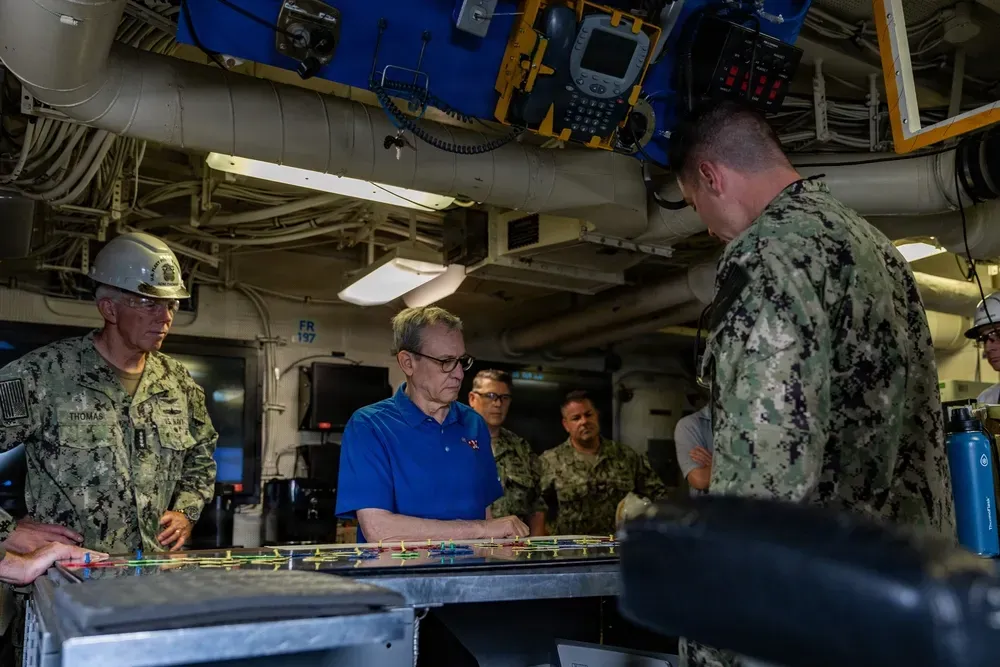
US Navy's No. 2 nominee wants a foreign shipbuilder to open an American yard just for frigates
William Toti told senators that bringing Korean or Japanese shipbuilding know-how into a new US yard is the fastest way to get frigates, as Congress resists building warships abroad.
TaiwanDefence · 1d ago · 2 min read
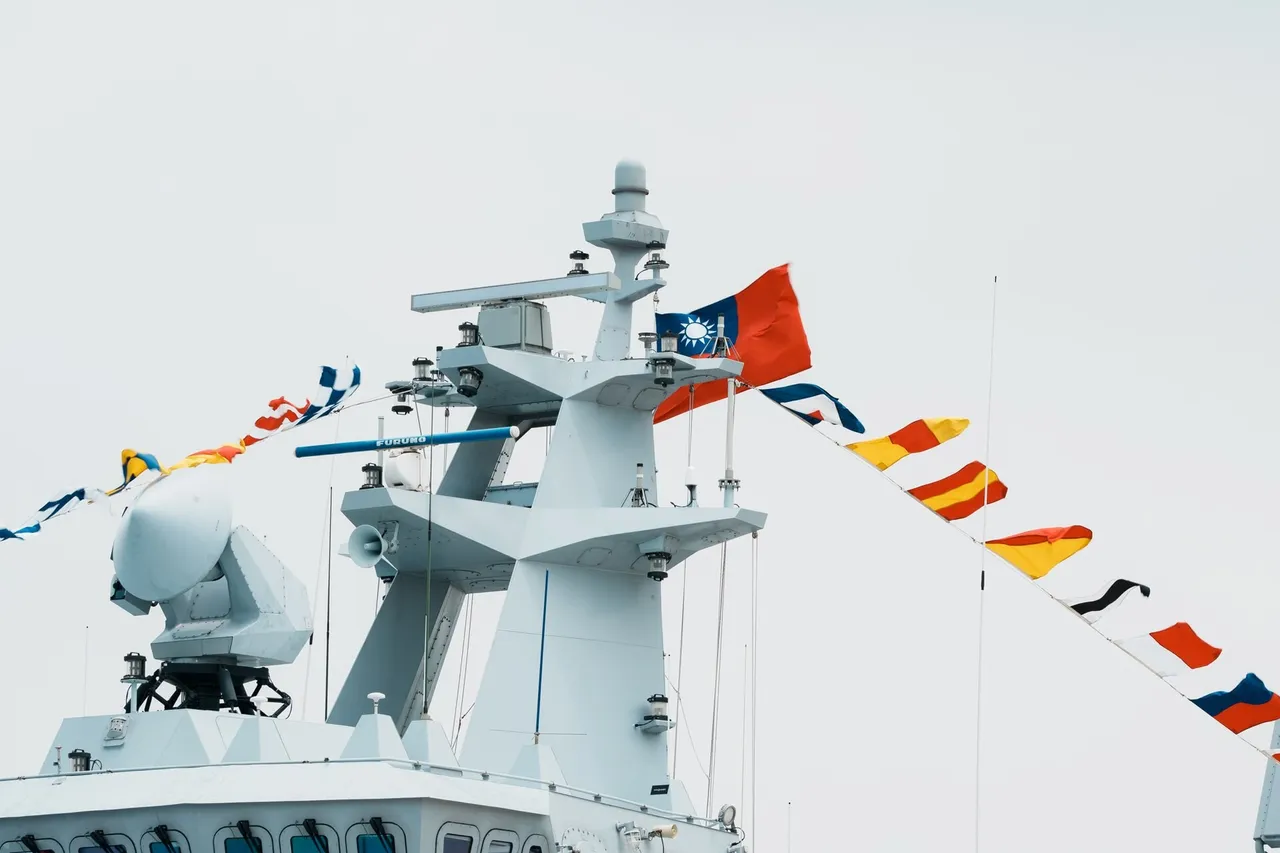
Taiwan's navy takes delivery of Bao Jiang, the last of its 12 Tuo Chiang-class missile corvettes
The final ship of the stealthy, missile-heavy class was handed over at Su'ao, and the navy still expects all 12 to be in service by the end of the year.
TaiwanDefence · 2d ago · 2 min read
Discussion (0)
Comments are not currently available.