
South Korean army's rear command opens test units to civilian robots for logistics work
The army's Second Operational Command will host trial units for robots and physical AI in supply and logistics duties under a deal with Korea's robot agency.

TAIPEI —
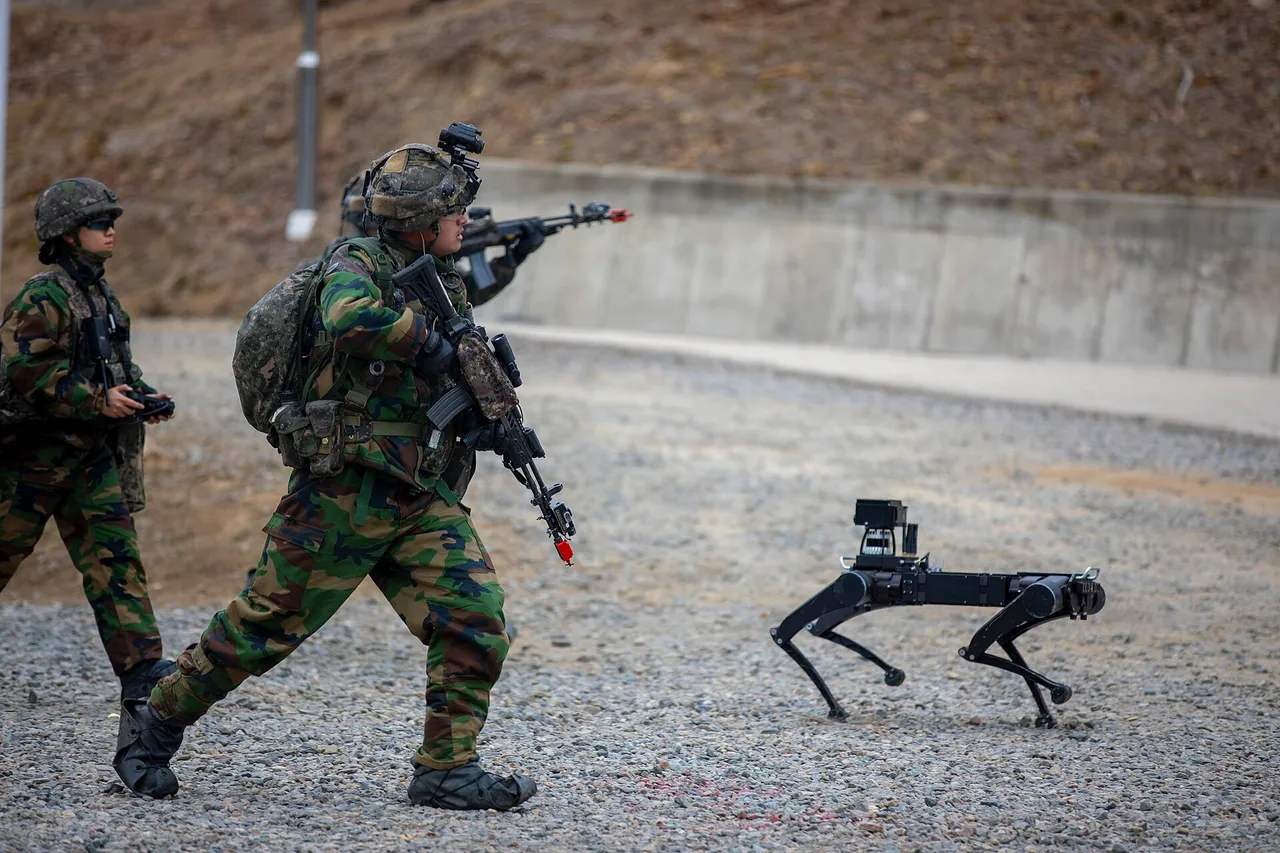
South Korea's army has agreed to open some of its units to civilian robot makers so that their machines can be tried out on military logistics and supply work. The Korea Institute for Robot Industry Advancement, a state agency known as KIRIA, said on 22 November that it had signed an agreement with the army's Second Operational Command on 19 November to expand the use of advanced robots and physical artificial intelligence in the military.
The agreement was signed at the headquarters of the Second Operational Command. KIRIA president Cho Young-hoon and the command's chief, General Kim Ho-bok, signed the document, according to reports by Electronic Times and the Maeil Shinmun, and officials from both bodies discussed concrete steps for applying robot technology in the field.
Under the deal, KIRIA will look for jobs in military units that robots could take over, turn them into demonstration projects and link those projects to existing government support programmes. The command will provide pilot units and test beds where the selected technology can be checked under real military conditions.
Five areas of cooperation
The two sides listed five areas of work: finding demand for robots and physical AI in defence and running joint projects, applying and demonstrating the technology in the field, reviewing test environments and running pilot operations, exchanging technical, industrial and policy information, and sharing results so that proven systems can spread to other units.
Logistics and supply are the main targets. The Maeil Shinmun reported that the partners want robots to handle repetitive work that soldiers now do by hand, and then to share the results of the trials so that other units can adopt the technology once it has been verified.
Electronic Times described the arrangement as a full cycle running from finding demand to field demonstration and then wider fielding, rather than a one-off technology trial. It said the goal is to respond early to a shrinking pool of military manpower and to changes in logistics work, while improving the safety of soldiers.
Cho said, in remarks carried by Yonhap, that the test environment offered by the command would be an important foothold for civilian robot technology to settle into the defence field, and that his agency would work to keep robot use in the public sector from ending after a single pilot.
Follow-up to an August meeting
The agreement follows talks in August. Robot Newspaper, a Korean robotics trade outlet, reported on 7 August 2026 that Kim and senior logistics officers from his command visited KIRIA to discuss using robots for army logistics and supply, and that both sides agreed robots should take over repetitive, heavy work as troop numbers fall.
The move is part of a wider push by Seoul to bring uncrewed systems into its forces. On 2 November the defence ministry launched a Defense Drone Agency to steer drone and counter-drone development across the services, Yonhap reported, and said the military plans to buy more than 20,000 low-cost expendable combat drones.
Neither KIRIA nor the army said which robots would be tested first, how many units would take part or how much money would be spent on the trials.
Sources
More in Indo-Pacific
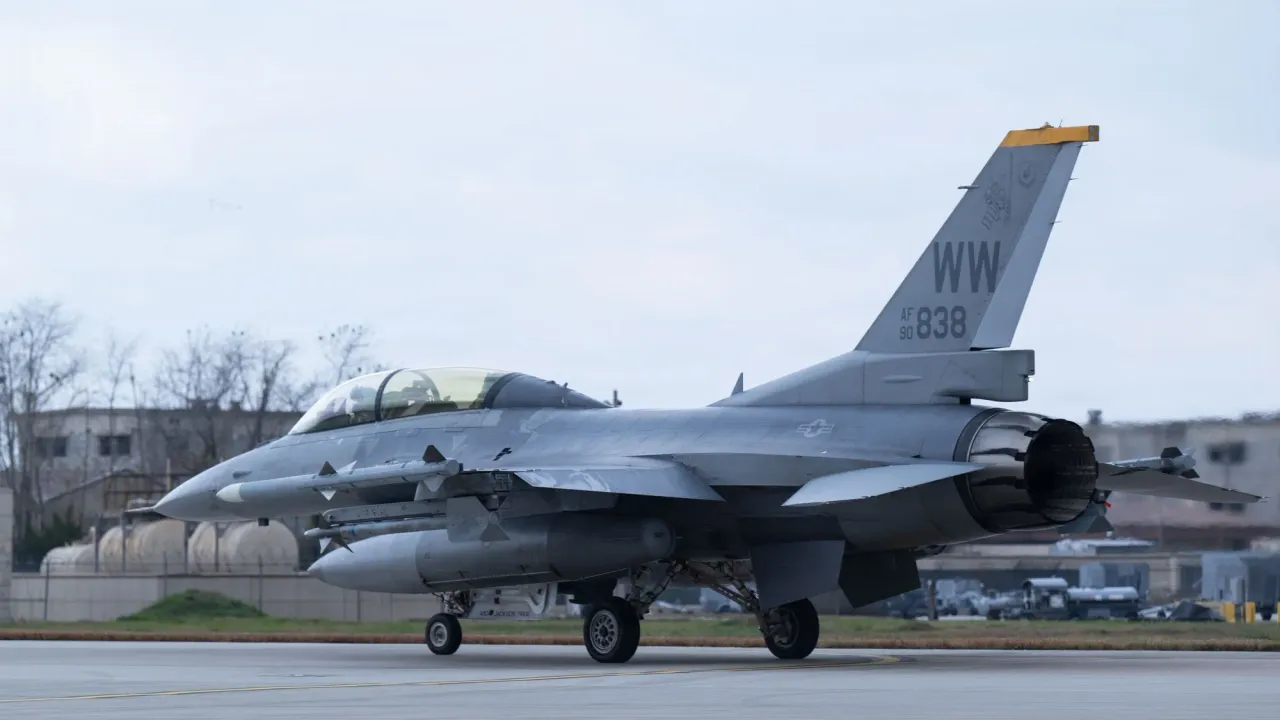
US F-16 wing in South Korea flies 11 sorties through simulated drone and ground attacks at Kunsan
The 8th Fighter Wing kept F-16s flying during a five-day wartime drill at Kunsan Air Base that cut power and water and tested defences against small drones.
TaiwanDefence · 19h ago · 2 min read
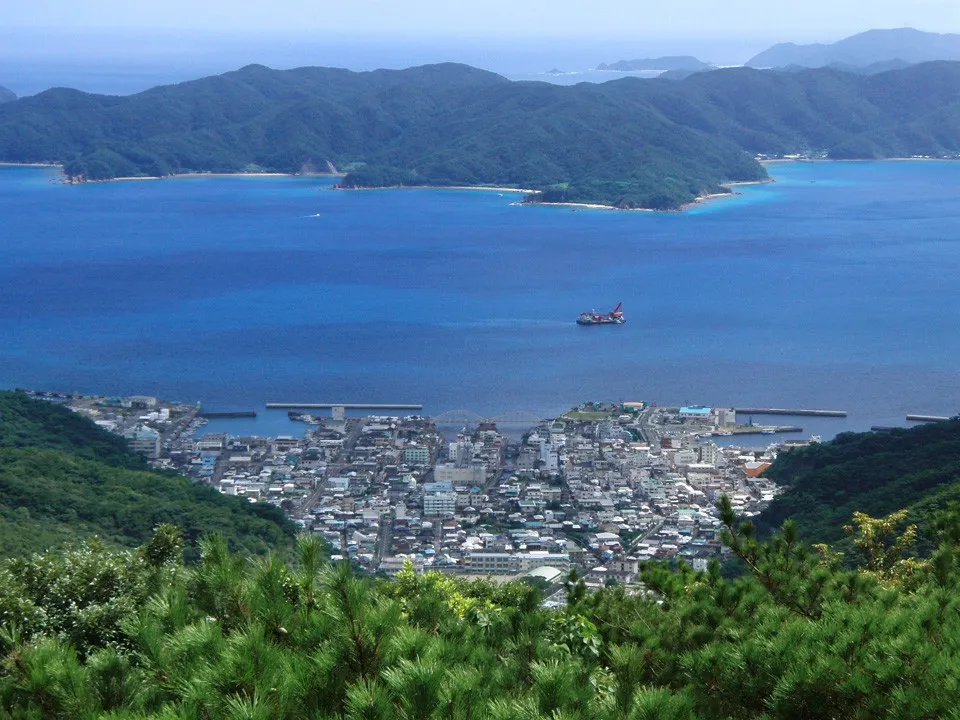
Kagoshima clears land reclamation for a new Self-Defense Forces supply port on Amami Oshima
The prefecture approved the defence ministry's plan to fill in sea at Koniya port in Setouchi, opening the way for building work from as early as next year.
TaiwanDefence · 1d ago · 2 min read
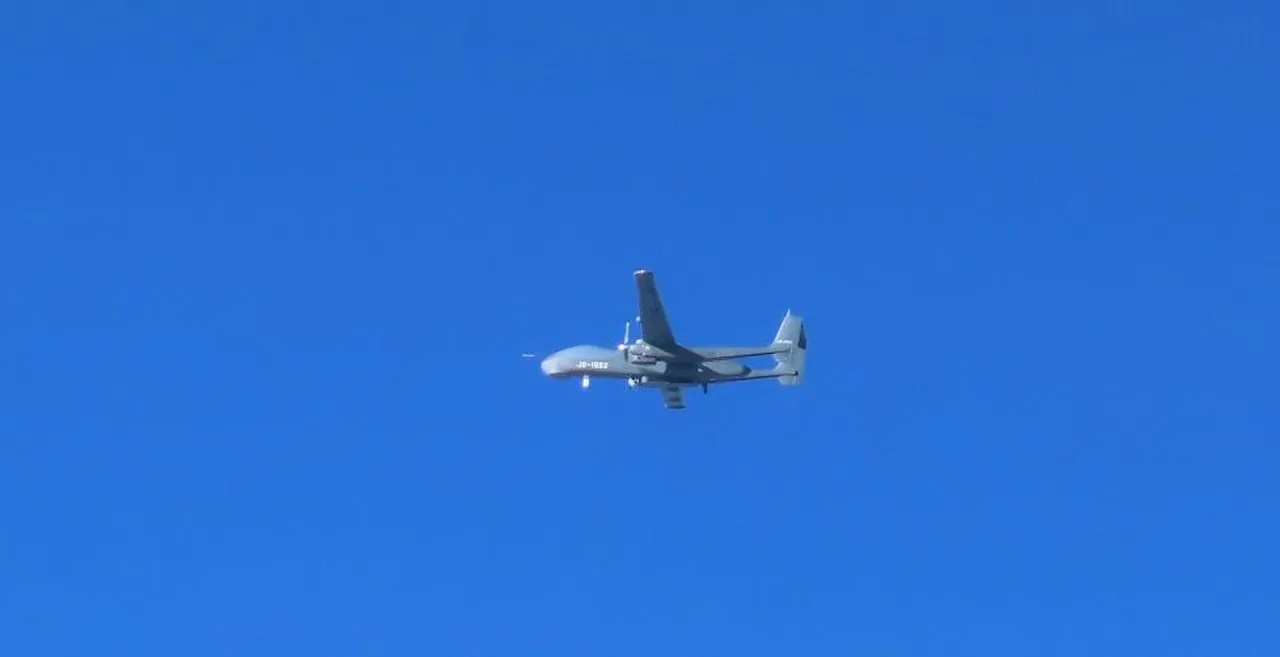
Chinese TB-001 attack drone loops past Okinawa again, drawing a Japanese fighter scramble
Japan's Joint Staff said the PLA drone flew to waters off Nagasaki's Danjo Islands and then past Okinawa on 19 November, retracing a 5 November route.
TaiwanDefence · 1d ago · 2 min read
Discussion (0)
Comments are not currently available.