
Leonardo DRS to develop a new heat-seeking sensor for THAAD missile-defence interceptors
BAE Systems has hired the US firm to design a next-generation infrared array for the THAAD seeker as output of the seekers is set to rise about fourfold.

TAIPEI —
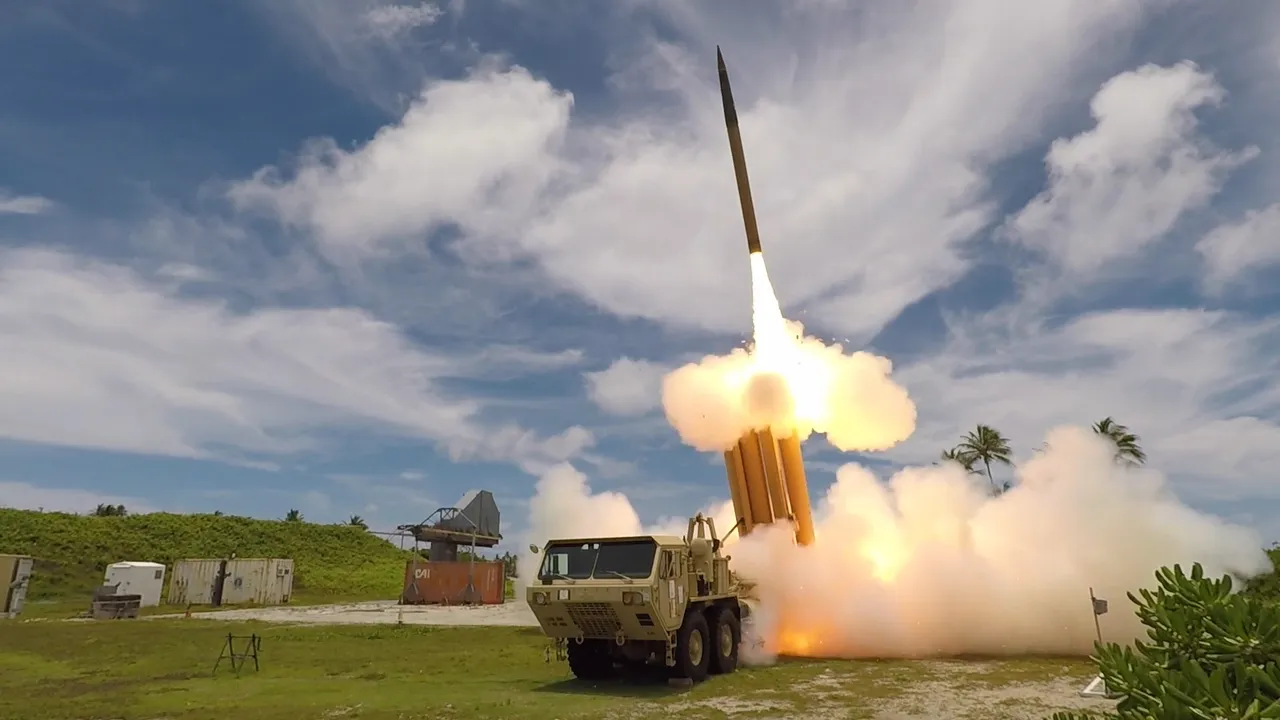
US defence electronics maker Leonardo DRS has won a contract from BAE Systems to develop a next-generation infrared focal plane array for the interceptor missile of the Terminal High Altitude Area Defense system, better known as THAAD. The company announced the award on 19 November.
The focal plane array is the heat-sensing chip at the core of the interceptor's seeker, the part that guides the missile onto an incoming ballistic missile warhead. Leonardo DRS did not disclose the value of the contract, how long the development work will take or when the new sensor could move into production.
A Dallas foundry and a fourfold goal
Development has already begun at the company's 200,000-square-foot foundry in Dallas, Texas. Leonardo DRS said it is also adding capacity there to support the programme's objective of raising seeker production to about four times historical levels.
Military Ledger pointed out that the fourfold figure is a production goal for seekers rather than a reported rise in finished missiles, and that the announcement does not state the historical annual output used as its baseline. The company also published no test results; it said only that the new technology is meant to help the interceptor deal with evolving and increasingly complex threats.
Jerry Hathaway, who runs the company's electro-optical and infrared systems business, described THAAD as an important strategic programme for Leonardo DRS. He said the firm has been widening its share of the munitions seeker market with recent wins that use both cooled and uncooled detector technology, and argued that it can combine high-end performance with scalable, cost-effective production.
Part of a wider interceptor ramp-up
THAAD is operated by the US Army and is designed to destroy ballistic missiles in the final phase of their flight. BAE Systems builds the interceptor's infrared seeker and delivered its 1,000th seeker to prime contractor Lockheed Martin in August 2025, according to Defence Blog and Army Recognition.
The seeker goal mirrors a broader drive to build more interceptors. In January 2026 Lockheed Martin signed a framework agreement with the US Department of War to quadruple THAAD interceptor production from 96 to 400 a year over seven years. Defence Blog reported that the Missile Defense Agency followed in June with a seven-year contract worth up to $35 billion to carry out that ramp-up, and that BAE agreed in July to quadruple its own THAAD seeker output under a separate seven-year deal.
Army Recognition said the new array is intended to improve the interceptor's ability to detect, track and tell apart increasingly sophisticated ballistic missile threats, while noting that any gain depends on successful development, integration and testing.
Neither Leonardo DRS nor BAE Systems has said when an interceptor fitted with the new array could be flight-tested or delivered to the Army. For now, the award is a component development contract combined with an expansion of factory capacity, not a new interceptor.
Sources
More in Industry
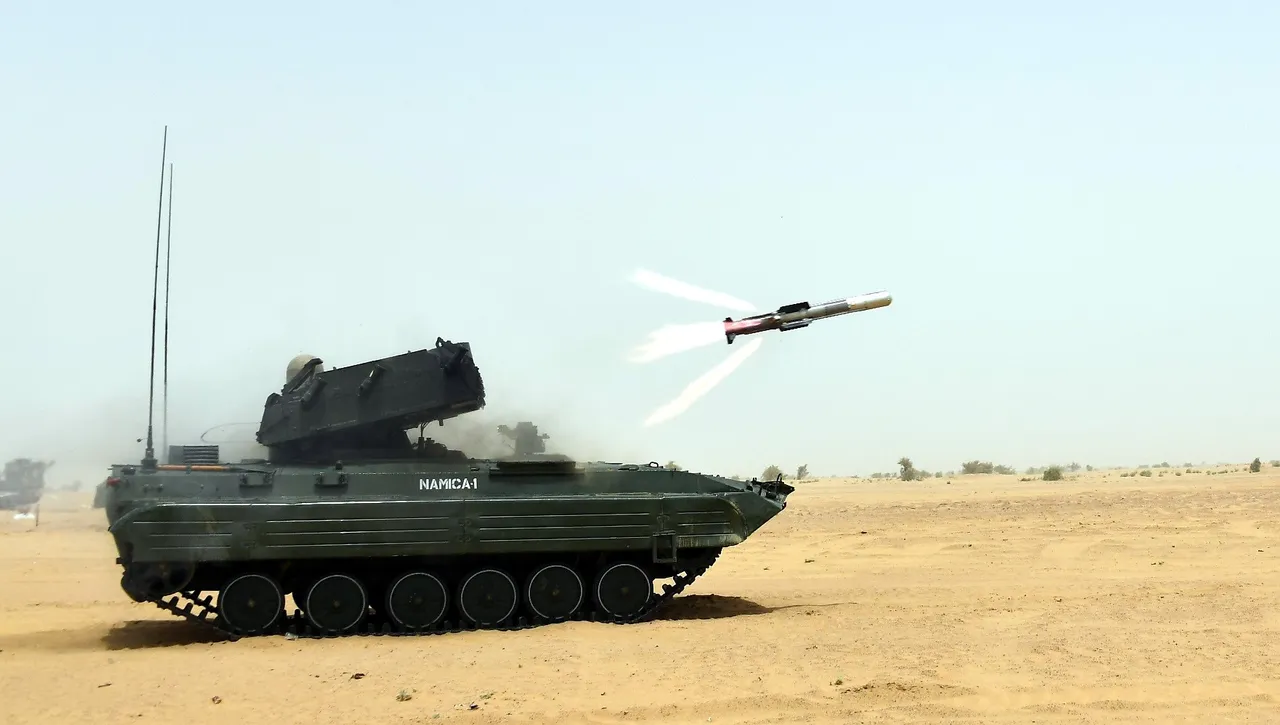
Adani Defence shows Indian Army an 8 km vehicle-mounted anti-tank missile system at Pokhran
Adani's Bagheera AT1 fired four laser-guided missiles in day and night trials, including a two-round salvo built to beat a tank's active protection.
TaiwanDefence · 17h ago · 2 min read
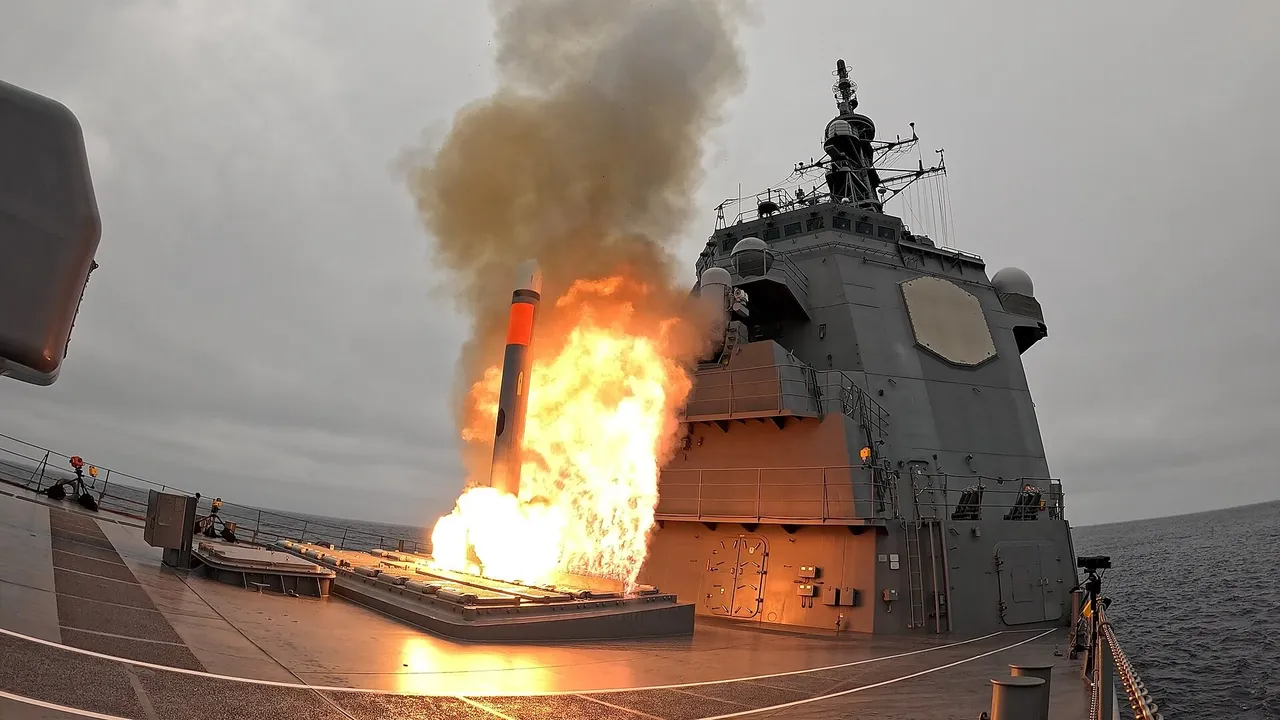
Raytheon picks Ursa Major and Avio USA to build a second source of Tomahawk rocket boosters
The joint award, valued at more than $80 million, aims to qualify new US-made boosters for the Tomahawk as the Navy pushes output towards 1,000 missiles a year.
TaiwanDefence · 1d ago · 3 min read
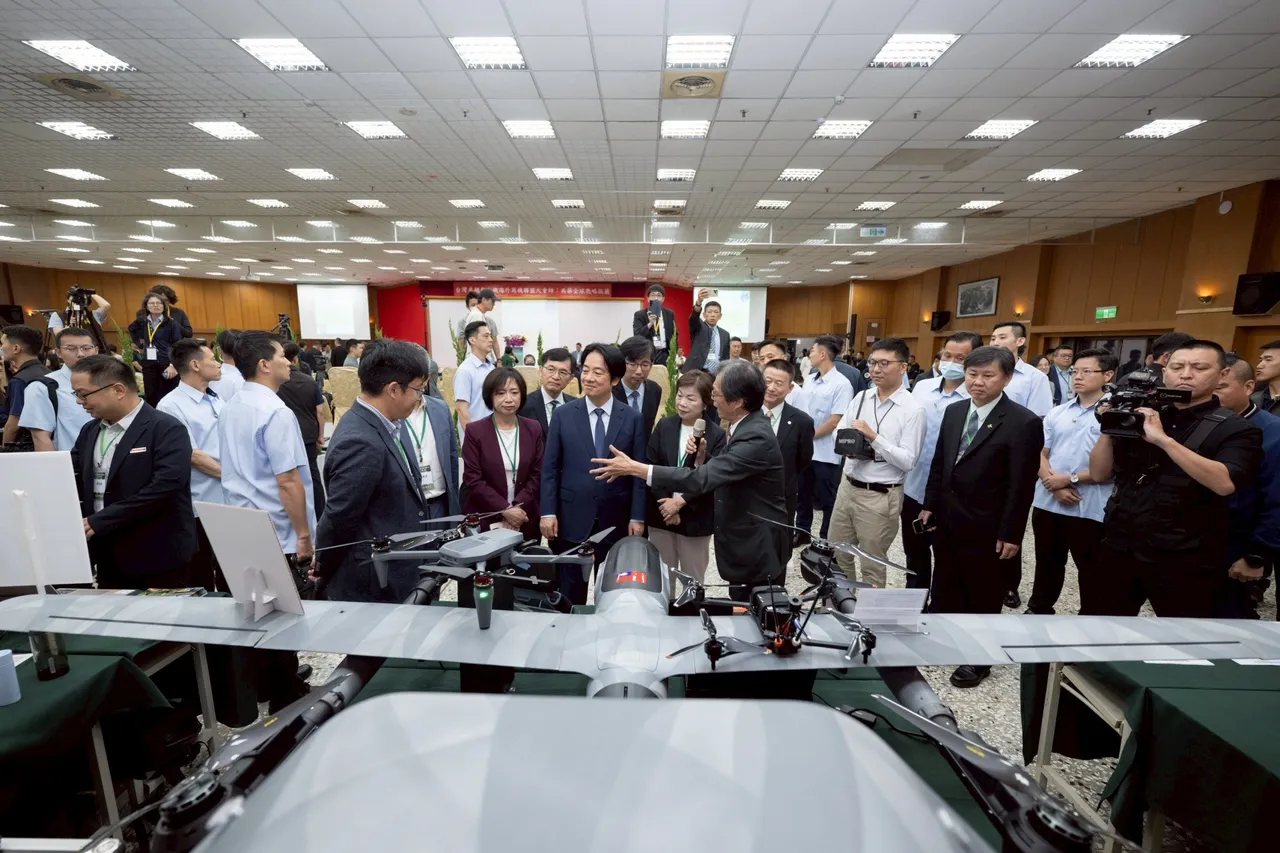
Taiwan's legislature passes the NT$145.7bn defence top-up in full, freeing money for mass drone buys
Lawmakers cleared the 2026 supplementary budget without cutting its spending, releasing funds for coastal drones, missile defence and scarce munitions.
TaiwanDefence · 2d ago · 2 min read
Discussion (0)
Comments are not currently available.