
Taiwan's legislature passes the NT$145.7bn defence top-up in full, freeing money for mass drone buys
Lawmakers cleared the 2026 supplementary budget without cutting its spending, releasing funds for coastal drones, missile defence and scarce munitions.

TAIPEI —
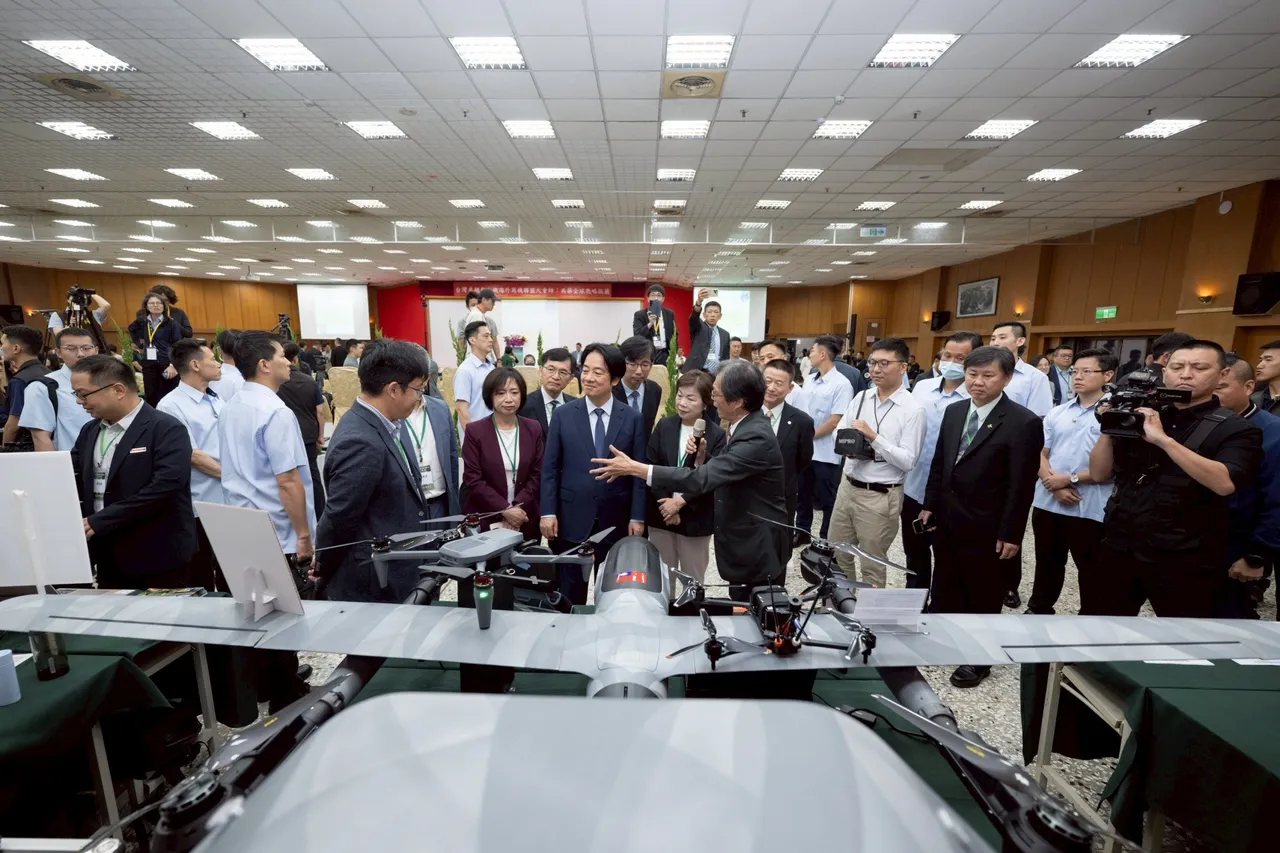
Taiwan's Legislative Yuan on 20 November passed the government's 2026 supplementary budget at third reading, leaving all NT$607.6 billion of its additional spending in place. The package includes NT$145.7 billion for the Ministry of National Defense, which the opposition-controlled legislature had been reviewing since the Cabinet approved the package in September.
According to CNA, the defence share pays for weapons procurement to raise combat capability and for higher allowances for combat units. Business Today put the defence ministry's portion at about NT$145.7 billion, roughly 24 percent of the whole package.
What the defence money buys
Of the defence funds, NT$55.9 billion is set aside for three uncrewed-systems programmes covering coastal reconnaissance drones, coastal attack drones and small one-way uncrewed surface vessels. A further NT$13 billion covers seven items led by a mid-tier anti-tactical ballistic missile system, NT$64.5 billion goes to two classified projects and NT$7.3 billion is for replenishing munitions in short supply.
Defence Minister Wellington Koo told lawmakers on 3 November that the ministry had folded its 2026 and 2027 drone requirements into the supplementary request to avoid pushing the force build-up back to 2028. He said the military aims to reach initial operational capability in 2027 with nearly 700 coastal reconnaissance drones, up to 40,000 coastal attack drones and 120 one-way attack boats.
Koo also said the munitions money would buy 20 types of off-the-shelf ammunition to fill stocks until 13 new domestic production lines are built, and that drone parts must come from a so-called non-red supply chain without Chinese parts, backed by factory inspections and teardown checks on delivery.
Opposition lets the drone money through
Before the floor session, Kuomintang caucus whip Fu Kun-chi said his party would pass the roughly NT$60 billion drone budget without cuts but wanted the purchases made domestically. He said nearly all other defence items would also pass, with only a small portion frozen.
The largest single item in the package is a NT$233.8 billion capital injection for state oil refiner CPC. The Kuomintang withdrew its own proposal to delete that money shortly before the vote and instead passed a resolution requiring the government to freeze fuel prices and electricity prices for households and small shops until the end of January 2028. A Taiwan People's Party motion to strike the CPC injection failed by 8 votes to 39.
United Daily News described the decision to release the CPC, Taipower and drone funds as a pre-election U-turn by the Kuomintang. The vote came eight days before nationwide local elections.
A smaller deficit
Including the extra revenue that came with the package, the central government's 2026 budget now shows a gap between revenue and spending of about NT$47.6 billion, some NT$125 billion smaller than in the original budget, according to Newtalk.
The package also carries NT$10.7 billion for higher professional and managerial allowances for military personnel, civil servants and teachers, which CNA said will apply retroactively from 1 July.
Sources
More in Industry
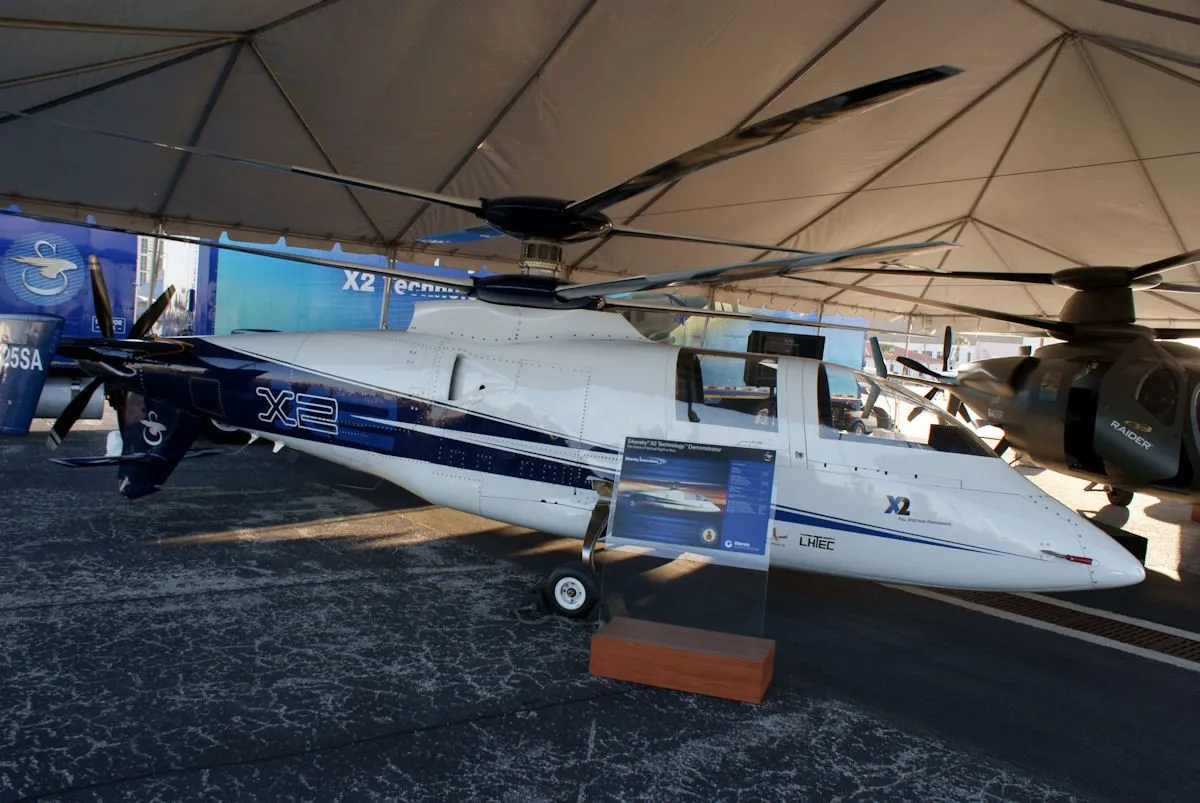
Lockheed offers South Korea up to 90% of its X2 rotorcraft know-how for a new army helicopter
Sikorsky's parent wants Korea Aerospace Industries to lead a Black Hawk successor built on X2 technology, as Bell and Airbus also court the programme.
TaiwanDefence · 16h ago · 3 min read
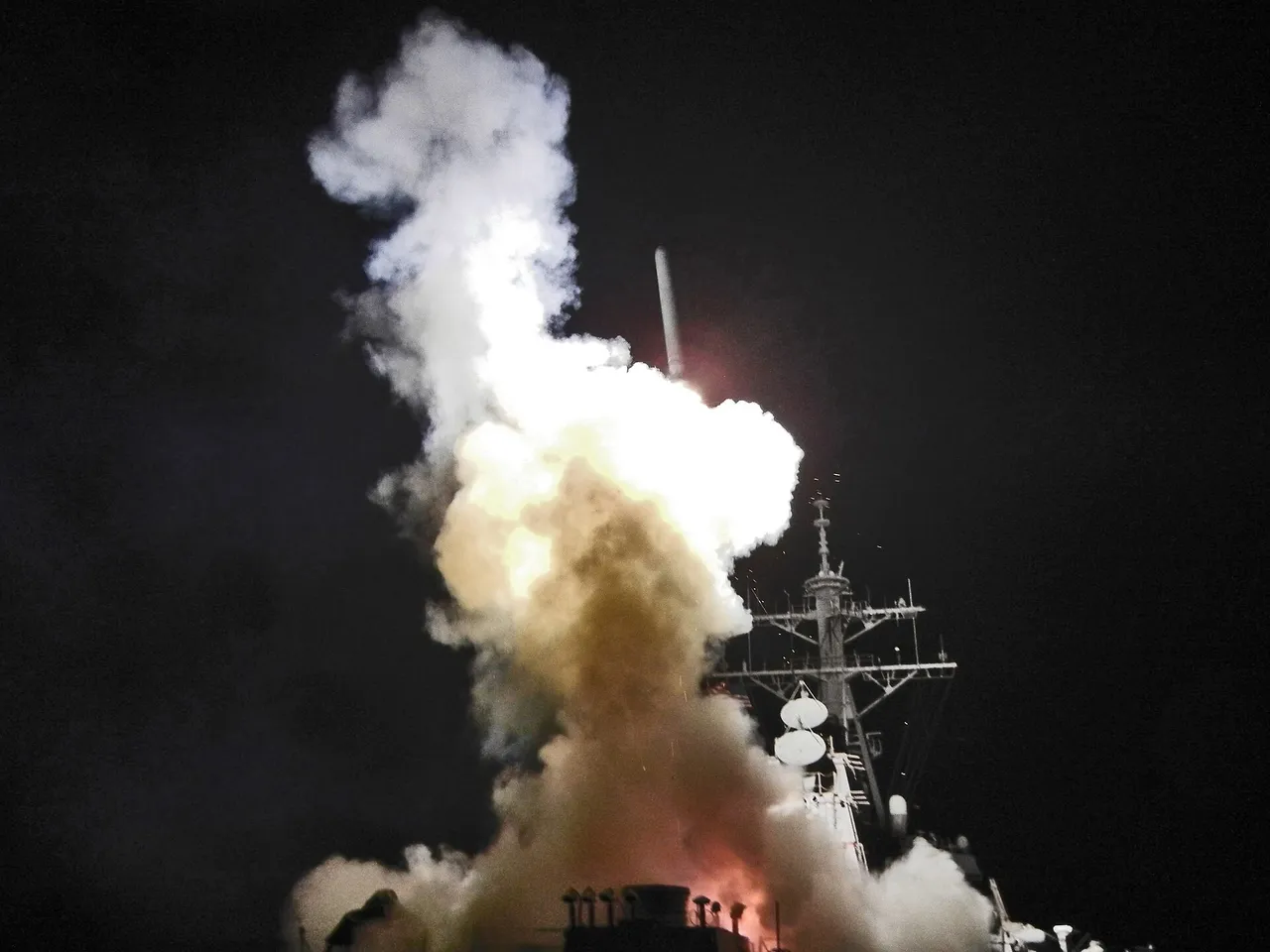
US watchdog says the Pentagon has no overall plan to fix its persistent munitions shortages
A GAO report released on 19 November finds the Defense Department buys munitions without a plan tied to total requirements and with no office in charge.
TaiwanDefence · 1d ago · 3 min read
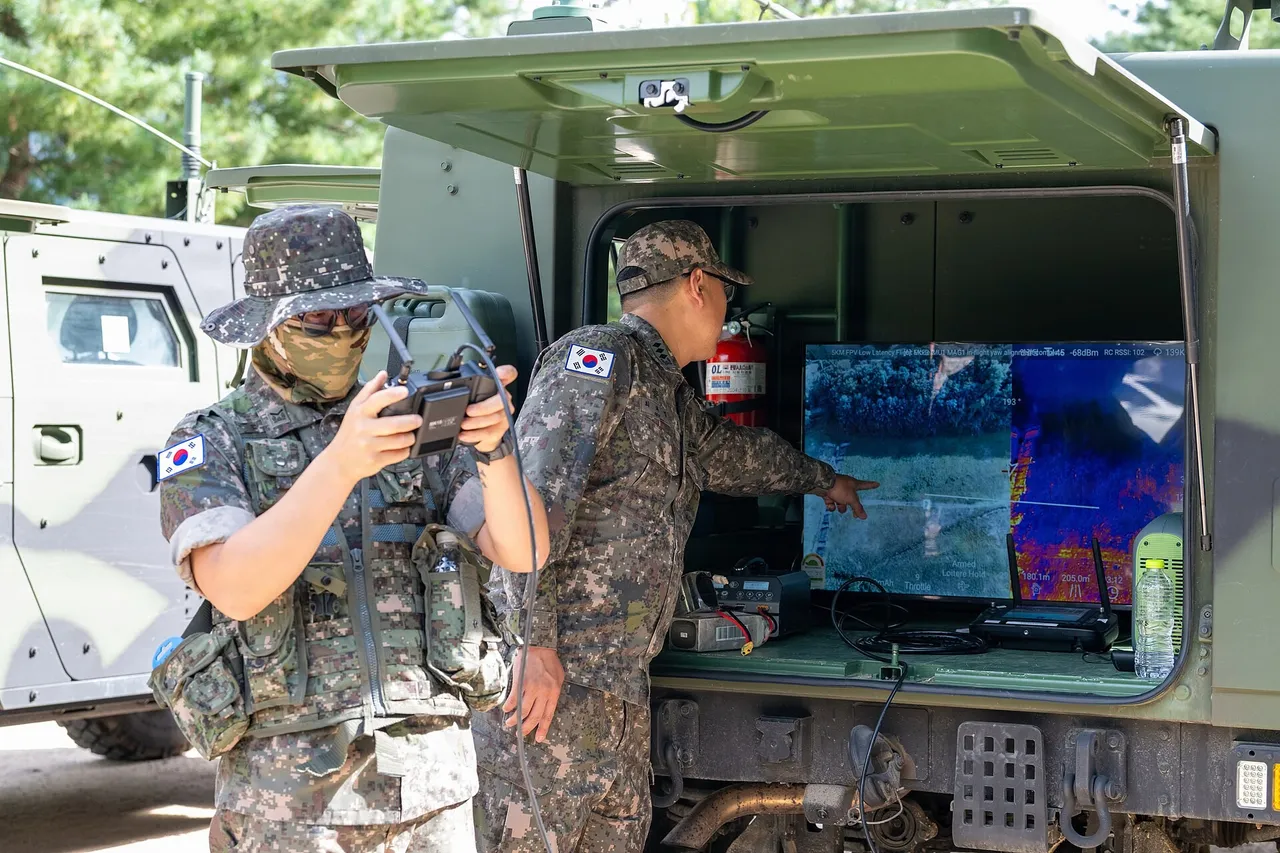
South Korea moves to standardise military small-drone batteries on a US model
Seoul's defence ministry and standards agency want common sizes and tests for small-drone battery cells by mid-2027 to secure wartime supply.
TaiwanDefence · 1d ago · 2 min read
Discussion (0)
Comments are not currently available.