
US Navy's No. 2 nominee wants a foreign shipbuilder to open an American yard just for frigates
William Toti told senators that bringing Korean or Japanese shipbuilding know-how into a new US yard is the fastest way to get frigates, as Congress resists building warships abroad.
TAIPEI —
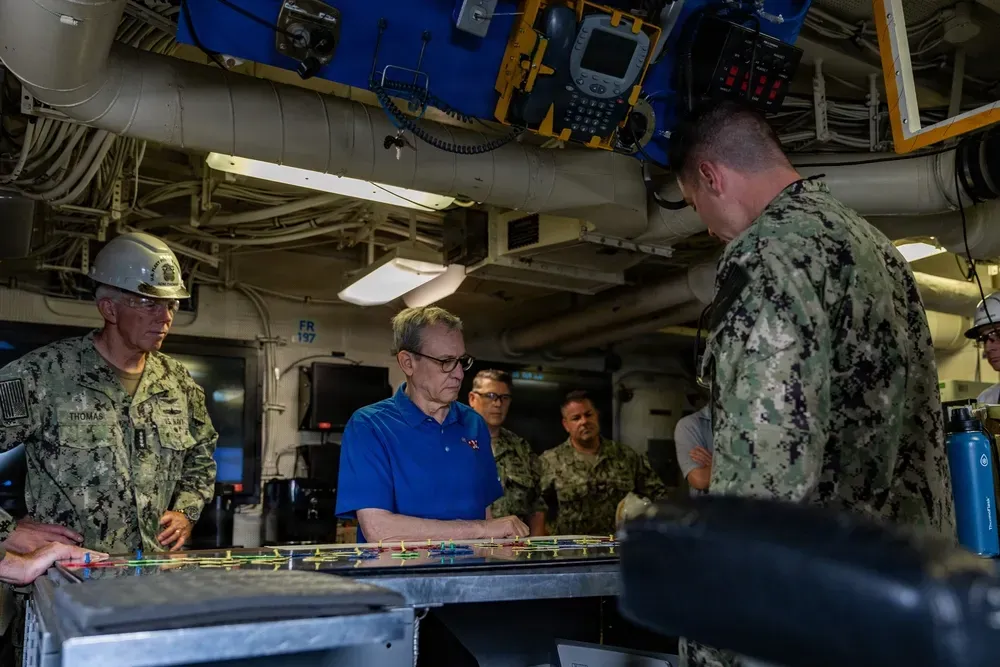
William Toti, the nominee for under secretary of the US Navy, told the Senate Armed Services Committee on 19 November that the service wants a foreign shipbuilder to invest in a brand-new shipyard in the United States devoted to building frigates.
Speaking at his confirmation hearing, Toti said destroyers are currently doing work that frigates should be doing, and that the quickest route to more frigates is a new, world-class yard focused only on those ships, funded by a foreign company that already builds to that standard.
He named South Korean and Japanese yards as the world's best from a production standpoint, arguing that bringing their skills and processes onto American soil would strengthen the US workforce and industrial capacity.
Auxiliaries abroad, warships at home
Pressed by Senator Angus King on whether he supports building warships in foreign yards, Toti said he no longer backs that approach. He told lawmakers he would accept foreign construction only for auxiliary vessels, not for frigates and other surface combatants. King noted that the proposal differed from building ships overseas and said the debate would continue.
Toti argued that existing American shipyards turn out excellent ships but are held back by old facilities, outdated processes and tight physical footprints, and that the companies running them cannot start again from scratch.
Senator Rick Scott insisted that warships must be built in the United States. Richard Breckenridge, a retired submariner nominated alongside Toti to oversee Navy acquisition, said he would focus on rebuilding US shipyards and suppliers while learning from allies and avoiding strategic dependencies.
A clash with Congress
The testimony lands in a running dispute between Congress and the Trump administration. All four congressional defence committees have moved to stop plans to buy foreign-built warships, and Senate appropriators released a draft 2027 defence spending bill two days before the hearing that also curbs foreign shipbuilding.
The administration has asked Congress for authority in the 2027 defence policy bill to have foreign yards build two surface combatants and two non-combat auxiliaries. The House version passed in July bans building warships and combat logistics ships abroad, while the Senate committee version allows up to two auxiliaries from foreign yards that invest in US production.
An August presidential memo widened the so-called Finland model used for the Coast Guard's Arctic Security Cutters, under which a foreign builder can construct the first ships at home before work moves to the United States. The Navy has also sought 1.85 billion dollars to study using foreign yards for warships, possibly including a first ship built in Japan or South Korea.
South Korea's Hanwha bought a shipyard in Philadelphia in 2024, which acting Navy Secretary Hung Cao cited in May as the kind of investment Washington wants. The Navy is also weighing an international competition for a new frigate class that could draw European and Asian designs.
Sources
More in Navy
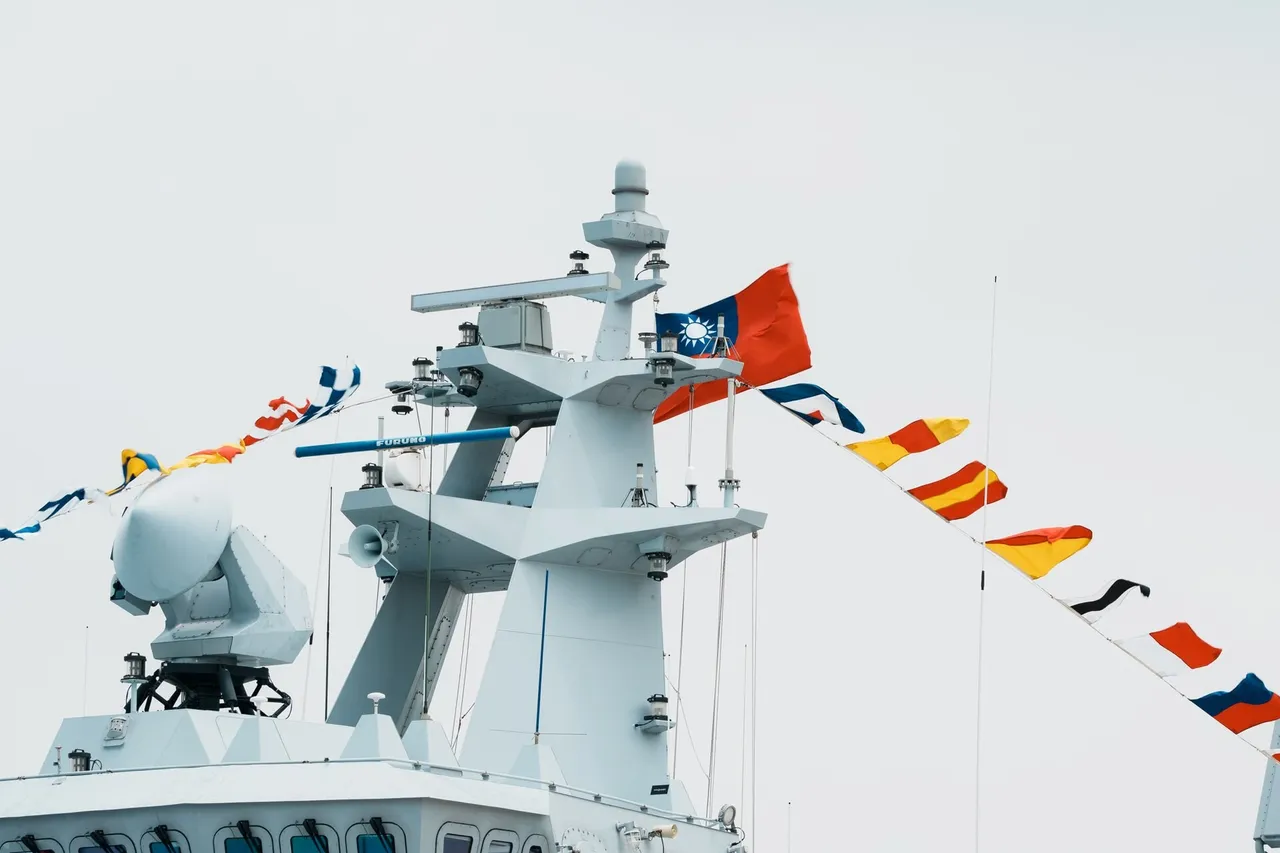
Taiwan's navy takes delivery of Bao Jiang, the last of its 12 Tuo Chiang-class missile corvettes
The final ship of the stealthy, missile-heavy class was handed over at Su'ao, and the navy still expects all 12 to be in service by the end of the year.
TaiwanDefence · 9h ago · 2 min read
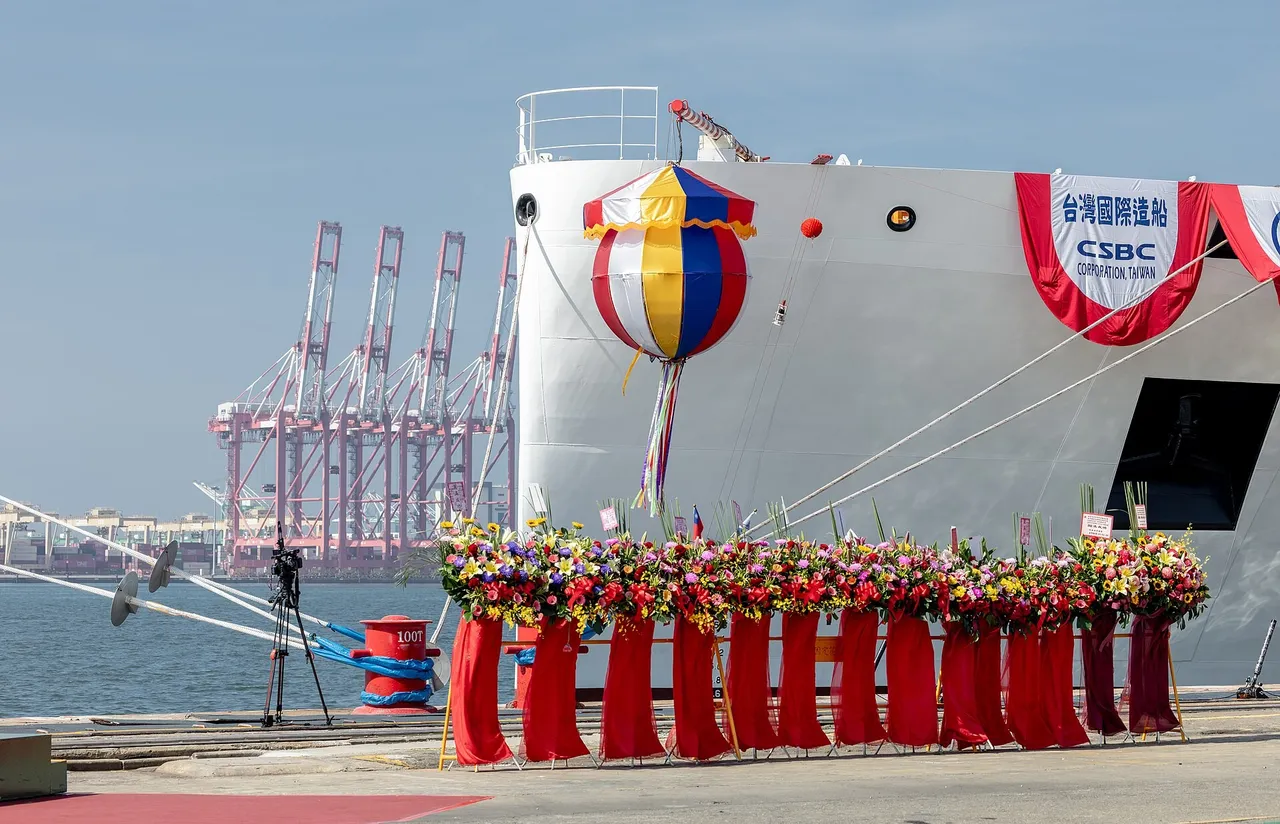
Taiwan's coast guard takes delivery of Siraya, its first 5,000-ton ocean patrol ship and drone mothership
The first of six high-latitude patrol vessels can stay at sea for more than 30 days and will test the T-24 drone boat and V-BAT drone for long-range surveillance.
TaiwanDefence · 1d ago · 3 min read
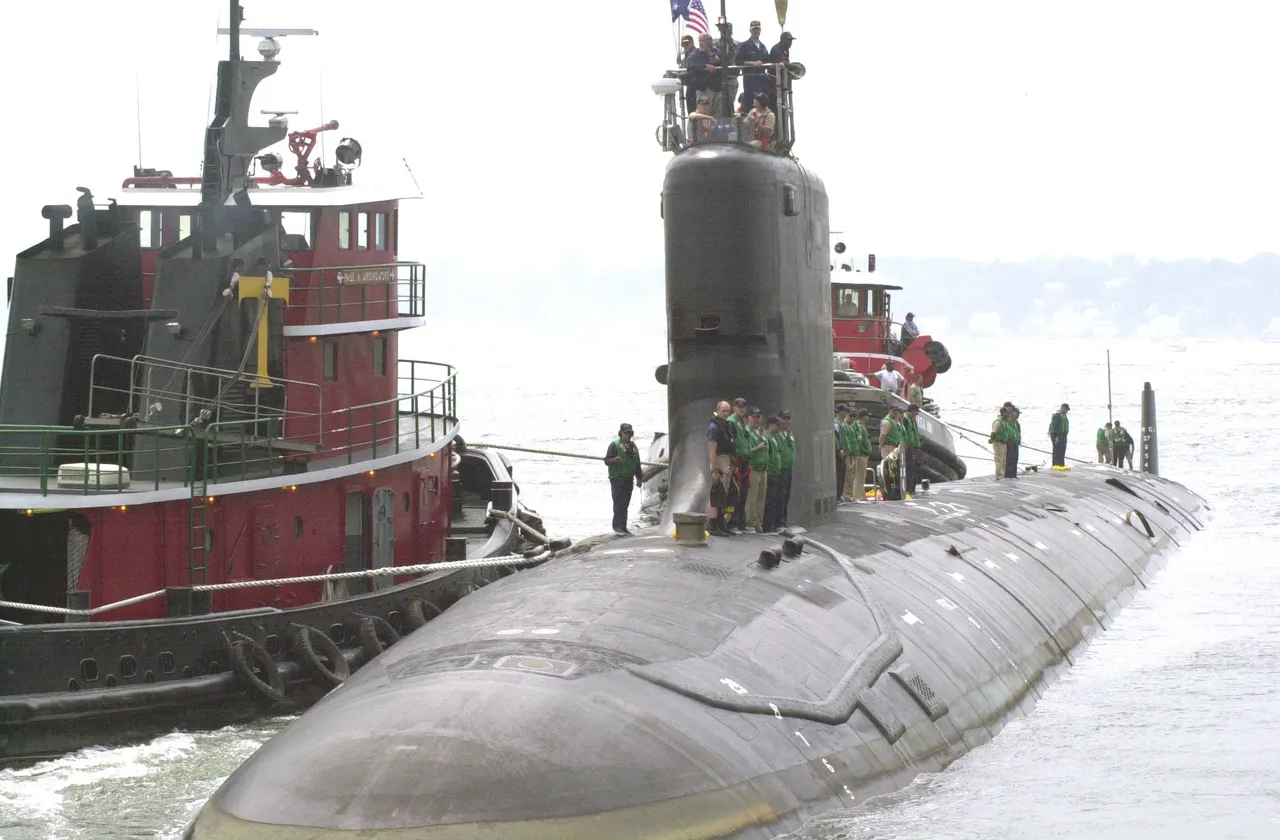
US Senate appropriators cut $18.5 billion from Navy shipbuilding and zero out battleship funds
A draft fiscal 2027 defence spending bill trims Columbia and Virginia submarine funding, rejects BBG(X) advance procurement and adds a second destroyer.
TaiwanDefence · 1d ago · 2 min read
Discussion (0)
Comments are not currently available.