
ANALYSIS
Why Korea's nuclear-sub bidding race of 16 November 2026 hinges on parts neither shipyard controls
Hanwha and HD Hyundai squared off on 16 November 2026 for Seoul's nuclear submarines, but the reactor, fuel and budget that set the pace stay with the state.

TAIPEI —
This article is an original Taiwan Defence analysis based on the cited public sources. It distinguishes reported facts from analytical judgments and does not represent original field reporting.
The race takes shape
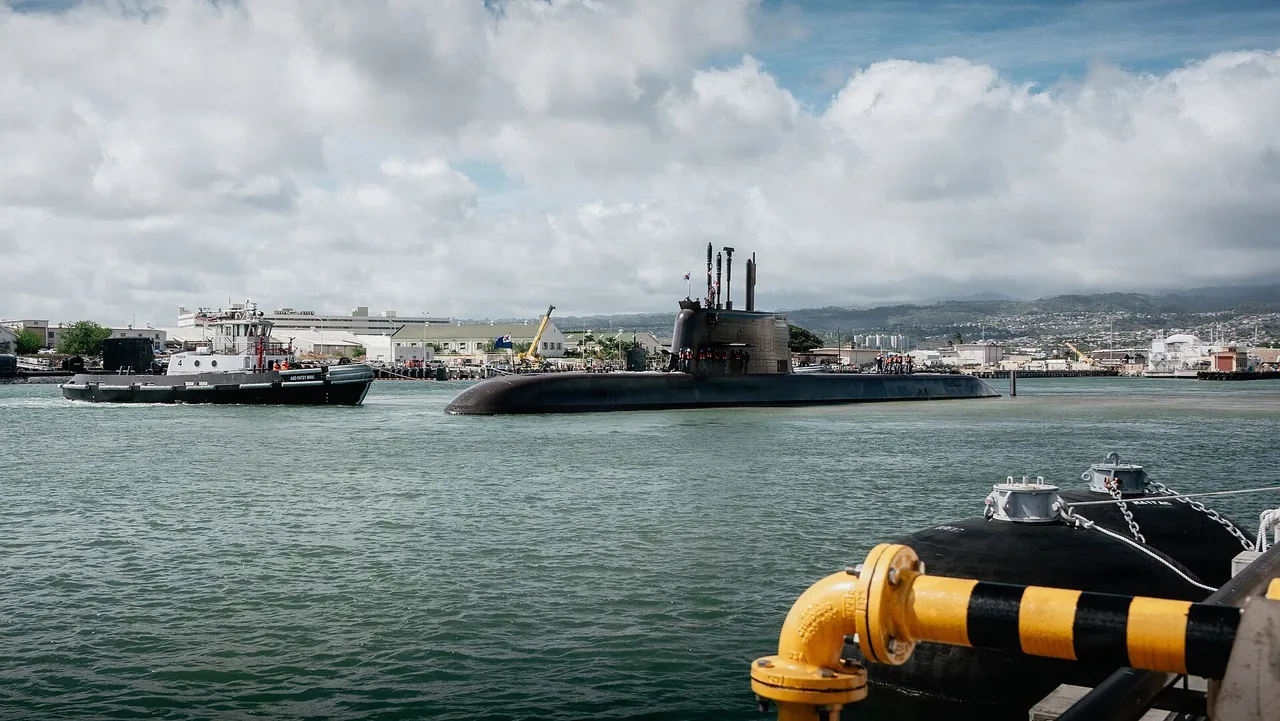
On 16 November 2026, Aju Press reported that the contest between Hanwha Ocean and HD Hyundai Heavy Industries to build South Korea's nuclear-powered submarines was intensifying, with Hanwha setting up a dedicated Jangbogo N development team to secure specialist staff and design capability. The project covers three submarines of about 8,000 tons and is estimated at about 28.9 trillion won.
The contest follows a decision by the Defense Acquisition Program Administration on 6 November to approve a basic strategy for the Jang Bogo N, or KSS-III Batch-III, programme and to choose the shipbuilder through company-led competitive bidding rather than a direct award. The agency plans to pick a contractor in the second half of 2027 and sign the final contract by the end of that year, after the government waived a feasibility study that normally takes one to two years.
The winner will handle overall systems integration, including hull development and construction. The small modular reactor that powers the boat, along with some core missiles, will be developed or secured by the government itself and handed to the integrator as government-furnished equipment.
Two different pitches
Hanwha Ocean is leaning on its submarine record. According to Aju Press, it has built 17 of the 24 submarines ordered by the South Korean navy, holds contracts for the three latest 3,600-ton Jangbogo-III Batch-II boats and exported three 1,400-ton submarines to Indonesia. iMarine reported that Hanwha also signed a contract with the Agency for Defense Development for the preliminary design of a nuclear-powered submarine, due to be finished by the end of 2026.
HD Hyundai Heavy Industries has built nine submarines, including six 1,800-ton Jangbogo-II boats and the first Jangbogo-III Batch-I boat, and is pitching its marine nuclear work. The group invested 30 million dollars in the US reactor developer TerraPower in 2022, and Businesskorea reported that it has been accelerating development of reactor-based propulsion technology for ships.
The rivalry has history. In the bidding for the KDDX next-generation destroyer, Hanwha Ocean won by 0.5867 points after HD Hyundai Heavy Industries had 1.2 points deducted from its security score over an employee convicted of leaking military secrets, iMarine noted.
What the yards cannot control
Neither company has built a nuclear-powered submarine, and Aju Press reported that detailed project plans and evaluation criteria have not yet been set. That makes the outcome hard to call, but it also shows how much of the programme sits outside the bid. The reactor is a government item, and Aju Press identified negotiations with the United States over nuclear fuel procurement and over where the boats are built as major variables.
The construction site question is not settled in public debate. US President Donald Trump said in October 2025 that the submarines would be built at Hanwha's Philly Shipyard in the United States, while the South Korean government has said the work will go to domestic yards because the Philadelphia site cannot build nuclear-powered submarines, iMarine reported.
Money is also unsettled. The Hankyoreh reported that the defence agency did not disclose the total cost at the strategy stage for security reasons and that a concrete budget is expected only after talks with the Ministry of Planning and Budget early in 2027. Industry estimates cited by Businesskorea range from 20 trillion to 29 trillion won.
Why it matters
For Seoul, the programme is about deterrence against North Korea. The Hankyoreh reported that the agency expects the submarines to strengthen an underwater element of the kill chain, the system meant to strike North Korean missile threats before launch, with the lead boat due in the mid-2030s and deployment in the second half of that decade.
The competition can still help the navy by forcing both yards to invest early, as Hanwha's new team suggests. But because the reactor, the fuel arrangement and the budget are set by governments rather than by the yards, picking a builder in late 2027 is unlikely on its own to bring the first boat forward. Choi Gi-il of Sangji University told Aju Press that the shipbuilders should explore cooperation rather than only competing, a sign that some in Seoul see the industrial rivalry as a risk to a schedule already tied to Washington.
The test to watch in 2027 is whether the evaluation criteria reward integration of a state-supplied reactor, or simply past hull-building volume, because that choice will show whether Seoul is buying speed or spreading work between its two biggest naval yards.
Sources
More in Analysis
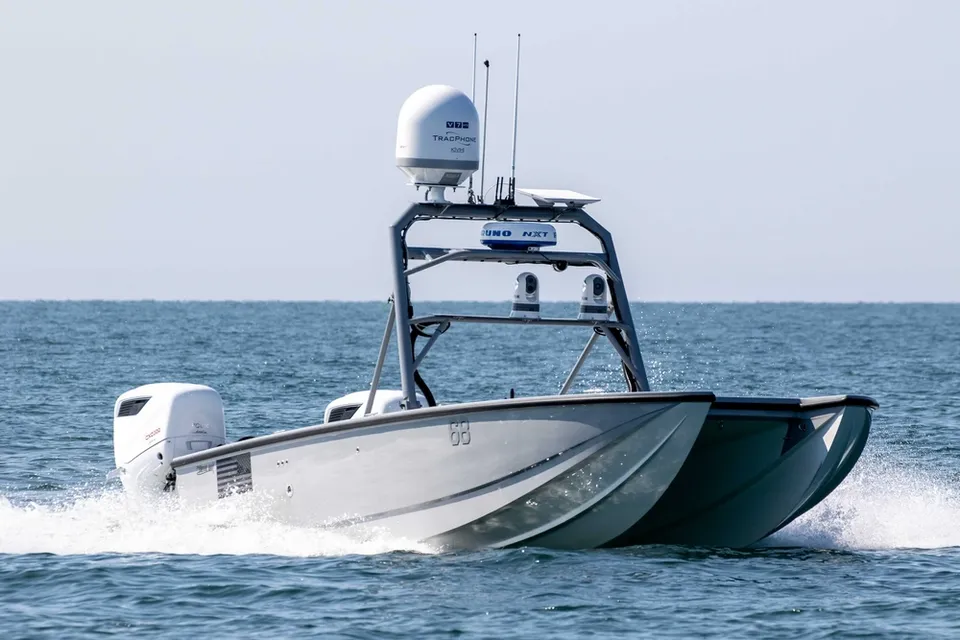
Why the coast guard drone boats promised on 10 November 2026 will be a trial for Taiwan, not yet a fleet
MARTAC said on 10 November 2026 that Taiwan's coast guard gets its first two T24 drone boats within weeks, but the fleet size and local production remain unsettled.
TaiwanDefence · 5d ago · 3 min read
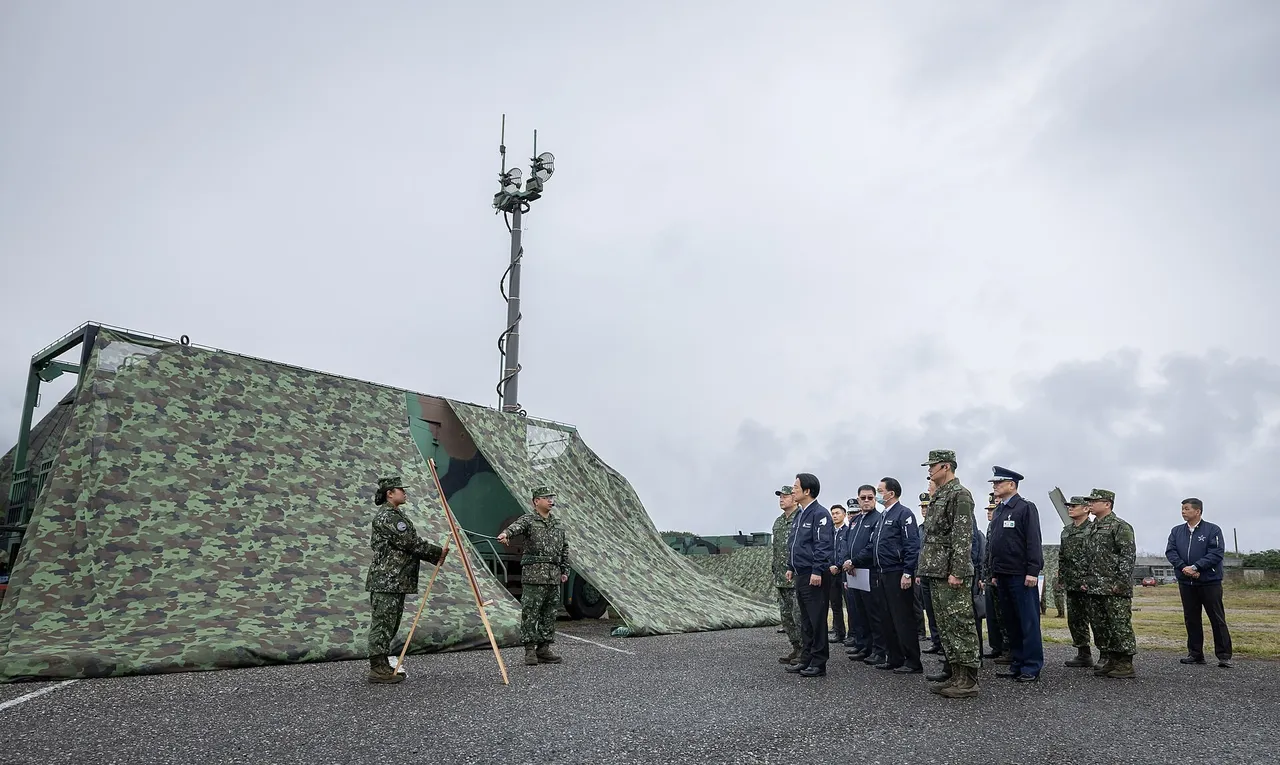
Why a 9 November 2026 call to notify a first slice of Taiwan's arms package is about the production queue
Two US researchers argued on 9 November 2026 that Washington should notify a small first tranche, because each month of delay can push Taiwan's air defences back.
TaiwanDefence · 5d ago · 4 min read

Why Zhang Shengmin's rise, detailed on 13 November 2026, shows Xi putting PLA loyalty before war-readiness
A report on 13 November 2026 showed the PLA purge enforcer is now the only other member of Xi's military commission, a sign discipline outranks combat command.
TaiwanDefence · 5d ago · 4 min read
Discussion (0)
Comments are not currently available.