
ANALYSIS
Why a 9 November 2026 call to notify a first slice of Taiwan's arms package is about the production queue
Two US researchers argued on 9 November 2026 that Washington should notify a small first tranche, because each month of delay can push Taiwan's air defences back.

TAIPEI —
This article is an original Taiwan Defence analysis based on the cited public sources. It distinguishes reported facts from analytical judgments and does not represent original field reporting.
The argument
On 9 November 2026, Bonnie Glaser, who directs the German Marshall Fund's Indo-Pacific programme, and researcher Noah Munk published a paper arguing that the White House should resume formal notifications to Congress for Taiwan's arms purchases, beginning with a small first tranche of the roughly US$14 billion package that lawmakers informally cleared in January. Taiwan's Central News Agency, in a Washington dispatch carried by United Daily News on 14 November, set the paper against the Trump-Xi meeting expected on 19 November in Shenzhen, the third between the two leaders this year.
The paper reads as a diplomatic appeal, but its strongest evidence is about logistics. Its core claim is that a hold on notification is not a pause button but a loss of place in a production line, which makes a first small tranche a question of delivery slots.
The queue problem
The authors say the package reportedly includes nine NASAMS batteries, hundreds of PAC-3 MSE interceptors and the IBCS command system, all central to President Lai Ching-te's layered air-defence plan known as T-Dome. They note that Washington can generally place orders only after the sale, funding and contracting steps are complete, so while notification is held up manufacturers may give capacity to other customers and push Taiwan to a later slot. By their estimate, a six-month delay in notification could become a delivery delay of a year or more.
The paper puts numbers on how long that queue already is. PAC-3 MSE lead times run about 24 months for the missile and 30 months for its rocket motor, and Lockheed Martin delivered 620 of the interceptors in 2025 while working toward 2,000 a year by 2030. Lockheed said on 29 July 2026 that a multiyear contract would triple its PAC-3 MSE capacity by the end of 2030. The same line also serves other buyers, including an approved sale of 730 missiles to Saudi Arabia, the authors add.
Taiwan's own record shows what waiting looks like, according to the paper. The first batch of 11 HIMARS rocket launchers took four years to arrive after Congress was notified in 2020. Thirteen months passed between the October 2024 notification of three NASAMS fire units and the November 2025 contract, which is scheduled to finish in February 2031. A Joint Standoff Weapon sale notified in 2017 faces a possible nine-year delivery window.
The practical lesson is that the items most worth moving first are also the ones with the longest lead times. Both the paper and the Central News Agency report stress prioritising what most urgently needs a production-line slot, and a first order can be a fraction of the US$14 billion total. Interceptors and air-defence batteries fit that description.
Money and politics
The hold also feeds Taiwan's budget fight. The opposition-controlled legislature approved a special defence budget in May of about NT$780 billion, against the NT$1.25 trillion the government first proposed. The paper says US$14.65 billion of the funds earmarked in it is for the stalled package and more than US$9 billion is for weapons that Congress was notified about in December 2025. Money committed to the stalled package cannot yet be spent, the authors write, which hands sceptics in Taipei an argument that the United States is an unreliable supplier.
The administration has defended the delay by pointing to US munitions needs, including for the Iran war, and to limited production capacity, the paper says. Secretary of State Marco Rubio said in September that Washington must balance arms sales against its own defence requirements and the time needed to replenish stocks. The authors accept those arguments but judge further delay the bigger risk.
On the Chinese reaction, the authors argue that Beijing reads the hold as proof that it has a say in the timing of US arms sales, if not a veto. That is their interpretation, not a statement from Beijing. They also argue that the response to a first tranche would be limited. After the notification of a separate US$11.1 billion package in December 2025, China held the Justice Mission 2025 drills and sanctioned 20 US firms and 10 individuals, yet the trade truce held and was later extended to 10 January 2027.
What to watch
The calendar is tight. The Voice of America reported that Trump will attend the Asia-Pacific Economic Cooperation summit in Shenzhen on 18 and 19 November, and that Secretary of State Rubio spoke with Chinese Foreign Minister Wang Yi on 11 November to prepare the visit. Xi is also expected at the Group of 20 summit in Florida in December.
Three signals will show whether the argument is landing: whether any slice of the package is formally notified to Congress, whether lawmakers use the defence authorisation bill to press for notification, and whether the PORCUPINE Act, which would cut the congressional review period for certain Taiwan arms sales from 30 days to 15, comes to a House vote. The act would speed approval but not production. The paper is advocacy, and none of the reports reviewed cites a White House response. Until a notification lands, the cost of the hold is better measured in months added to a delivery line the authors call already long than in the headline US$14 billion.
Sources
More in Analysis
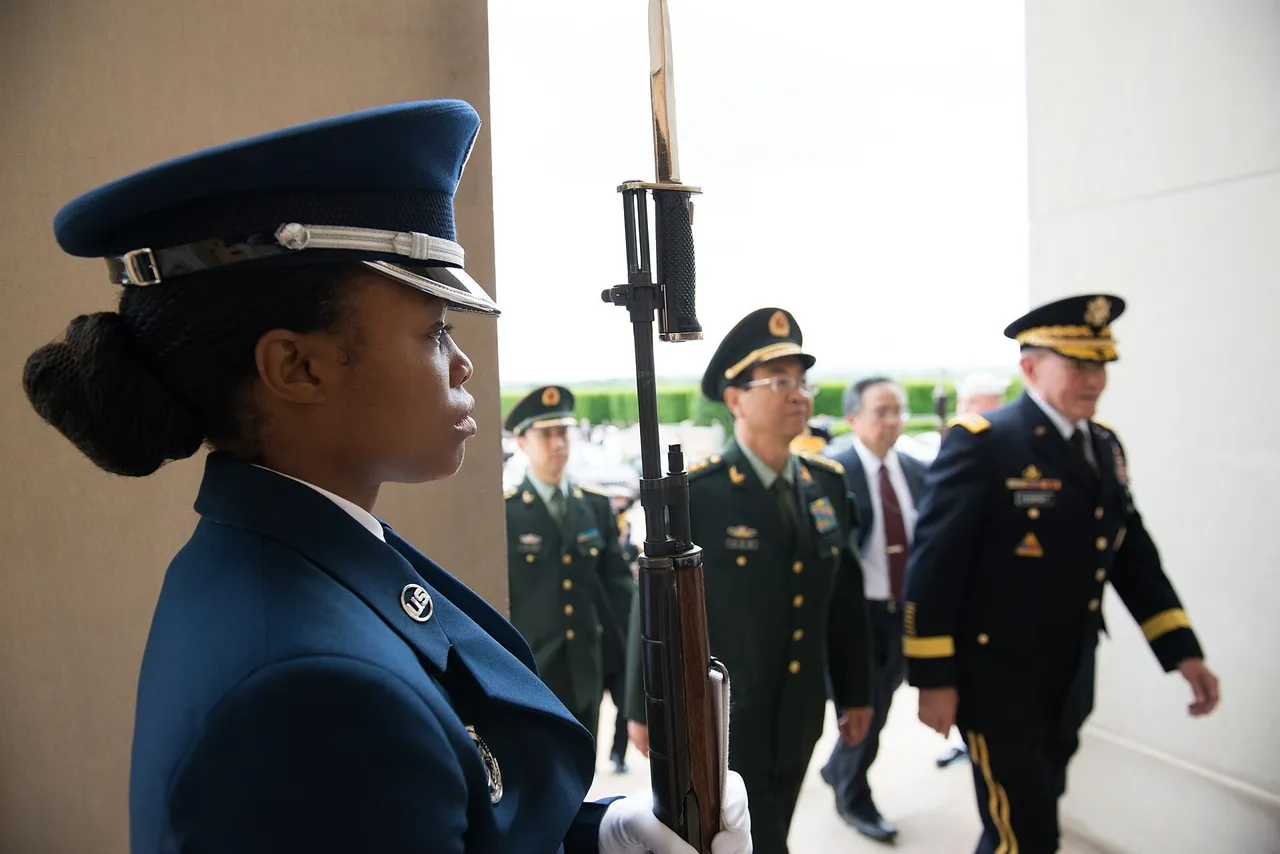
Why Zhang Shengmin's rise, detailed on 13 November 2026, shows Xi putting PLA loyalty before war-readiness
A report on 13 November 2026 showed the PLA purge enforcer is now the only other member of Xi's military commission, a sign discipline outranks combat command.
TaiwanDefence · 1h ago · 4 min read
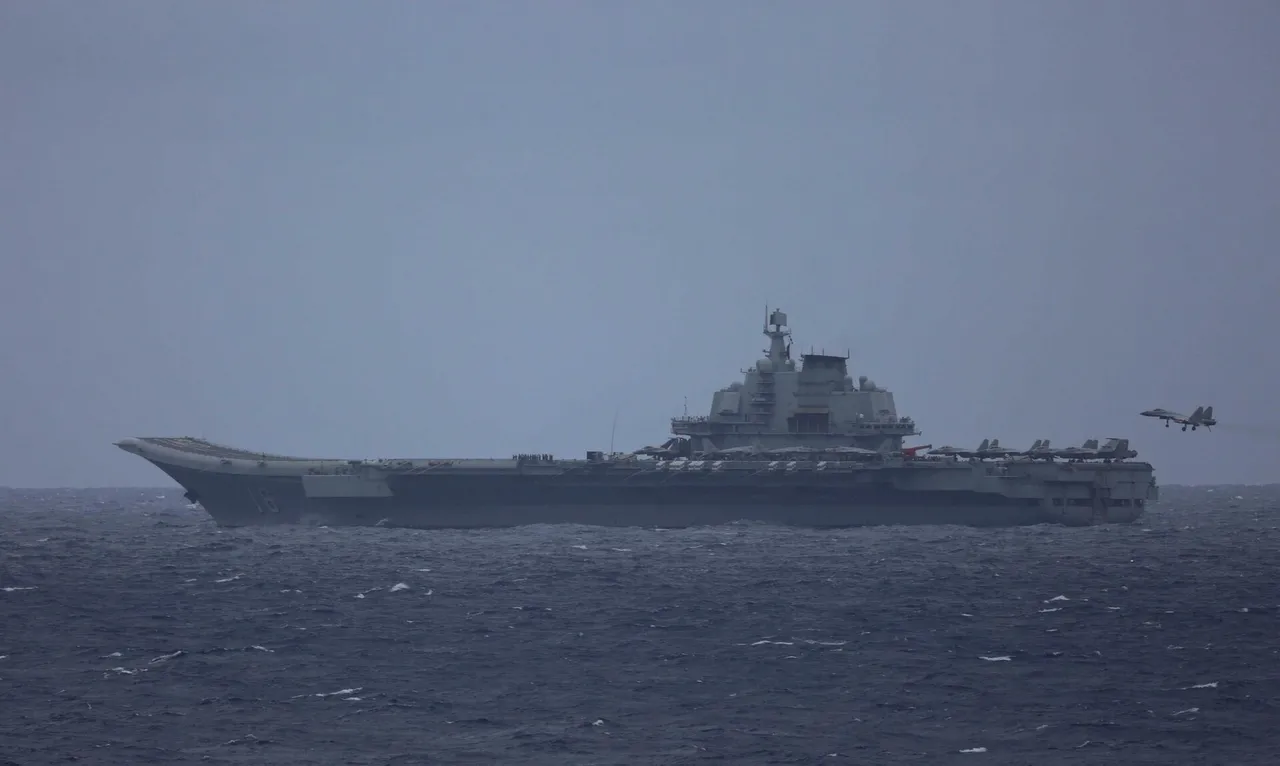
Why China's unannounced 100-ship drill, revealed on 13 November 2026, matters more than a named exercise
Taiwanese officials said on 13 November 2026 that China massed over 100 ships in an unnamed drill larger than Justice Mission 2025. The missing name is the point.
TaiwanDefence · 3h ago · 4 min read
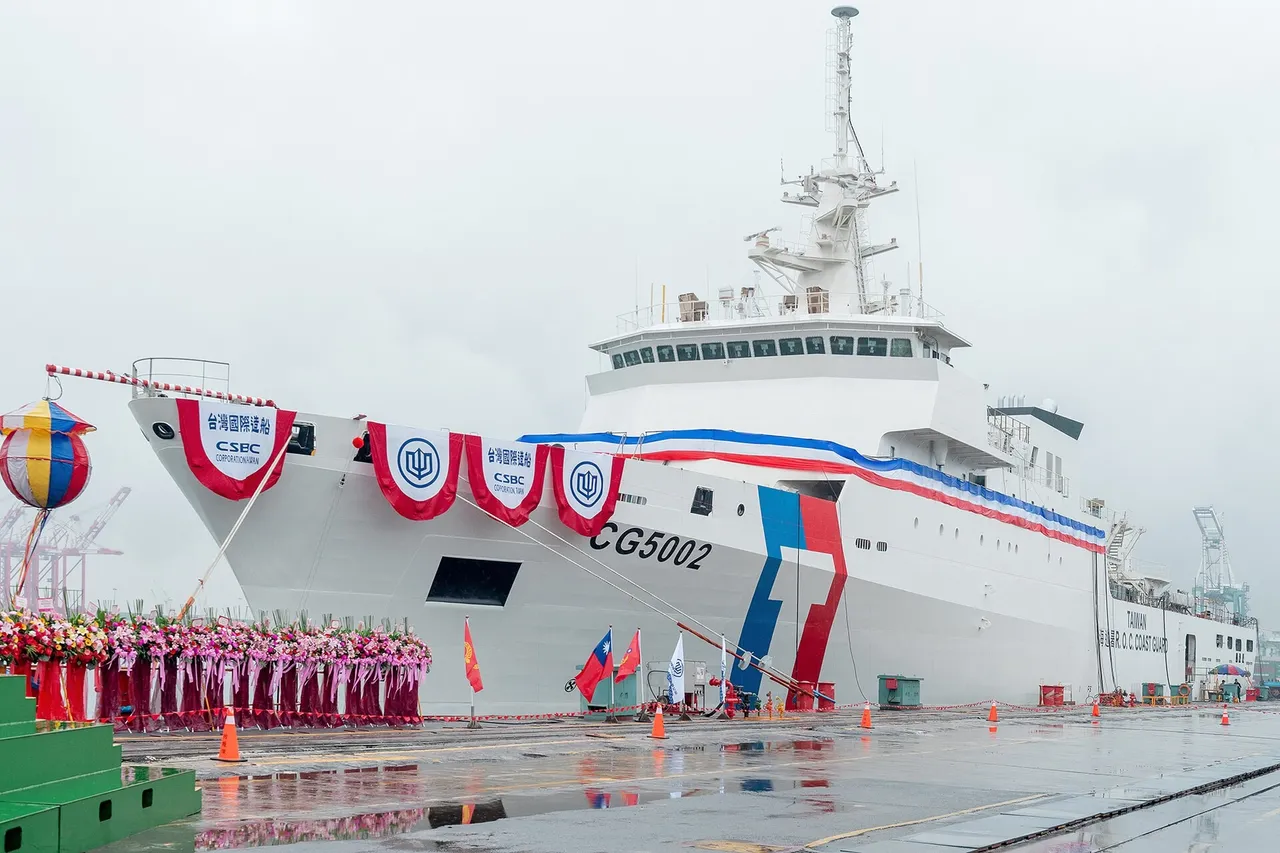
Why China's coast guard patrol east of Taiwan on 12 November 2026 is a contest over jurisdiction
A Chinese coast guard ship told a Taiwanese cutter off Orchid Island on 12 November 2026 that it was enforcing Chinese law, a day after the G7 warned about the east.
TaiwanDefence · 8h ago · 4 min read
Discussion (0)
Comments are not currently available.