
ANALYSIS
Why Zhang Shengmin's rise, detailed on 13 November 2026, shows Xi putting PLA loyalty before war-readiness
A report on 13 November 2026 showed the PLA purge enforcer is now the only other member of Xi's military commission, a sign discipline outranks combat command.

TAIPEI —
This article is an original Taiwan Defence analysis based on the cited public sources. It distinguishes reported facts from analytical judgments and does not represent original field reporting.
The argument
On 13 November 2026, The New York Times published a detailed account of how Gen. Zhang Shengmin, a career political officer who ran the People's Liberation Army's anti-corruption investigations, has become the main winner of Xi Jinping's military purge. National Review, summarising the report the same day, described Zhang as the officer who spearheaded the purges and noted his new seat on the Politburo.
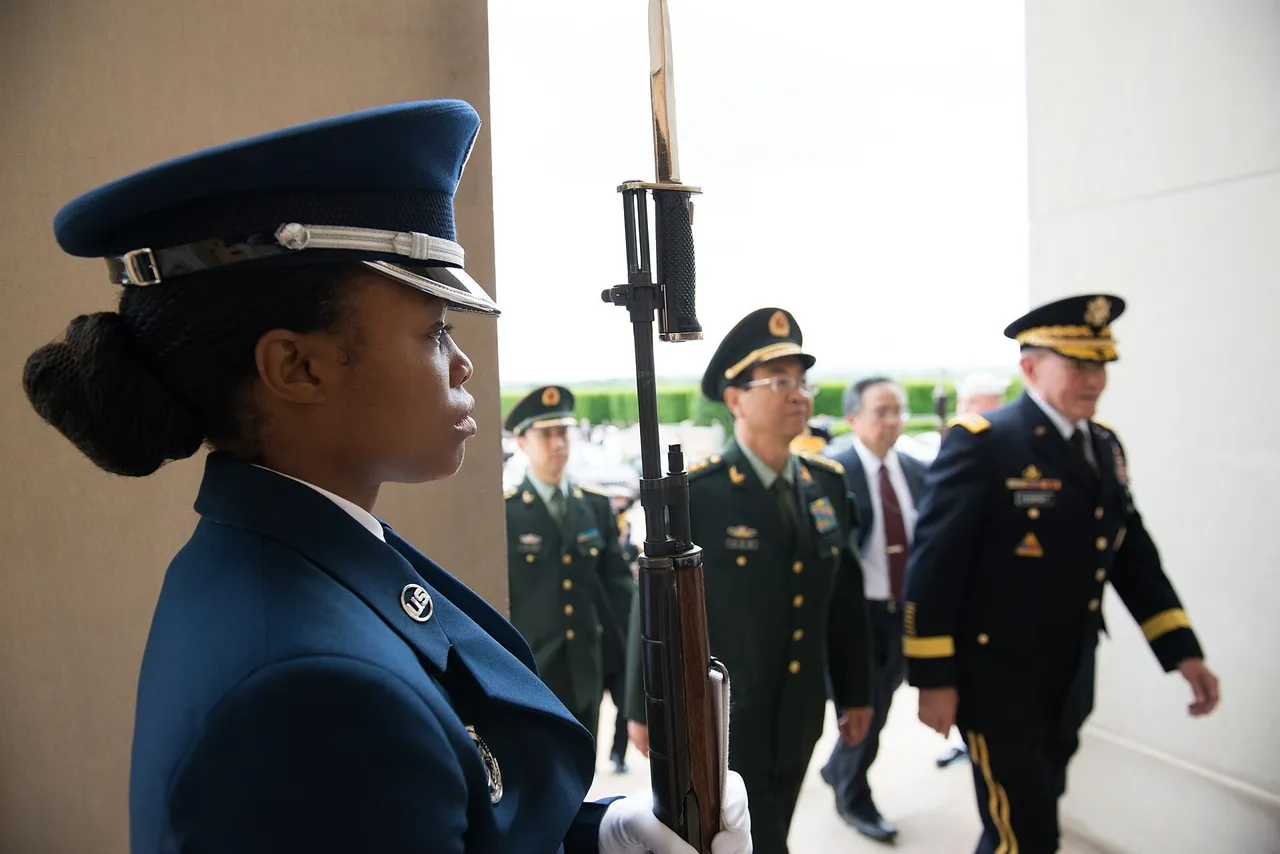
Zhang's rise is less a reshuffle than a statement of priorities. By placing a discipline enforcer with little operational command experience at the top of the armed forces, Xi is signalling that political control of the PLA comes before rebuilding a high command able to plan and run a major campaign, including one against Taiwan.
A commission of two
Zhang and Xi are now the only members left on the Central Military Commission, the body through which Xi commands the armed forces and which normally has seven members. The Times reported that five others have been expelled, and an AFP profile carried by Hong Kong Free Press on 1 November said the removals happened under Zhang's authority as head of the commission's discipline inspection body from 2017 until July this year.
His promotion to the Politburo at the party's fifth plenum in late October broke the usual pattern. Politburo appointments normally come at party congresses held every five years, and both the Times and AFP noted that the last such mid-term elevation was in 1994. Zhang is 68, joined the army in 1978 and spent most of his career as a political commissar rather than a field commander.
The imbalance shows in public. The Epoch Times, a publication critical of Beijing, reported that a CCTV broadcast of Zhang briefing the commission's headquarters on the plenum on 9 November showed only two other full generals in the audience, Defence Minister Dong Jun and the new military discipline chief Zhang Shuguang, while three serving full generals, including Eastern Theater commander Yang Zhibin, did not appear. It also noted that the commission now has only Xi and Zhang.
What it means for war planning
The Times reported that three Taiwanese officials, speaking anonymously about internal assessments, believe Xi's focus on loyalty and discipline will keep the PLA busy with its own problems. One official said recent unannounced Chinese drills looked less sophisticated than earlier operations, possibly because of disruption in the command structure. Ma Cheng-kun, a PLA specialist at Taiwan's National Defense University, said at a Taipei seminar that so many removed generals and senior officers cannot be replaced quickly.
That points to a near-term trade-off. A military whose most senior officer is an inquisitor rather than a planner can keep up visible pressure on Taiwan, which needs no new generals, while finding it harder to assemble the complex options a blockade or invasion would demand. James Char of Nanyang Technological University told AFP that the force is left with only a handful of three-star generals.
The pressure has not stopped. Taiwan's National Security Council secretary-general, Joseph Wu, said dozens of PLA vessels had carried out unannounced drills off China's coast in recent weeks, with some ships, including a carrier strike group, still in the area, the Times reported. Taipei would be unwise to read the purge as relief.
Loyalty as the operating system
Zhang's record explains Xi's trust. The Times recounted that he warned in the 1980s that personal connections and material interests could erode military discipline, and wrote in a 2014 military journal that the conduct of senior officers is a barometer for the whole force. Steve Tsang of the SOAS China Institute told AFP that what marks Zhang out is political loyalty to the party centre rather than military professionalism.
After the plenum, the PLA's main newspaper urged officials to turn the blade inward and use strict measures to cure disorder, the Times reported, a sign that investigations, political indoctrination and loyalty checks will continue across the force.
The arrangement is also fragile. John Culver, a former CIA analyst, told the Times that Xi's core aim is protecting the party and keeping the PLA as its armed wing, and that no ally is essential to him. Joseph Torigian of American University said Zhang, who lacks powerful family or military patrons, keeps Xi's confidence partly because reliable deputies are scarce. Char told AFP that Zhang has deliberately kept a low profile at events with Xi since his colleagues were removed.
What to watch
Three signals will show whether Xi moves from purging to rebuilding: whether new members are named to the Central Military Commission, whether the senior posts left by removed officers are filled with commanders who have operational records, and whether Zhang stays on past normal retirement age at the 2027 party congress, where Xi is expected to seek a fourth term. Until then, the top of the PLA is organised around loyalty checks, and its readiness for a high-end campaign against Taiwan should be judged with that in mind.
Sources
More in Analysis
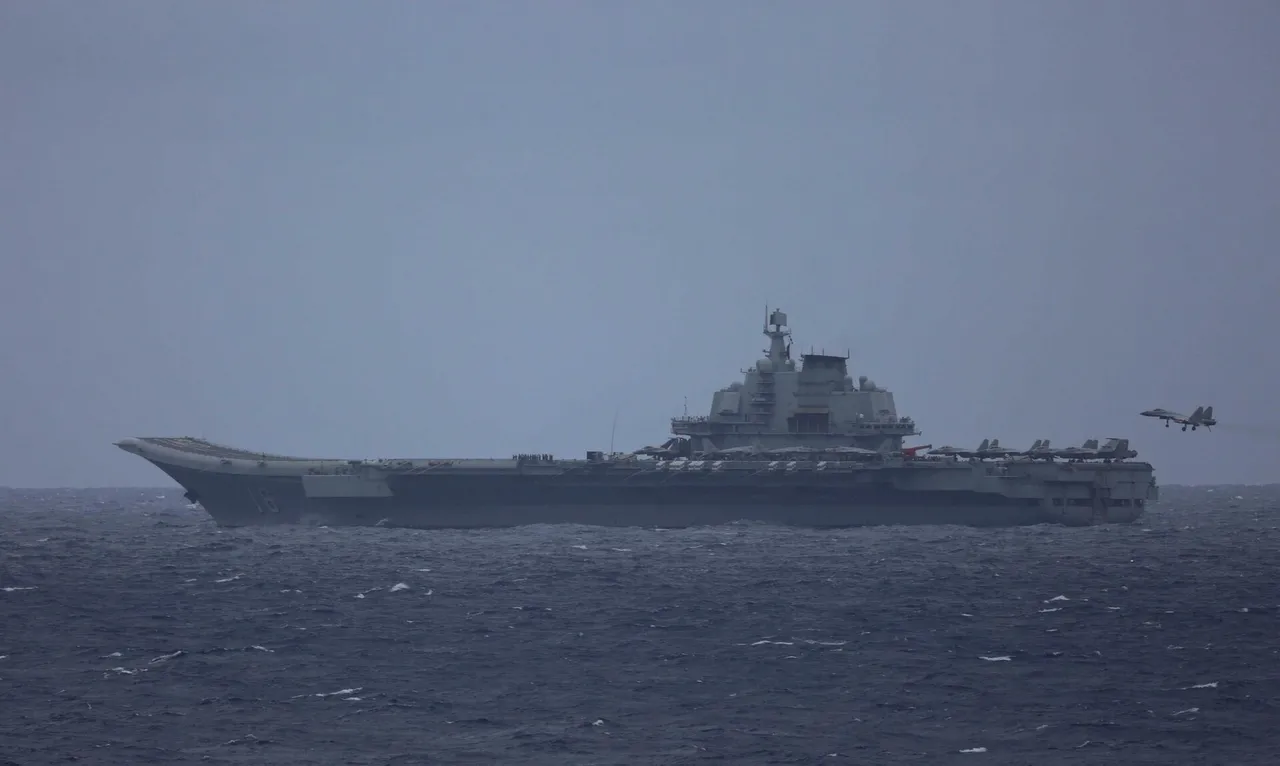
Why China's unannounced 100-ship drill, revealed on 13 November 2026, matters more than a named exercise
Taiwanese officials said on 13 November 2026 that China massed over 100 ships in an unnamed drill larger than Justice Mission 2025. The missing name is the point.
TaiwanDefence · 1h ago · 4 min read
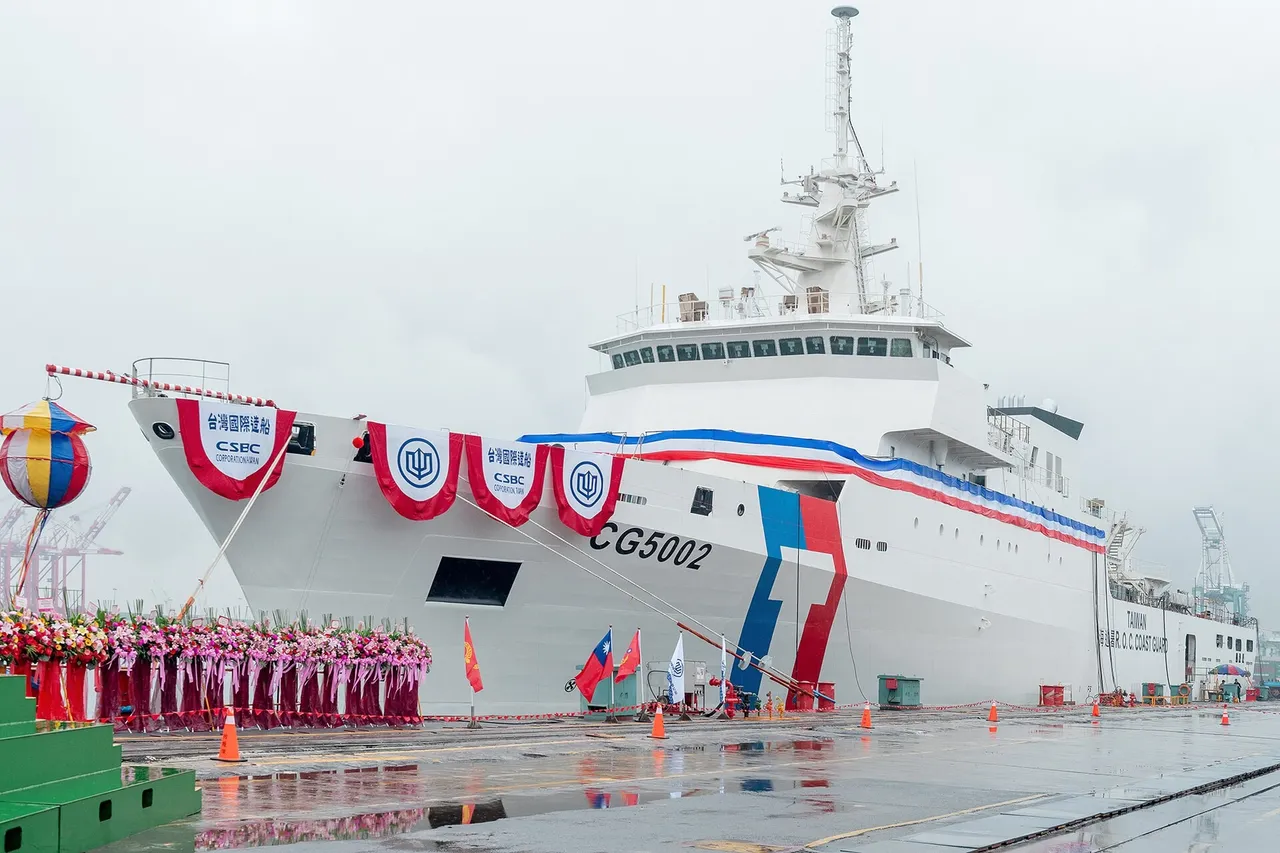
Why China's coast guard patrol east of Taiwan on 12 November 2026 is a contest over jurisdiction
A Chinese coast guard ship told a Taiwanese cutter off Orchid Island on 12 November 2026 that it was enforcing Chinese law, a day after the G7 warned about the east.
TaiwanDefence · 7h ago · 4 min read
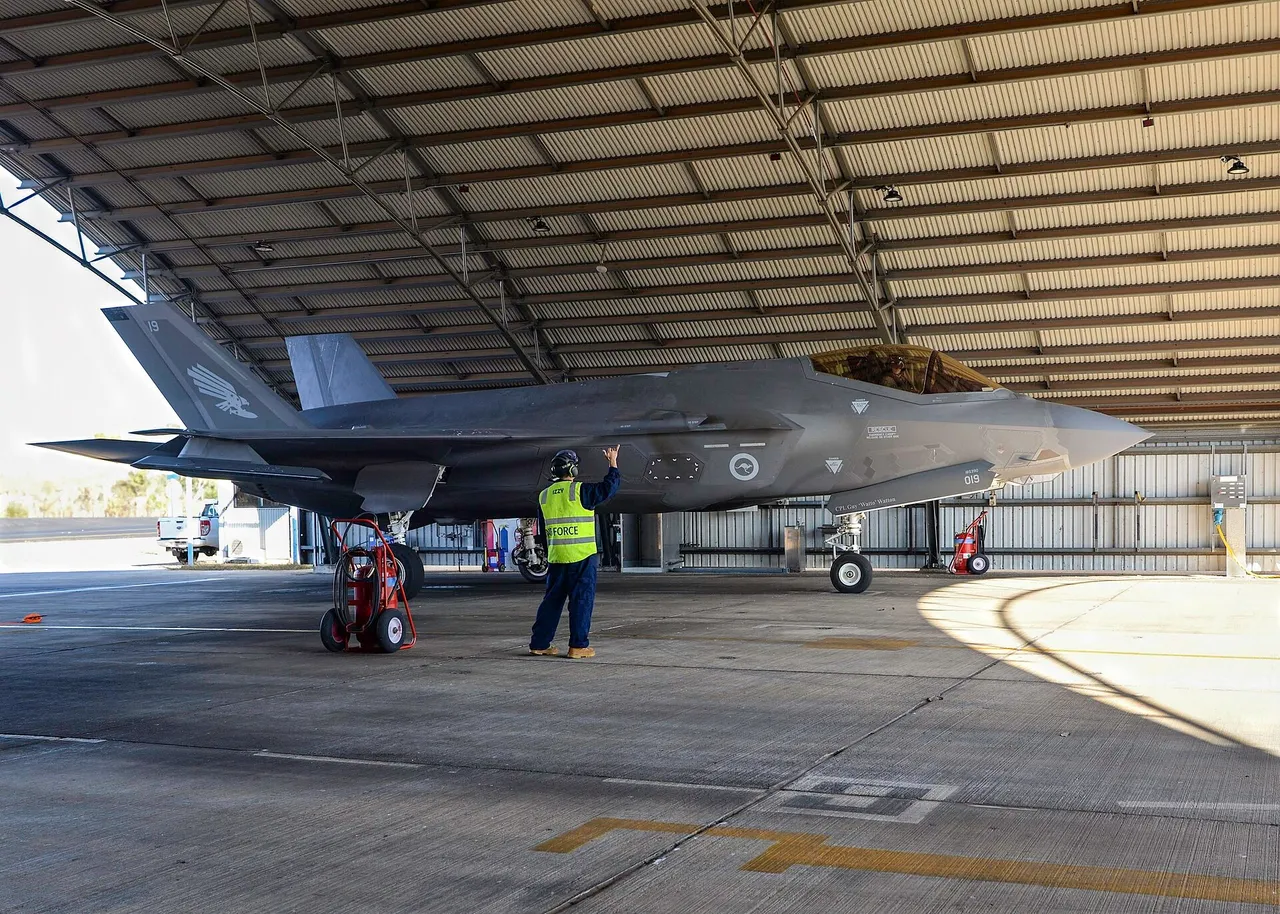
Why a US audit of F-35 spare parts, published on 9 November 2026, matters for Pacific air forces
A US audit published on 9 November 2026 found the Pentagon cannot reliably track 31 billion dollars in F-35 parts, a weak spot for allies building around the jet.
TaiwanDefence · 2d ago · 3 min read
Discussion (0)
Comments are not currently available.