
ANALYSIS
Why a US audit of F-35 spare parts, published on 9 November 2026, matters for Pacific air forces
A US audit published on 9 November 2026 found the Pentagon cannot reliably track 31 billion dollars in F-35 parts, a weak spot for allies building around the jet.
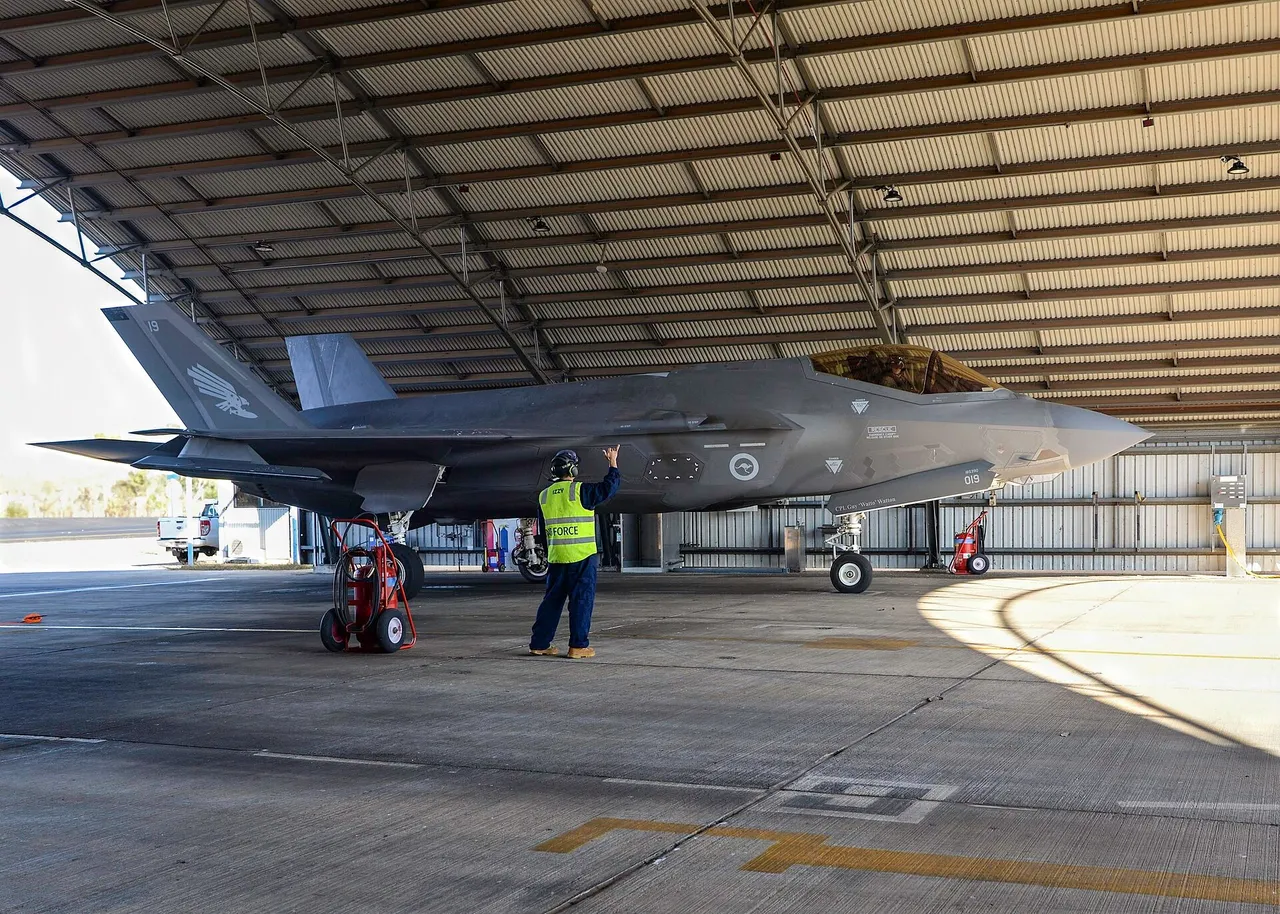

TAIPEI —
This article is an original Taiwan Defence analysis based on the cited public sources. It distinguishes reported facts from analytical judgments and does not represent original field reporting.
The argument
The US Government Accountability Office reported on 9 November 2026 that the Department of Defense still cannot reliably account for about 26 million F-35 parts, worth roughly 31 billion dollars and held at more than 700 government and contractor sites around the world. The auditors found the programme's records outdated, inaccurate and incomplete, and said its physical inventories did not properly verify that parts existed.
For air forces in the western Pacific, this is more than an American accounting problem. Australia, Japan and South Korea already fly the F-35 and Singapore is preparing to receive its first jets, so a growing share of allied fighter power in the region depends on one support system. If the programme cannot see its own spares, every fleet that draws on that system carries the risk of aircraft waiting on the ground for parts that may already exist somewhere else.
Evidence and constraints
The gaps are large. Military.com, summarising the audit, said that as of March 2026 the F-35 Joint Program Office still could not say what had happened to more than 1 million parts, valued at over 85 million dollars, that a prime contractor had recorded as lost between 2018 and 2022. About 17,000 components in maintenance or repair, worth at least 1.3 billion dollars and possibly as much as 2.5 billion, had not been entered into the programme's logistics database at all.
Part of the problem is plumbing. According to Military.com, the government system cannot exchange data directly with the property systems of Lockheed Martin and Pratt and Whitney, so it relies on quarterly contractor submissions that can be more than three months old. One December 2025 submission carried serial numbers for only 29 percent of its records. The programme has spent at least 17 million dollars on inventories since fiscal 2020, and the Defense Contract Audit Agency aims to finish a comprehensive count by March 2027.
The accounting failures sit alongside weak availability. Military.com cited a separate June 2026 review which found that the F-35 fleet's mission-capable rate fell from 67 percent in fiscal 2021 to 44 percent in fiscal 2025, while the rate for aircraft able to perform all assigned missions dropped from 38 to 25 percent. The outlet noted that inventory problems do not explain the whole decline, but that poor records make it harder to find parts and decide what to buy. A Pentagon sustainment plan calls for about 13.7 billion dollars of extra investment through fiscal 2031, more than 7 billion of it for spares.
The regional stake is visible in training. Pacific Air Forces ran two virtual exercises, Cope Lightning 26-2 and 26-3, at Andersen Air Force Base on Guam in October with pilots from Australia, Japan, South Korea and Singapore, the Pacific Daily News reported. Using F-35 simulators, they rehearsed cruise missile defence and the suppression of enemy air defences. The paper said Singapore has ordered 12 F-35Bs, with the first four due in 2026, and quoted a Singaporean officer saying the sessions helped as the air force prepares for its first aircraft.
Security is a second concern. Military.com recalled that F-35 components shipped from Australia to the United States for repair were diverted to Hong Kong, reportedly including a canopy and a weapons-bay door with radar-absorbing materials. Australian Defence Minister Richard Marles acknowledged the incident but disputed suggestions that sensitive equipment had been lost, and the Pentagon said it was investigating.
What could change
The Pentagon agreed with all four of the audit's recommendations, which call for procedures to monitor losses of F-35 parts and for proper training and guidance for the officials responsible for government property. Military.com said the Joint Program Office is drafting new procedures and building direct data links to contractor systems.
Whether that works will show up in the numbers allies care about most: how many jets can fly on a given day and how quickly broken parts come back from repair. Shared simulators of the kind used in Cope Lightning let allied pilots keep training together when fewer aircraft are available, but they cannot replace serviceable jets on a flight line.
Why it matters
The F-35 is becoming the common core of allied fighter forces around the western Pacific, and four regional air forces now train together on missions such as cruise missile defence. Their value in a crisis rests on availability rather than on numbers bought. The audit suggests that the supply chain behind the jet, more than the aircraft itself, is the part of the programme that Pacific allies should watch most closely.
Sources
More in Analysis
Why Japan's fighter scrambles, tested by Chinese drones again on 11 November 2026, are a poor match
Japan scrambled jets on 11 November 2026 as two Chinese drones looped past Yonaguni, yet higher, longer PLA drone flights expose the limits of crewed intercepts.
TaiwanDefence · 22h ago · 4 min read
Why the US Air Force's Marianas airstrip plan, reported on 12 November 2026, hinges on fuel and consent
A plan reported on 12 November 2026 for 6,000-plus flights a year from four Marianas airfields shows dispersal near Guam is mostly a logistics test.
TaiwanDefence · 23h ago · 4 min read
Why North Korea's conventional arms rush, tallied on 11 November 2026, strains Seoul's playbook
A count published on 11 November 2026 found 15 North Korean conventional weapon reveals in about two months, as G7 ministers condemned Moscow's help.
TaiwanDefence · 1d ago · 4 min read
Discussion (0)
Comments are not currently available.