
Indonesia tests a home-built kamikaze drone boat during a joint amphibious assault drill
The Berani Mati unmanned attack boat, developed with shipbuilder PT PAL, was shown to the defence minister in an exercise involving 1,718 personnel.

TAIPEI —
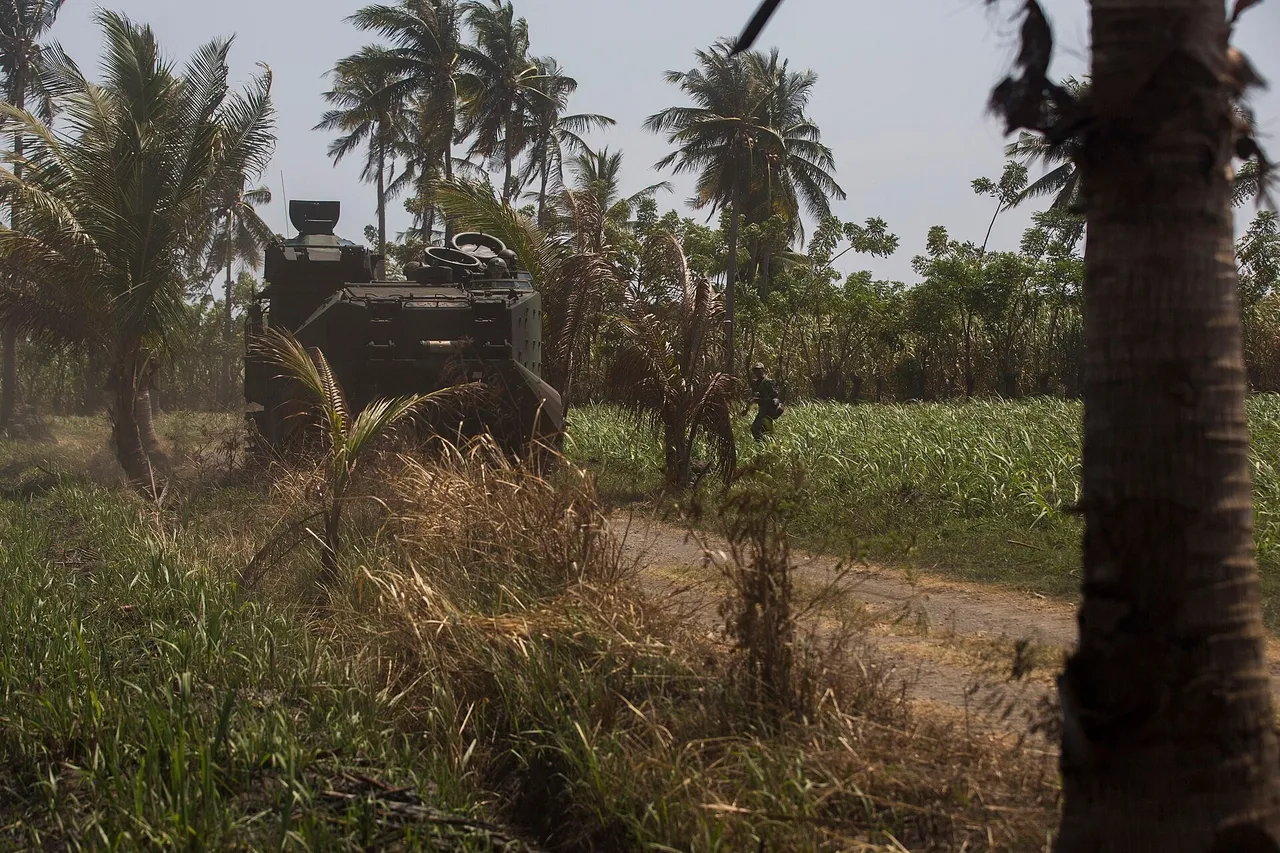
Indonesia's armed forces tested a domestically developed unmanned attack boat called Berani Mati, which means dare to die, during a joint amphibious exercise off the coast of Banten province on 12 November, according to the ANTARA news agency and Kompas. Defence Minister Sjafrie Sjamsoeddin said in a ministry statement reported by ANTARA that the vessel, developed with the national shipbuilder PT PAL Indonesia, is designed to be driven into enemy ships and to explode on impact.
The demonstration took place during the 2026 Amphibious Operation Exercise, known by its Indonesian abbreviation Latopsfib, at Tanjung Burung and Tanjung Pasir in Tangerang Regency, Kompas reported. Sjafrie watched the drill with the armed forces commander, General Agus Subiyanto, the navy chief of staff, Admiral Muhammad Ali, and the air force chief of staff, Air Chief Marshal Mohammad Tonny Harjono, according to Indonesiadefense.com.
A defence ministry press release cited by Indonesiadefense.com said the boat can reach up to 55 knots and uses an artificial intelligence system to strike enemy targets at sea with precision. The ministry said the craft is a further development of an unmanned surface vessel that was tested during the armed forces' integrated exercise at Dabo Singkep in the Riau Islands in August.
In that earlier drill, sailors launched a low, grey, angular kamikaze boat assembled by PT PAL from the well deck of the hospital ship KRI dr. Soeharso, and the craft rammed a target near the shore to test its autonomous control system, Indonesiadefense.com reported at the time. That boat carried an electro-optical camera on its mast for navigation and targeting and was driven by a conventional petrol engine.
The November exercise involved 1,718 personnel from the navy and the air force, ANTARA reported. Kompas said the air force sent three T-50 Golden Eagle jets, a Caracal helicopter and a Super Puma. The scenario opened with combat divers from the navy's Kopaska special unit inspecting and securing the landing beach, followed by air strikes from the T-50s and gunfire from the warships KRI TOM-357 and KRI JOL-358 against simulated enemy defences.
Marines then advanced on the beach with support from the jets and helicopters, while other helicopters landed troops to attack from the landward side, according to Kompas. The later phases included clearing the beach of threats, divers emerging from the sea and a jet boat operating over the beach, before the landing force captured and secured its objective. ANTARA said the drills also included missile launches.
The navy said in a statement carried by Kompas that deploying and testing unmanned surface vessels forms part of its work to use unmanned technology as a supporting element of modern warfare. The drill applied the navy's Trisula Nusantara Shield doctrine, and Sjafrie described the joint exercise as evidence that troops are ready to guard the country's sovereignty under that doctrine, Indonesiadefense.com reported.
Agus said the exercise included a test deployment of autonomous unmanned surface vessels in a combat simulation and ended with no casualties among personnel and no damage to equipment, according to ANTARA. Sjafrie said the successful operation marked progress in Indonesia's defence technology, and the ministry presented the boat as proof that the national defence industry is becoming more self-reliant. None of the reports gave a production plan, an order quantity or a cost for the vessel.
Sources
More in Indo-Pacific
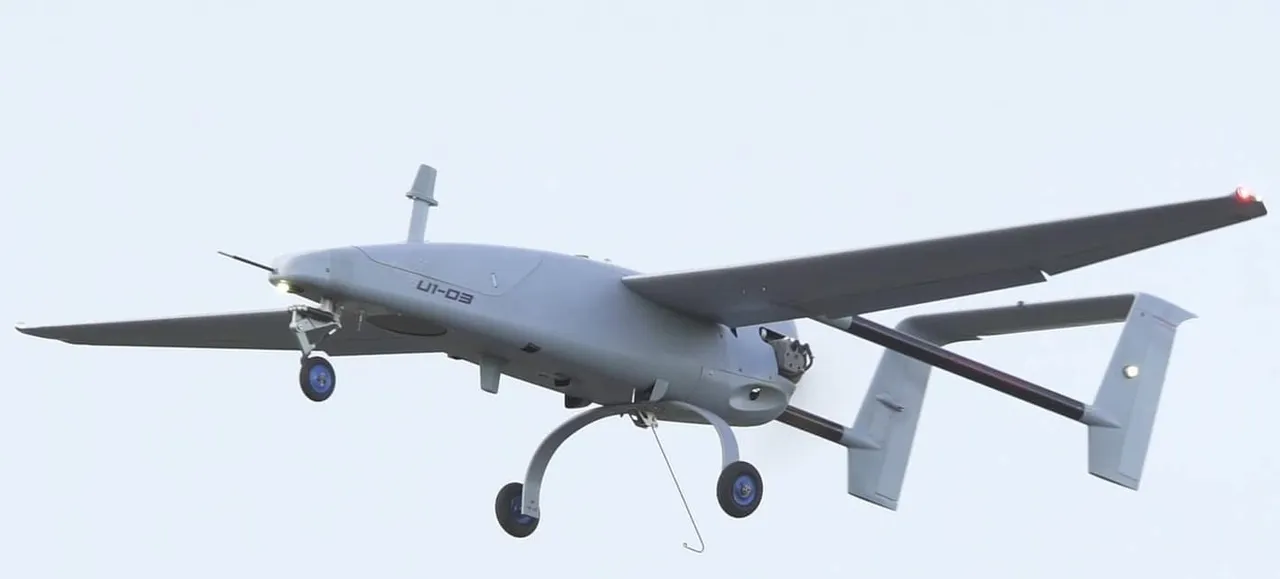
Thai commanders say the Cambodia border war showed they need armed drones, not just spy drones
At a Bangkok drone forum, Thai officers said surveillance drones exposed Cambodian artillery and tanks but left strikes waiting on fighter jets.
TaiwanDefence · 38m ago · 3 min read
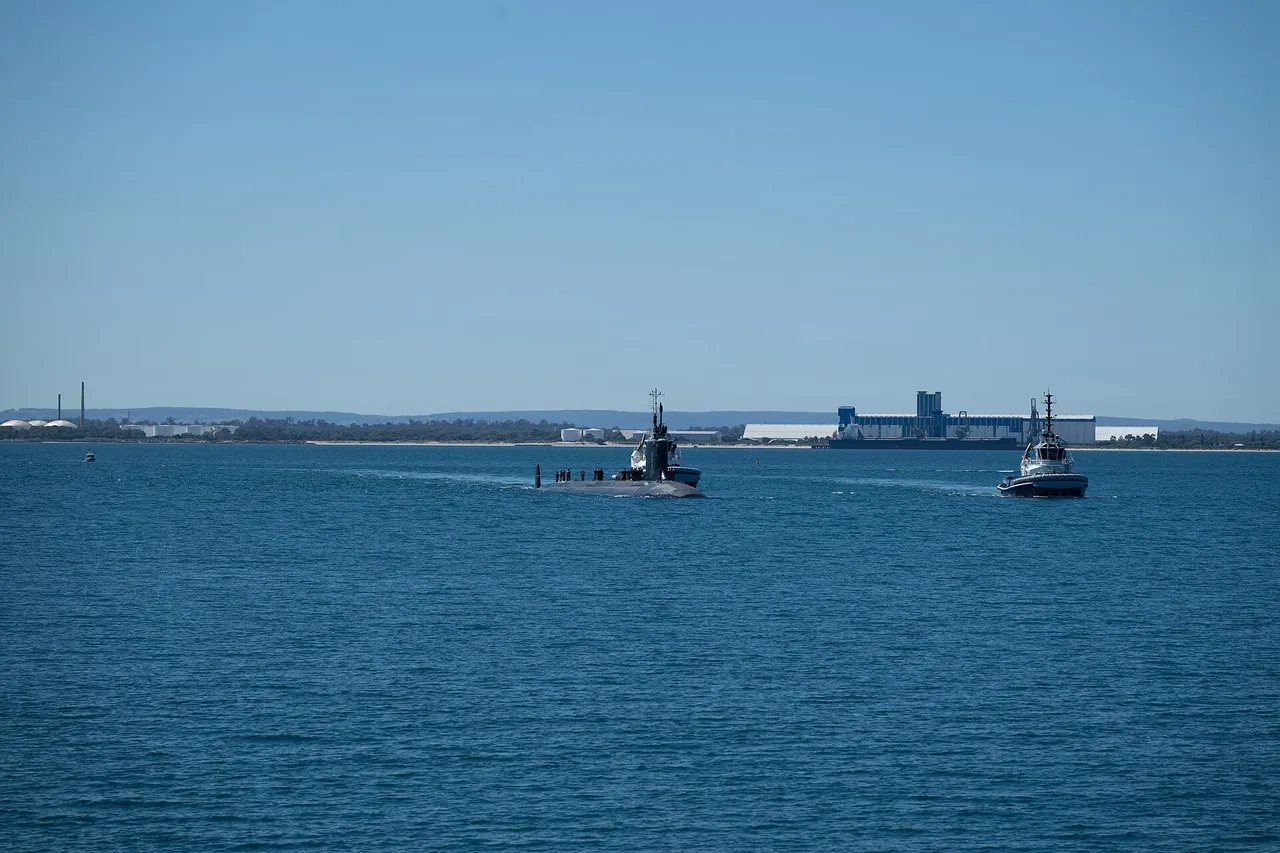
US Pacific submarine chief says AUKUS is on plan and ahead of schedule in several areas
Rear Adm. Chris Cavanaugh pointed to a revived submarine squadron and USS Colorado's planned 2027 return to Western Australia as evidence of progress.
TaiwanDefence · 1h ago · 2 min read
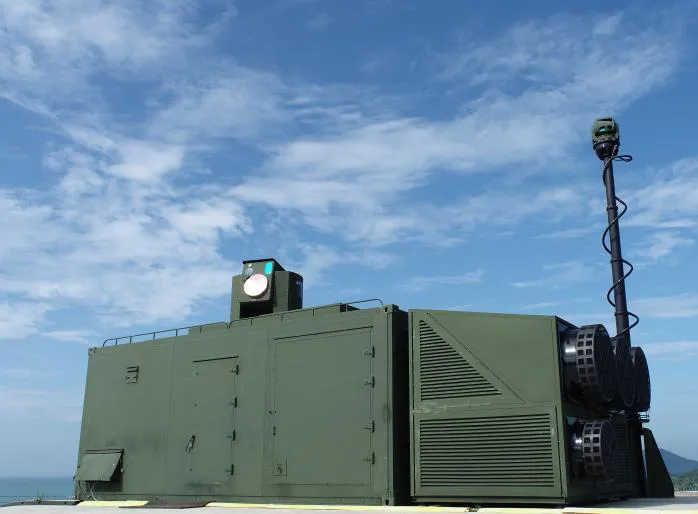
South Korea draws up its first military energy plan as laser weapons push up power demand
The defence ministry's 12-task plan aims to keep deployed units powered without outside help and to protect critical military loads during outages.
TaiwanDefence · 3h ago · 2 min read
Discussion (0)
Comments are not currently available.