
South Korea draws up its first military energy plan as laser weapons push up power demand
The defence ministry's 12-task plan aims to keep deployed units powered without outside help and to protect critical military loads during outages.

TAIPEI —
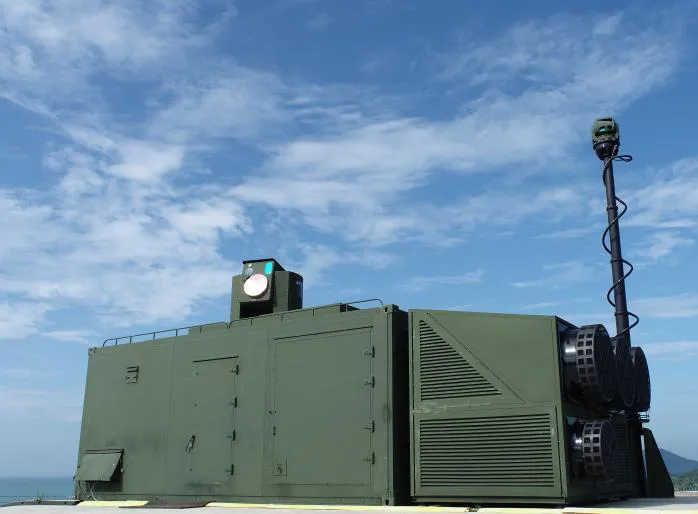
South Korea's Ministry of National Defense has drawn up its first plan to change how the armed forces produce, store and use energy, citing rising power demand from high-energy weapons such as lasers and electromagnetic systems. The ministry said on 12 November that it had held a final review of the defence energy transition plan, chaired by Vice Defence Minister Lee Doo-hee, Yonhap News Agency reported.
About 30 officials from the ministry, the individual services and related agencies attended the meeting at the ministry in Yongsan, Seoul, according to Edaily and Aju Press. The ministry said the plan was built on a combined review of the military's power supply system and of the energy that its advanced weapons will need.
Two operational goals sit at the centre of the plan, the ministry said. The first is mobility: units that move or deploy should be able to restore and secure the electricity they need on their own. The second is endurance, meaning that forces can keep operating without outside support. Edaily reported that the plan also responds to the risk that energy supply chains could be threatened in wartime, and that the ministry intends to secure next-generation power sources and diversify the military's energy supply.
The plan sets out 12 detailed tasks in four areas. One is to acquire defence energy technologies that make weapons more efficient, more powerful and quieter in operation. Another is to standardise military energy equipment so that systems used by different services can work together, the reports said.
The ministry also plans to introduce a Korean version of the mission-critical load concept. The idea is to identify the facilities and equipment that must keep receiving electricity during a blackout or other emergency, so that power can be routed to them first. Edaily described the concept as covering the core military facilities and equipment needed to carry out missions.
A further task is a microgrid demonstration project at military sites. A microgrid is a small local network that generates, stores and supplies its own power. The ministry said the results would be used to set design standards for defence and military facilities.
Using the plan as a basis, the ministry said it would confirm short-term and medium-to-long-term roadmaps for the 12 tasks, build a cooperation system with the services and related agencies, and hold regular review meetings to check progress. The reports did not give a budget or a completion date for any of the tasks.
Lee told the meeting that energy security is national security and is directly tied to the military's survivability and combat power, according to the ministry's account carried by Yonhap and Edaily. He said the ministry would use the plan to build a sustainable and robust foundation for defence energy self-reliance so that the armed forces can complete their missions in any extreme situation.
Sources
More in Indo-Pacific
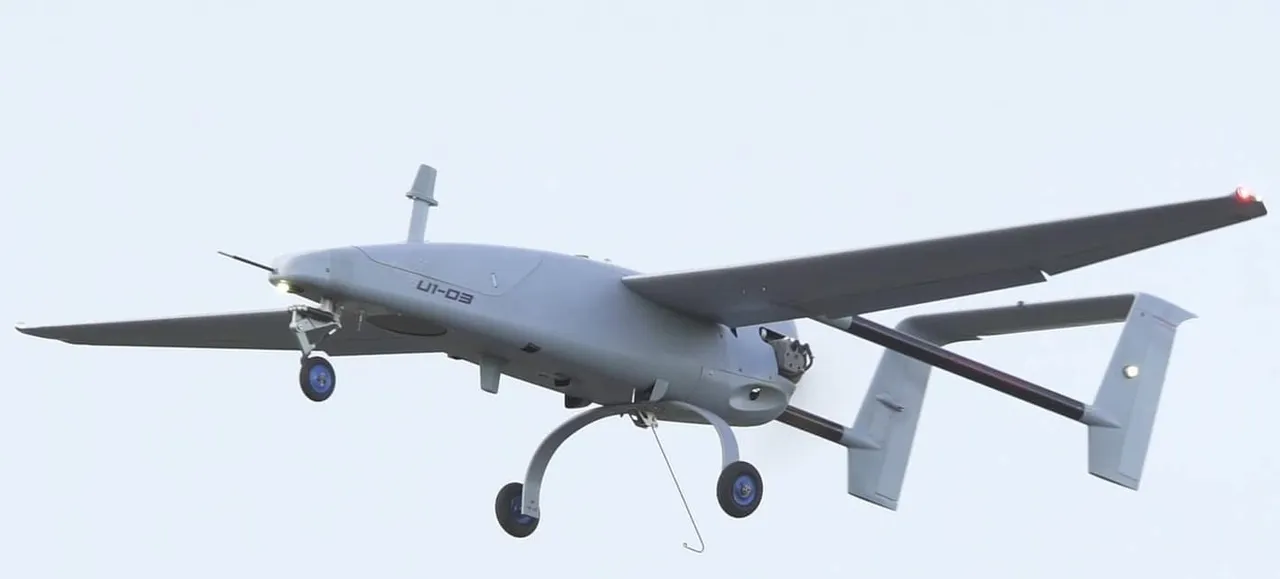
Thai commanders say the Cambodia border war showed they need armed drones, not just spy drones
At a Bangkok drone forum, Thai officers said surveillance drones exposed Cambodian artillery and tanks but left strikes waiting on fighter jets.
TaiwanDefence · 38m ago · 3 min read
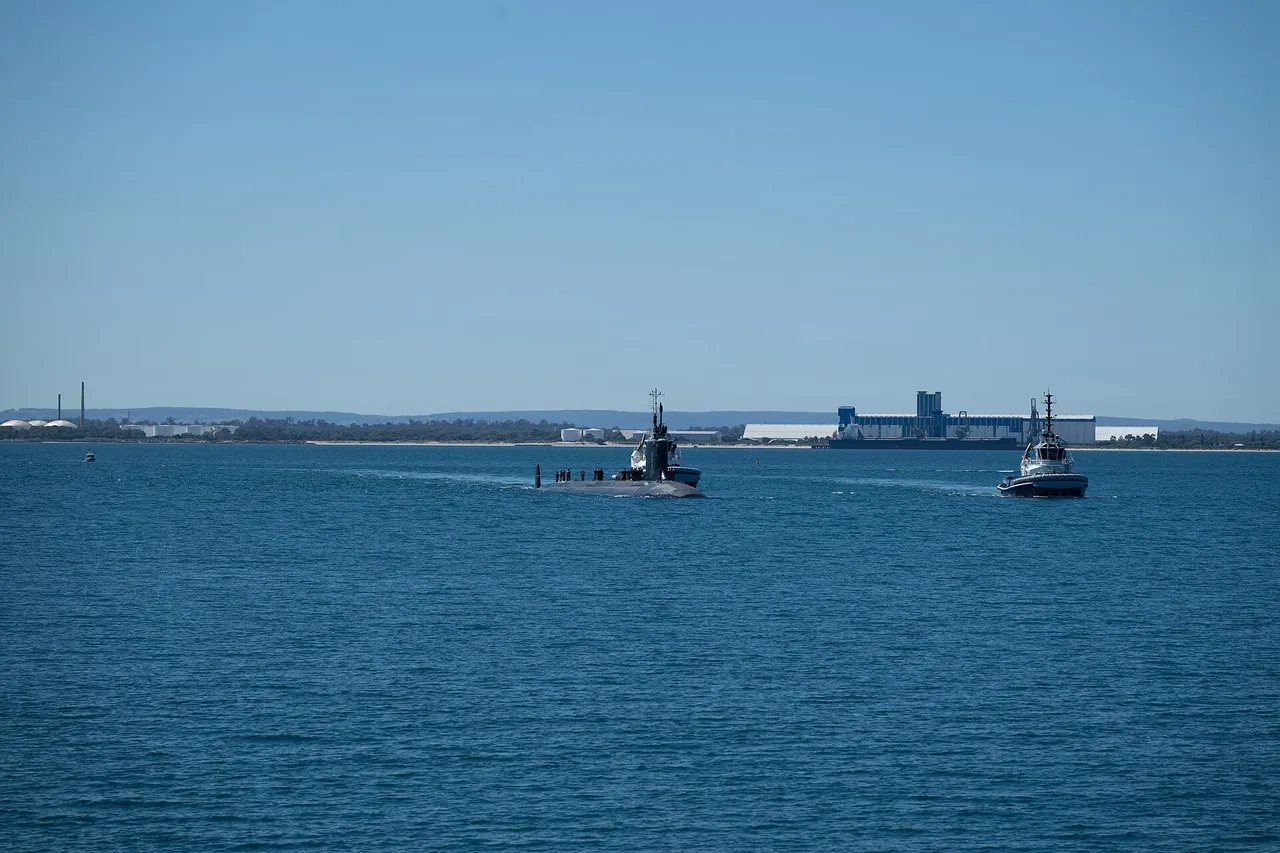
US Pacific submarine chief says AUKUS is on plan and ahead of schedule in several areas
Rear Adm. Chris Cavanaugh pointed to a revived submarine squadron and USS Colorado's planned 2027 return to Western Australia as evidence of progress.
TaiwanDefence · 1h ago · 2 min read
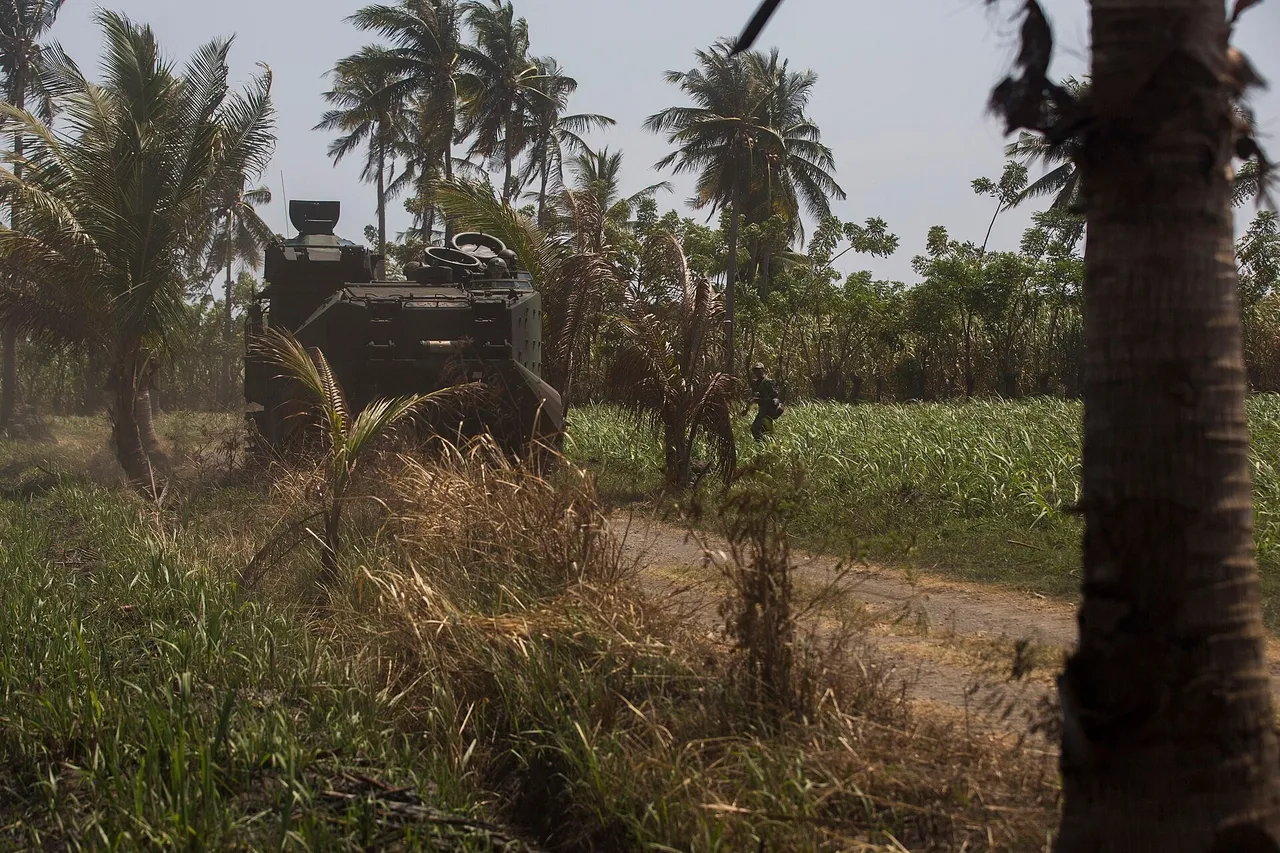
Indonesia tests a home-built kamikaze drone boat during a joint amphibious assault drill
The Berani Mati unmanned attack boat, developed with shipbuilder PT PAL, was shown to the defence minister in an exercise involving 1,718 personnel.
TaiwanDefence · 2h ago · 2 min read
Discussion (0)
Comments are not currently available.