
Thai commanders say the Cambodia border war showed they need armed drones, not just spy drones
At a Bangkok drone forum, Thai officers said surveillance drones exposed Cambodian artillery and tanks but left strikes waiting on fighter jets.

TAIPEI —
Thai military officers said on 12 November that drones transformed how their forces fought during last year's border conflict with Cambodia, but that the fighting also exposed shortages of equipment, weaknesses in electronic warfare and a procurement system too slow to keep up, Taiwan's Central News Agency reported from Bangkok. They said Thailand would put more effort into developing drones at home, while experts at the event warned that money would be the main constraint.
The remarks came at a forum hosted by Thailand's Defence Technology Institute during DronTech Asia, a drone and unmanned systems exhibition running from 11 to 13 November at the IMPACT exhibition centre in Bangkok. The institute invited representatives of the army, navy and air force, as well as the Joint Capability Command of the Royal Thai Armed Forces, to describe how drones were used in the border fighting and what the services now need.
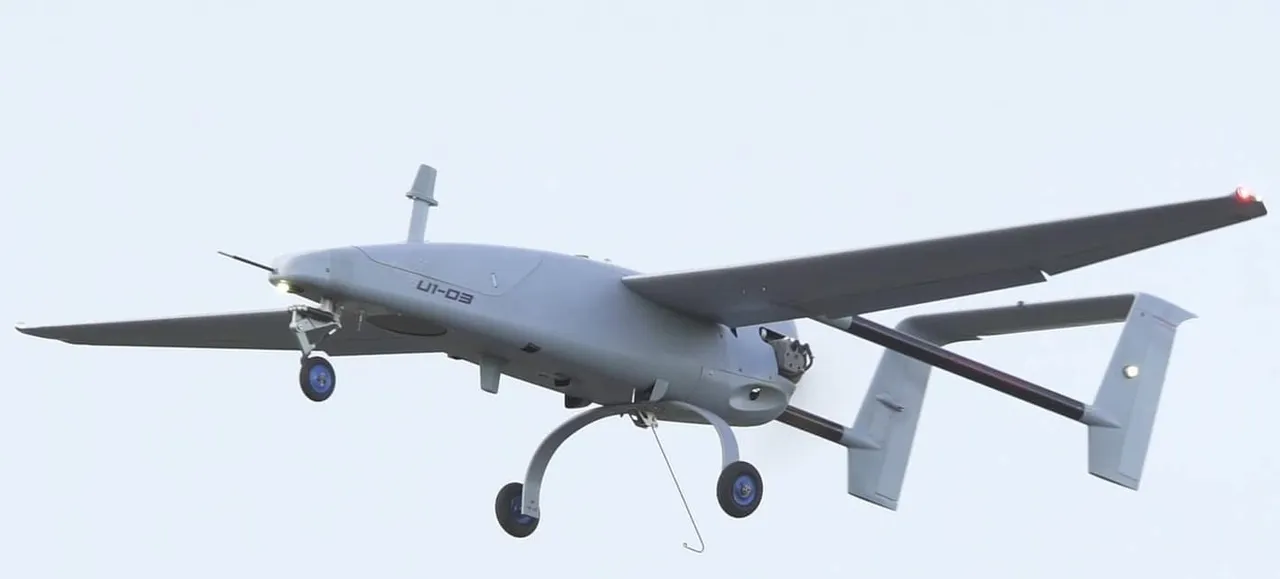
Songsak Thammasarn, commander of the Royal Thai Air Force's Wing 3, said the air force relied mainly on medium- and long-range drones for reconnaissance. According to his account, those aircraft began operating over the area about two months before the clashes, collecting intelligence on the movement and deployment of opposing forces.
Songsak said the drones were able to locate artillery, BM-21 multiple rocket launchers and tanks, and to follow activity within a certain radius, which gave planners an advantage. He described the battlefield as far more transparent than in earlier wars, with much less of the uncertainty that once surrounded enemy positions.
The limitation, he said, was that the air force's drones were built for surveillance rather than attack. Even after a target was found, crews had to wait for fighter aircraft to strike it, which slowed the response. The air force's review of the conflict concluded that it should develop unmanned combat aircraft able to operate alongside its fighters, he said.
Itthikorn Kasetsoontorn, a deputy commander of the Joint Capability Command's joint autonomous and air defence force, told the news agency that Thailand wants a domestic drone industry but still needs foreign partners, with technology transfer the hardest part. He said the armed forces need a wider range of drone types for different missions and that the long-term aim is independent technical capability, extending even to Thai-made chips. On the cyber risks of foreign-made drones, he said Thailand had to balance security against gaining capability, adding that this was his personal view rather than the defence ministry's position.
Peerayudh Saratayn, director of systems engineering at the Defence Technology Institute, said buyers should judge products and their configuration rather than where they were made, and that Thailand could buy Chinese equipment and set it up to meet its own needs. He said many Thai companies can already build military drones and handle explosive payloads, but budgets limit how far that capacity is used, and a complete drone force also needs counter-drone and counter-countermeasure equipment.
Organisers said more than 150 brands from 15 countries were taking part in the exhibition, now in its third edition, and Thai officials at the opening said the country wants to become a maker of drone parts, components and finished systems rather than only a buyer. One Thai company, NAc Drone, told the news agency that it had focused on agricultural drones for eight years before the border conflict pushed it into military work.
The air force has already begun fielding a home-built strike drone. Defence Security Asia reported that the service formally received KB-5E loitering munitions from Thai Aviation Industries on 30 October for training and development, after the weapon's reported combat use on the Cambodian border in December 2025, and that a longer-range, petrol-powered KB-10G is also part of the programme.
Sources
More in Indo-Pacific
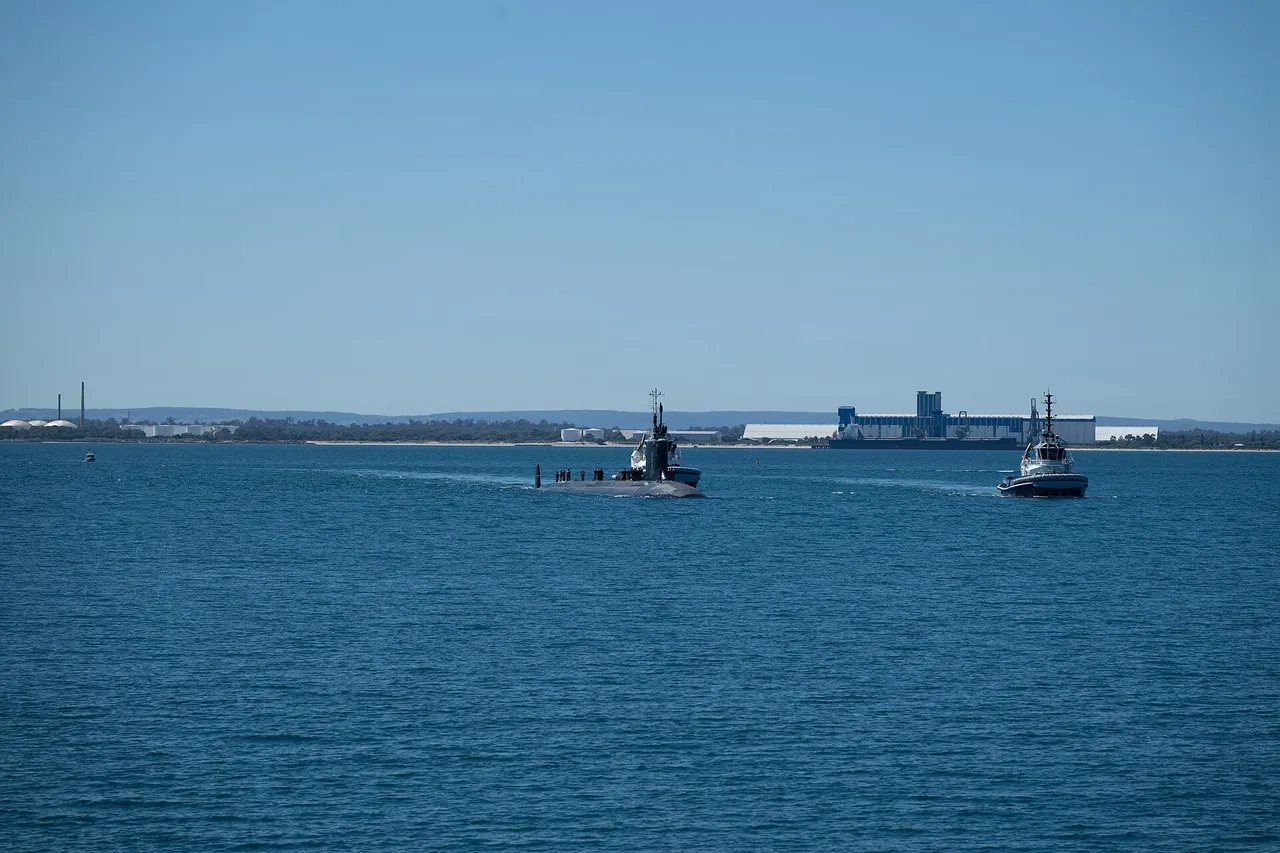
US Pacific submarine chief says AUKUS is on plan and ahead of schedule in several areas
Rear Adm. Chris Cavanaugh pointed to a revived submarine squadron and USS Colorado's planned 2027 return to Western Australia as evidence of progress.
TaiwanDefence · 1h ago · 2 min read
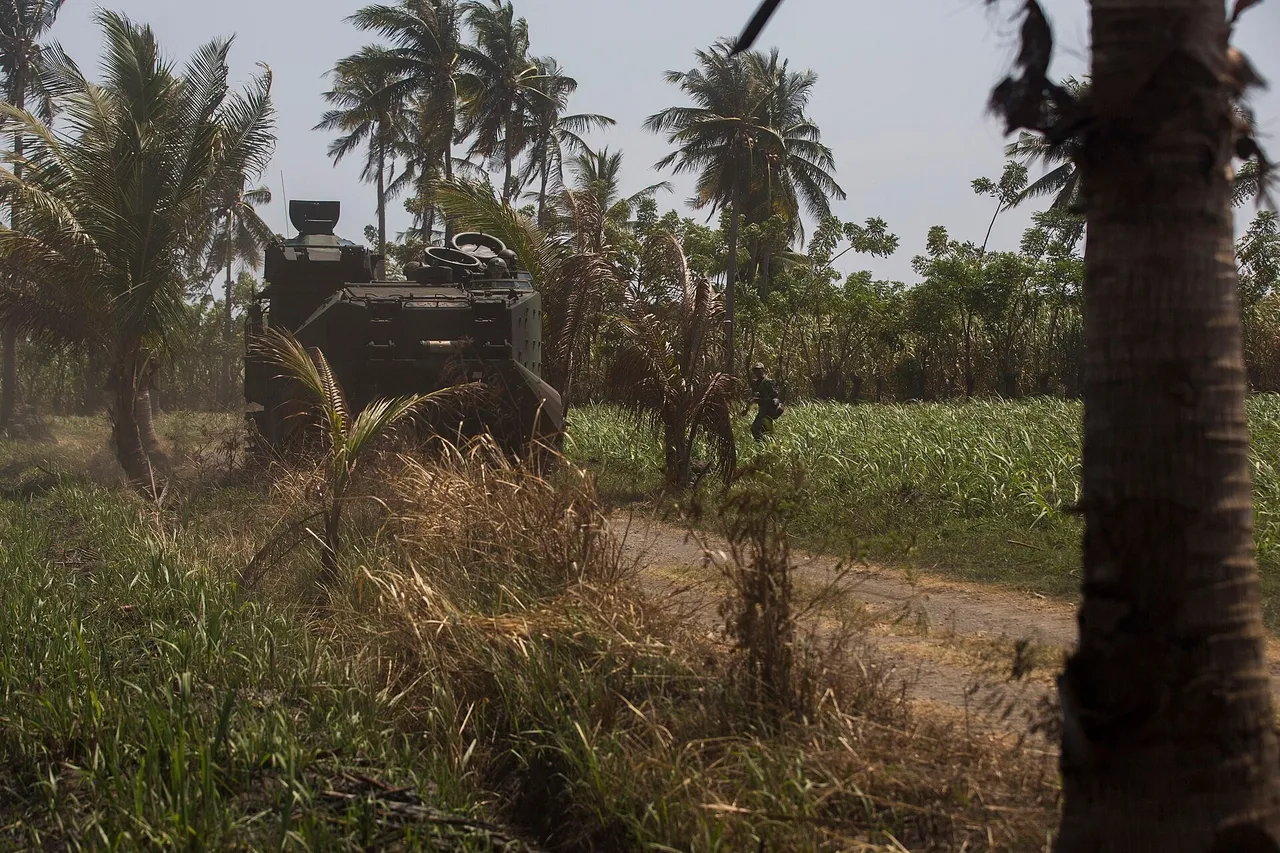
Indonesia tests a home-built kamikaze drone boat during a joint amphibious assault drill
The Berani Mati unmanned attack boat, developed with shipbuilder PT PAL, was shown to the defence minister in an exercise involving 1,718 personnel.
TaiwanDefence · 2h ago · 2 min read
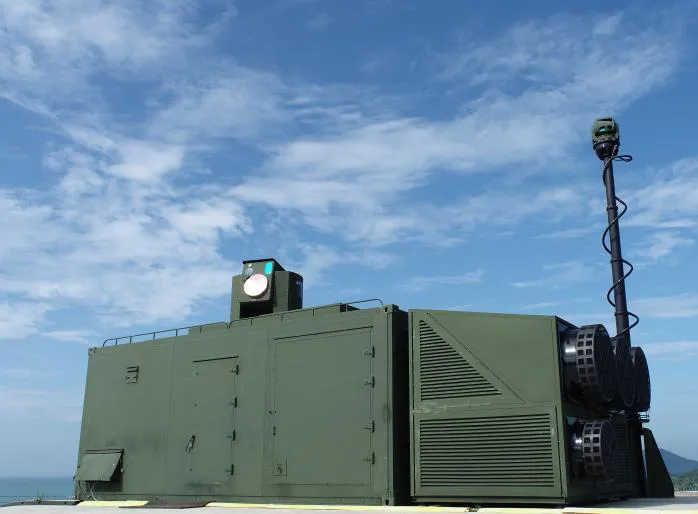
South Korea draws up its first military energy plan as laser weapons push up power demand
The defence ministry's 12-task plan aims to keep deployed units powered without outside help and to protect critical military loads during outages.
TaiwanDefence · 3h ago · 2 min read
Discussion (0)
Comments are not currently available.