
North Korea threatens action over nuclear submarine plans in South Korea, Japan and Australia
A senior party official said Pyongyang will answer a US-led naval build-up with shows of force, naming Seoul's Jangbogo-N and the AUKUS submarine plans.
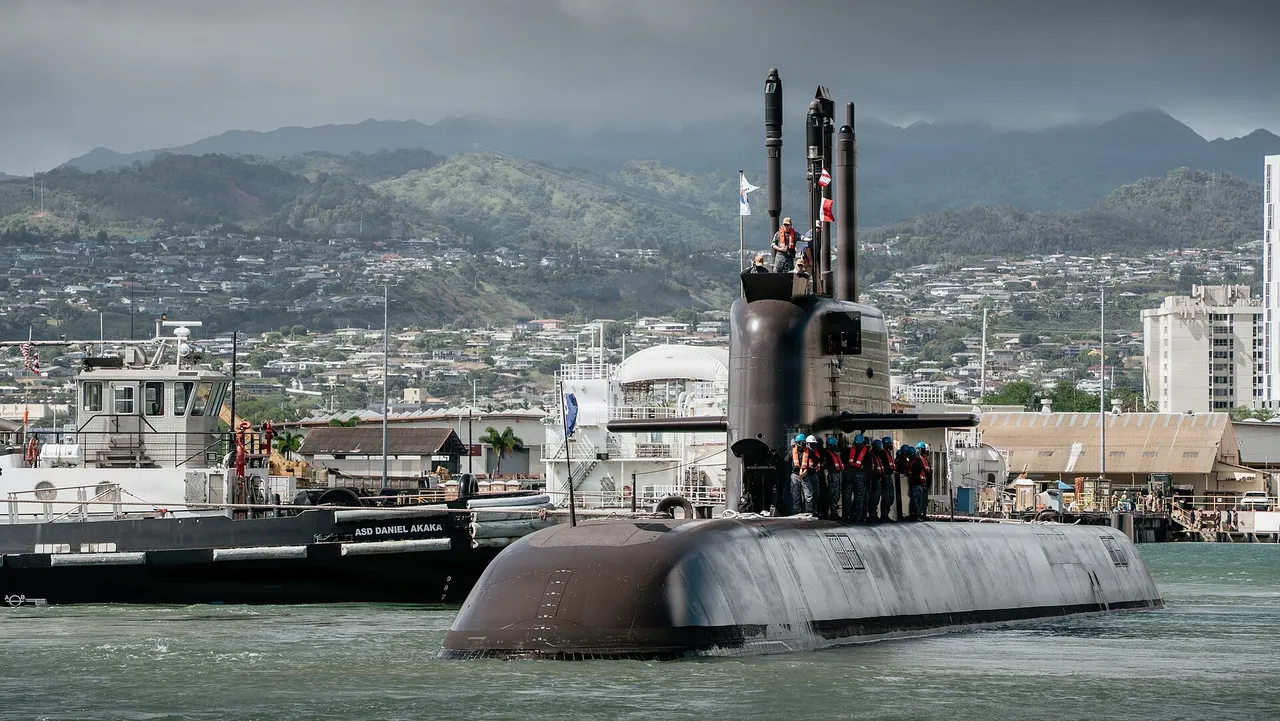

TAIPEI —
North Korea said on 12 November that it would respond with action, and not only with words, to what it portrays as a US-led naval build-up in the Asia-Pacific, singling out plans by South Korea, Japan and Australia to acquire nuclear-powered submarines. The warning came in a statement by Kim Jong-sik, a first vice department director of the ruling Workers' Party Central Committee, which was carried by the state Korean Central News Agency and reported by Yonhap and Herald Business.
In the statement, Kim claimed that the arms build-up by Washington and its allies to win a maritime edge had become a new and dangerous factor disturbing peace and security in the region. He claimed the submarine programmes in the three countries were the practical implementation of a new US security strategy aimed at maritime dominance, and that they were the root cause of a new arms race. These are North Korean claims, and the statement as reported offered no evidence for them.
The statement referred directly to South Korea's Jangbogo-N programme. According to Herald Business, Kim said South Korean military officials had announced approval of a nuclear submarine development plan, with construction to begin in 2027 with US support, launches in the mid-2030s and operational deployment around 2039. That timetable is given here as the North Korean statement described it.
Kim also pointed to the AUKUS arrangement between the United States, Britain and Australia. He said US Navy Virginia-class attack submarines had called at Australian ports under a rotational deployment, and that US and Australian authorities had confirmed that Australia's plan to buy its first Virginia-class boat from the United States around 2030 remained on track, Herald Business reported.
Kim said the sharing of nuclear technology among what he called adversary states, and moves to give military blocs a nuclear character, made it more urgent for North Korea to weigh more varied options for defending its maritime sovereignty. He said Pyongyang would not stop at condemnation and would deter threats through demonstrations of real and changed power, adding that it had both the duty and the full capability to make such choices. Yonhap noted that the statement did not specify what action North Korea might take.
Kim further said North Korea would continue what he described as normal activities as part of the legitimate exercise of its military sovereignty. The statement did not name any specific weapon, exercise or date.
The Japanese reference comes as Tokyo reviews its three national security documents. The Asahi Shimbun reported on 11 November that nuclear-powered submarines are a key agenda item in talks between the ruling Liberal Democratic Party and its coalition partner Nippon Ishin, which began on 10 November, and that sources expected the revised documents to say Japan will consider such submarines without committing to buy them.
The paper said a continuous patrol presence would need at least three boats, that each could cost about 1 trillion yen to build, and that introduction could take more than a decade. It also noted that the United States gave South Korea approval to build nuclear submarines in October last year and that Australia is moving ahead with its own acquisition plans.
Sources
More in Indo-Pacific
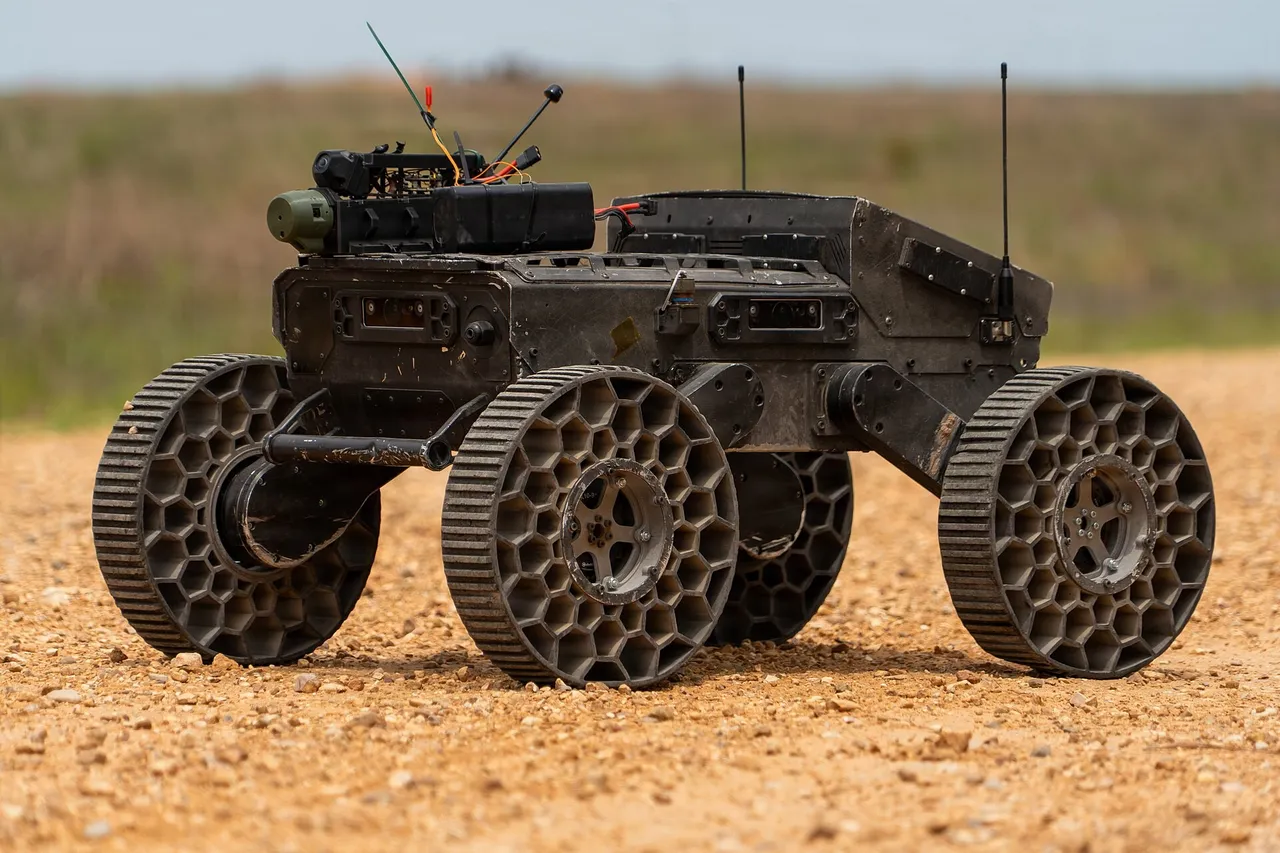
US Army soldiers put robot supply vehicles through jungle and jamming lanes in Hawaii
Six firms are competing in a US Army Pacific trial of uncrewed ground vehicles for resupply and casualty evacuation on Oahu, with winners due on 13 November.
TaiwanDefence · 1h ago · 3 min read
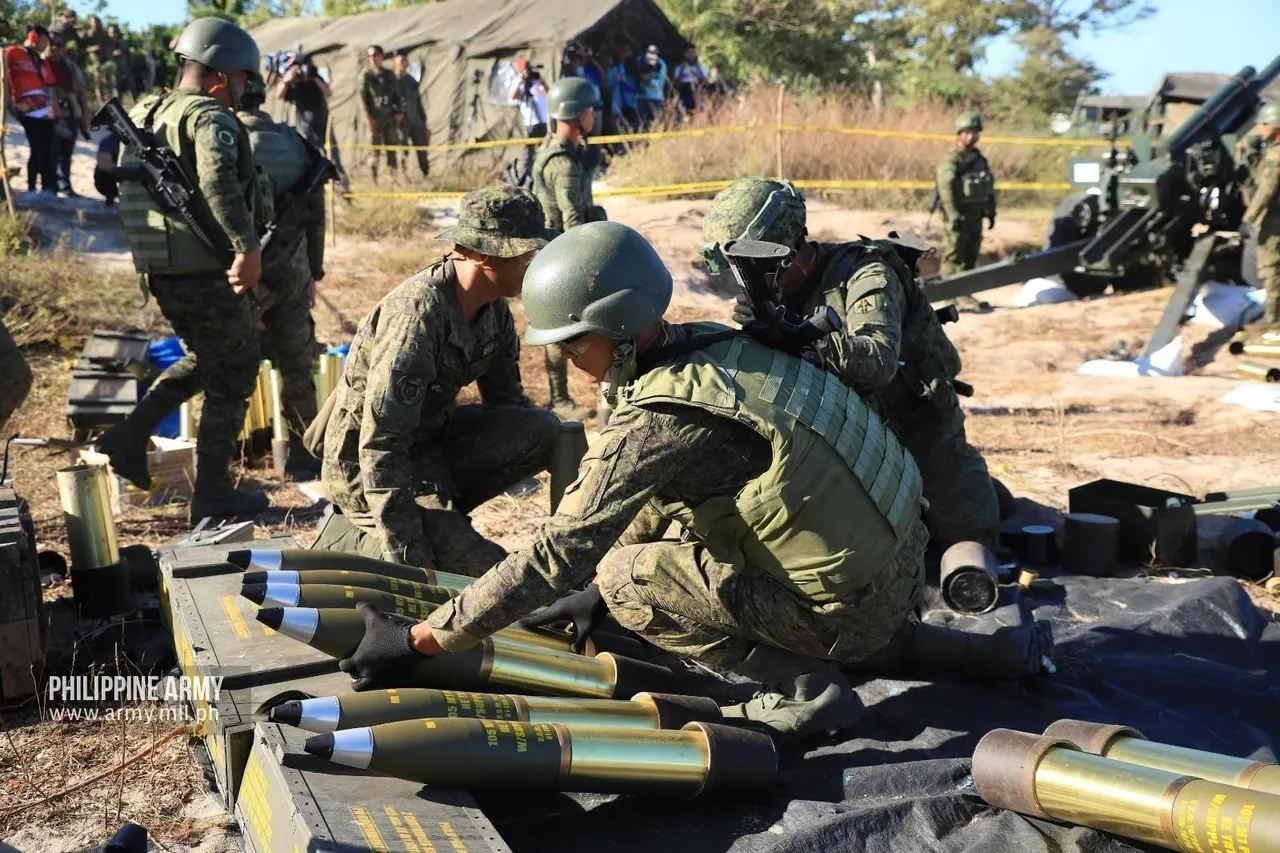
Philippine military to move shore-based anti-ship missiles to Bolinao for its DAGIT-PA joint exercise
An AFP spokesperson says the missiles will back a joint maritime strike drill during the 17 to 27 November exercise across Northern Luzon and two other commands.
TaiwanDefence · 2h ago · 2 min read
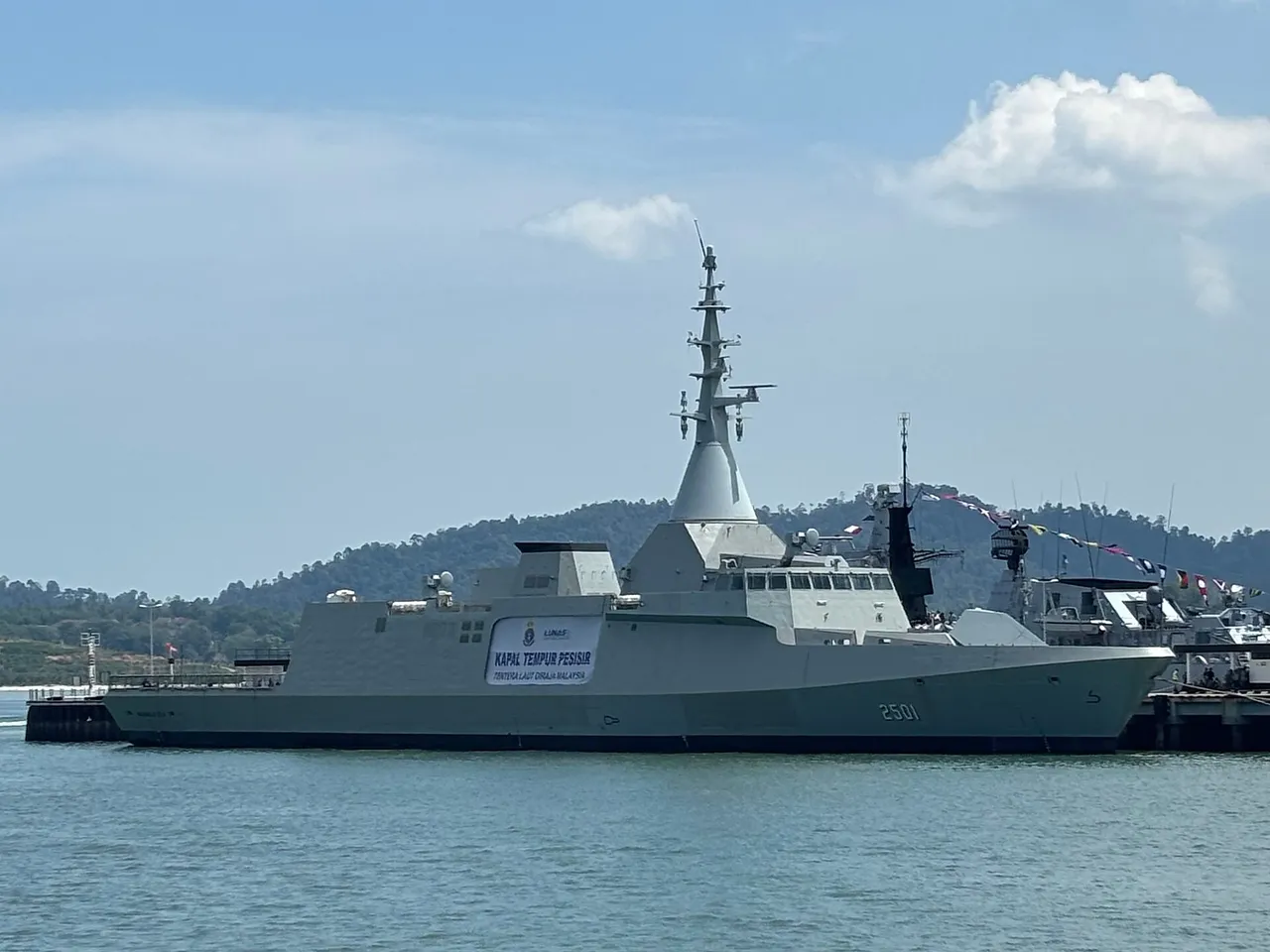
Malaysia picks Turkey's Atmaca missile for its littoral combat ships after Norway blocks the NSM
Defence minister Khaled Nordin says Malaysia will now negotiate only with Turkey, with missiles possibly arriving by 2029 through an existing corvette order.
TaiwanDefence · 3h ago · 3 min read
Discussion (0)
Comments are not currently available.