
Philippine military to move shore-based anti-ship missiles to Bolinao for its DAGIT-PA joint exercise
An AFP spokesperson says the missiles will back a joint maritime strike drill during the 17 to 27 November exercise across Northern Luzon and two other commands.

TAIPEI —
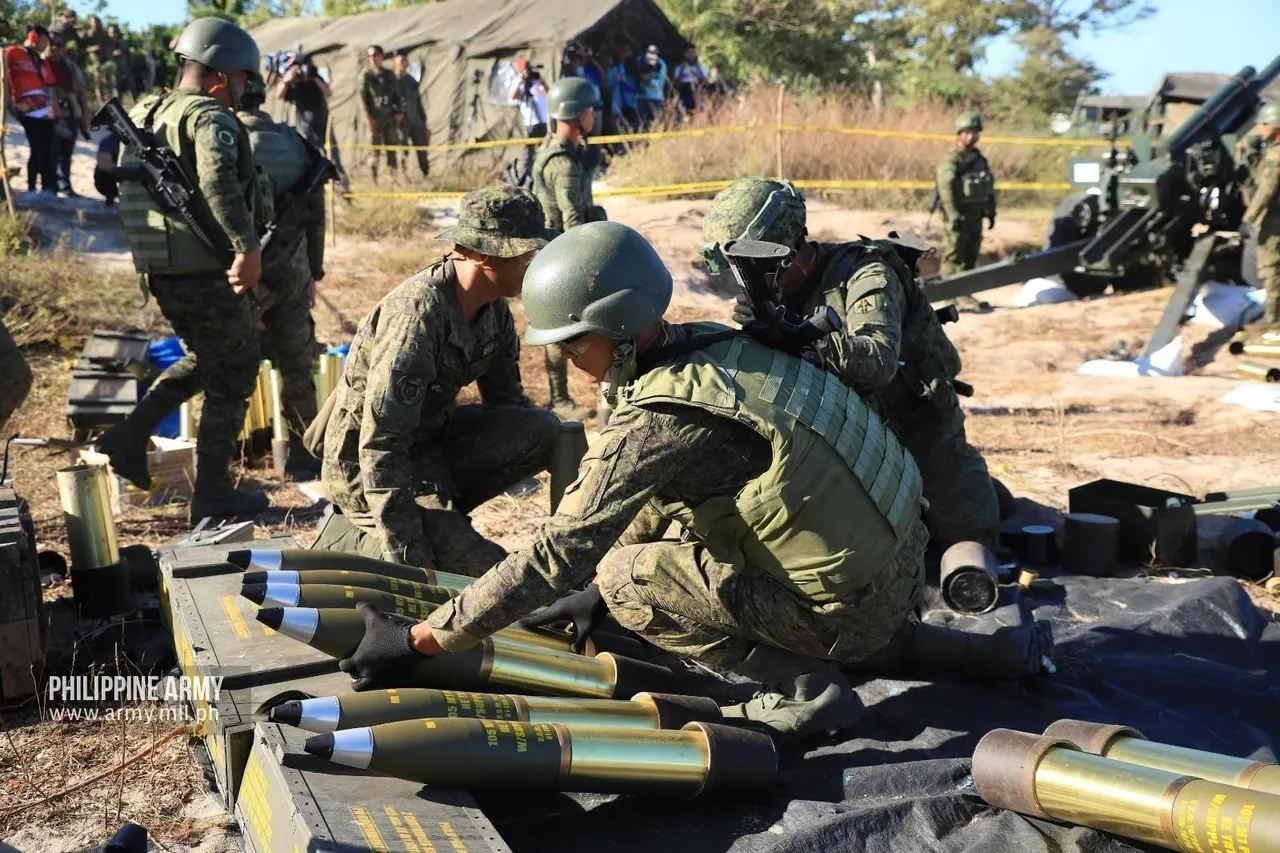
The Armed Forces of the Philippines plans to move shore-based anti-ship missiles to Bolinao in Pangasinan province during the 10th edition of its annual joint exercise, known as DAGIT-PA, according to the state-run Philippine News Agency. The exercise, whose name is short for the Filipino words for sea, air and land, is scheduled to run from 17 to 27 November.
AFP spokesperson Col. Francel Margareth Padilla disclosed the plan on Thursday 12 November in an interview on the government television channel PTV-4. She said the movement of the missile unit to Bolinao would support the joint maritime strike operation that forms part of the exercise, alongside other activities in which the military will deploy its land-based capabilities.
According to the agency, all services of the armed forces will take part, and the drills will be spread across three areas: Northern Luzon, the Western Command and the National Capital Region. Padilla said the exercise is meant to strengthen the military's ability to defend the country's territory and deal with external threats, to improve how the army, navy and air force work together, and to validate the operational concepts the military has adopted.
She said the drills will test how units plan, communicate, coordinate and operate as a single joint force across land, air, sea, cyber and information domains, and will also be used to find areas that need improvement. The programme she outlined includes counter-landing operations, humanitarian assistance and disaster relief drills, command and control work, communications, and measures against cyberattacks.
The agency's report did not name the missile system that will be moved. Janes reported in November 2025 that the Philippine Marine Corps had fielded its first battery of BrahMos shore-based anti-ship missiles, operated by the corps' Coastal Defense Regiment. Footage released by the marines at the time showed two 12-wheel launcher vehicles, each carrying two missile canisters, together with a mobile command post, a maintenance vehicle and a missile replenishment vehicle.
Janes said the battery stemmed from a 2021 notice of award to India's BrahMos Aerospace for three batteries, and that the export missile has a maximum range of 290 kilometres. The publication assessed from the footage that the Philippines had received an export variant of the BrahMos Block I.
Last year's ninth edition of the exercise ran from 4 to 14 November 2025 and was opened at Camp Aguinaldo by the armed forces chief, Gen. Romeo Brawner Jr. He said at the time that the drills validated the military's Comprehensive Archipelagic Defense Concept and its territorial defence plan, and that the president had ordered the armed forces to be able to fight on their own for 20 to 30 days before help from allies could arrive.
That edition was briefly suspended on 9 November 2025 so that troops could respond to Super Typhoon Uwan. At its close, Brawner said the exercise had included cyber defence and information warfare drills and had been used to test newly organised units, among them the AFP Strategic Command. Defence Secretary Gilberto Teodoro said then that future exercises would draw in more government agencies.
The agency did not say whether any of the missiles will be fired during the drills, how many launchers will be moved, or how long the unit will stay at Bolinao once the exercise ends.
Sources
More in Indo-Pacific
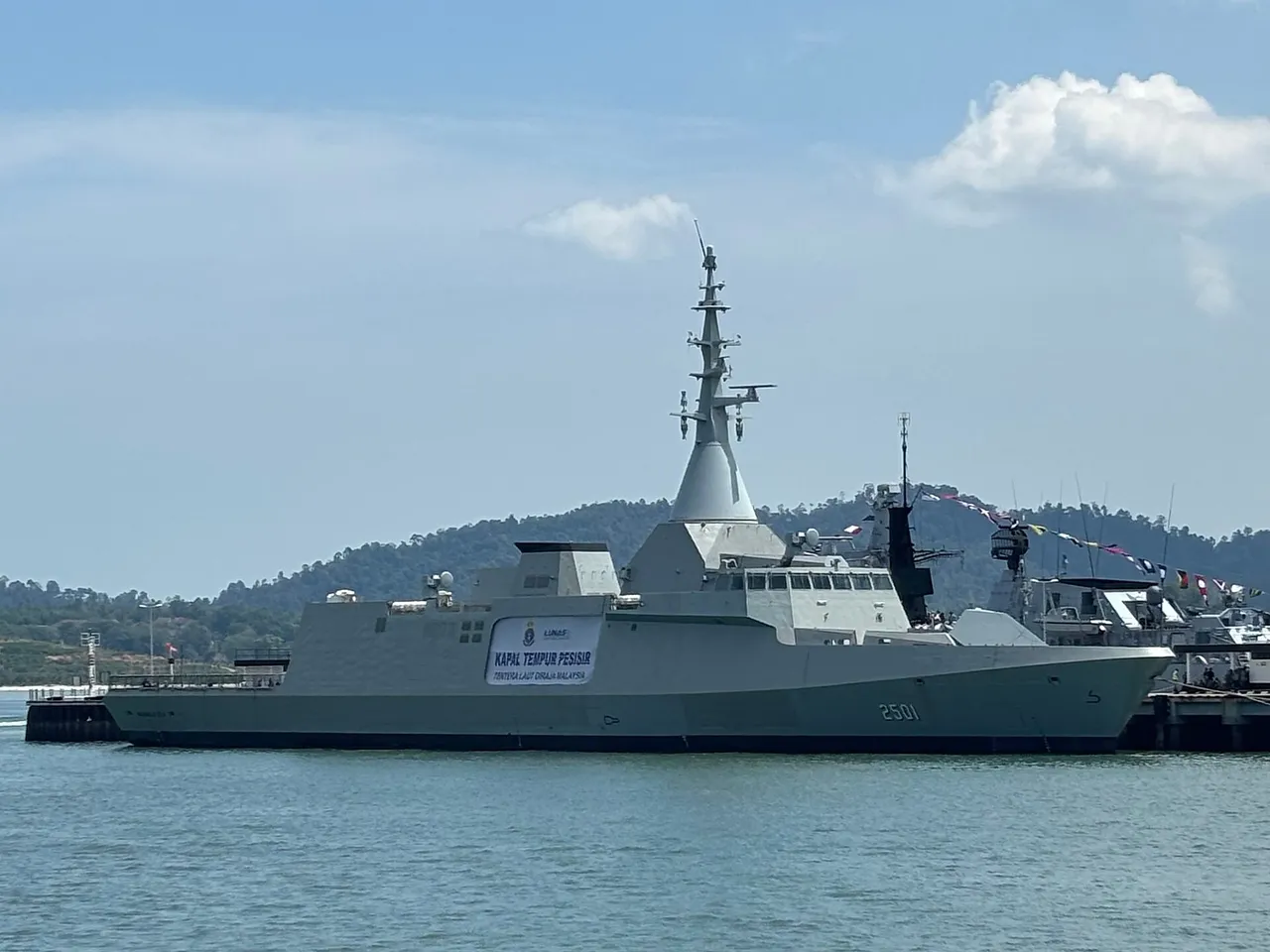
Malaysia picks Turkey's Atmaca missile for its littoral combat ships after Norway blocks the NSM
Defence minister Khaled Nordin says Malaysia will now negotiate only with Turkey, with missiles possibly arriving by 2029 through an existing corvette order.
TaiwanDefence · 1h ago · 3 min read

South Korea's defence minister says the conditions for taking wartime command from the US are met
Kang Shin-chul told lawmakers the handover could happen now, though a leading Seoul daily reports gaps in air defence, counter-fire and surveillance.
TaiwanDefence · 2h ago · 3 min read
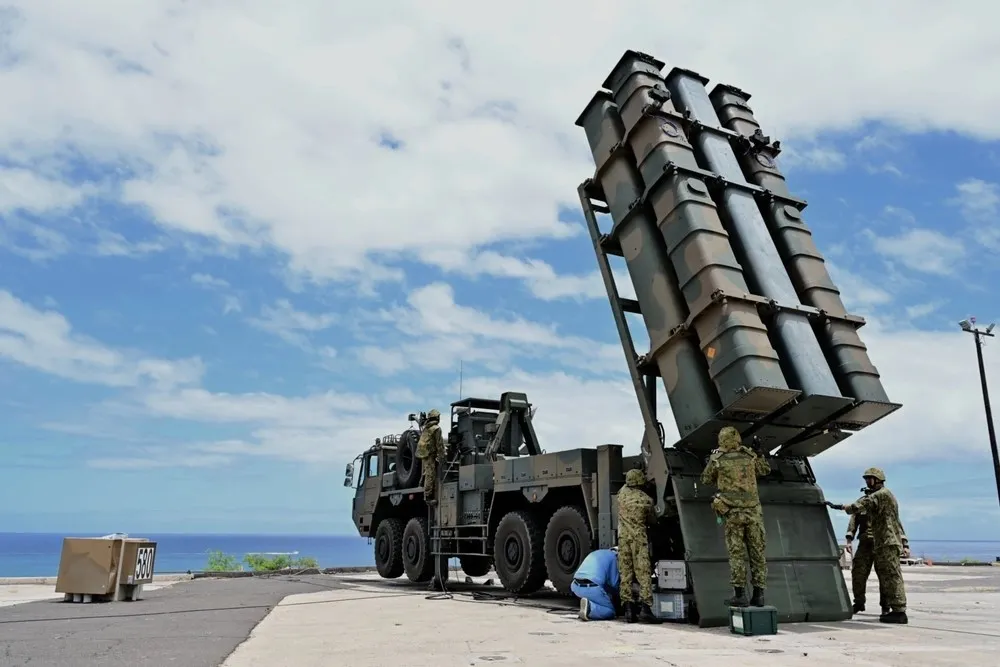
Japan plans to put denial capabilities at the heart of its revised defence strategy
Officials briefed ruling-party lawmakers on longer-range missiles, drone swarms and state-owned arms plants, as the coalition also opens a debate on nuclear submarines.
TaiwanDefence · 3h ago · 3 min read
Discussion (0)
Comments are not currently available.