
Japan plans to put denial capabilities at the heart of its revised defence strategy
Officials briefed ruling-party lawmakers on longer-range missiles, drone swarms and state-owned arms plants, as the coalition also opens a debate on nuclear submarines.

TAIPEI —
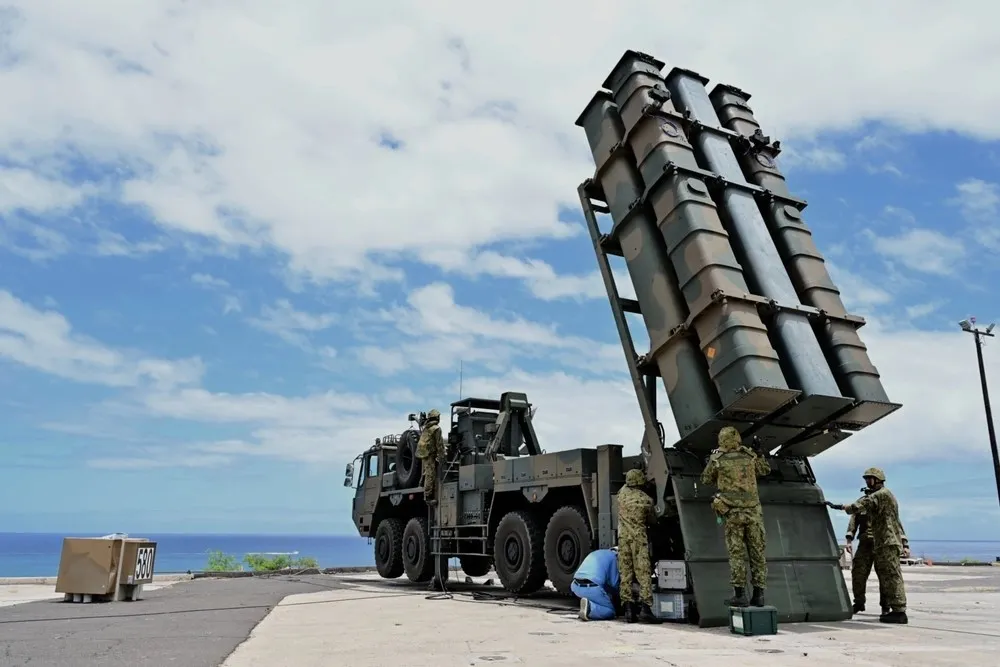
Japan's government intends to state plainly in its revised security documents that it will strengthen denial capabilities, which the Defence Ministry defines as the ability to stop an adversary from achieving its objectives and so deter an invasion of Japan. Officials set out the plan on Wednesday 11 November at a joint meeting of the ruling Liberal Democratic Party's National Defense Division and its Research Commission on Security, held at the party's headquarters in Tokyo.
The three documents in question are the National Security Strategy, the National Defense Strategy and the Defense Buildup Program. They were last revised in 2022 and are due to be updated by the end of this year under Prime Minister Sanae Takaichi. The LDP and its coalition partner, the Japan Innovation Party, opened working-level talks on the papers on Tuesday 10 November.
According to the plan presented to lawmakers, the government will treat stronger denial capabilities as a guiding principle for building up the Self-Defense Forces, with the aim of convincing any attacker that an invasion would cost it heavily. The concrete steps include more standoff defence, meaning longer-range missiles that can hit targets from beyond an enemy's reach, and what the ministry calls unmanned asset defence, in which large numbers of drones would be used to attack hostile ships.
The ministry also wants better intelligence gathering, warning and surveillance from satellites and drones so that forces can react quickly to incursions. Artificial intelligence would be used to sift the large volumes of data those sensors collect and speed up decisions. The revised papers are expected to address new forms of warfare built around drones and artificial intelligence.
On the industrial side, the government plans a model in which some defence production facilities would be owned by the state but run by private companies. It would also give firms financial support to build lines that can rapidly raise output of equipment such as ammunition and drones in an emergency, and it would look to buy equipment from allies and like-minded countries to prepare for a contingency. Kyodo, citing government sources, reported that the guidelines for the National Defense Strategy will commit Japan to strengthening its denial capabilities in coordination with the United States and will call for wider Japan-US cooperation on the defence industrial base and closer security ties with like-minded partners.
The same sources told Kyodo that the National Security Strategy, the highest-ranking of the three papers, is likely to describe the world as entering a period of fundamental transformation and to list six changes in the security environment, among them the use of economic interdependence as a weapon. The government is also weighing ways to ease serious staffing shortages in the Self-Defense Forces, including raising the retirement age and reviewing pay.
A more contentious debate is also opening. At a meeting of the LDP security commission on 11 November, some members called for Japan to consider acquiring nuclear-powered submarines and to examine nuclear sharing, an arrangement under which the United States would station nuclear weapons in Japan for joint use, according to the commission's secretary general, Taro Honda. The coalition partners plan to discuss nuclear-powered submarines, Japan's three non-nuclear principles and the size of the defence budget, taking into account a report from a government panel that is expected in early December.
Both ideas face legal and political hurdles. Japan's atomic energy law restricts nuclear power to peaceful purposes, and previous governments have held that it cannot be used to propel submarines operated by the Self-Defense Forces. The three non-nuclear principles bar Japan from possessing, producing or bringing in nuclear weapons. Kyodo noted that the review is taking place against the backdrop of China's growing assertiveness, Russia's war in Ukraine and North Korea's nuclear and missile programmes.
Sources
More in Indo-Pacific
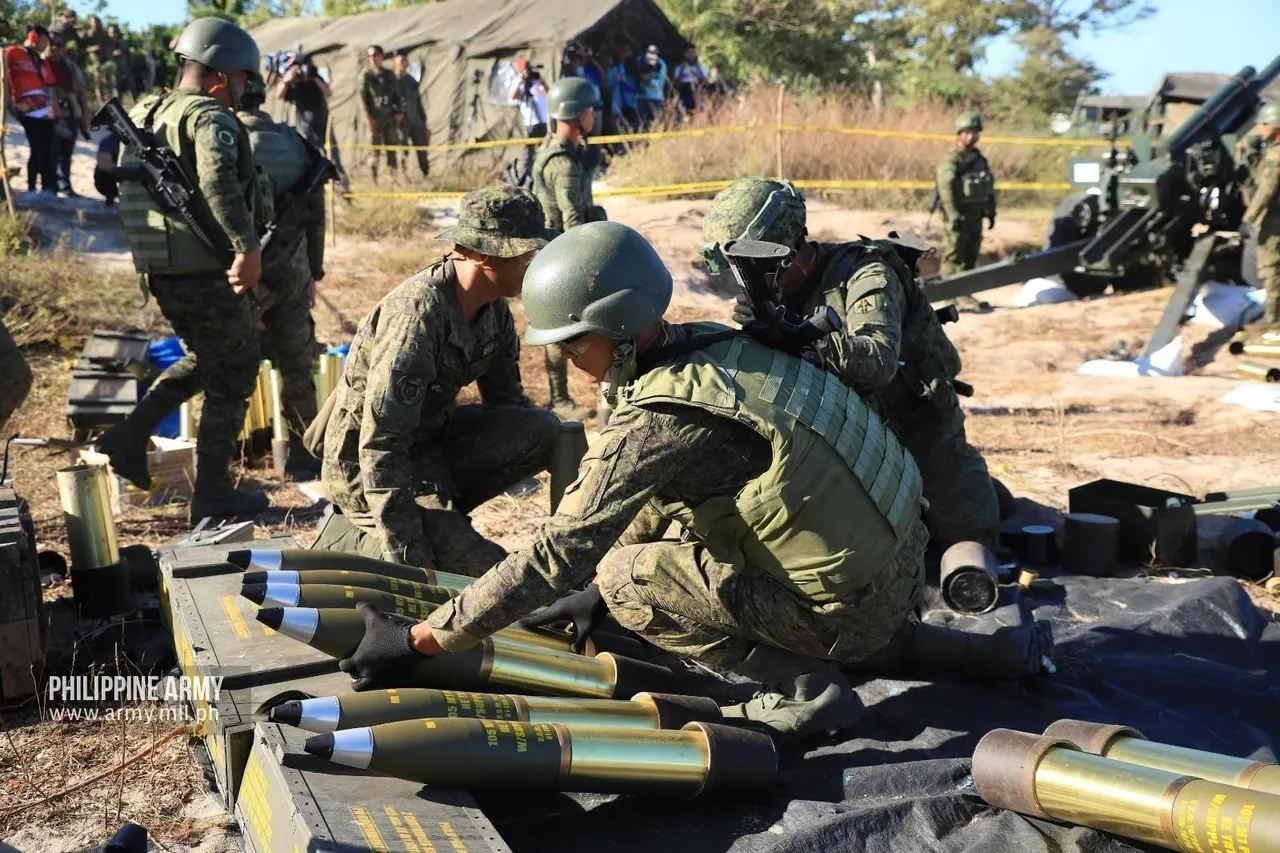
Philippine military to move shore-based anti-ship missiles to Bolinao for its DAGIT-PA joint exercise
An AFP spokesperson says the missiles will back a joint maritime strike drill during the 17 to 27 November exercise across Northern Luzon and two other commands.
TaiwanDefence · 28m ago · 2 min read
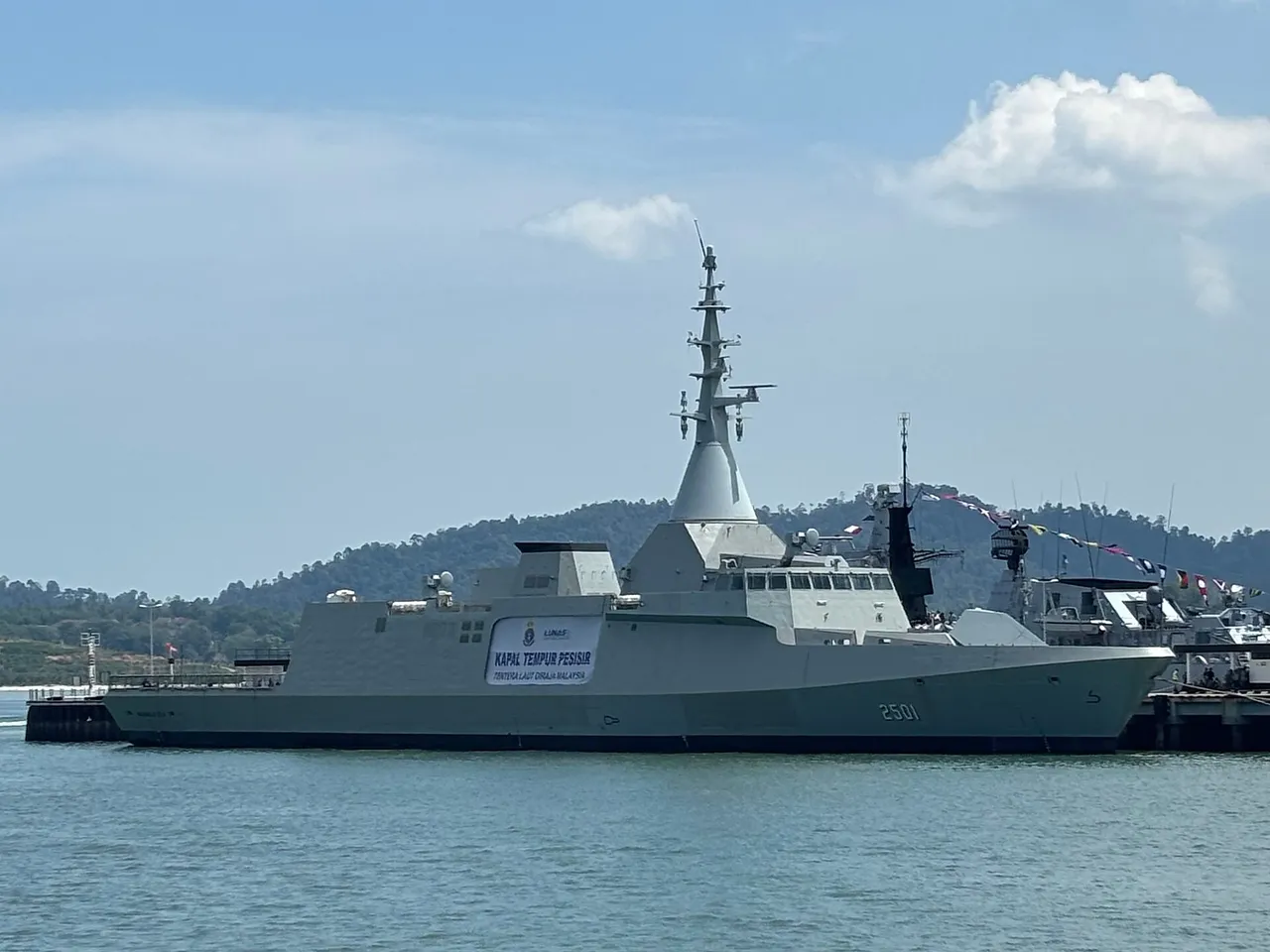
Malaysia picks Turkey's Atmaca missile for its littoral combat ships after Norway blocks the NSM
Defence minister Khaled Nordin says Malaysia will now negotiate only with Turkey, with missiles possibly arriving by 2029 through an existing corvette order.
TaiwanDefence · 1h ago · 3 min read

South Korea's defence minister says the conditions for taking wartime command from the US are met
Kang Shin-chul told lawmakers the handover could happen now, though a leading Seoul daily reports gaps in air defence, counter-fire and surveillance.
TaiwanDefence · 2h ago · 3 min read
Discussion (0)
Comments are not currently available.