
South Korea's defence minister says the conditions for taking wartime command from the US are met
Kang Shin-chul told lawmakers the handover could happen now, though a leading Seoul daily reports gaps in air defence, counter-fire and surveillance.

TAIPEI —
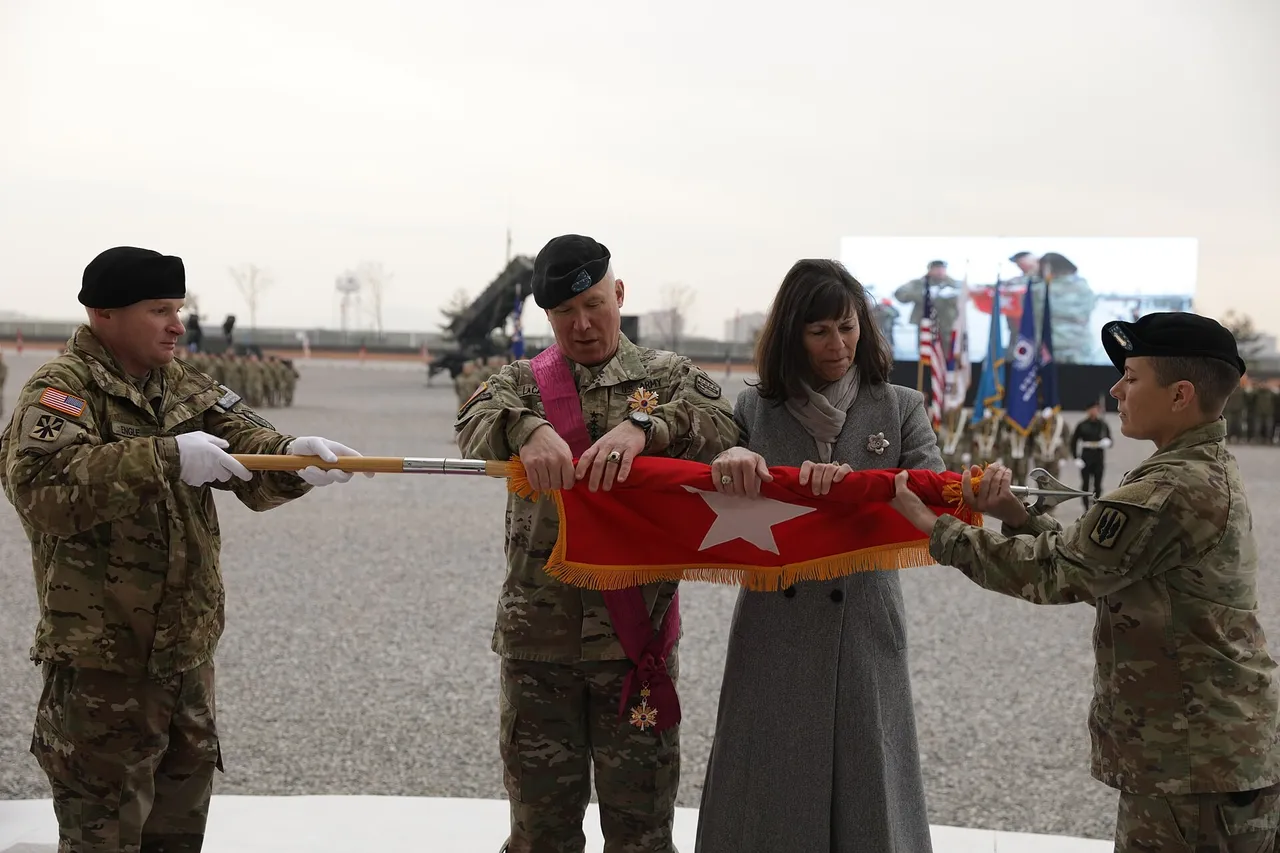
South Korea's defence minister, Kang Shin-chul, said on Thursday 12 November that all three conditions agreed with the United States for handing wartime operational control of South Korean forces back to Seoul have been met, and that the transfer could take place immediately. He made the remarks in the National Assembly's budget committee, answering a question from Bae Joon-young, a lawmaker from the opposition People Power Party.
The three conditions are the military capabilities South Korea needs to lead the combined defence of the peninsula, the alliance's overall ability to respond to North Korea's nuclear and missile threats, and a security environment on the Korean Peninsula and in the wider region that suits a stable transition.
Kang qualified his answer on timing. He said that although the handover was possible right away, the military conditions are still being assessed, and the transfer should go ahead once that assessment confirms they are met. Yonhap reported that he also said the two allies need to coordinate more closely because there are several military evaluation criteria.
Asked whether taking back operational control would cause any problem in winning a war, Kang said it would not. He argued that a system in which South Korean commanders who know the country lead operations, with support from the US military, would be more efficient in combat.
The Chosun Ilbo, one of the country's largest newspapers, challenged that assessment. Citing people familiar with the matter, it reported that South Korea has not yet reached the agreed levels in air defence against North Korean missiles, counter-fire capability to neutralise North Korea's long-range artillery, and wartime special operations, and that its surveillance and reconnaissance capability is also seriously lacking.
The paper also said the minister's answer differed from his earlier position. On 14 October, Kang said the allies were still discussing the conditions and acknowledged differences in perspective with Washington. The newspaper added that Kang Geon-jak, first deputy director of the presidential National Security Office, said in a radio interview on 3 November that an agreement could go beyond the conditions alone, which was read as a sign that the military conditions had not yet been fulfilled. A military source quoted by the paper said the presidential office and the defence ministry were sending mixed signals, and questioned why the annual Security Consultative Meeting between the two defence chiefs had been pushed into next year if the conditions were already satisfied.
The allies dropped a fixed transfer date in 2014 and moved to a conditions-based approach, under which the future Combined Forces Command would be led by a South Korean four-star general with an American deputy. In an essay published on 12 November, David Helvey, a former senior US defence official, and Kangkyu Lee of the Institute for Security and Technology wrote that during this year's Ulchi Freedom Shield exercise in August the American four-star kept command throughout the two-day assessment.
They also wrote that the Security Consultative Meeting, normally held in the autumn, has slipped to early 2027, with the two defence ministers due to meet in Washington in December, and that the allied command and control network the future headquarters will rely on is being rebuilt in a programme expected to run until at least 2029. Kang's statement means the question of whether the conditions are met is likely to be central when the two ministers next meet.
Sources
More in Indo-Pacific
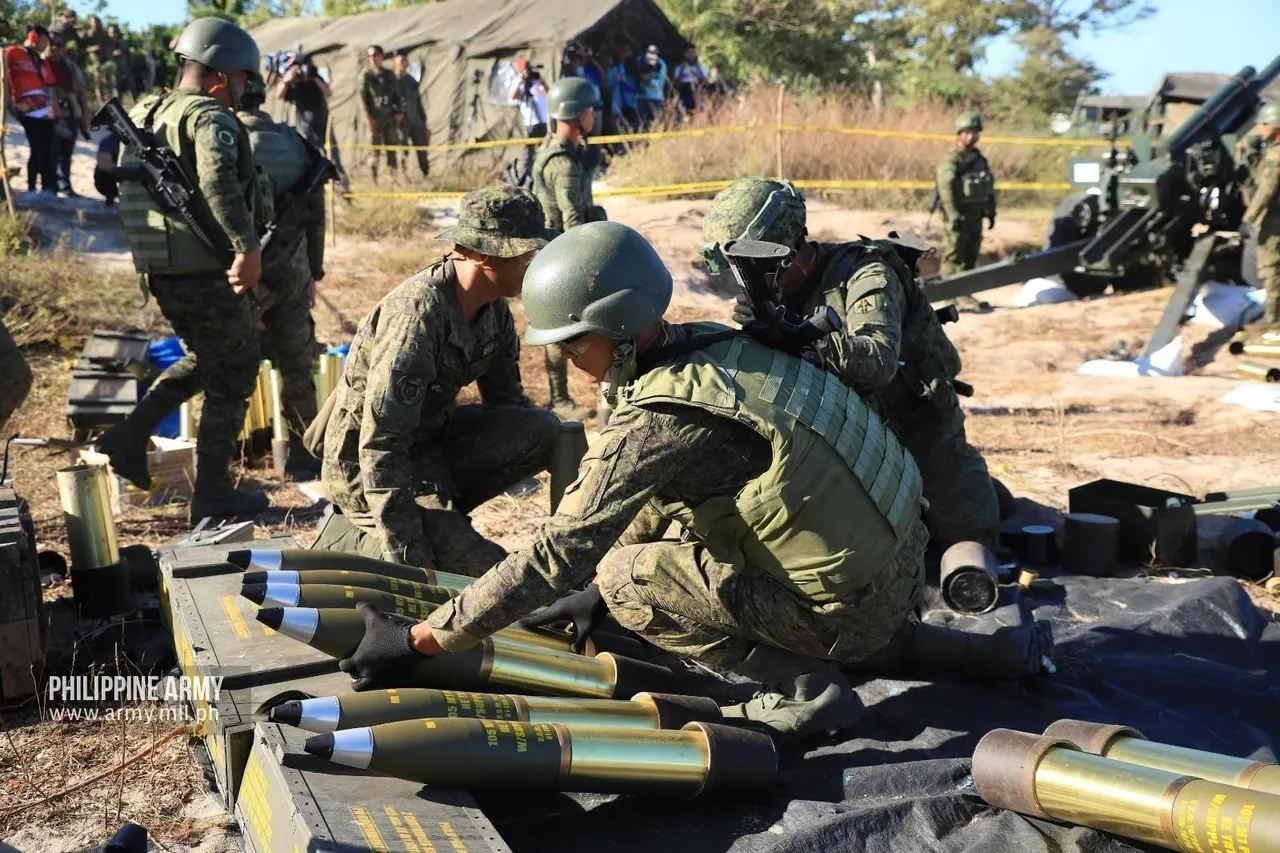
Philippine military to move shore-based anti-ship missiles to Bolinao for its DAGIT-PA joint exercise
An AFP spokesperson says the missiles will back a joint maritime strike drill during the 17 to 27 November exercise across Northern Luzon and two other commands.
TaiwanDefence · 28m ago · 2 min read
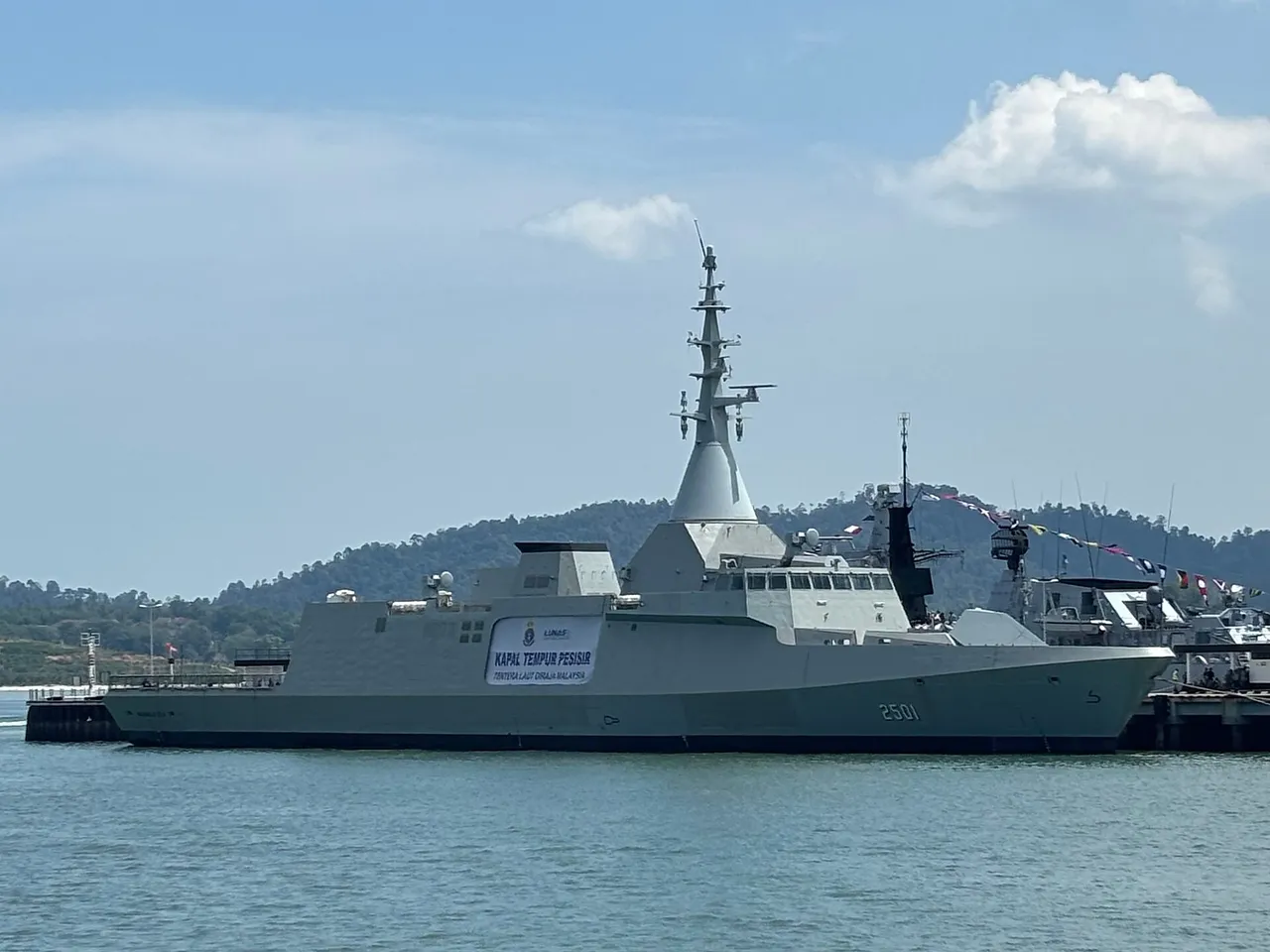
Malaysia picks Turkey's Atmaca missile for its littoral combat ships after Norway blocks the NSM
Defence minister Khaled Nordin says Malaysia will now negotiate only with Turkey, with missiles possibly arriving by 2029 through an existing corvette order.
TaiwanDefence · 1h ago · 3 min read
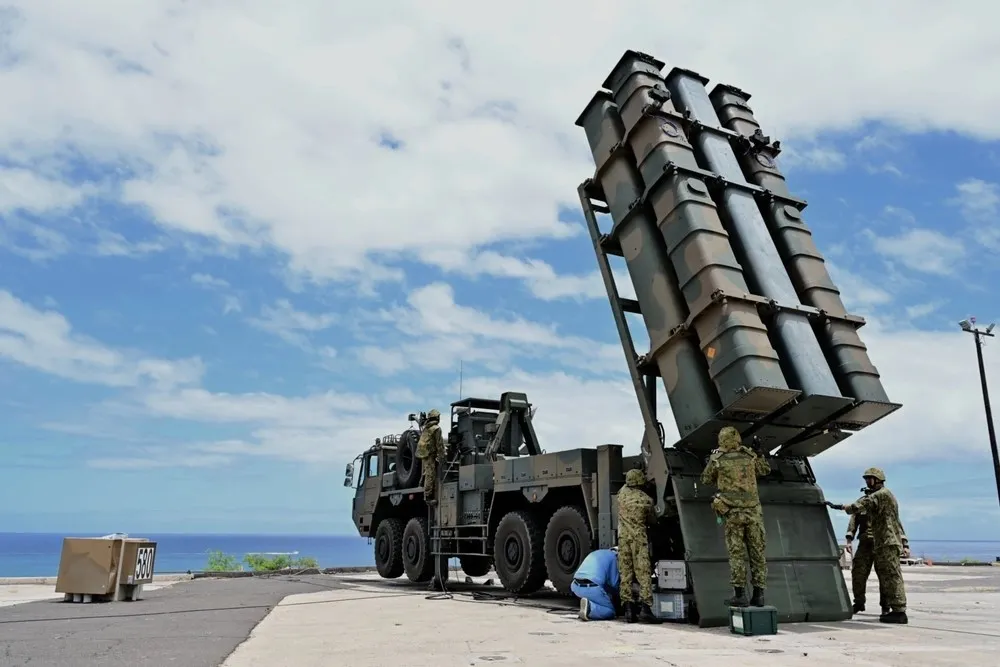
Japan plans to put denial capabilities at the heart of its revised defence strategy
Officials briefed ruling-party lawmakers on longer-range missiles, drone swarms and state-owned arms plants, as the coalition also opens a debate on nuclear submarines.
TaiwanDefence · 3h ago · 3 min read
Discussion (0)
Comments are not currently available.