
US Army soldiers put robot supply vehicles through jungle and jamming lanes in Hawaii
Six firms are competing in a US Army Pacific trial of uncrewed ground vehicles for resupply and casualty evacuation on Oahu, with winners due on 13 November.

TAIPEI —
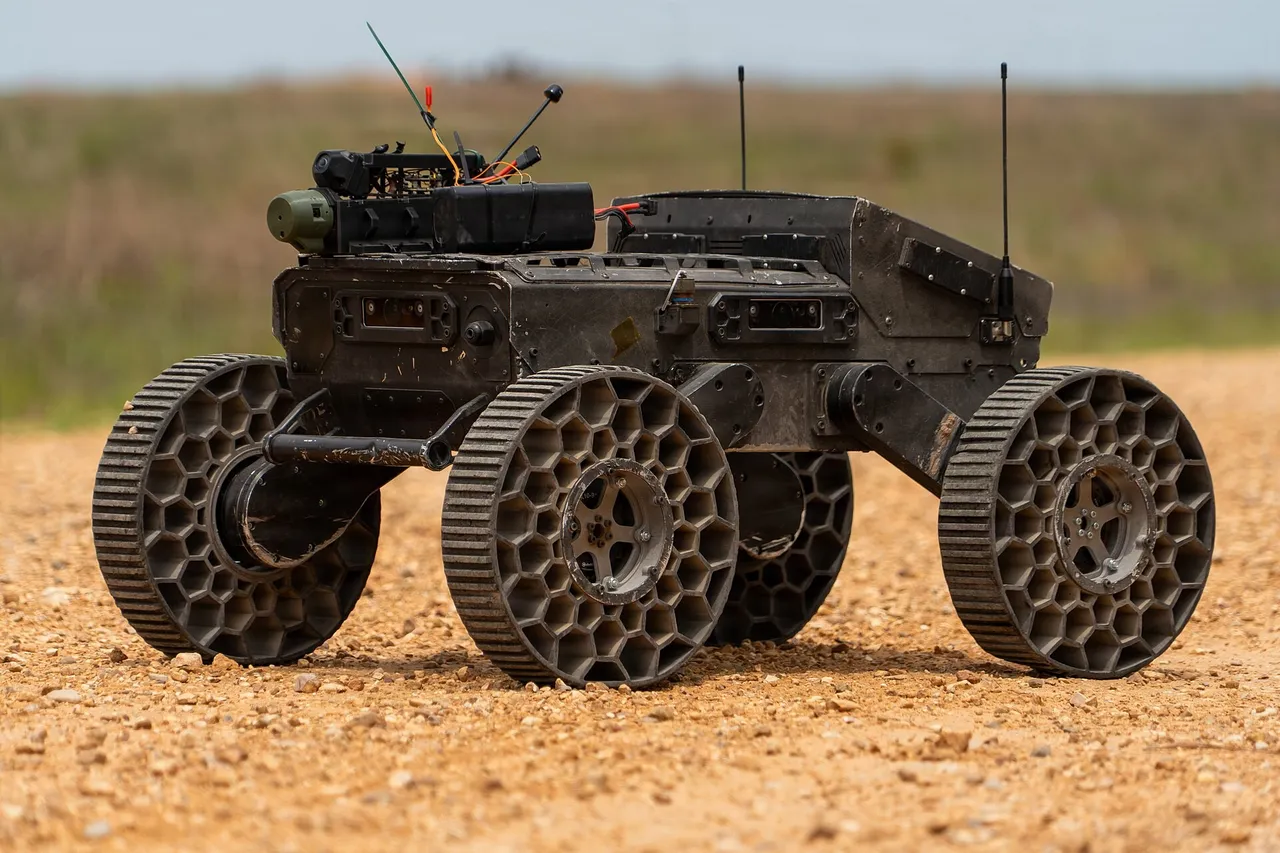
US Army soldiers in Hawaii have spent this week testing uncrewed ground vehicles that could carry supplies, ammunition and wounded troops through jungle terrain, in a competition run with US Army Pacific at Marine Corps Training Area Bellows on the eastern side of Oahu. Stars and Stripes reported on 11 November that six companies are competing for cash prizes and possible Army contracts.
The trial is overseen by the Global Tactical Edge Acquisition Directorate, the part of the Army's Pathway for Innovation and Technology programme that is meant to put new equipment into soldiers' hands quickly, through what it calls an accelerated capability event. Col. Chris Hill, who leads the directorate, told the newspaper that US Army Pacific had set the priorities: resupply, moving weapons and ammunition around the battlefield, and evacuating casualties from the front. He said it was the first such event held with US Army Pacific and that more are planned every quarter.
The vehicles are being driven along paths cut through jungle, swamp and mud, and judged on endurance, ease of use, how well they adapt to different tasks and how vulnerable they are to electronic warfare, the paper said. Army Recognition, drawing on Army photo releases, reported that soldiers of the 25th Division Sustainment Brigade operated an autonomous vehicle at Bellows on 8 November, and that the lanes include casualty evacuation, a 4,700-metre contested resupply course and sections where GPS is denied and signals are jammed.
A specialist from the 25th Infantry Division's 3rd Mobile Brigade told Stars and Stripes that he learned to run Stridar's battery-powered Siderunner Pro in about half an hour. A Stridar engineer said the vehicle can carry up to 500 pounds off-road, runs for about 15 hours on a charge, has been used in Ukraine and costs 45,000 dollars with its software and control computer.
Other entrants range widely in size. BlueSky Innovations of North Carolina brought jEKYLL, a tracked electric vehicle only 31 inches wide that the company says can carry almost 2,000 pounds and tow up to 22,000 pounds at up to 10 miles per hour. Detroit-based Dataspeed offered the petrol-powered Tweedle, which it says carries 500 pounds, tows another 1,300, reaches 60 miles per hour and has a range of about 125 miles, at roughly 30,000 dollars for the fully autonomous version.
The Defence Blog reported earlier, also citing an Army photo release, that soldiers drove small FireAnt vehicles made by Swarmbotics AI through a long-distance movement test on 8 November. The FireAnt is designed to work in groups, with one operator controlling several machines.
The Army's own announcement on 3 November said vendors would train soldiers from 4 November, after which soldiers would take full control of the systems for tactical lane evaluations from 7 to 9 November. Companies were scheduled to pitch to Army and Department of War specialists on 12 November, and the event is due to end on 13 November with a day for senior visitors, after which up to five winners are to be named. Stars and Stripes also said the winners would be announced on Friday.
Under the rules on the Army's xTech competition page, finalists received 25,000 dollars on selection and a further 25,000 dollars once their systems were successfully integrated into the exercise. Up to five final winners are to receive 150,000 dollars each, and the announcement said they could also receive prototype agreements worth up to 2 million dollars each. The page says any follow-on agreement depends on available funds and is at the government's discretion.
The Army says winners are expected to refine their designs within 45 days using soldier feedback before formal operational assessments, in which evaluators from Army Test and Evaluation Command will gather performance data to guide wider procurement decisions. It describes keeping small, dispersed units supplied across island chains, where traditional crewed logistics would be exposed in contested waters, as a defining problem in the Indo-Pacific.
Army Recognition noted that the published material does not show how many vehicles the Army intends to buy or which makers will receive orders, decisions that will follow the results of the trial.
Sources
More in Indo-Pacific
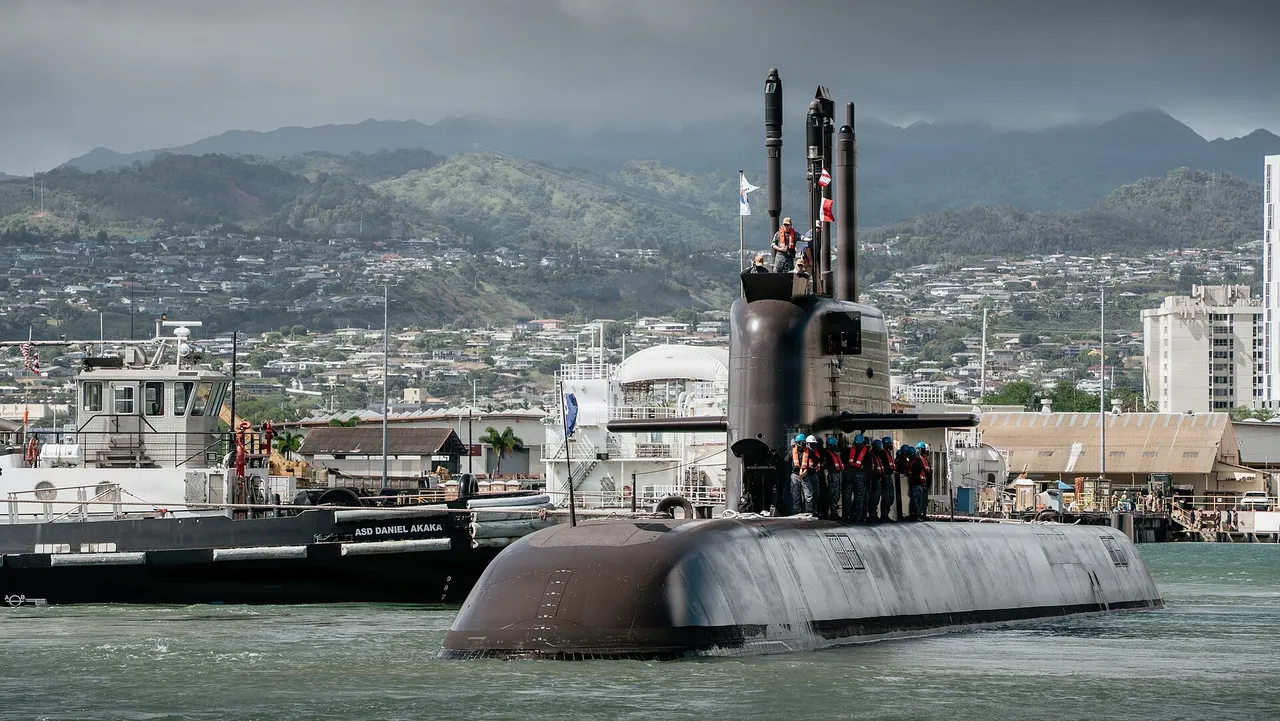
North Korea threatens action over nuclear submarine plans in South Korea, Japan and Australia
A senior party official said Pyongyang will answer a US-led naval build-up with shows of force, naming Seoul's Jangbogo-N and the AUKUS submarine plans.
TaiwanDefence · 6m ago · 2 min read
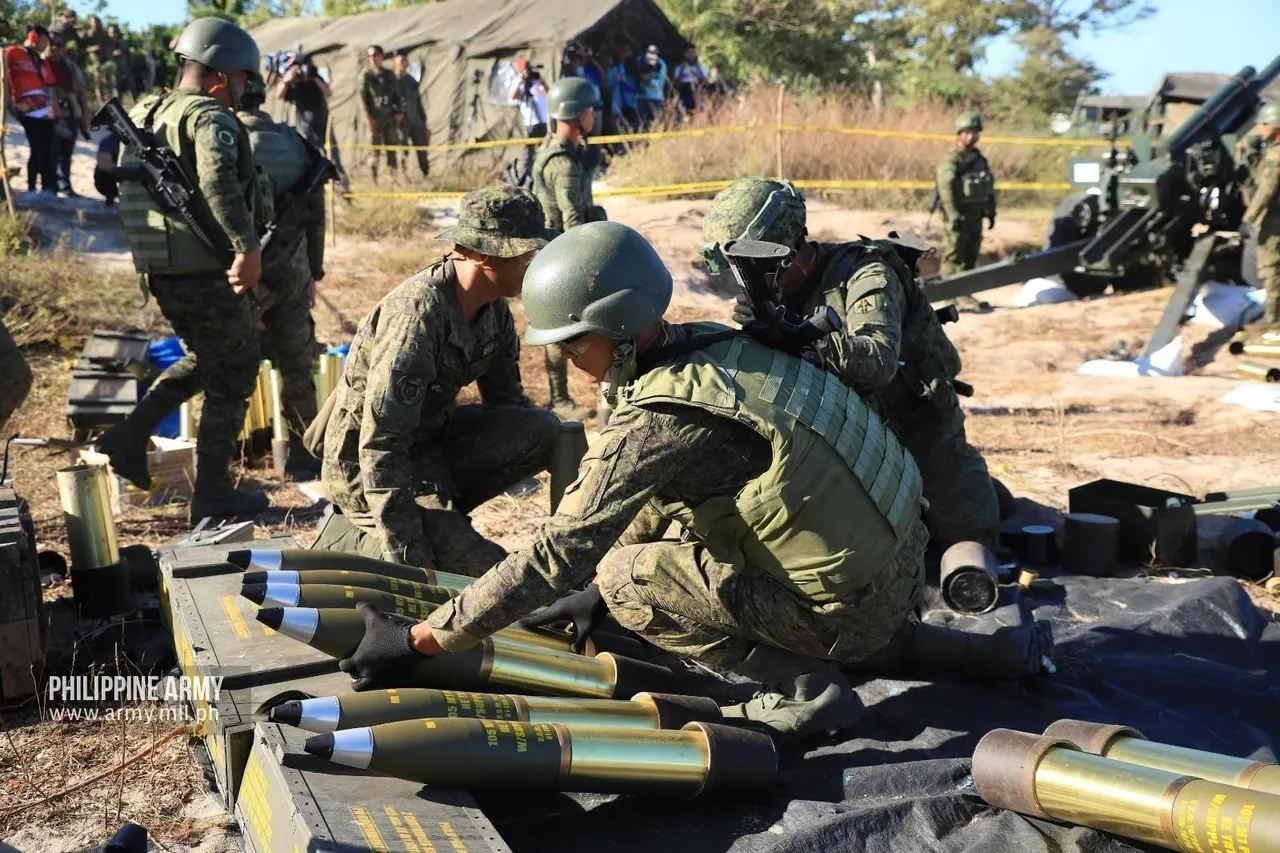
Philippine military to move shore-based anti-ship missiles to Bolinao for its DAGIT-PA joint exercise
An AFP spokesperson says the missiles will back a joint maritime strike drill during the 17 to 27 November exercise across Northern Luzon and two other commands.
TaiwanDefence · 2h ago · 2 min read
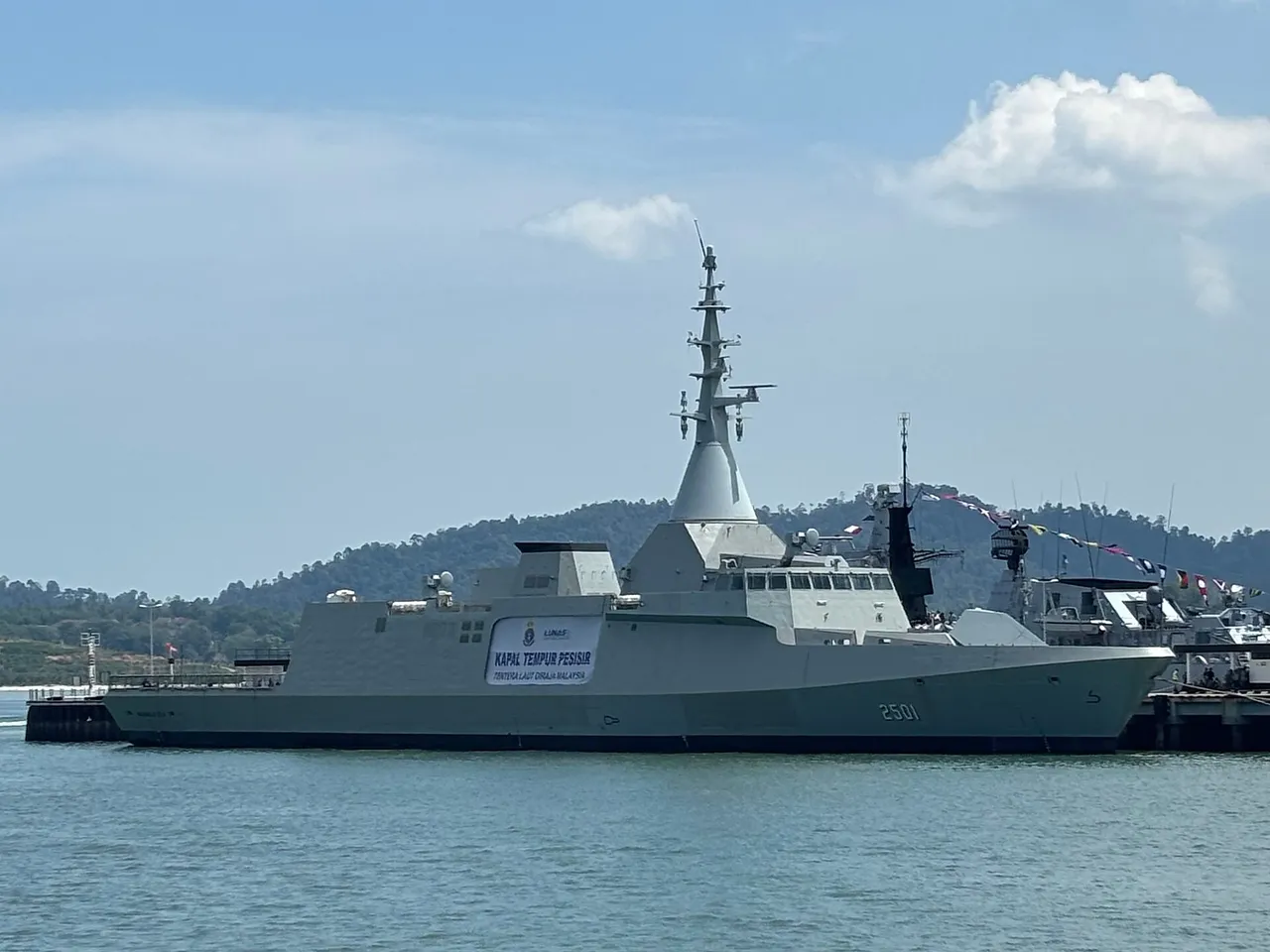
Malaysia picks Turkey's Atmaca missile for its littoral combat ships after Norway blocks the NSM
Defence minister Khaled Nordin says Malaysia will now negotiate only with Turkey, with missiles possibly arriving by 2029 through an existing corvette order.
TaiwanDefence · 3h ago · 3 min read
Discussion (0)
Comments are not currently available.