
ANALYSIS
Why North Korea's conventional arms rush, tallied on 11 November 2026, strains Seoul's playbook
A count published on 11 November 2026 found 15 North Korean conventional weapon reveals in about two months, as G7 ministers condemned Moscow's help.

TAIPEI —
This article is an original Taiwan Defence analysis based on the cited public sources. It distinguishes reported facts from analytical judgments and does not represent original field reporting.
The argument
On 11 November 2026 the Korea JoongAng Daily published a tally showing that North Korea had used its state media to unveil conventional weapons 15 times between early September and early November, or roughly once every four days. The count, which left out short-range ballistic missiles fired near Wonsan on 29 October that state media did not report, ran from attack drones and self-propelled guns to submarine-launched cruise missiles and a large warship hull at the Nampho shipyard.
The pace matters more than any single weapon. Pyongyang appears to be rebuilding forces it could use below the nuclear threshold, and Russian assistance is likely to shorten that effort. Together they weaken a long-standing South Korean assumption that superior conventional forces can offset the North's nuclear arsenal, and they push the burden of response toward detection, anti-submarine warfare and unmanned systems.
What Pyongyang is showing
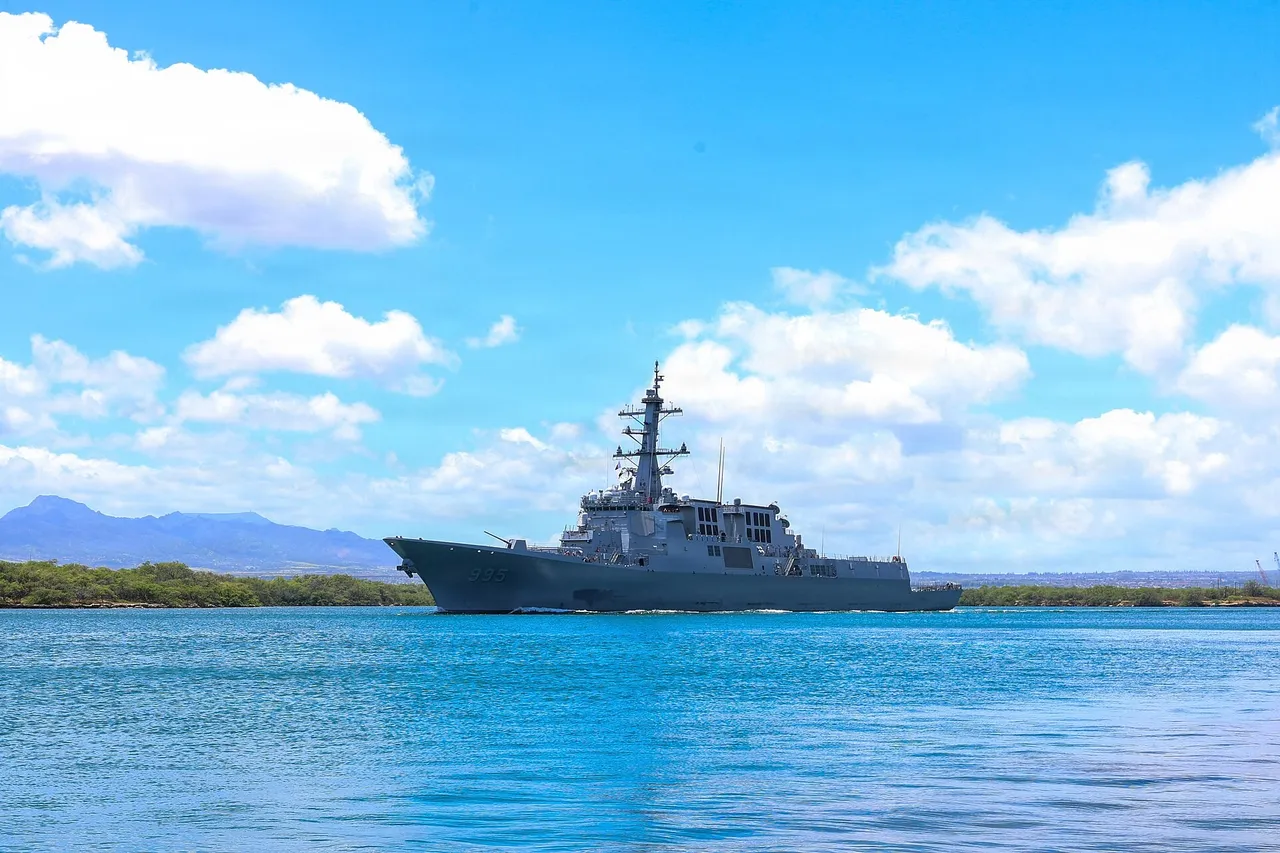
North Korean state media reported that leader Kim Jong Un inspected a new warship under construction at Nampho on 2 November. Shin Jong-woo of the Korea Defense Security Forum told the JoongAng Daily he estimated the ship to be a 10,000-ton cruiser, which would make it bigger than South Korea's largest combat ships, the 8,200-ton Jeongjo the Great-class destroyers. The North commissioned its second 5,000-ton Choe Hyon-class destroyer, the Kang Kon, on 6 September.
Underwater weapons are a second strand. North Korean state media claimed on 10 November that the Academy of Defence Sciences and other bodies had verified the combat effectiveness of a new high-speed torpedo system the previous day. The same reports claimed that the navy would receive the weapon from early 2027. Neither claim has been independently confirmed. South Korea's Joint Chiefs of Staff said it was closely monitoring the North's weapons development and maintaining readiness, Financial News reported.
Yoo Ji-hoon of the Korea Institute for Defense Analyses told the paper that faster and more precise torpedoes are meant to make up for the North's weaker navy and to constrain South Korean naval operations. He warned that fitting them to both submarines and surface ships could make the underwater threat far wider and more complex. The paper also noted that the North's description of the weapon is technically hard to reconcile and could be exaggerated.
The Russia factor
The JoongAng Daily cited a Ukrainian military intelligence official, speaking to Kyodo News in June, as saying the impact error of the KN-24 short-range ballistic missile supplied to Russia had narrowed from more than one kilometre in 2024 to between one and five metres by April, which the official attributed to Russian upgrades based on battlefield data. The paper also recalled that South Korea's National Intelligence Service told lawmakers last year that the North had obtained Russian technology for air-defence missiles, space launch engines, drones and missile guidance.
Western governments now treat that link as an Asian security problem as well as a European one. In a joint declaration published on 11 November after their meeting in Paris on 9 and 10 November, G7 foreign ministers condemned North Korea's military assistance to Russia and said closer cooperation between the two has serious consequences for European and Indo-Pacific security. They urged Pyongyang to stop all assistance and withdraw its troops, Yonhap reported.
Evidence and constraints
Much of the evidence is North Korea's own publicity, selected to impress. Photographs of a lower hull reveal nothing about a ship's sensors or weapons, and a test announced by state media does not prove a torpedo is ready for service. Displays may also serve as sales pitches: the JoongAng Daily noted that the North invites foreign guests to its weapons exhibitions, and pointed to a 2023 Royal United Services Institute report on the regime's continuing need for hard currency.
Even so, the direction matches Kim's stated policy. According to the JoongAng Daily, he said in September 2025 that the ruling party's Ninth Congress would set out a policy of building nuclear and conventional forces at the same time. Jeon Kyung-joo, a research fellow at the Asan Institute for Policy Studies, told the paper that the North had concluded that nuclear weapons alone cannot win a war.
What could change
The real test for Seoul is less whether the North can match South Korean hulls than whether it can threaten the weapons behind the South's three-axis defence plan, which combines pre-emptive strike, missile defence and retaliation. The JoongAng Daily argued that Pyongyang sees conventional strikes on those systems as cheaper and more efficient than nuclear use. Former army vice chief of staff Jeong Yeon-bong told the paper the South must widen its technology lead with AI-enabled unmanned systems while also keeping numbers, and KIDA's Yoo called for stronger detection and response against underwater threats.
Why it matters
For South Korea, the risk is a slow shift in the cost of defence from deterrent statements toward ships, sensors and interceptors. For Taiwan and other Indo-Pacific militaries, the Korean case shows how a nuclear-armed neighbour can raise military pressure with conventional forces without crossing the nuclear line, and how quickly a wartime partnership can pass combat lessons from one front to another. The G7 language suggests allies see that risk, but it does not yet amount to a way of slowing it.
Sources
More in Analysis
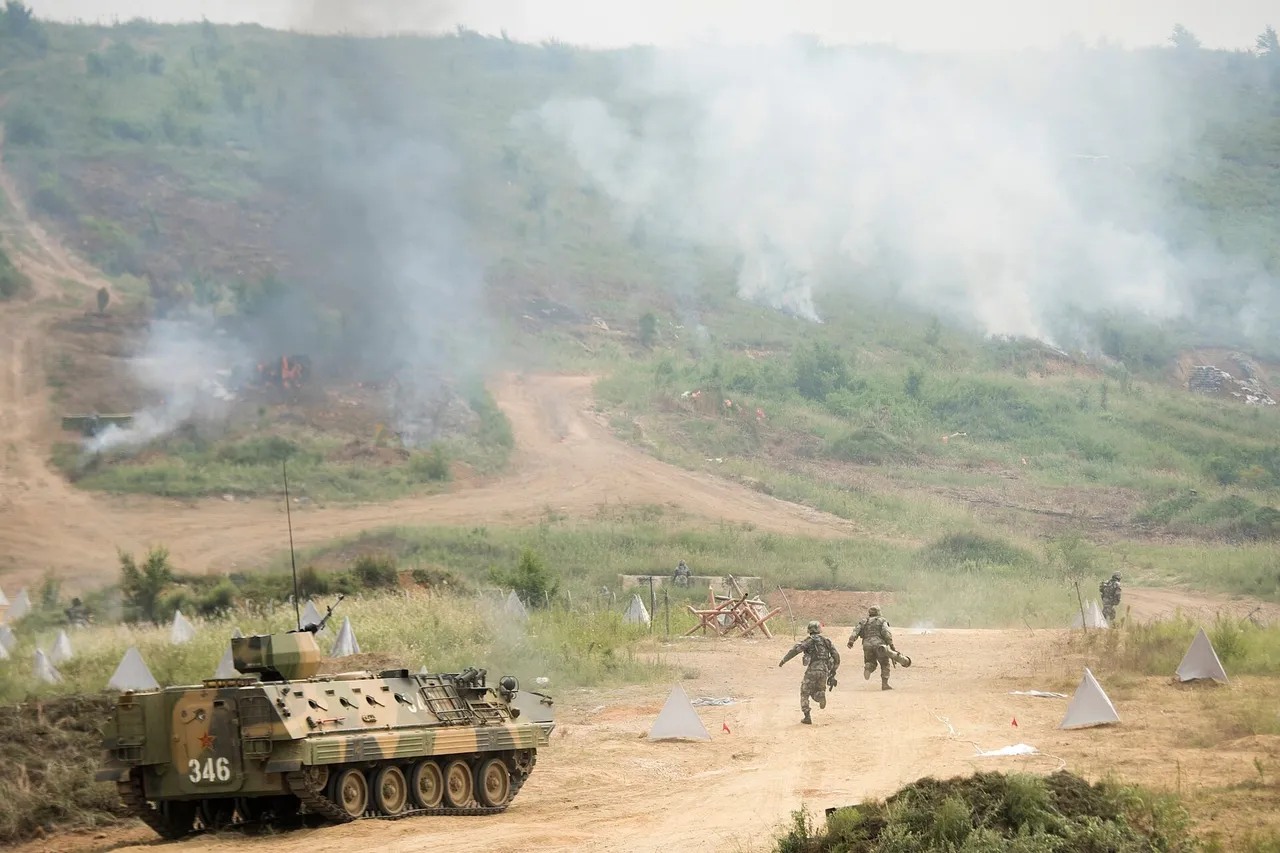
Why a PLA brigade's compulsory counter-drone drills, reported on 9 November 2026, matter for Taiwan
PLA Daily said on 9 November 2026 that a 75th Group Army brigade made counter-drone training mandatory, as Taiwan weighs NT$55.9 billion for drones.
TaiwanDefence · 4h ago · 4 min read
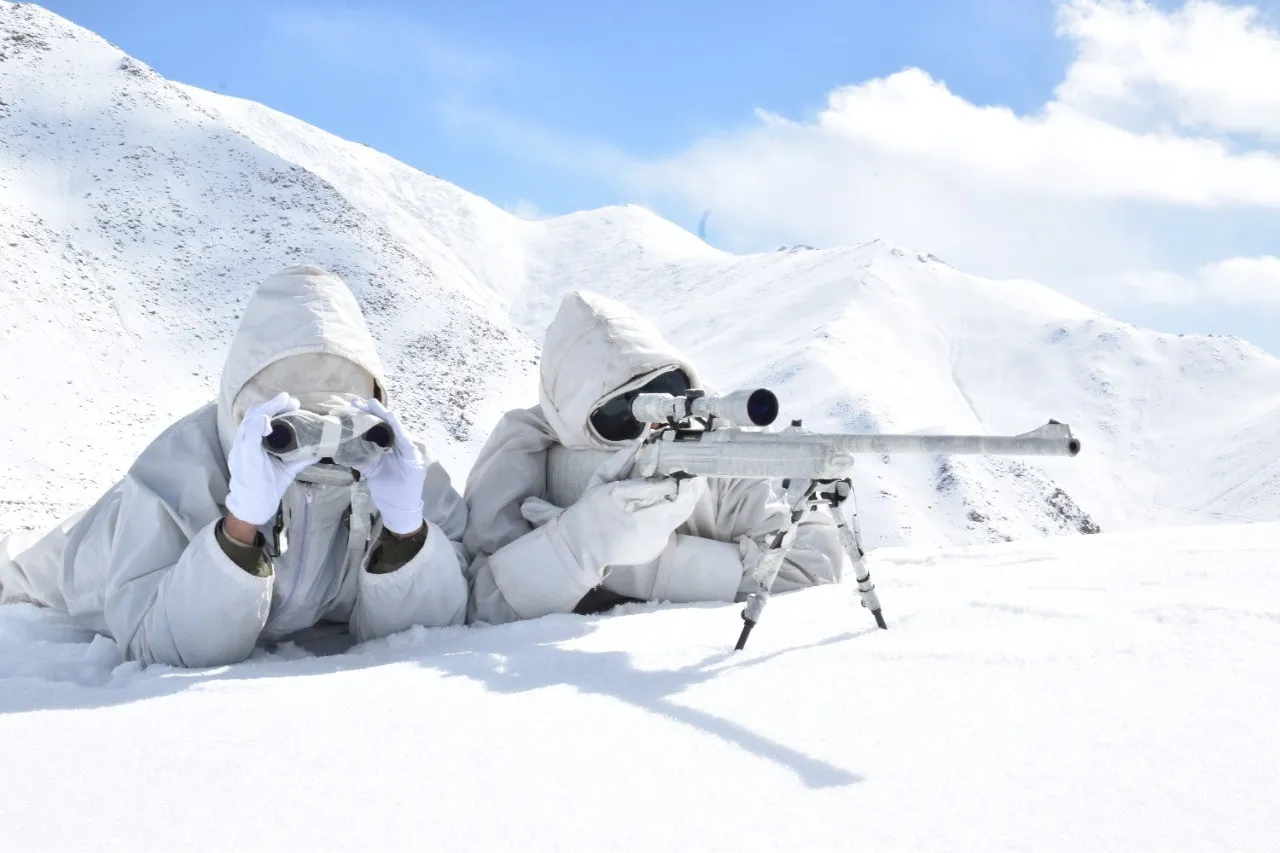
Why India's border-police commando push, reported on 10 November 2026, is built for face-offs
Nikkei Asia reported on 10 November 2026 that India is forming border-police commando units for clashes with Chinese troops, with drones getting most of the money.
TaiwanDefence · 21h ago · 3 min read
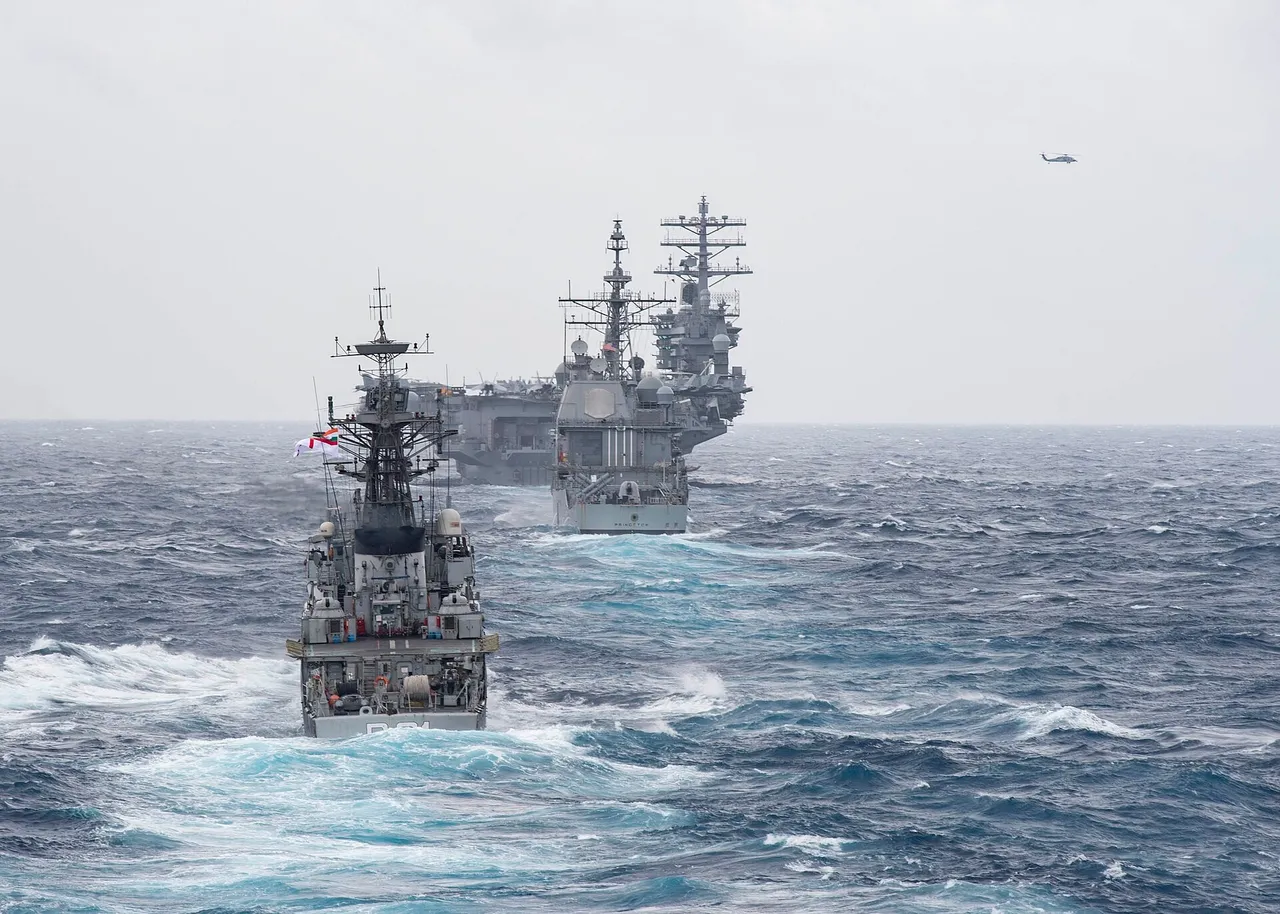
Why India's 2 November 2026 corvette order looks more like a fleet-age fix than a leap
India signed for eight corvettes on 2 November 2026, but most of its corvette fleet is over 20 years old and the first new ship is not due until about 2030.
TaiwanDefence · 22h ago · 4 min read
Discussion (0)
Comments are not currently available.