
ANALYSIS
Why a PLA brigade's compulsory counter-drone drills, reported on 9 November 2026, matter for Taiwan
PLA Daily said on 9 November 2026 that a 75th Group Army brigade made counter-drone training mandatory, as Taiwan weighs NT$55.9 billion for drones.

TAIPEI —
This article is an original Taiwan Defence analysis based on the cited public sources. It distinguishes reported facts from analytical judgments and does not represent original field reporting.
The argument
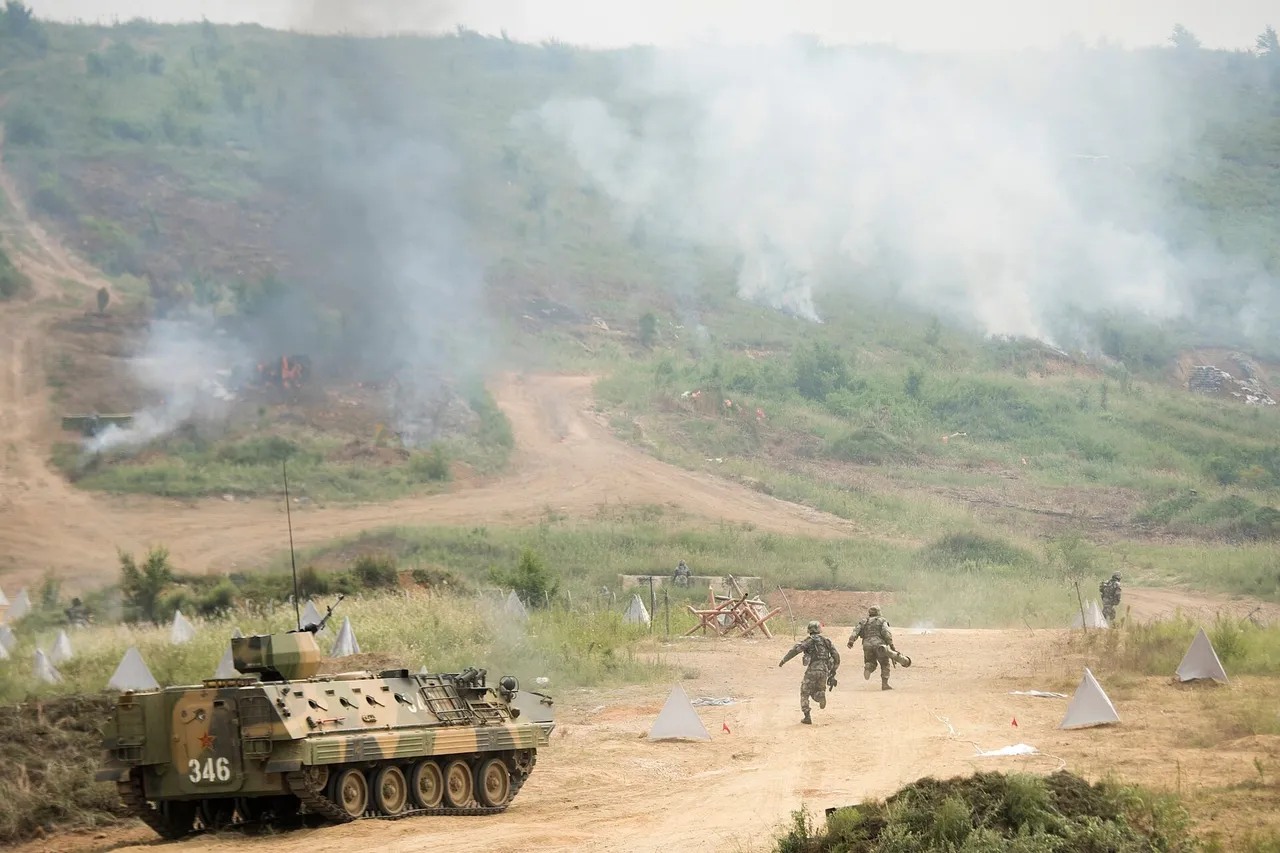
On 9 November 2026 the PLA Daily, the Chinese military's official newspaper, reported that a brigade of the People's Liberation Army's 75th Group Army had made counter-drone training compulsory for its troops, according to the South China Morning Post. The trigger, in the paper's account, was an exercise in which a drone carrying a thermal-imaging sensor found infantry hidden under jungle cover and passed their positions to opposing artillery, producing heavy simulated losses and a failed mission. These details come from Chinese state media and have not been independently verified.
Taken on its own, one brigade rewriting its training plan is a small story. Read alongside other recent evidence, it suggests that the PLA now treats small drones as a routine threat to ordinary infantry, not a niche problem for air-defence specialists. That matters for Taiwan, because the island is betting heavily on massed drones as a cheaper way to make any Chinese landing more costly.
What the PLA says it is doing
According to the state newspaper, the brigade responded with new instruction manuals, fresh tactical drills and dedicated training facilities that include simulation rooms. Later training focused on spotting and disrupting hostile drones, using specialised weapons against them and coordinating the infantry response, and officers now have to show they can handle counter-drone equipment and tactics. The paper did not name the brigade or connect the training to Taiwan.
The 75th Group Army is based in southwestern China under the Southern Theatre Command, which the Pentagon's 2025 report on Chinese military power expects to back up the Eastern Theatre Command in a Taiwan contingency, the Post noted. It also counted official accounts of counter-drone preparation in at least four of the PLA's five theatre commands. A 71st Group Army brigade was ordered in August to train on hiding heat sources and lights at night, a 72nd Group Army amphibious armoured company worked with several manufacturers on unmanned and counter-drone kit in October, and 78th and 81st Group Army troops have practised evading reconnaissance drones and masking their heat signatures.
Evidence and constraints
Independent research points the same way. A study by the Center for Strategic and International Studies, summarised by DroneXL in October, traced how quickly Chinese analysts absorbed tactics from the war in Ukraine. Fibre-optic attack drones first appeared at the front in March 2024, drew Chinese analysis within six days and showed up in Chinese training in April 2025. The study found that defensive lessons moved into Chinese hardware faster than any other kind, and cited a PLA brigade exercise in October 2025 against a drone attack team of more than 20 operators.
A separate report released on 11 November by Georgetown University's Center for Security and Emerging Technology, based on more than 2,000 PLA procurement requests for robotic systems, described a military buying many small and imperfect systems to learn where they work best, with most still under human control and many sourced from commercial Chinese firms.
The limits are as telling as the progress. Dennis Blasko, a former US Army attache in Beijing, told the Post that the PLA is building counter-drone weapons, doctrine and training across the whole force, but that so many units testing their own fixes risks inconsistent procedures and wasted effort, and that standardising doctrine could take a few years. An Australian Strategic Policy Institute fellow said the training was probably spreading further but that he lacked clear evidence. The CSIS authors likewise noted that a centrally controlled army cannot order its troops to improvise, and that Chinese analysts admit many lessons are not yet mature combat guidance.
What could change
Taiwan's own drone plans are still unsettled. The Commercial Times reported that the government's supplementary budget includes NT$145.7 billion for defence, of which NT$55.9 billion is tied to drone programmes such as coastal surveillance and attack drones, with NT$13.8 billion to be spent this year and NT$42.1 billion next year. Lawmakers agreed to complete the bill by 20 November, and reports that some government drones used Chinese-made chips have sharpened scrutiny. The Post added that Taipei has proposed buying up to 208,200 coastal-attack drones, more than 40,000 of them for 2027, while lawmakers have proposed cuts and freezes.
If Taiwan funds and fields drones at that scale, the PLA's patchwork of unit-level fixes would face a much larger problem than the jungle exercise described by the state newspaper. If the money is cut or delayed, the PLA gains time to turn scattered experiments into common doctrine before it has to face Taiwanese drones in large numbers.
Why it matters
The compulsory drills show that drones are already shaping how the PLA trains infantry far from the Taiwan Strait. Analysts quoted by the Post noted that troops crossing open water are especially exposed to drone attack, while defenders can hide before a fight begins. For Taipei, the useful reading is not that Beijing has solved the drone problem, but that it is visibly working on it, and that the value of Taiwan's drone investment depends on how quickly it arrives compared with the PLA's ability to standardise its answers.
Sources
More in Analysis

Why India's border-police commando push, reported on 10 November 2026, is built for face-offs
Nikkei Asia reported on 10 November 2026 that India is forming border-police commando units for clashes with Chinese troops, with drones getting most of the money.
TaiwanDefence · 18h ago · 3 min read

Why India's 2 November 2026 corvette order looks more like a fleet-age fix than a leap
India signed for eight corvettes on 2 November 2026, but most of its corvette fleet is over 20 years old and the first new ship is not due until about 2030.
TaiwanDefence · 19h ago · 4 min read
Why the drop to one PLA aircraft near Taiwan on 9 November 2026 does not mean Beijing has eased off
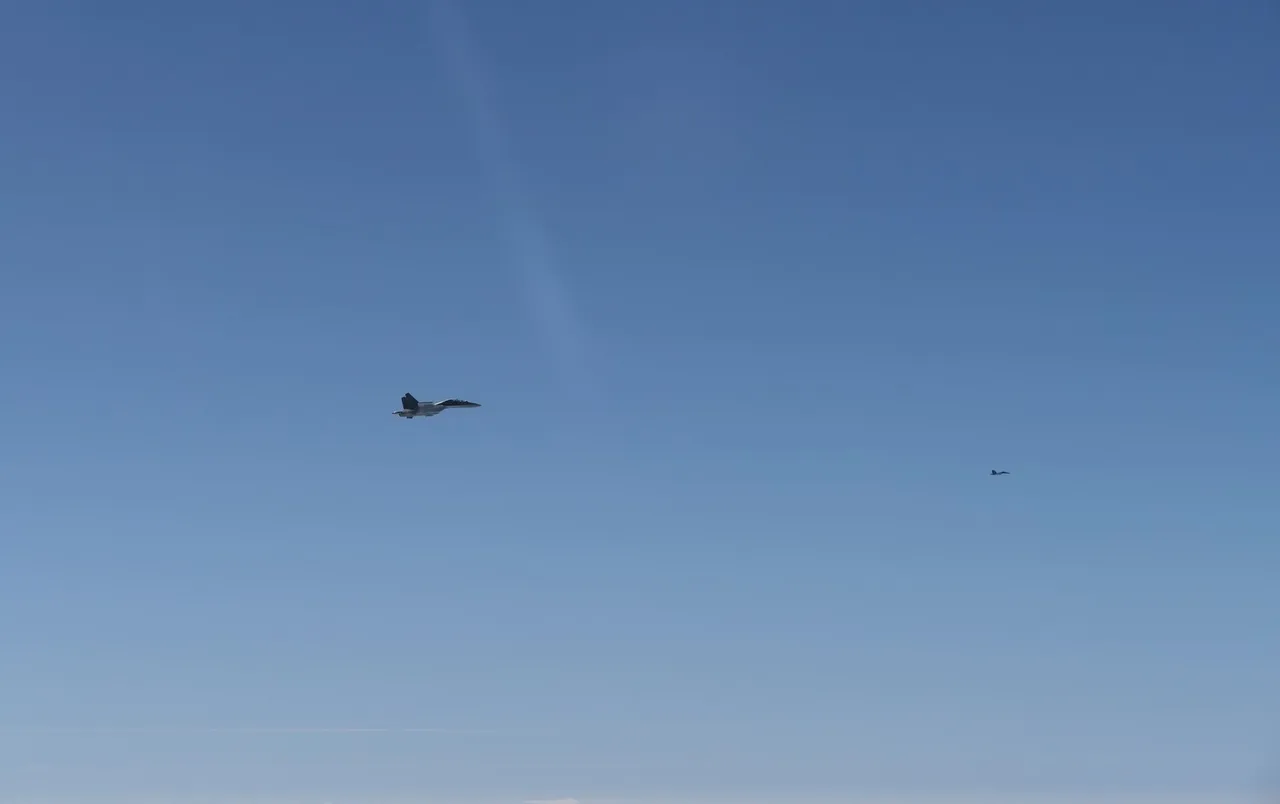
Taiwan counted one Chinese military aircraft on 9 November 2026, down from 49 a week earlier, but the warships stayed and the pressure shifted to the sea.
TaiwanDefence · 1d ago · 4 min read
Discussion (0)
Comments are not currently available.