
ANALYSIS
Why India's 2 November 2026 corvette order looks more like a fleet-age fix than a leap
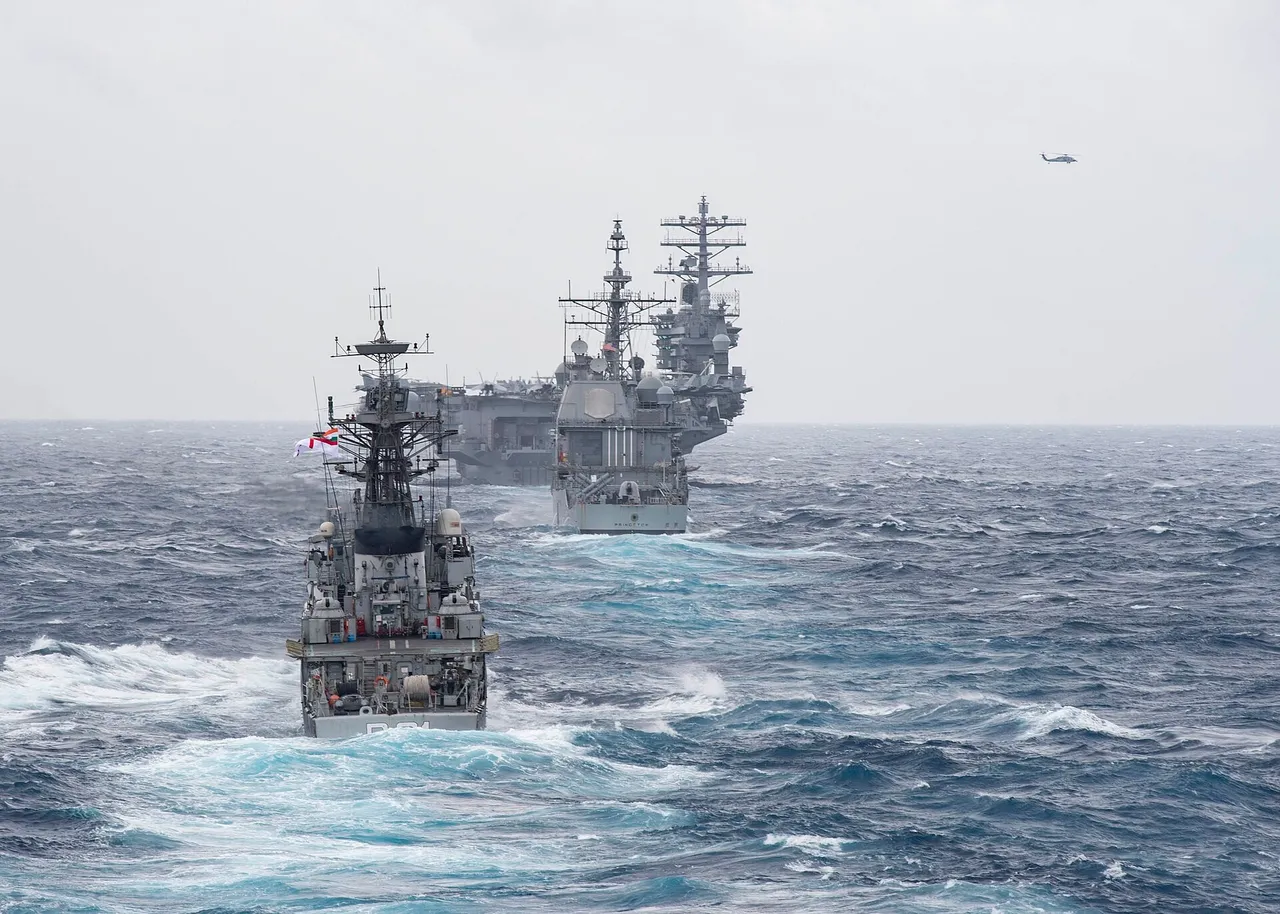
India signed for eight corvettes on 2 November 2026, but most of its corvette fleet is over 20 years old and the first new ship is not due until about 2030.
TAIPEI —
This article is an original Taiwan Defence analysis based on the cited public sources. It distinguishes reported facts from analytical judgments and does not represent original field reporting.
The argument
On 2 November 2026, India's Ministry of Defence signed contracts worth 53,866.5 crore rupees, roughly US$5.6 billion to US$5.7 billion, with Garden Reach Shipbuilders and Engineers in Kolkata and Goa Shipyard Limited for eight next-generation corvettes for the Indian Navy. GRSE will build five of the ships and Goa Shipyard the other three. The ministry described the programme as the first in which warships designed by the navy itself will be built by state-owned yards chosen through a competitive process.
The size of the ships and their missile load invite a reading of the deal as a leap in capability. A more useful reading is that the order is first about keeping enough hulls at sea. The ships it is meant to replace are near the end of their service lives, and the replacements will not arrive for several years. That gap, more than the new weapons, is likely to shape how the Indian Navy covers the Indian Ocean for the rest of this decade.
Evidence and constraints
Marine Insight, citing a fleet dataset from the analytics firm GlobalData, reported that 41.2 percent of India's corvette fleet has an average age of more than 30 years and a further 23.5 percent falls between 20 and 30 years. Only 35.3 percent is younger than 10 years. The same report said the new ships are expected to replace the Khukri and Kora classes.
Retirement of the oldest tier has already started. According to the same report, INS Khukri left service in December 2021 and INS Kirpan was transferred to Vietnam in July 2023. The two remaining Khukri-class ships entered service in 1990 and 1991 and were built around the Soviet-designed P-15 Termit anti-ship missile, while the Kora-class ships were commissioned between 1998 and 2004.
The replacements are far larger. The Tribune reported that each ship will be 127 metres long with a beam of 17.6 metres and a specified deadweight of 4,950 tonnes, with a top speed of 26 knots, 14 days of endurance without replenishment and a crew of 11 officers and 139 sailors. The planned fit includes medium-range anti-ship and surface-to-air missiles, 324 mm torpedo tubes, an upgraded 76 mm gun, an AK-630 close-in weapon, a multi-function radar and a helicopter capability.
The ministry listed the corvettes' tasks as protecting maritime trade routes, anti-surface and anti-submarine warfare, coastal defence, littoral combat and maritime surveillance. The Indian Express reported that the Defence Acquisition Council first approved the project in June 2022 at an estimated cost of about 36,000 crore rupees, well below the value of the contracts signed this month.
Timing is where the reports differ. The Tribune said the navy expects to receive the first ship by 2030. Defence Security Asia, citing a reported schedule, put the first launches in late 2029 and the start of deliveries around 2031. Neither account amounts to a published delivery plan for all eight ships, and the gap between them is about a year.
The demand on the fleet is not waiting. Marine Insight recalled that India's navy chief, Admiral Dinesh K. Tripathi, said in February 2025 that the Chinese navy keeps six to eight combatants in the Indian Ocean region at any time, alongside a large number of research vessels. It also reported that Pakistan has ordered eight Hangor-class submarines, four to be built in China and four at home, and that Pakistan said its first boat, commissioned in April 2026, fired an anti-ship cruise missile for the first time in September 2026.
What could change
Defence Security Asia noted that the likely anti-ship missile for the class, the Defence Research and Development Organisation's NASM-MR, had its first test only in June 2026, and that building at two yards in parallel can reduce dependence on a single shipyard's schedule.
Those two points cut in opposite directions. Parallel construction gives the programme a chance to hold or improve on its dates, while a new missile that is still in testing is the kind of item that can delay combat-system acceptance. If the yards deliver close to 2030, the navy can retire the remaining Khukri and Kora ships on a managed timetable. If the schedule slips, the oldest hulls will have to be kept running longer, with more time in maintenance and less on patrol.
Why it matters
The Indian Ocean is one of the waters beyond the western Pacific where, by the Indian navy chief's account, the Chinese navy keeps warships on station, and India's navy is the force most directly placed to watch them. The 2 November order shows New Delhi committing money to that task, but the numbers suggest its near-term problem is hull count and shipyard time, not a lack of advanced weapons. How well the navy bridges the years before the first new corvette arrives will decide how much routine Chinese and Pakistani naval activity it can track, which matters for the wider Indo-Pacific balance that Taiwan and its partners also depend on.
Sources
More in Analysis

Why India's border-police commando push, reported on 10 November 2026, is built for face-offs
Nikkei Asia reported on 10 November 2026 that India is forming border-police commando units for clashes with Chinese troops, with drones getting most of the money.
TaiwanDefence · 1h ago · 3 min read
Why the drop to one PLA aircraft near Taiwan on 9 November 2026 does not mean Beijing has eased off
Taiwan counted one Chinese military aircraft on 9 November 2026, down from 49 a week earlier, but the warships stayed and the pressure shifted to the sea.
TaiwanDefence · 1d ago · 4 min read
Why a November 2026 call for cheap Steelfin interceptors runs into T-Dome's command-network gap
A Taiwan defence think tank urged on 9 November 2026 that Taipei weigh Anduril's low-cost Steelfin, but cheap missiles need links T-Dome still lacks.
TaiwanDefence · 1d ago · 4 min read
Discussion (0)
Comments are not currently available.