
ANALYSIS
Why a November 2026 call for cheap Steelfin interceptors runs into T-Dome's command-network gap
A Taiwan defence think tank urged on 9 November 2026 that Taipei weigh Anduril's low-cost Steelfin, but cheap missiles need links T-Dome still lacks.
TAIPEI —
This article is an original Taiwan Defence analysis based on the cited public sources. It distinguishes reported facts from analytical judgments and does not represent original field reporting.
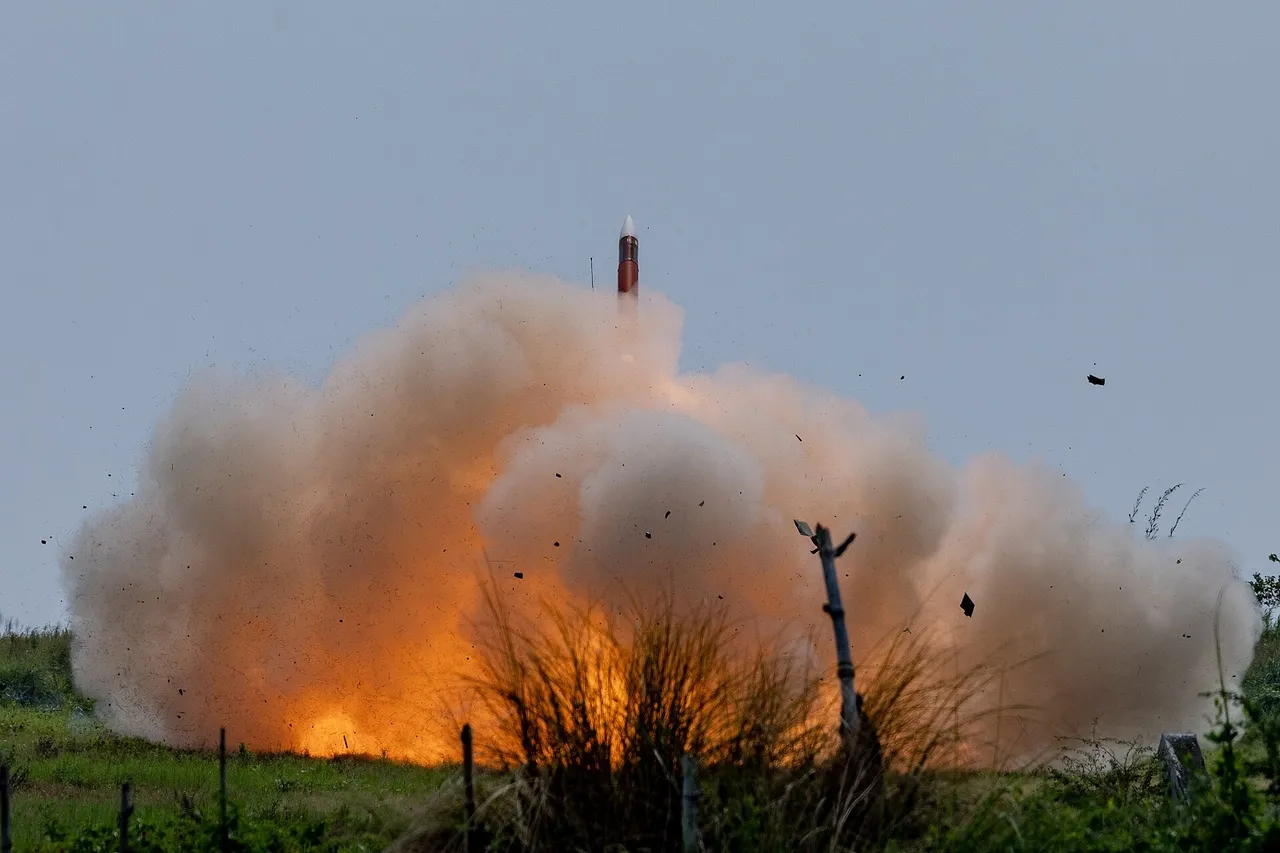
On 9 November 2026, Taiwan's Institute for National Defense and Security Research, known as INDSR, published an assessment urging the armed forces to evaluate Steelfin, a modular surface-to-air interceptor family from the US firm Anduril, and to seek a joint US-Taiwan production arrangement for it. The paper, written by assistant researcher Kao Chih-jung, argued that firing Patriot or Tien Kung missiles that cost millions of US dollars each at drones or cruise missiles worth tens of thousands would steadily drain both air-defence stocks and the defence budget.
ShotNews reported that Anduril unveiled Steelfin on 12 October, saying it could build thousands of the missiles a year in the near term at a fraction of the cost of comparable interceptors, with test firings to begin next year and no unit price yet announced. The War Zone described the same launch, noting that every variant shares a two-stage layout of a booster and a terminal interceptor with common airframe, avionics, software and flight controls, and that Anduril had not released detailed performance figures.
According to the INDSR paper, Steelfin can carry cheap optical or infrared seekers against slow drones and subsonic cruise missiles, or a millimetre-wave active radar seeker against ballistic missiles, and is designed to fit Patriot launchers, the Typhon land-based launcher and the Mk 41 vertical launch system on ships. It runs on Anduril's Lattice artificial intelligence software. Kao recommended a high-low mix in which PAC-3 and Tien Kung III missiles are reserved for ballistic and high-altitude targets while a cheaper interceptor handles cruise missiles, small and medium drones and fixed-wing aircraft, alongside faster upgrades to air-defence command and data links.
The argument
The cost case is sound, but the cheaper missile is the easier half of the problem. A low-cost interceptor only saves Patriots if Taiwan's air-defence network can reliably decide, within seconds, that a drone goes to the cheap shooter and a ballistic missile goes to the expensive one. That sorting job sits in the command system, not the launcher. The INDSR paper's own third recommendation points there, and current reporting on Taiwan's planned T-Dome air and missile shield suggests that is exactly where progress has slowed.
Evidence and constraints
TaiSounds reported on 7 November that the T-Dome project office, set up on 31 October 2025, has just marked its first year while its bid to buy the US Integrated Air and Missile Defense Battle Command System, or IBCS, has stalled, with the report linking the delay to this year's summit between the US and Chinese leaders. It said a formal letter of request may not yet have been sent. Chou Yu-ping, a former planning chief at the army's missile command, told the outlet that the first hurdle is deciding who hands over source code and technical parameters, because Taiwan's home-built Tien Kung and Land Sword II systems use parameters that differ from US systems.
The same report said engineers at the National Chung-Shan Institute of Science and Technology concluded that Lattice is better suited as a supplementary subsystem alongside IBCS than as a rival to it, and that the institute signed a memorandum with Northrop Grumman in September 2025 to study tying Tien Kung and Land Sword II into the IBCS architecture. It added that the separate Huanzhan programme to fuse air, navy and army air-defence tracks aims to finish island-wide connection tests by the end of 2026, and that the Strong Bow missile defence system has more than NT$36 billion budgeted for production from 2027.
Put together, these facts show a mismatch. Steelfin's promise rests heavily on Lattice handling target assignment, while Taiwan's own weapons institute treats Lattice as an add-on to an IBCS purchase that has not yet been formally requested. Introducing a third interceptor family, beside US Patriots and Taiwanese Tien Kung missiles, would add another interface to a network whose builders are still negotiating over source code. The missile itself also remains unproven, with flight tests still ahead and no published price.
What could change
Three markers would shift this picture. The first is Steelfin test results and a firm unit price, which would show whether the claimed cost gap is real. The second is a US decision on IBCS and a Taiwanese letter of request, which would settle the backbone any new interceptor must plug into. The third is whether Huanzhan meets its end-2026 target. If Steelfin really can fire from Patriot launchers Taiwan already owns, the integration burden could be lighter than for an entirely new system, but only once the fire-control network accepts it.
Why it matters
Taiwan's air defence faces a volume problem: China can throw far more cheap drones and cruise missiles than the island has expensive interceptors. The 9 November 2026 INDSR paper is right that a cheaper middle layer would ease that arithmetic. Yet the reporting on T-Dome suggests the binding constraint this year is the network that assigns targets, not the shortage of affordable missiles. Buying a low-cost interceptor before that network is settled would risk adding shooters faster than Taiwan can coordinate them.
Sources
More in Analysis
Why the drop to one PLA aircraft near Taiwan on 9 November 2026 does not mean Beijing has eased off
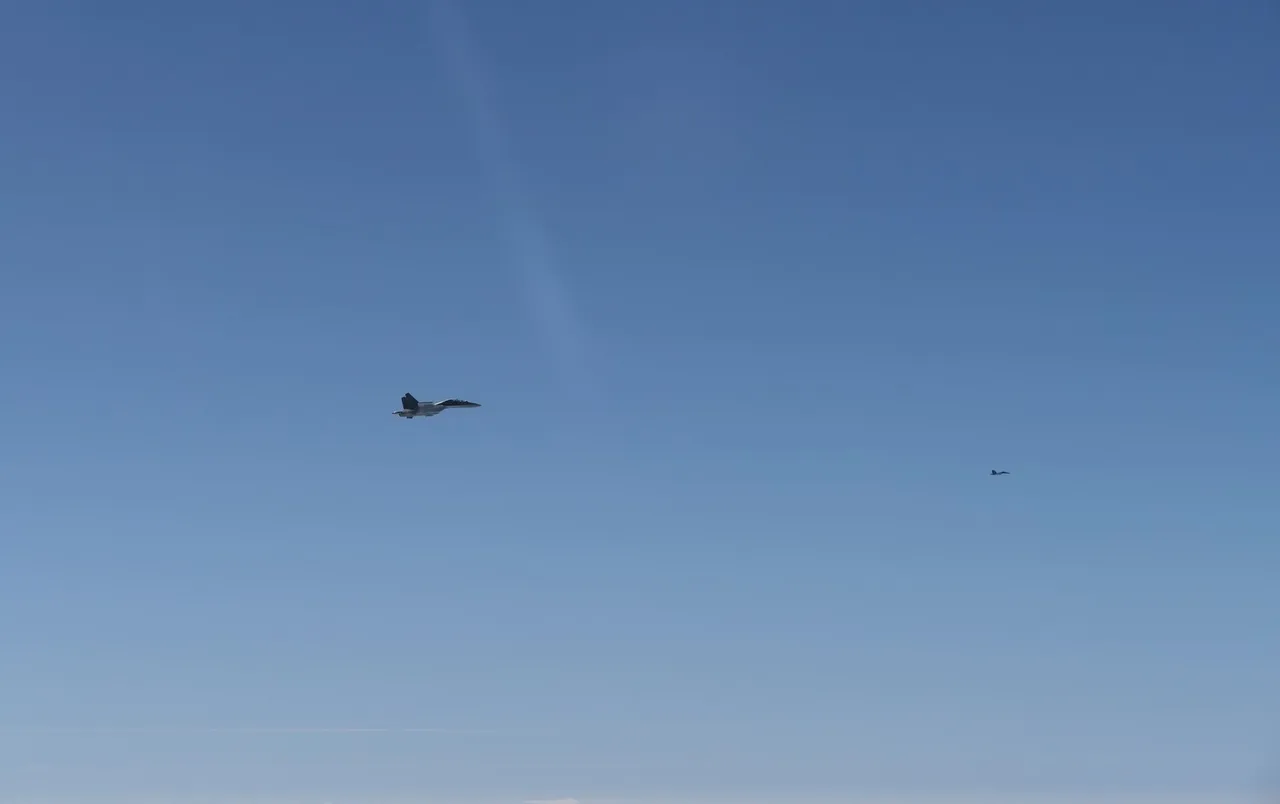
Taiwan counted one Chinese military aircraft on 9 November 2026, down from 49 a week earlier, but the warships stayed and the pressure shifted to the sea.
TaiwanDefence · just now · 4 min read
Why Taiwan's November 2026 push for its own satellite launches matters for wartime resilience
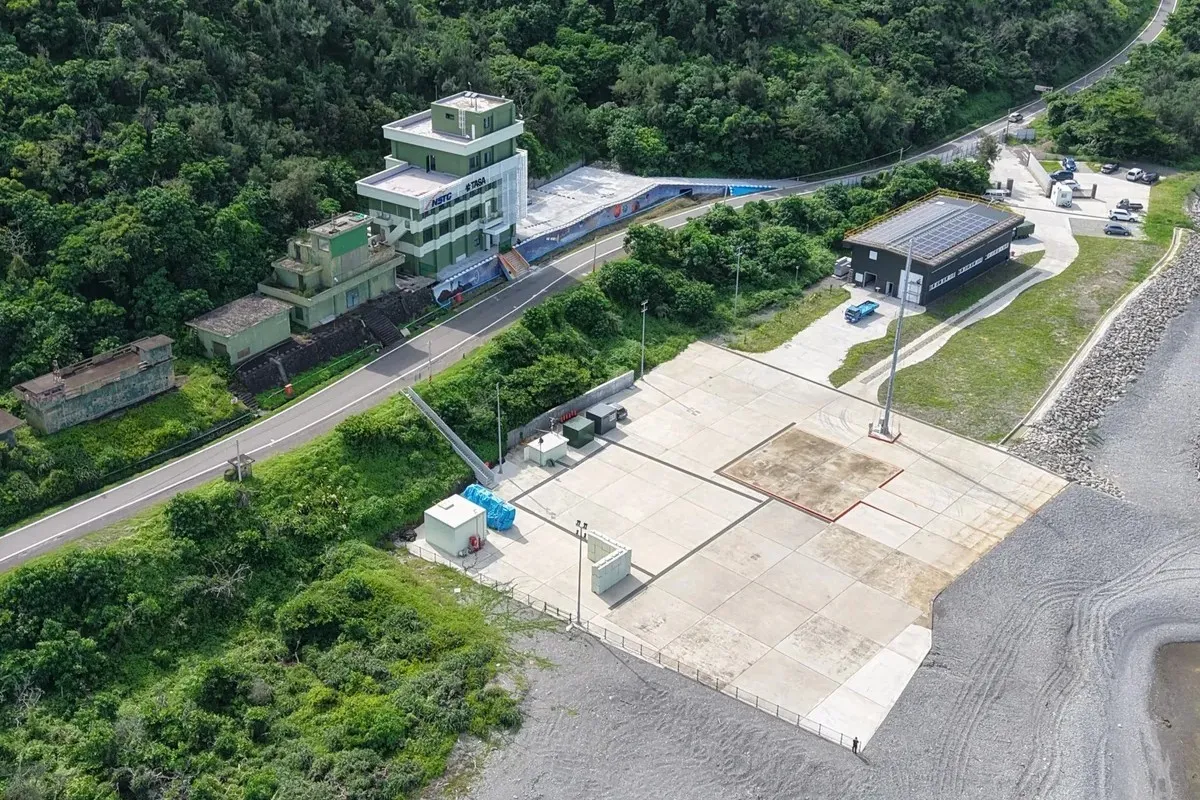
Lai's 9 November 2026 space speech put satellite links and launch access under the security council, but Taiwan's own launch range is not due until 2032.
TaiwanDefence · 3h ago · 3 min read
Why the November 2026 F-16 weapons report matters more for Taiwan than the new jets' arrival
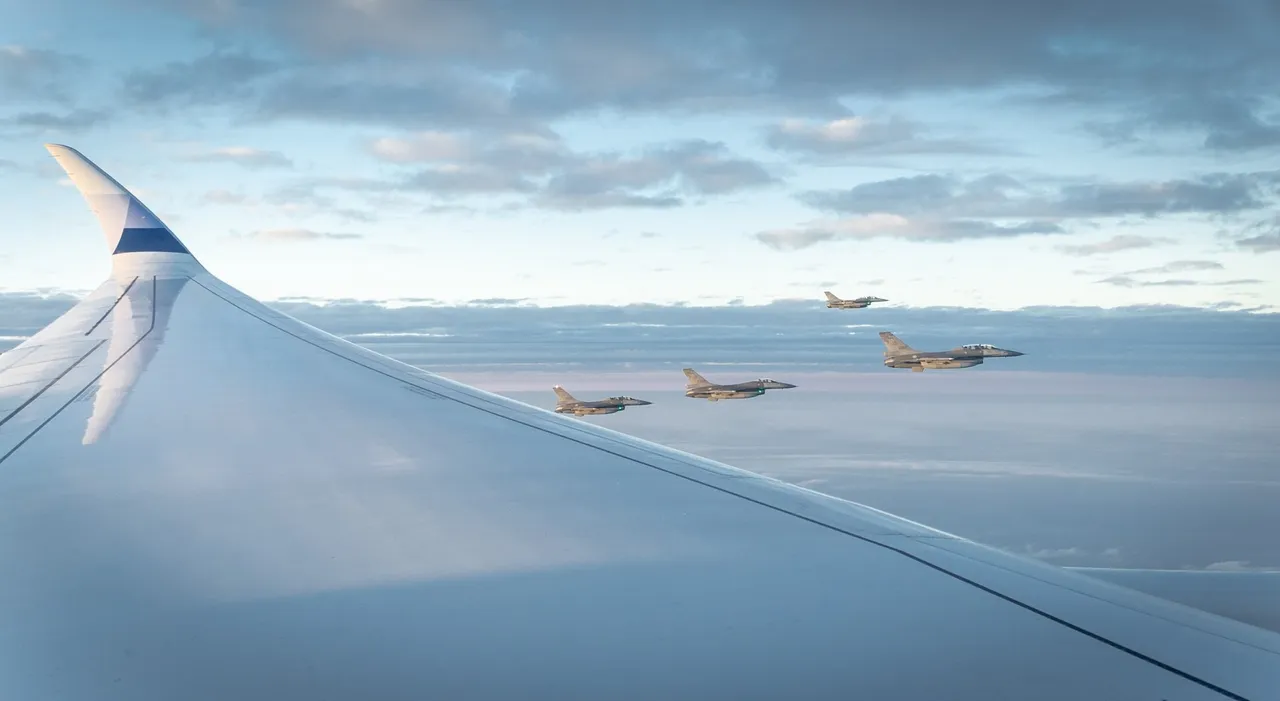
A defence ministry report covered on 9 November 2026 shows Taiwan's new F-16s will fly for years before their glide bombs and jamming pods are complete.
TaiwanDefence · 19h ago · 4 min read
Discussion (0)
Comments are not currently available.